
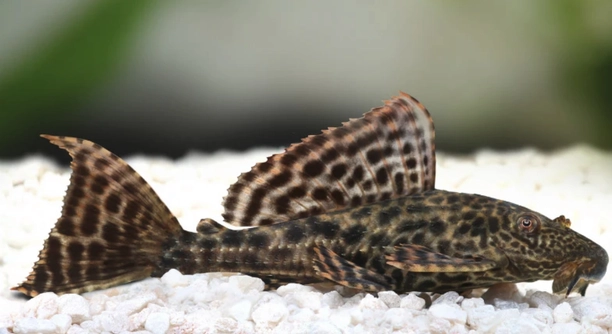
Many aquarists wonder if fasting their plecostomus is necessary or beneficial for its health. This question can come up as you observe your fish’s behavior and eating habits. Understanding when or if to fast your pleco can make a difference.
Fasting your plecostomus is not typically recommended, as these fish thrive on consistent feeding. Regular meals help maintain their health, as they rely on algae and debris in the tank for nourishment. Fasting may cause stress and digestive issues.
It’s important to understand the impact of fasting and what it may mean for your pleco’s well-being. There are alternative ways to manage feeding and care effectively without stressing the fish.
Understanding Plecostomus Feeding Habits
Plecostomus, or plecos, are bottom-dwelling fish that play a key role in cleaning aquariums. They feed on algae, leftover food, and other organic debris. Because of this, it’s important to understand their natural feeding patterns and needs. Unlike many fish, plecos do not require feeding multiple times a day. In fact, they can often go several days without food, relying on what they find in the tank. However, this does not mean they should be neglected or fasted routinely. Overfeeding can lead to water quality issues, but underfeeding might result in malnutrition.
While it’s tempting to give plecos extra food, it’s better to ensure they are getting enough without overdoing it. Plecos often feed at night, so it can be hard to monitor their eating habits. They may not always eat visible food, but they are still scavenging. Keeping the tank clean and offering occasional supplements ensures they get the nutrition they need.
It’s essential to provide a variety of food, including algae wafers and fresh vegetables. This helps meet their dietary needs while avoiding the stress fasting can bring. The more balanced the diet, the healthier your pleco will be.
Why Fasting May Not Be Necessary
Fasting can be stressful for plecos and should only be done under specific circumstances. Stress can cause them to stop eating altogether, which isn’t ideal for their health.
Instead of fasting, focus on maintaining a healthy aquarium environment. Regular maintenance and careful feeding will allow the pleco to thrive. Cleaning the tank often prevents excess waste buildup, reducing the need for fasting as a method to control overfeeding.
The Role of Algae in a Pleco’s Diet
Algae is a primary food source for plecostomus, helping them thrive in aquariums. They naturally graze on it, keeping the tank cleaner. Algae growth in the tank is beneficial, but it should not be the only food available. Offering algae wafers and other supplements ensures they receive a balanced diet.
While plecos may consume a fair amount of algae, they still need other nutrients for health. Without variety, algae alone may not provide everything they need. A good mix of fresh vegetables like zucchini or cucumber can add necessary vitamins and minerals. This variety is key for their long-term health.
If you notice your pleco isn’t eating enough algae, it may be time to add extra food. Ensure that your tank’s algae levels are not too high, as it can lead to an imbalance. Proper tank maintenance, including cleaning and trimming excessive algae, will help keep your pleco well-fed.
How to Maintain a Healthy Pleco Tank
A clean tank is essential for your plecostomus’ well-being. Regular water changes, debris removal, and filter maintenance are critical. Without these, the water quality can drop quickly, affecting your pleco’s health. Keeping the environment clean also promotes algae growth, which plecos rely on.
Aside from cleaning, monitor the tank’s temperature and pH. Plecos prefer a warm, slightly acidic environment. If the water temperature fluctuates or becomes too cold, your pleco might stop eating or become stressed. A stable environment encourages better eating habits, so try to avoid drastic changes in their habitat.
The Impact of Overfeeding Plecos
Overfeeding plecos can lead to water quality problems and health issues. Excess food left in the tank decomposes, creating excess waste and lowering oxygen levels. It can also encourage the growth of harmful bacteria and algae, making the environment unhealthy for both the pleco and other fish.
To avoid overfeeding, provide only as much food as the pleco can consume in a few hours. Any uneaten food should be removed to maintain water quality. Monitoring feeding habits closely will ensure the pleco gets the right amount of nutrition without overloading the tank with waste.
Plecos and Tankmates
Plecos generally do well with many other fish species, but compatibility depends on tank size and individual behavior. They are peaceful, bottom-dwelling fish that can coexist with other species if there is enough space. However, they may be territorial if food is scarce.
When keeping plecos with other tankmates, ensure that all fish have their own space to avoid conflict. Providing hiding spots for the pleco is important to reduce stress, especially with more aggressive fish. A peaceful, well-planned tank will benefit all species.
Recognizing Health Problems in Plecos
If a pleco starts acting differently, it could be a sign of health issues. Look out for signs like loss of appetite, sluggish behavior, or visible damage to their skin. These symptoms may indicate stress, poor water conditions, or an infection.
Checking water quality regularly and observing the pleco’s behavior closely can help catch problems early.
FAQ
How often should I feed my plecostomus?
Plecos do not require feeding multiple times a day. A few times a week is generally enough. They are natural grazers, relying on algae and debris in the tank. However, to ensure they get all the nutrients they need, supplement their diet with algae wafers or vegetables like zucchini and cucumber. Avoid feeding them every day, as overfeeding can cause water quality issues and stress. Pay attention to how much food is consumed, and remove any leftovers after a few hours to maintain a clean tank.
Can I fast my pleco for health reasons?
Fasting plecos is not typically recommended unless you are addressing specific health issues. Regular fasting can cause stress and affect their digestive system. Instead of fasting, focus on maintaining good water quality, providing a balanced diet, and ensuring the pleco has enough algae and other supplements to meet its needs. If your pleco is not eating, it’s better to check the water quality or consult a vet rather than resort to fasting.
Is it normal for my pleco to not eat for a day or two?
Yes, it is normal for a pleco to go a day or two without eating. Plecos are opportunistic feeders and may not eat every single day, especially if they are grazing on algae or scavenging in the tank. If your pleco refuses food for longer periods or shows signs of illness, such as lethargy or unusual behavior, it could be a sign of stress, water quality issues, or a health problem.
What kind of algae should I provide for my plecostomus?
While plecos are excellent at cleaning algae in the tank, you should still provide them with algae wafers or other algae-rich foods. Plecos usually eat a variety of algae, including green, brown, and even some types of red algae. Providing algae wafers will ensure they get enough nutrition. It’s also beneficial to offer fresh vegetables like spinach, zucchini, or cucumber to supplement their diet and add variety.
What should I do if my pleco is not eating algae in the tank?
If your pleco isn’t eating the algae in the tank, there may be a few reasons. First, check if the tank is overly clean and free from enough algae for the pleco to graze on. If algae growth is minimal, supplement their diet with algae wafers and fresh vegetables. Also, check if other fish in the tank are outcompeting the pleco for food. In some cases, stress or poor water quality may also affect the pleco’s eating habits.
Can plecos eat vegetables?
Yes, plecos can and should eat vegetables as part of their diet. Vegetables like zucchini, cucumber, and spinach are excellent choices. These provide essential nutrients and fibers that help keep your pleco healthy. You can blanch or slice the vegetables into small pieces for easy consumption. Just be sure to remove any uneaten portions after a few hours to maintain water quality.
Should I use a specific type of filter for a pleco tank?
Plecos produce a fair amount of waste, so it’s important to have a good filtration system in place. A strong filter that can handle the tank’s bio-load is crucial for maintaining clean water. However, make sure the filter’s current is not too strong, as plecos prefer calmer waters. Look for filters designed for larger tanks with a flow rate suitable for your aquarium size to keep the environment healthy for the pleco and other fish.
Can plecos live with other fish species?
Plecos are generally peaceful and can live with many types of fish, but it’s important to choose tankmates carefully. They are bottom dwellers and may become territorial around food, but they usually get along well with most peaceful species. Avoid aggressive fish or those that might nip at the pleco’s fins. Providing plenty of hiding spaces and a large enough tank will help reduce territorial behavior.
How can I tell if my pleco is stressed?
Stressed plecos may show several signs, such as lethargy, refusal to eat, or staying hidden for long periods. Changes in behavior, such as erratic swimming or scraping their bodies against objects, may also indicate stress. Stress can be caused by poor water quality, overcrowding, aggressive tankmates, or improper water conditions. If you notice these signs, it’s essential to check the water parameters and tank environment and address any issues promptly.
Do plecos need a specific water temperature?
Yes, plecos thrive in water that is warm and stable. The ideal temperature for most pleco species is between 75-80°F (24-27°C). Water that is too cold can cause stress and may reduce their appetite or activity. It’s important to maintain a stable temperature using a reliable aquarium heater. Sudden temperature changes can be harmful, so make sure to monitor the tank temperature regularly.
How long can plecos live in captivity?
Plecos can live for many years if provided with the right care. Most pleco species live between 10 to 15 years, and some may even live longer under optimal conditions. The key to a long life for your pleco is maintaining stable water quality, offering a balanced diet, and providing enough space to thrive. Regular tank maintenance and attention to their needs can help extend their lifespan.
Final Thoughts
Taking care of a plecostomus involves more than just feeding them regularly. These fish play an important role in keeping your aquarium clean by grazing on algae and other debris. However, it’s crucial to provide them with the right environment and diet to ensure their health and well-being. While fasting might seem like a natural solution for managing your pleco’s diet, it’s not typically necessary. Instead, focusing on providing a balanced and varied diet, along with maintaining good water quality, is the best way to keep your pleco happy and healthy.
Maintaining a proper tank environment is key. Plecos thrive in warm water with stable temperatures, and they prefer slightly acidic water conditions. If your tank’s water quality is poor or the temperature fluctuates too much, it can cause stress and other health issues. Regular water changes, proper filtration, and avoiding overcrowding will all contribute to a healthy habitat. Remember that plecos are bottom dwellers, so ensuring there is enough space and hiding spots in the tank is important for reducing stress and providing them with a sense of security.
Feeding your pleco doesn’t have to be complicated, but it’s important to avoid overfeeding or underfeeding. They can survive on the algae in the tank, but you should supplement their diet with algae wafers, fresh vegetables, or other food sources. Avoid overfeeding, as this can lead to poor water quality and other problems. Instead, offer small portions that they can consume in a few hours and remove any uneaten food. By providing a balanced diet, maintaining a clean tank, and monitoring their behavior, your pleco will likely live a long, healthy life.

Hello,
If you enjoy the content that we create, please consider saying a "Thank You!" by leaving a tip.
Every little bit helps us continue crafting quality advice that supports the health, happiness, and well-being of pets around the world, for pets of all shapes, sizes, and species.
We really appreciate the kindness and support that you show us!