
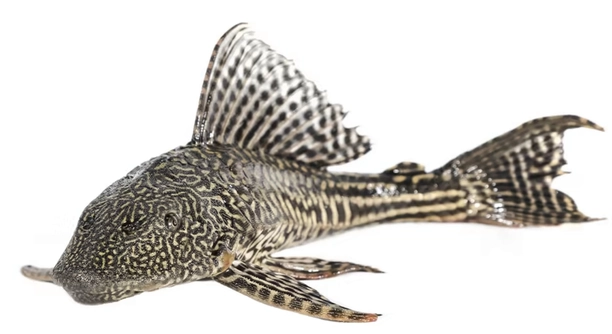
Have you ever wondered if your pleco feels truly comfortable in its tank or if it’s just going through the motions each day?
A pleco that is comfortable will display consistent eating habits, active exploration during the night, and a calm, steady presence during the day. These indicators reflect both physical health and a low-stress environment within the aquarium.
From swimming patterns to hiding preferences, each sign reveals a piece of the puzzle that helps ensure your pleco’s well-being and contentment.
Active at Night
Plecos are naturally nocturnal, so nighttime activity is a reliable sign of comfort. When your pleco feels safe, it will explore the tank more freely once the lights are off. This includes swimming across surfaces, grazing on algae, or inspecting decorations. If your pleco is consistently hidden or motionless, it could be stressed or uncomfortable. A comfortable pleco will also have a routine, becoming predictably active during the darker hours. Watching for regular nighttime behavior helps identify if something in the environment is affecting its comfort. Lighting, noise, and tankmates can all influence how much your pleco moves at night.
Plecos that remain still or refuse to leave their hiding spots even at night may not feel secure.
Creating a stable nighttime environment by reducing sudden light or sound changes allows plecos to maintain their natural rhythms. This builds trust in their surroundings and supports both health and comfort.
Healthy Appetite
A pleco that eats regularly is often a comfortable one. Feeding is more than just a necessity—it reflects the fish’s stress levels and sense of safety. If your pleco eagerly feeds on algae, driftwood, or sinking pellets, it likely feels secure in its tank. On the other hand, if it begins skipping meals or loses interest in food, something may be off. Hunger strikes can be linked to environmental stressors like water quality or aggressive tankmates. Monitoring appetite helps you understand how well your pleco is adjusting. Changes in eating patterns should be taken seriously, as they often signal discomfort before visible signs of illness appear. A balanced diet and a peaceful tank setup are key to maintaining healthy feeding habits. Offering food at consistent times and observing how your pleco reacts to it is a useful way to track comfort and stability.
Calm During the Day
A comfortable pleco tends to stay calm and still during daylight hours. It may hide under driftwood or rest along the tank’s bottom. This peaceful behavior shows that it feels safe and unbothered by its surroundings, including lighting, movement, and tankmates.
Plecos that feel secure won’t dash or hide suddenly when someone walks by or when lights turn on. Instead, they remain in their favorite hiding spot or shift slowly across the glass or substrate. Quick movements or frantic swimming during the day usually indicate stress. Make sure your tank has plenty of shade, stable lighting, and quiet surroundings. These small things reduce stress and allow your pleco to relax. Observing how your pleco behaves in daylight is an easy way to gauge its comfort level. Calm, predictable behavior during the day means the fish isn’t feeling threatened and trusts its environment.
Avoid tapping the glass or making quick changes during the day. This can disturb your pleco and disrupt its rest cycle. Providing steady water conditions and low midday stimulation helps it stay calm. The more consistent and quiet the environment, the more likely your pleco will feel at ease and develop a dependable daily routine.
Responsive to Feeding
Plecos that respond quickly when food enters the tank are generally comfortable. You may notice them leaving their hiding spot or moving directly toward algae wafers or blanched vegetables once they detect food in the water. This responsiveness often shows stability in their environment.
Lack of interest in food could mean your pleco is uncomfortable. Fish that remain hidden, ignore food, or come out only after the food has been untouched for a while might be experiencing stress. Responsive feeding means they recognize the tank as safe, and their energy levels are normal. Try feeding your pleco at the same time each day to create routine. Keep an eye on how quickly it begins eating and whether it eats near other fish or retreats. These small behaviors can tell you a lot about how relaxed your pleco feels. Stability in feeding habits often reflects a healthy, balanced aquarium setup.
Bright, Clear Eyes
Clear, alert eyes are a sign your pleco is healthy and at ease. Cloudiness or swelling may suggest stress or poor water quality. A comfortable pleco will have eyes that appear bright, without haze or distortion.
Changes in eye appearance should be monitored closely. Consistent clarity means your pleco feels secure and is likely living in a well-maintained tank.
Smooth, Unblemished Skin
A comfortable pleco has smooth skin free of blemishes, white spots, or peeling. Its body should look even in color, without signs of irritation or fungus. Skin issues often develop when tank conditions are poor or stress levels are high. Clean water and stable pH levels help prevent most skin concerns. If your pleco rubs against surfaces or has sudden changes in color, it might be reacting to discomfort. A stable environment with routine maintenance allows the fish’s natural defenses to stay strong, reducing the chances of disease. Skin health is a good reflection of how safe your pleco feels in its home.
Relaxed Fins
Fins that stay open and still are a good sign of comfort. If the fins are clamped or twitching, that could point to stress or poor water quality.
FAQ
How do I know if my pleco is stressed?
Signs of stress include rapid breathing, erratic swimming, clamped fins, lack of appetite, or hiding for long periods—even at night. You might also notice a sudden change in color or behavior after a water change or tank rearrangement. Stress can also appear after adding new tankmates or when water conditions fluctuate. Test the water regularly and check for ammonia, nitrite, and nitrate levels. If your pleco’s behavior seems off, address environmental changes before trying anything else. A calm, consistent environment helps reduce stress and keeps your pleco healthy.
Can plecos be active during the day?
While plecos are mostly nocturnal, it’s normal for some to show limited activity during the day—especially in low-light or shaded tanks. If your pleco occasionally explores or grazes in daylight but still rests for most of it, that’s typically fine. However, if your pleco is unusually active during the day and also shows signs of stress (like darting or bumping into things), it may not feel comfortable. Try adding more hiding spots or adjusting lighting to help restore its natural rest and active cycle.
What kind of hiding places help plecos feel comfortable?
Driftwood, caves, stacked rocks, and PVC tubes make great hiding spots for plecos. These areas provide shelter and allow your pleco to feel secure when resting. Natural materials like driftwood also serve as both food and shelter. Aim for at least one large hiding place per pleco, especially if housed with other fish. Well-designed hiding spaces can reduce aggression, lower stress, and encourage natural behaviors. The more private and shaded these areas are, the more comfortable your pleco will feel.
Is it okay if my pleco doesn’t eat every day?
It’s normal for adult plecos to skip a meal occasionally, especially if they’ve been grazing on algae or driftwood. However, if your pleco refuses food for more than a few days, check water conditions and observe behavior closely. Sudden appetite loss may be tied to environmental stress or health issues. Offering fresh vegetables like cucumber or zucchini can sometimes help restart feeding. If your pleco still shows no interest, you may need to consult a vet with experience in aquatic animals.
How often should I check the tank conditions for my pleco?
Water quality should be checked at least once a week. Monitor temperature, pH, ammonia, nitrites, and nitrates. Plecos need stable, clean water to stay healthy. Sudden changes in any of these values can cause stress or illness. It’s also helpful to watch for debris buildup and clean filters regularly. A digital thermometer and liquid test kit can make this routine easier and more accurate. Preventative care goes a long way in keeping your pleco comfortable and avoiding stress-related problems.
Do plecos get along with other fish?
Most plecos are peaceful but can become territorial, especially in smaller tanks or when hiding spots are limited. Avoid housing them with aggressive species or other bottom dwellers that compete for space. Smaller community fish often pair well with plecos, as long as they don’t nip fins or steal food. Monitor interactions during feeding and watch for signs of stress or conflict. A large enough tank with good layout planning will usually help avoid any major issues.
What size tank is best for a comfortable pleco?
The ideal tank size depends on the pleco species. Small types like bristlenose plecos do well in 20–30 gallon tanks. Larger species like the common pleco need at least 75–100 gallons. An undersized tank can lead to poor water quality, stress, and limited movement. Always plan based on adult size, not the size at purchase. Adding filtration and regular water changes also becomes more important in larger tanks. A properly sized tank gives your pleco space to explore and grow without feeling cramped.
Can I tell if my pleco is happy just by looking at it?
Yes, to some extent. A healthy pleco will have bright eyes, smooth skin, active feeding habits, and predictable behavior patterns. It will hide during the day and explore more at night. Open fins, steady breathing, and a clean, intact appearance all suggest comfort. While fish don’t show emotions like mammals, their physical condition and behavior reveal a lot. If something seems off, small environmental adjustments usually help. Trust your observations and don’t ignore sudden changes in habits or appearance.
Final Thoughts
Keeping a pleco comfortable is not difficult when the right conditions are provided. Stable water quality, the right tank size, and a calm environment make a big difference in their behavior and health. Watching how your pleco moves, rests, and eats can help you understand if something is off. A comfortable pleco will show natural behaviors like grazing, exploring during quiet hours, and hiding during the day. These are all good signs that your pleco feels safe. If changes happen suddenly, it may be worth checking your tank’s setup and routine.
Every pleco is a little different, depending on its species, age, and tank environment. Some may be more active, while others prefer to stay hidden. That is why it is helpful to pay attention to your pleco’s regular behavior so you can notice changes right away. Making sure the lighting is not too bright, offering enough hiding spots, and feeding a proper diet all play a role. Clean water and gentle tankmates also reduce stress. When these needs are met, your pleco can live a quiet and stable life, often for many years.
Caring for a pleco is not just about cleaning the tank or feeding on time—it’s about creating a space where the fish can act naturally. Comfortable plecos show slow, steady movement, rest in shaded areas, and feed with ease. They do not dart around, hide too much, or show signs of stress. The more you observe your pleco and adjust its environment as needed, the easier it becomes to keep it healthy. A calm pleco is a sign of a well-maintained tank, and it reflects the time and care you give to your aquatic setup. With a bit of attention to detail, your pleco can remain happy and comfortable long term.

Hello,
If you enjoy the content that we create, please consider saying a "Thank You!" by leaving a tip.
Every little bit helps us continue crafting quality advice that supports the health, happiness, and well-being of pets around the world, for pets of all shapes, sizes, and species.
We really appreciate the kindness and support that you show us!