
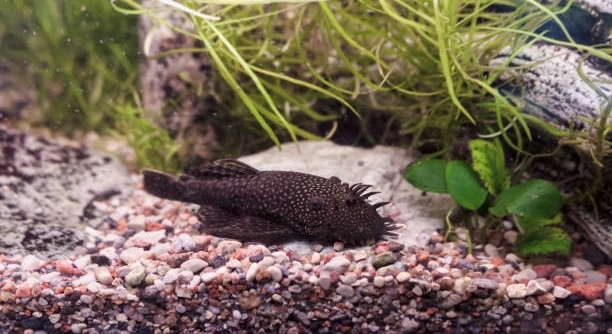
Plecos are fascinating creatures that adapt to their environments in various ways. These fish have a unique ability to understand their surroundings and respond accordingly. Understanding what plecos learn from their environment helps ensure they thrive in aquariums.
Plecos learn about water quality, lighting conditions, available hiding spots, and the behavior of other tank inhabitants. They also adapt to food sources, water temperature, and substrate types. Each of these factors contributes to their well-being and comfort.
Exploring how plecos adjust to their environment will reveal some surprising aspects of their behavior and needs. These insights can help you create a healthier space for your fish.
Water Quality: The Top Priority for Plecos
Water quality is essential for plecos. They are sensitive to changes in their environment and need stable water parameters to thrive. Clean water helps them maintain proper health and avoid stress. Poor water quality can lead to issues like poor growth, skin problems, and even death. Regular water changes and proper filtration systems are key to providing a healthy habitat for plecos.
In addition to water changes, keeping an eye on pH levels, ammonia, nitrites, and nitrates is crucial. These factors directly affect plecos’ well-being. Investing in a good water testing kit will give you peace of mind and ensure your tank is always in the right condition.
Maintaining a clean environment isn’t just about water changes. Plecos also learn to avoid certain areas in the tank, especially where waste tends to accumulate. By placing filtration equipment correctly and removing debris regularly, you create a stable and safe home for your pleco.
Plecos and Lighting Conditions
Lighting affects plecos’ behavior and overall health. They prefer low to moderate light. Excessive light can stress them out, while too little light can lead to issues like poor feeding and activity levels. Balancing the light intensity and duration is key.
Plecos, being nocturnal, are more active in dim lighting or during nighttime. Understanding their preference for reduced light will help you set up an environment that respects their natural instincts. They feel more secure when they are not exposed to bright, constant lighting, which can reduce their overall stress levels.
Hiding Spots and Their Importance to Plecos
Plecos need hiding spots to feel safe. Providing caves, driftwood, or rocks gives them the space to retreat when stressed. These hiding spots mimic the natural environments plecos would seek in the wild. Without enough hiding areas, plecos can become anxious, leading to poor health or abnormal behaviors.
In an aquarium, plecos will learn where these safe spaces are and retreat to them when they feel threatened or when they want some alone time. The right number of hiding spots helps to lower their stress and supports natural behavior, like grazing on algae or exploring. Make sure to create a balance of open space and secure hiding areas.
It’s important to make sure hiding spots are big enough for the pleco to fit comfortably. Too tight a space can cause stress or prevent them from using it altogether. Hiding spots should also be positioned strategically to allow plecos to move freely around the tank and avoid overcrowding.
Tank Mates and Plecos’ Social Behavior
Plecos are generally peaceful and get along with many other fish, but they can be sensitive to aggressive tank mates. Their social behavior depends on the species and how well they adapt to the other fish in the tank. They prefer non-aggressive companions that don’t compete for food.
When adding tank mates, keep in mind that plecos are bottom dwellers. Fish that swim at the top or middle of the tank usually pose no threat. However, fast-moving or territorial species may cause stress to plecos. Overcrowding the tank can also lead to competition for hiding spots and food, which plecos prefer to avoid.
It’s crucial to carefully select tank mates that will not disturb the pleco. Adding peaceful, slow-moving fish allows your pleco to thrive without the added pressure of defending itself. Observe your pleco’s behavior after introducing new tank mates to ensure they’re adjusting well.
Food Sources: Plecos’ Adaptation to Diet
Plecos are opportunistic feeders. They adapt to a variety of food sources, including algae, vegetables, and prepared fish food. They will often graze on whatever is available in their environment, learning to recognize the types of food provided.
In an aquarium, plecos will forage for algae growing on surfaces, but they also need supplemental food. Providing sinking pellets, vegetables like zucchini, and occasional protein-rich options like worms can help keep them healthy. Plecos learn quickly where the food is placed, so feeding them consistently can promote better eating habits.
Water Temperature and Plecos’ Comfort
Plecos are sensitive to changes in water temperature. They prefer water that is warm, typically between 72°F and 82°F (22°C to 28°C). Keeping the water within this range helps them maintain proper metabolism and overall health.
Fluctuations in temperature can stress plecos, affecting their immune system and making them more vulnerable to diseases. A stable heater and thermometer are crucial for monitoring the tank’s temperature. It’s best to avoid sudden changes in water temperature to prevent shocking your pleco, as they prefer a steady, comfortable environment.
Substrate and Plecos’ Learning Behavior
Plecos learn to interact with their tank’s substrate. They often sift through it in search of food or to find shelter. The type of substrate, whether gravel, sand, or soil, can influence how they behave and feel in the tank.
A soft, fine substrate like sand is ideal for plecos, as it prevents damage to their delicate barbels while they search for food. Coarser substrates, like gravel, may irritate them, making them less likely to explore. The right substrate type helps plecos feel more comfortable and secure in their environment.
FAQ
How often should I clean my pleco tank?
Cleaning your pleco tank regularly is essential for maintaining good water quality. A good rule of thumb is to perform a partial water change of 25-30% every two weeks. However, if you have a heavily stocked tank or a lot of waste, you may need to do this more often. Also, clean the substrate and remove any debris during water changes to prevent excess buildup. Regular cleaning will ensure that your pleco has a clean and healthy environment to thrive in.
Can plecos live with other fish?
Yes, plecos can live with many other types of fish. However, they are bottom dwellers, so you should avoid pairing them with aggressive species that could crowd or stress them. Peaceful fish such as tetras, angelfish, or rasboras are typically good companions. It’s essential to ensure that tank mates do not compete for food or hideouts. Plecos may get along with most non-territorial fish but can become stressed in overly aggressive tank environments.
What do plecos eat besides algae?
While plecos are known for grazing on algae, they require a varied diet to stay healthy. You can feed them sinking pellets, blanched vegetables like zucchini or spinach, and occasional protein sources like bloodworms or brine shrimp. It’s important to offer a balance of these foods to ensure they receive all the necessary nutrients. If algae is scarce, be sure to supplement with other food options to avoid malnutrition.
Why is my pleco always hiding?
If your pleco is constantly hiding, it could be due to several reasons. They may be stressed by tank mates or changes in their environment, such as water temperature fluctuations, poor water quality, or excessive light. Plecos are nocturnal, so it’s also normal for them to stay hidden during the day. However, if they are hiding all the time, it’s worth checking the water conditions and ensuring they have enough hiding spots to feel secure.
How can I tell if my pleco is healthy?
A healthy pleco should have a smooth body with no signs of discoloration, lesions, or parasites. Their fins should be intact, and they should be active during their feeding times, even if they are more active at night. You may also notice them grazing on surfaces or exploring the tank. Healthy plecos will have clear, unclouded eyes and will swim comfortably when they choose to do so. If your pleco is hiding excessively or showing signs of lethargy, it could indicate a health issue.
How big do plecos get?
Plecos vary in size depending on the species. Common plecos can grow to over 18 inches (45 cm) long in a home aquarium, while other species, like the bristlenose pleco, stay smaller, typically around 4-6 inches (10-15 cm). Before getting a pleco, it’s important to know the species you are dealing with and its potential adult size. A larger pleco will require a bigger tank with enough space for it to thrive.
Can plecos survive in cold water?
No, plecos are tropical fish and need warm water to survive. They prefer temperatures between 72°F and 82°F (22°C to 28°C). Cold water can stress them out and even cause health problems, such as a weakened immune system or susceptibility to diseases. If you live in a cooler climate, be sure to invest in a reliable heater to maintain a consistent water temperature.
Do plecos need a filter?
Yes, plecos benefit from a good filtration system. They produce a fair amount of waste, and a filter helps maintain clean water by removing debris and excess nutrients. A filter also ensures oxygenation in the tank, which is essential for their health. Be sure to select a filter that is suitable for the size of your tank and that doesn’t create strong currents, as plecos prefer calmer waters.
Why is my pleco turning pale?
A pale pleco can indicate several issues, including poor water quality, stress, or illness. If the water parameters are off—such as pH, ammonia, or nitrate levels—it can affect the pleco’s coloration. Stress from tank mates or environmental factors, like improper lighting or temperature fluctuations, may also cause a pleco to lose its vibrant color. Ensure that the tank is stable and check the water regularly to address any issues.
Do plecos need UV light?
While plecos don’t necessarily need UV light, it can be beneficial for promoting healthy algae growth in the tank, which plecos feed on. UV light can also help some plants thrive, creating a more natural environment for your pleco. However, plecos do best in low to moderate lighting conditions, so be sure to balance the light intensity with their preferences.
How can I make my pleco feel more comfortable?
To make your pleco feel more comfortable, ensure it has plenty of hiding spots, stable water parameters, and appropriate tank mates. Keep the lighting dim and make sure the water temperature stays within the preferred range. Regular water changes and a varied diet will also help reduce stress and promote a healthy, thriving pleco.
Why is my pleco not eating?
If your pleco isn’t eating, it could be due to stress, poor water quality, or illness. Check the water conditions and make sure they are within the right parameters. Plecos are also picky eaters and might not eat certain foods, so try offering a variety of options, such as algae wafers, vegetables, or sinking pellets. If they continue to refuse food, it may indicate a health issue that requires attention.
Final Thoughts
Plecos are fascinating fish that adapt well to different environments, making them a popular choice for many aquarium owners. They play an important role in maintaining a clean tank by feeding on algae and detritus. While their care requirements are not overly complicated, they do need attention to ensure they thrive. Providing the right environment with proper water conditions, food, and tank mates is essential for their well-being. When kept in the right conditions, plecos can live long, healthy lives and become a valuable part of your aquarium ecosystem.
Understanding your pleco’s needs, such as water temperature, diet, and suitable tank mates, helps in creating a stable environment for them. Regular tank maintenance, including water changes and substrate cleaning, is necessary to keep their living space clean. Additionally, offering a balanced diet that includes algae wafers, vegetables, and occasional protein will ensure your pleco remains healthy. It’s also important to remember that different pleco species have different size requirements, so choosing the right type for your tank is crucial.
Overall, taking the time to learn about plecos and meeting their needs will result in a positive experience for both you and your fish. Though they are low-maintenance compared to some other aquarium species, plecos still require specific care to keep them healthy and happy. By keeping the tank environment stable, providing a variety of food, and monitoring their health, your pleco can thrive in your aquarium for many years to come.

Hello,
If you enjoy the content that we create, please consider saying a "Thank You!" by leaving a tip.
Every little bit helps us continue crafting quality advice that supports the health, happiness, and well-being of pets around the world, for pets of all shapes, sizes, and species.
We really appreciate the kindness and support that you show us!