
Plecos and livebearers are popular fish in freshwater aquariums. They each have unique characteristics that can impact their compatibility in a shared tank. Understanding their behavior is key to keeping them together successfully.
Plecos can be kept with livebearers, but compatibility depends on the species. Plecos are generally peaceful, but their size and feeding habits may cause stress for smaller or more timid livebearers. Monitoring interactions is essential.
By understanding their individual needs and behaviors, you can create a peaceful and thriving aquarium for both types of fish.
Understanding Plecos: Their Behavior and Needs
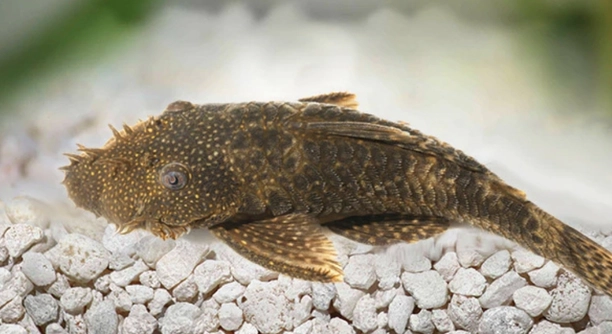
Plecos, also known as suckerfish, are known for their peaceful nature and algae-eating habits. They can grow quite large, with some species reaching lengths of up to 24 inches. While most plecos are friendly towards other tank mates, they do have specific needs when it comes to space and food. Their diet primarily consists of algae, but they may also eat wood and plant matter. This can sometimes cause issues if there is not enough natural food to keep them satisfied.
Because of their large size, plecos need enough space to roam around the tank. It’s important to have a tank that can comfortably accommodate their growth, ideally at least 50 gallons for an adult pleco. Without enough space, they can become stressed, which could negatively impact their behavior towards other fish.
If you’re keeping plecos with livebearers, be mindful of the pleco’s tendency to graze on plants. This can stress out your livebearers, especially if they’re sensitive to changes in their environment. To reduce these issues, provide plenty of hiding spots for your livebearers.
Livebearers: Characteristics to Consider
Livebearers, like guppies, mollies, and swordtails, are small fish that give birth to live young rather than laying eggs. These fish are typically peaceful and social, making them great choices for community tanks. However, their peaceful nature may sometimes cause them to be intimidated by larger or more active fish.
When introducing plecos to a tank with livebearers, keep in mind that plecos may unintentionally stress the livebearers due to their size and feeding habits. Some livebearers may also compete with plecos for space, as they prefer areas with plenty of plants to swim around. This is particularly important when considering which pleco species to choose.
Make sure to monitor the tank closely for signs of stress in your livebearers. If you notice them staying hidden or showing aggressive behaviors, it might be time to reevaluate your tank setup.
Creating a Balanced Tank
When setting up a tank with both plecos and livebearers, creating a balanced environment is essential. Consider providing plenty of plants for the livebearers to hide in and areas for plecos to graze. A mix of soft and hard plants can give livebearers the chance to stay away from the plecos while ensuring they don’t feel overwhelmed by their tank mates.
Adding driftwood can also help both species by mimicking the natural environment of plecos while providing additional hiding spaces for livebearers. Another important aspect to consider is water quality. Plecos are sensitive to water changes, so keeping the water clean and stable is vital. Regular water testing, along with proper filtration, will help keep the tank balanced and the fish healthy.
Finally, be sure to monitor the interactions between the two species. It may take time for them to adapt to each other, and occasional adjustments to the tank setup may be necessary to keep the peace.
Pleco and Livebearer Tank Compatibility
Compatibility between plecos and livebearers can be challenging due to their differing needs. Plecos prefer low-light environments with plenty of hiding spots, while livebearers tend to thrive in more brightly lit areas. Their interaction may become strained if their space or light requirements clash, making it essential to plan your tank carefully.
A good rule of thumb is to place plecos and livebearers in separate sections of the tank. Using plants, rocks, or decorations can create natural barriers to keep them apart. This setup provides each species with their preferred environment, reducing stress and territorial behavior. You can also add more plants to ensure that livebearers have places to hide and feel safe. However, if you have limited space, choose species of plecos and livebearers that naturally coexist well.
It’s also important to regularly observe the tank. Even with proper setup, there’s always the chance of tension between tank mates. Look for signs of aggression or stress, such as plecos being overly territorial or livebearers staying hidden. These signs may indicate that adjustments to the tank layout or species choices are needed.
Feeding Plecos and Livebearers Together
Feeding plecos and livebearers in the same tank requires balancing their different dietary needs. Plecos are mostly herbivores, eating algae and plant matter, while livebearers are omnivores, requiring a mix of protein and plant foods. This difference can lead to competition for food, particularly if you have a smaller tank.
To ensure each species gets what it needs, feed them separately. You can offer sinking algae wafers for the plecos, while livebearers can enjoy flakes or pellets. Make sure to add enough food for everyone without overcrowding the tank. It’s also a good idea to provide supplemental food for the plecos, like blanched vegetables, to prevent them from grazing on plants meant for livebearers. Monitoring feeding time ensures that both species are eating enough without overfeeding, which can cause water quality issues.
When keeping plecos with livebearers, avoid placing food in the same areas where the livebearers tend to hang out. This gives the plecos their own space to feed without causing anxiety for the smaller fish.
Tank Size for Plecos and Livebearers
Plecos and livebearers both require ample space to thrive, but their needs differ. Plecos need a tank of at least 50 gallons to accommodate their size and swimming needs, while livebearers can manage in smaller tanks, often 20 gallons or more.
However, when housing both species together, a larger tank is recommended. A 75-gallon tank or bigger will give them enough room to avoid territorial conflicts and reduce stress. The extra space allows each species to claim its own area without intruding on the other’s space, keeping both happy and healthy.
Water Quality and Temperature
Maintaining water quality is crucial for both plecos and livebearers. They both require clean, well-filtered water with stable parameters. Plecos are sensitive to poor water quality, so using a reliable filtration system is key. Regular water changes are important to keep the environment safe for all inhabitants.
Livebearers can tolerate a range of water conditions, but it’s still essential to keep the water parameters consistent. A temperature between 72°F to 78°F is ideal for both species. Check water hardness and pH regularly to prevent any shifts that could stress the fish.
Monitoring Behavior
Observing the behavior of both plecos and livebearers is crucial to ensure they coexist peacefully. While plecos are generally calm, their size and feeding habits may intimidate smaller livebearers. On the other hand, livebearers are often active and can be more territorial with each other.
Keep an eye on how they interact. If the pleco is consistently chasing or intimidating the livebearers, consider adding more hiding spots or rearranging the tank. Healthy behavior is a sign that your tank setup is working, so always remain vigilant.
FAQ
Can plecos live with guppies?
Yes, plecos can generally live with guppies, but their compatibility depends on the size of the pleco and the environment. Guppies are small and peaceful, and while plecos are also calm, larger plecos might unintentionally harm smaller fish like guppies. It’s best to keep smaller species of plecos with guppies to avoid any accidental harm. Additionally, ensure that the tank has plenty of plants and hiding spots so that guppies can stay safe and feel secure.
Can plecos eat livebearer fry?
Plecos can eat livebearer fry, especially if the fry are small enough for them to fit in their mouths. Plecos are opportunistic feeders, meaning they may eat anything they can find, including baby fish. However, this depends on the size of the pleco and whether it’s actively hunting for food. To protect fry, consider providing plenty of hiding spots for them to escape to, like plants, rocks, or breeding boxes, and use a tank divider to separate the adult plecos from the baby fish.
What size tank do plecos need?
Plecos require a minimum tank size of 50 gallons, but the larger the tank, the better. Since plecos can grow to quite large sizes, they need ample space to swim and explore. A bigger tank ensures they have enough room to move without feeling stressed. A 75-gallon tank or larger is ideal, especially when keeping plecos with other fish like livebearers. A larger tank also helps maintain better water quality and stability, making it easier to manage both the plecos and livebearers’ needs.
Can plecos live with other bottom dwellers?
Plecos can live with other bottom dwellers as long as they have enough space. Some bottom-dwelling fish might compete for the same territory or food, which could cause tension. Plecos are typically peaceful but can be territorial when it comes to their feeding areas. If you plan to keep multiple bottom dwellers, ensure that your tank is large enough to provide each fish with its own space and access to food. Avoid overcrowding and monitor for any signs of aggression.
What is the best diet for plecos when kept with livebearers?
Plecos are primarily herbivores, but when kept with livebearers, it’s important to provide a balanced diet. Algae wafers, fresh vegetables like zucchini or spinach, and driftwood are excellent for plecos. Avoid relying too heavily on food meant for livebearers, like flake or pellet food, as this can lead to nutritional imbalances. Providing a variety of foods ensures that both the plecos and livebearers get the nutrients they need while preventing competition for the same food.
Are plecos aggressive towards other fish?
Generally, plecos are peaceful fish, but their behavior can vary based on the species and tank conditions. While most plecos do not pose a threat to other fish, their size and feeding habits can make them appear more dominant. Larger plecos might push smaller fish out of their feeding areas, especially if there is not enough food or hiding space. It’s crucial to monitor their interactions with other fish, particularly with livebearers, and make sure there are plenty of places for both species to retreat to if needed.
Can livebearers live in the same water conditions as plecos?
Yes, livebearers and plecos can live in the same water conditions. Both species generally thrive in slightly alkaline water with a pH of 7.0 to 8.0. The temperature range for both is between 72°F to 78°F, making them compatible in that sense. However, plecos prefer clean, well-oxygenated water, so proper filtration is essential. Livebearers are a bit more adaptable to changes in water quality, but both species benefit from stable water conditions. Regular water changes and proper maintenance will help maintain a healthy environment for both types of fish.
Do plecos need a heater in the tank?
Plecos don’t necessarily need a heater if your tank’s temperature remains within the range they prefer, which is 72°F to 78°F. However, if you live in a cooler climate or have fluctuations in temperature, a heater is recommended to keep the water stable. A consistent temperature helps prevent stress, which can lead to health issues for plecos. Always check the water temperature with an accurate thermometer to ensure it stays within the ideal range for both plecos and livebearers.
How can I prevent plecos from eating livebearer plants?
If you want to prevent your plecos from eating livebearer plants, consider providing more wood, algae, or other food sources that plecos can graze on. Offering sinking algae wafers and fresh vegetables can help satisfy their hunger. It’s also a good idea to plant hardy, fast-growing plants that can tolerate some nibbling. Using floating plants or plants that are out of the pleco’s reach can also protect your livebearer plants from being eaten. Keeping the plecos well-fed with appropriate foods reduces the likelihood of them munching on your plants.
Can plecos survive without a filter?
Plecos can technically survive without a filter, but it’s not recommended. Without a filter, waste and excess food will build up quickly, leading to poor water quality, which can harm the pleco and other tank inhabitants. A filter helps maintain water circulation and removes harmful waste. If you don’t use a filter, regular water changes become even more crucial to keep the water clean and safe. If you’re considering a filter-free setup, ensure you monitor water quality closely and perform frequent maintenance.
Final Thoughts
When keeping plecos with livebearers, it’s important to create an environment where both species can thrive. The key is providing enough space, the right water conditions, and proper tank maintenance. A tank that is too small or lacks proper filtration can lead to stress for both the plecos and livebearers, causing health problems. Monitoring their interactions and behavior will also ensure that there are no territorial disputes or aggression. Both species benefit from a well-planted tank with hiding spots, which helps them feel secure and reduces potential conflicts.
While plecos can generally coexist with livebearers, it’s important to be mindful of the pleco’s size and feeding habits. Larger plecos might unintentionally harm smaller livebearers or consume fry. Choosing smaller pleco species and providing a tank with plenty of space will reduce these risks. Additionally, understanding the dietary needs of both species and offering a balanced variety of food can help prevent competition. Plecos are primarily herbivores, so their diet should consist of algae wafers, vegetables, and driftwood, while livebearers can enjoy a mix of flake food and live food. By catering to both species’ needs, you can maintain a peaceful, healthy tank environment.
In conclusion, keeping plecos with livebearers can be a rewarding experience if the right conditions are met. A larger tank, stable water parameters, and regular maintenance will create a peaceful and thriving environment for both species. Watching these fish interact in a balanced ecosystem can be very satisfying, and with careful attention to their needs, you can ensure their long-term health and well-being. As long as you are aware of the potential challenges and prepared to address them, you can successfully house plecos with livebearers in the same tank.

Hello,
If you enjoy the content that we create, please consider saying a "Thank You!" by leaving a tip.
Every little bit helps us continue crafting quality advice that supports the health, happiness, and well-being of pets around the world, for pets of all shapes, sizes, and species.
We really appreciate the kindness and support that you show us!