
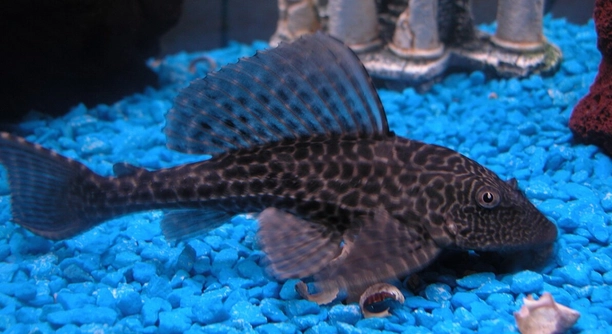
Having a pleco as a pet can be a rewarding experience, but certain situations can cause them unnecessary stress. Understanding what might trigger pleco panic is important for providing a calm and comfortable environment for them.
There are several triggers that can cause plecos to panic, such as sudden changes in water conditions, overcrowding, loud noises, or poor tank maintenance. Stress from these factors may lead to health problems, so addressing them is crucial.
By recognizing these potential triggers, you can avoid common mistakes that affect your pleco’s well-being. Keeping their environment stable is key to maintaining a happy and healthy fish.
Sudden Changes in Water Conditions
Plecos are sensitive to changes in water quality, which can cause stress and panic. If the pH, temperature, or hardness fluctuates too quickly, it can overwhelm them. For example, sudden temperature drops or spikes can make your pleco feel unsafe. This stress may lead to unusual behavior like hiding or staying in one spot. To prevent this, monitor your tank regularly and keep the water stable. Plecos thrive in steady environments, so keeping the water parameters within their preferred range is essential.
Water changes can also stress plecos if they’re too frequent or dramatic. Always make sure to adjust gradually, allowing them time to acclimate. Sudden shifts are one of the main causes of pleco panic, so being mindful of their environment is key.
Maintaining stable water conditions is not only about keeping the temperature and pH in check but also ensuring proper filtration. This helps to maintain clean, oxygen-rich water that plecos need to feel comfortable. A quality filter can prevent waste build-up, which could also stress your pleco. Regular water testing can save you a lot of trouble in the long run and keep your pleco happy.
Overcrowding in the Tank
Overcrowding is another major stressor for plecos. When there are too many fish in a tank, they can feel territorial and overwhelmed. Plecos, in particular, need space to roam and hide when they feel stressed. Without enough room, they might stop eating or become aggressive.
To avoid overcrowding, ensure you know the proper tank size for your pleco. A spacious tank encourages them to be more active and reduces their stress. Adding hiding spots like caves or driftwood also helps them feel secure. Having these options in the tank allows plecos to retreat when they need peace and quiet. Keeping the number of fish appropriate for the tank size will ensure your pleco stays calm and content.
Loud Noises or Vibrations
Plecos, like many fish, are sensitive to loud noises or vibrations around their tank. Sudden sounds, such as slamming doors or loud music, can easily startle them and cause stress. This might make them hide more often or become less active.
It’s essential to keep your pleco’s tank in a quiet area, away from heavy foot traffic or noisy appliances. These environmental factors can disrupt their peace, and over time, the constant stress may negatively impact their health. Even vibrations from nearby machinery or furniture can be unsettling for a pleco.
To minimize stress, avoid placing the tank near windows or in high-traffic areas. If you need to make noise, try to do so in a way that won’t disturb the tank environment. The quieter the surroundings, the more comfortable your pleco will feel, allowing them to thrive and stay calm.
Poor Tank Maintenance
Improper tank maintenance is one of the most common reasons why plecos can panic. A dirty tank with excess waste, algae, or old water can quickly create an unhealthy environment. This not only affects water quality but also creates stress for your pleco.
Regular water changes, cleaning the substrate, and maintaining the filter are crucial to keep the tank in good condition. Even a small build-up of waste can lead to poor water quality, which will stress out your pleco. Without proper care, harmful toxins can build up, making the water toxic.
If left unchecked, poor tank maintenance can lead to illness in your pleco, making them more susceptible to infections. Keeping the tank clean and maintaining good water flow ensures a healthy environment for your pleco to thrive.
Sudden Changes in Diet
Sudden changes in the pleco’s diet can cause panic or confusion. Plecos are creatures of habit, and switching their food too drastically can stress them out. It’s important to introduce new foods gradually.
If you want to add variety, try slowly mixing new food with their usual diet. This will help avoid upsetting their stomach or causing them to refuse food altogether. Plecos are less likely to feel anxious when they recognize the food they are eating, as sudden changes may seem threatening to them.
The key is patience when switching foods. Let your pleco adjust to the new items in small quantities over time. This ensures they stay comfortable and continue to eat properly without becoming stressed by unfamiliar meals.
High Water Temperature
Plecos can be quite sensitive to changes in water temperature. If the water is too warm or too cold, it can affect their behavior and health. Temperature extremes might cause plecos to hide or become sluggish.
It’s essential to keep the water temperature steady within a comfortable range for your pleco. Most species of plecos do well in temperatures between 72°F and 80°F. Avoid sudden fluctuations, as they can cause your pleco stress. A reliable aquarium heater and thermometer can help you maintain the ideal conditions for your fish.
Improper Tank Mates
Not all fish are suitable tank mates for plecos. If your pleco is housed with aggressive or territorial fish, they may become stressed or even harmed. It’s essential to choose compatible fish to ensure your pleco feels safe.
When selecting tank mates, always consider the size and temperament of the other species. Peaceful, non-aggressive fish are ideal companions for plecos. Overcrowding can also make things worse, so make sure your tank has enough space for everyone to coexist comfortably.
FAQ
What is the ideal water temperature for plecos?
The ideal water temperature for plecos generally ranges between 72°F and 80°F. Maintaining a steady temperature is crucial because sudden temperature changes can stress your pleco. To keep the water at the right level, use an aquarium heater and a thermometer. Avoid placing the tank in areas that may be affected by drafts or direct sunlight, as these can cause fluctuations in temperature.
How often should I feed my pleco?
Plecos typically need to be fed once a day, but some may prefer to graze on food throughout the day. Their diet should consist of a variety of vegetables, algae wafers, and occasional protein-based foods. Be sure not to overfeed, as uneaten food can deteriorate the water quality and cause stress. A good practice is to provide small amounts of food in the evening when plecos are most active.
Can I keep multiple plecos in the same tank?
You can keep multiple plecos in a tank, but it depends on the size of the tank and the type of pleco. Some plecos, especially the larger species, may become territorial. Overcrowding can lead to stress and aggression. Make sure the tank has enough hiding spots and space for each pleco. Generally, a 55-gallon tank or larger is ideal for keeping more than one pleco.
How do I know if my pleco is stressed?
Signs of stress in plecos include hiding more than usual, swimming erratically, or staying in one place for long periods. They may also refuse to eat, or their skin may become pale or dull. If you notice these changes, it’s important to assess the tank conditions, such as water quality, temperature, and tank mates. Stress can be a sign of environmental problems or poor health, so act quickly to address any issues.
What is the best way to introduce new fish to my pleco tank?
Introducing new fish into a pleco tank should be done gradually. Make sure the new fish are compatible with plecos. Before adding them to the tank, quarantine them for a few days to ensure they are healthy. When you’re ready to introduce the new fish, do so during a time when the pleco is not particularly active. Watch closely for any signs of aggression or stress from either the pleco or the new fish.
How often should I change the water in my pleco tank?
It’s recommended to change 20% to 25% of the water every 1-2 weeks. This helps maintain water quality and reduces the risk of harmful toxins building up. If your tank is heavily stocked or the water quality deteriorates quickly, more frequent water changes may be necessary. Always use a water conditioner to remove chlorine or chloramine from tap water before adding it to the tank.
Can plecos live with other bottom-dwelling fish?
Plecos can generally coexist with other bottom-dwelling fish, but care should be taken when selecting tank mates. Some plecos may be territorial, especially during feeding times, which could lead to conflict. Species such as corydoras catfish or peaceful shrimp are good companions for plecos. Avoid keeping them with aggressive bottom dwellers or fish that may outcompete them for food.
Do plecos need a lot of hiding spots?
Yes, plecos appreciate having hiding spots in their tanks. Providing caves, driftwood, or plants can make your pleco feel secure and less stressed. Hiding spots allow plecos to retreat when they feel threatened or need a break from the activity in the tank. This is especially important in community tanks or when they are housed with other more active or territorial fish.
Can plecos live in small tanks?
Plecos need a tank large enough to accommodate their size and active nature. While some smaller species of plecos may survive in tanks as small as 20 gallons, larger species like the common pleco need at least 55 gallons or more. Smaller tanks can cause stress and health problems due to poor water quality and lack of space. Always check the species requirements before choosing a tank size.
What are the common health problems plecos face?
Plecos are prone to several health problems, including skin parasites, fungal infections, and swim bladder disease. Stress, poor water quality, or poor diet can make plecos more susceptible to these conditions. Regular tank maintenance, a proper diet, and monitoring for signs of illness are essential. If you notice symptoms like abnormal swimming, skin lesions, or loss of appetite, it’s crucial to take action and address the issue as soon as possible.
Why is my pleco not eating?
There are several reasons why a pleco might refuse food, such as poor water quality, stress, or a change in diet. It’s important to check the tank’s environment first. If the water conditions are fine and the pleco is still not eating, consider whether the food you’re offering is appropriate. Plecos require a variety of foods, including algae wafers, vegetables, and occasional protein. Make sure the food is fresh and suitable for their needs.
How can I improve my pleco’s diet?
A balanced diet for your pleco includes a mix of algae-based food, vegetables like zucchini or spinach, and occasional protein such as shrimp or worm-based food. You can also supplement their diet with high-quality pellets or wafers specifically made for plecos. Try to avoid feeding them only one type of food, as variety is essential for their health. Make sure to clean any leftover food from the tank to prevent it from decomposing and affecting the water quality.
Final Thoughts
Taking care of a pleco is rewarding, but it requires attention to their specific needs to keep them happy and healthy. From monitoring water conditions to ensuring they have enough space and food, these small actions go a long way in preventing stress. Plecos are hardy fish, but like all creatures, they thrive in a stable and comfortable environment. By providing them with the right conditions, you not only ensure their well-being but also improve your experience as a pet owner.
Understanding what can trigger pleco panic is key to avoiding common mistakes that might affect their health. Things like sudden changes in water conditions, overcrowding, or loud noises can cause significant stress, leading to behavior changes or even illness. The more you know about their needs, the easier it becomes to prevent these issues. Regular water testing, proper tank maintenance, and carefully choosing compatible tank mates all contribute to creating a peaceful space for your pleco.
Ultimately, the goal is to make your pleco’s environment as comfortable as possible. Keeping their tank clean, maintaining stable water quality, and offering a varied diet are all simple steps that can prevent stress and promote happiness. With some care and attention, your pleco can live a long, healthy life. Remember, every little change or adjustment you make in their care routine helps them feel more secure, allowing them to thrive in your aquarium for years to come.

Hello,
If you enjoy the content that we create, please consider saying a "Thank You!" by leaving a tip.
Every little bit helps us continue crafting quality advice that supports the health, happiness, and well-being of pets around the world, for pets of all shapes, sizes, and species.
We really appreciate the kindness and support that you show us!