
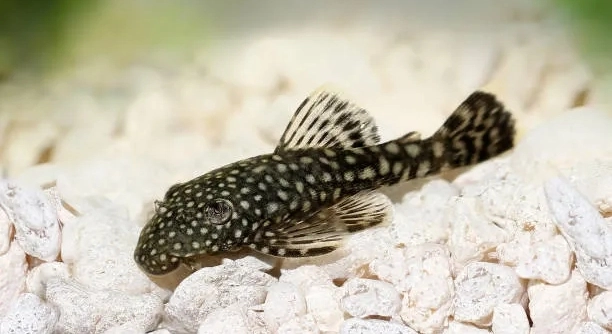
Plecos are popular aquarium fish known for their unique behaviors and physical traits. While they are generally easy to care for, new pet owners might notice some unusual habits that raise concerns. One such behavior is swimming upside down.
It is not uncommon for plecos to swim upside down, though it is often a sign of distress or a health issue. It could be caused by water quality problems, injury, or even an issue with their buoyancy.
Understanding why this happens and what it means can help ensure your pleco stays healthy. Identifying potential issues early can make a big difference in your fish’s well-being. Keep reading to learn more about this behavior and how to address it.
What Causes Plecos to Swim Upside Down?
There are several reasons why a pleco might swim upside down. One common cause is a problem with their swim bladder. The swim bladder helps control their buoyancy and keeps them upright in the water. If this organ is damaged or not functioning properly, it can cause the pleco to float upside down. Another possible cause is poor water quality, especially if the water has high levels of ammonia or nitrites. Fish in these conditions can become stressed, and unusual behaviors like swimming upside down can result. Other factors like injury or a poor diet may also contribute to this behavior.
If you notice your pleco swimming upside down, it’s essential to check the water quality. Regular water changes and monitoring the parameters (like pH, ammonia, nitrite, and nitrate levels) will help keep the environment healthy. If the water quality is poor, it’s crucial to fix it quickly, as prolonged exposure to bad water can lead to serious health problems for your fish.
Ensuring your pleco is well-fed with a balanced diet and not overfed is also important. Overfeeding can cause digestive issues, leading to swim bladder problems. Additionally, if the pleco has suffered an injury or infection, it may struggle with its buoyancy. These factors all affect the overall health of the fish and can cause them to swim in unusual positions.
How to Fix the Issue
If your pleco is swimming upside down, start by improving its water conditions. A simple water test can reveal if any changes need to be made. Make sure to clean the tank regularly to keep harmful toxins at bay.
To fix the problem, address the water quality immediately. If you find that the water is too polluted, do a partial water change and use a filter if needed. Ensuring the tank is free from toxic elements and adjusting the temperature to a comfortable level will also help.
Swim Bladder Problems
Swim bladder issues are one of the most common reasons for plecos to swim upside down. The swim bladder helps fish maintain their balance and control buoyancy. If it’s damaged or infected, the pleco may lose control of its position in the water. This can cause the fish to float upside down or struggle to stay upright.
To help a pleco with swim bladder issues, adjust the water temperature to a range that’s comfortable for them—usually between 74°F and 80°F. Also, ensure your pleco isn’t overfed, as too much food can put pressure on the swim bladder. Adding aquarium salt may help, but it should be used cautiously.
If swim bladder problems persist, you can try feeding your pleco peas or other foods that promote digestive health. Sometimes, the issue is related to constipation. A healthy digestive system can help the pleco return to normal swimming patterns.
Water Quality Concerns
Poor water quality is another major factor that can make plecos swim upside down. High levels of ammonia, nitrites, or nitrates can stress the fish and cause them to act erratically. This is often the case in new tanks or if regular maintenance isn’t followed.
Maintaining stable water quality is crucial for the health of your pleco. Regular water changes, testing for toxins, and proper filtration will help create a stable environment. Be sure to test the water weekly and use a good filtration system. If the water conditions are poor, your pleco could struggle with swimming and other behaviors.
In addition to keeping the water clean, make sure to remove any excess food or debris from the tank. This can help prevent an accumulation of harmful substances, which could otherwise affect the pleco’s health. Proper maintenance reduces stress and keeps the fish swimming properly.
Injuries or Infections
Injuries or infections can cause plecos to swim upside down. If a pleco has been hurt or has an internal infection, it may struggle with balance. This can affect their ability to swim properly. Injuries can occur if the fish gets caught in tank decorations or if it’s stressed.
To address injuries, inspect your pleco for any visible wounds. A salt bath can help heal minor injuries, but avoid harsh chemicals. If you suspect an infection, consider isolating the pleco in a hospital tank. A proper antibiotic treatment may be necessary if the infection is severe.
Overfeeding
Overfeeding can lead to swim bladder issues in plecos. When they consume too much food, it can cause digestive problems. The extra food can put pressure on the swim bladder, leading to buoyancy issues. Keeping feeding schedules controlled is essential to avoid this problem.
To prevent overfeeding, only provide the amount of food your pleco can eat in a few minutes. Remove any uneaten food after each feeding to maintain water quality. This ensures that your pleco’s digestive system remains healthy, preventing potential swim bladder problems and other issues.
Tank Size and Stress
The size of the tank plays a big role in your pleco’s well-being. If the tank is too small or overcrowded, the pleco may feel stressed. Stress can lead to erratic swimming and other health issues. Plecos need enough space to swim freely and stay healthy.
A larger tank provides the pleco with more room to move and reduces stress. If your pleco is in a small tank, consider upgrading to a larger one. A tank with plenty of hiding spots and clean water will keep your pleco comfortable and less likely to display unusual behaviors.
FAQ
Is it normal for plecos to swim upside down?
While it isn’t typical for plecos to swim upside down, it can happen. It often indicates a problem, such as an issue with the swim bladder, poor water quality, or injury. If your pleco is consistently swimming upside down, it’s important to investigate further to ensure the fish’s health.
How do I fix a pleco that’s swimming upside down?
The first step is to check the water quality. Test for ammonia, nitrites, and nitrates, and ensure the temperature is within the right range. If the water conditions are poor, do a water change and improve filtration. Next, examine the pleco for any visible injuries or signs of infection. If needed, adjust its diet and feeding schedule. Lastly, if the issue persists, consider isolating the pleco in a hospital tank for better care.
Can overfeeding cause a pleco to swim upside down?
Yes, overfeeding is a common cause of swim bladder issues in plecos. Excess food can lead to digestive problems, which in turn can affect their buoyancy. Plecos are bottom feeders, so they may take longer to consume their food. If they eat too much in one sitting, it can put pressure on their swim bladder and cause them to swim in abnormal positions.
How can I prevent overfeeding my pleco?
To avoid overfeeding, only offer your pleco food that it can consume in about 5-10 minutes. Remove any uneaten food after this time to prevent water contamination. Plecos usually do well with a varied diet, but moderation is key to prevent excessive feeding that could lead to health issues.
Can poor water quality cause my pleco to swim upside down?
Yes, poor water quality can stress plecos and lead to abnormal behavior, including swimming upside down. High levels of ammonia, nitrites, or nitrates can cause discomfort and even damage to your pleco’s internal organs, including the swim bladder. Regular water testing and frequent water changes will help ensure your pleco’s environment stays healthy.
How often should I change the water in my pleco’s tank?
Water changes should be done regularly to maintain a healthy environment for your pleco. It’s typically recommended to change 20-30% of the water every 1-2 weeks, depending on the tank size and filtration system. In tanks with higher fish density or if the water quality declines, more frequent changes may be necessary.
Do plecos need special food to stay healthy?
Yes, plecos require a varied diet to stay healthy. They’re primarily herbivores and benefit from sinking algae wafers, vegetables like zucchini, cucumbers, and peas, and occasional protein like shrimp. A well-balanced diet promotes proper digestion and can help prevent swim bladder problems caused by overfeeding or lack of proper nutrients.
Can an injury cause a pleco to swim upside down?
Injuries can definitely affect a pleco’s swimming ability. If the fish is injured, especially around the head or body, it may lose control of its buoyancy. Physical injuries can be caused by sharp decorations, aggressive tankmates, or even sudden changes in water conditions. Careful inspection for any wounds or signs of infection should be done if your pleco starts swimming upside down.
What temperature should my pleco’s tank be to keep it healthy?
Plecos typically prefer water temperatures between 74°F and 80°F (23°C to 27°C). Keeping the water in this range will help maintain their overall health and reduce stress. If the temperature fluctuates too much, it could lead to weakened immunity and more frequent health problems, including abnormal swimming behavior.
Can plecos swim upside down due to stress?
Yes, stress can cause plecos to swim upside down. Stressors like poor water quality, overcrowding, aggressive tankmates, or inadequate tank space can all lead to unusual behaviors, including swimming upside down. Ensuring your pleco has a stress-free environment with stable water parameters and sufficient space is important for preventing these behaviors.
How can I reduce stress for my pleco?
To reduce stress, make sure your pleco has a proper-sized tank with enough hiding spots. Keep the water quality stable with regular water changes, proper filtration, and monitoring of ammonia and nitrite levels. Additionally, avoid keeping aggressive fish that could bully your pleco, and maintain a consistent light cycle to avoid disturbing your fish.
Can a pleco recover from swimming upside down?
In many cases, yes. If the issue causing the upside-down swimming is addressed (such as poor water quality, overfeeding, or an injury), plecos can recover. However, if the problem persists or worsens, it may indicate a more serious underlying health issue that requires more focused care, like antibiotic treatment or veterinary intervention.
Should I separate a pleco that swims upside down from other fish?
If your pleco is swimming upside down due to a potential illness or stress, it’s a good idea to separate it from other fish. This will prevent any aggressive interactions and allow you to provide the pleco with a quieter, less stressful environment. It also gives you a chance to monitor its recovery more closely.
Is it possible to prevent swim bladder problems in plecos?
Yes, swim bladder problems can often be prevented by maintaining good water quality, avoiding overfeeding, and ensuring a proper diet. Regular tank maintenance, monitoring water parameters, and being cautious about sudden changes in the tank environment will help prevent most issues that could affect the swim bladder.
Final Thoughts
In most cases, when a pleco is swimming upside down, it is a sign that something isn’t right. Whether it’s an issue with the swim bladder, poor water quality, an injury, or overfeeding, this behavior usually means that your pleco is experiencing some kind of stress or health problem. It’s important to pay attention to the environment your pleco is living in, as well as its overall condition. By identifying the root cause of the problem early, you can make the necessary changes to help your pleco feel better and prevent further complications.
The first step in addressing upside-down swimming is to check the water quality. Poor water conditions can lead to stress, which may result in abnormal swimming behavior. Regular testing for ammonia, nitrites, and nitrates is essential to maintaining a healthy tank. If your pleco’s environment isn’t up to standard, be sure to perform a water change and adjust the filtration system as needed. The right water parameters, combined with a stable temperature, will go a long way in supporting your pleco’s well-being.
Other factors like overfeeding, injury, or an infection should also be considered. Overfeeding is a common cause of swim bladder problems, so it’s essential to stick to a feeding schedule and avoid excessive portions. Checking your pleco for any signs of injury or illness will help you determine if there’s an underlying health issue. In some cases, isolating the pleco in a hospital tank may be necessary for recovery. Addressing these issues quickly can make a significant difference in your pleco’s health and prevent any long-term damage.

Hello,
If you enjoy the content that we create, please consider saying a "Thank You!" by leaving a tip.
Every little bit helps us continue crafting quality advice that supports the health, happiness, and well-being of pets around the world, for pets of all shapes, sizes, and species.
We really appreciate the kindness and support that you show us!