
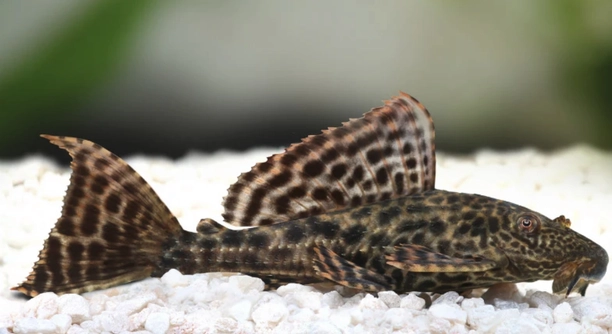
Many fishkeepers love adding plecos to their aquariums due to their peaceful nature and helpful algae-eating habits. However, it’s important to make sure their environment is suitable for their needs. The right tank design can make a big difference in their comfort and happiness.
Plecos thrive in tanks that mimic their natural habitat, offering plenty of hiding spaces, soft substrate, and areas for grazing. Designs that incorporate rocks, driftwood, and plants can create the perfect environment for these fish to explore and feel secure.
A few key changes to your tank setup can lead to a healthier, more enjoyable life for your plecos. These simple modifications can enhance their well-being, so let’s take a closer look at the best tank designs they will instantly love.
Hiding Spots: Plecos Love to Hide
Plecos are shy creatures that appreciate a place to retreat when they feel stressed or threatened. Providing a tank with plenty of hiding spots helps them feel safe. This can include caves, rock formations, and driftwood arranged in a way that creates small, dark corners. Plecos are naturally drawn to these spots, as they mimic the rocky crevices and overhanging branches they find in their native environments.
A well-designed hiding spot also reduces stress, encouraging the pleco to be more active and engaged in the tank. It gives them a safe space to retreat when needed, and it may even encourage them to feed more regularly, knowing they can always escape to safety afterward. Adding plants around the hiding spots can make them feel even more secure.
Creating a balance between open space for swimming and hidden nooks for resting is important. This setup supports the pleco’s need for both comfort and exploration. By adding these elements, your plecos will thrive and display natural behaviors, enhancing the tank’s overall appeal.
Driftwood: A Natural Favorite
Driftwood adds texture and security to the tank, offering plecos the ideal surface to graze and hide.
Plecos love driftwood because it provides a surface where they can scrape algae off and satisfy their feeding habits. In nature, they often forage on decaying wood, which is why it’s a preferred element in their tanks. Driftwood also plays an essential role in helping to lower the pH of the water, creating conditions more suited to plecos. Its appearance and functionality both enhance the aquarium’s visual appeal and pleco-friendly qualities.
By carefully selecting pieces of driftwood that are free of sharp edges, you can avoid injury to your plecos while maintaining a beautiful aquarium. The wood should be placed in areas that allow easy access for grazing, as well as offering enough hiding places. When combined with live plants and other decorations, driftwood can create an environment that feels natural and inviting for plecos. Over time, you may even notice them attaching to the wood, showing their comfort and attachment to the space you’ve created.
Soft Substrate: Plecos Prefer Soft Surfaces
Plecos enjoy tanks with soft substrates like sand or fine gravel. This is because their delicate barbels can be easily injured when moving through rough materials. A soft substrate allows them to burrow and explore naturally without discomfort.
A sandy substrate also helps maintain water quality by promoting better filtration. It prevents waste from getting trapped in crevices, ensuring that the tank remains clean. Plecos spend a lot of time near the bottom, so providing them with a substrate that feels comfortable under their fins is key to their happiness.
When setting up the tank, consider the type of sand you use. Choose a substrate that doesn’t compact too much and allows beneficial bacteria to thrive. It’s also a good idea to regularly stir the sand to prevent it from becoming anaerobic. A soft substrate contributes to a natural and healthy environment for your plecos to thrive in.
Live Plants: Adding Beauty and Function
Adding live plants to a pleco tank enhances the aesthetics while providing numerous benefits for both the tank environment and the fish.
Plecos enjoy the extra cover live plants provide, which offers additional hiding spots and grazing opportunities. Plants like java fern or anubias are easy to care for and grow well in pleco tanks. These plants also help with water filtration by absorbing excess nutrients, contributing to cleaner water.
Live plants give plecos a natural space to explore and graze, mimicking the environments they would naturally encounter in the wild. They can find algae on leaves to nibble on, keeping their diet varied and healthy. Plants also contribute to the stability of the tank by helping to maintain a proper balance of nutrients in the water. With the right plants, your plecos will feel more secure and enjoy a more stimulating habitat.
Water Flow: Moderate is Best for Plecos
Plecos prefer moderate water flow. Too strong of a current can stress them out, while too little flow can lead to stagnant conditions, which they don’t like. A gentle filtration system will keep them comfortable while also ensuring the tank stays clean.
Setting up a filter with adjustable flow can help maintain the right balance. Plecos are happiest in water that moves slowly, allowing them to easily navigate their environment without fighting against a strong current. A moderate flow ensures that the tank stays oxygenated and clean, helping plecos thrive.
Temperature: Stability is Key
Plecos prefer a stable water temperature between 75°F and 80°F (24°C – 27°C). Keeping the tank at a consistent temperature helps them stay healthy and reduces stress.
Sudden temperature fluctuations can cause discomfort and health problems. Installing a reliable heater and checking the temperature regularly can prevent any issues. Plecos thrive in warm, stable conditions, so maintaining the right temperature is important for their well-being.
Lighting: Low to Moderate
Plecos prefer low to moderate lighting. Bright lights can stress them out, and they generally like a more subdued environment.
Soft, natural lighting or dim tank lights will make your plecos feel more at ease. Too much light can discourage them from coming out, while softer lighting helps them feel secure and encourages natural behaviors like grazing and exploring.
FAQ
What size tank do plecos need?
Plecos require plenty of space to swim and explore. For most common pleco species, a minimum of a 30-gallon tank is recommended for one fish. However, as plecos grow, they may need larger tanks. Some species, like the common pleco, can reach up to 24 inches in length, requiring 75 gallons or more.
The tank size will also depend on the number of plecos you plan to keep. Adding more fish to the tank will require extra space to avoid overcrowding, which can lead to stress and water quality issues. When choosing a tank, consider not only the plecos’ size but also their behavior. Plecos are bottom dwellers, so a longer, wider tank will provide them more room to explore and feel comfortable.
How often should I feed my pleco?
Plecos are mostly nocturnal and prefer to eat at night, so it’s best to feed them in the evening. They’re primarily algae eaters, but their diet should be varied to include sinking pellets, fresh vegetables like zucchini or cucumber, and occasional protein-based foods like shrimp.
Generally, plecos should be fed once a day. However, overfeeding can lead to water quality problems, so it’s important to monitor how much food is left in the tank after feeding. If there’s excess food, reduce the amount next time. It’s better to offer small portions and observe if your pleco finishes it. Some plecos may also feed on algae naturally growing in the tank, which can help reduce the amount of supplemental food needed.
Can plecos live with other fish?
Yes, plecos are peaceful fish and generally get along with other tank mates. However, it’s important to choose compatible species. Avoid housing plecos with overly aggressive fish that might stress them. Ideal companions include peaceful species like tetras, gouramis, and danios.
Some plecos, like the common pleco, can become territorial as they grow larger. In such cases, it’s better to keep them with fish that can handle their size. Make sure there are plenty of hiding spaces and territories to avoid any conflict. Always keep an eye on how your pleco interacts with other fish, especially during feeding time, as plecos may compete for food.
Do plecos need a filter?
Yes, plecos are messy eaters, and having a good filter is essential to maintaining water quality. Plecos produce a lot of waste, which can quickly degrade water conditions without proper filtration. A filter helps remove excess nutrients and debris from the water, ensuring a healthier environment for your pleco.
It’s important to choose a filter that suits the size of your tank and the flow preference of your pleco. Plecos like calm water, so it’s essential to ensure the filter isn’t causing too much current. A sponge filter or an adjustable filter with a low flow setting is ideal for plecos. Regular water changes should also be done to help maintain optimal water conditions.
What do plecos do during the day?
Since plecos are nocturnal, they tend to stay hidden during the day. They may rest in caves, under driftwood, or behind plants to feel safe. Plecos are more active at night, coming out to feed on algae and explore the tank.
During the day, you might not see your pleco much, but rest assured, they’re still active in their own way. It’s perfectly normal for them to stay hidden until the lights go down. Adding plenty of hiding spaces helps ensure they feel secure, encouraging natural behaviors when they come out at night.
How long do plecos live?
Plecos can live quite a long time if cared for properly. On average, plecos live around 10 to 15 years, though some species can live even longer. Proper tank maintenance, a suitable diet, and stable water conditions will help maximize their lifespan.
As plecos age, they may grow quite large, so be prepared for this when keeping them for the long term. Keeping track of their health and making adjustments to the tank as needed can help your pleco live a long and healthy life.
Do plecos need to be in groups?
Most plecos do not need to be kept in groups, as they are solitary by nature. However, some species may benefit from the presence of others of their kind. It’s important to consider the species of pleco when deciding whether to keep them in groups.
For instance, the bristlenose pleco is more social and can do well in groups, while other species, like the common pleco, may prefer being the only one in the tank. If you do keep multiple plecos, ensure there’s enough space and hiding spots to reduce territorial behavior.
Final Thoughts
Creating the ideal tank for plecos doesn’t have to be complicated. By paying attention to a few key elements like tank size, water conditions, and tank mates, you can easily provide a comfortable environment for your plecos. The right setup will allow your plecos to thrive, offering them a space where they feel safe, secure, and active.
Plecos are relatively low-maintenance fish, but they still require specific care to ensure they remain healthy. It’s important to choose a tank that is large enough to accommodate their growth. Additionally, incorporating natural elements like driftwood, soft substrate, and live plants can help create a more natural and enjoyable environment for them. With these simple adjustments, your plecos will feel at home in no time.
Ultimately, every pleco is unique, and understanding their individual needs is key to their well-being. While they are peaceful creatures, they do best in a tank that mimics their natural habitat. With the right care, your plecos will not only survive but thrive, contributing to the overall beauty and balance of your aquarium.

Hello,
If you enjoy the content that we create, please consider saying a "Thank You!" by leaving a tip.
Every little bit helps us continue crafting quality advice that supports the health, happiness, and well-being of pets around the world, for pets of all shapes, sizes, and species.
We really appreciate the kindness and support that you show us!