
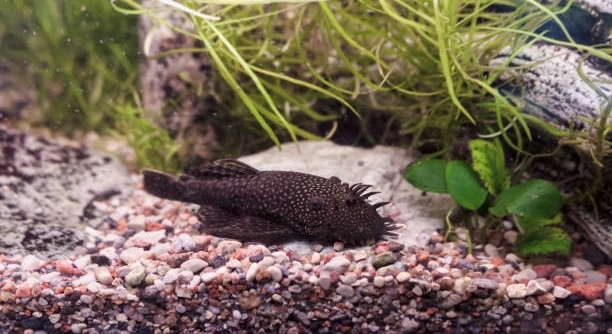
Plecostomus, also known as plecos, are popular aquarium fish. Their fascinating behavior and unique appearance make them a favorite among fish owners. Understanding their breeding signs can help ensure their health and successful reproduction.
Breeding signs in plecostomus include physical and behavioral changes. Males typically become more territorial, showing increased aggression. Females, on the other hand, may develop a rounder body shape as they prepare to lay eggs. Both genders exhibit distinct courtship behavior.
Recognizing these signs early will give you the chance to create the perfect environment for your plecos to thrive. You’ll also learn how to manage their breeding process effectively.
Changes in Male Plecostomus
Male plecos often display visible changes when preparing for breeding. Their bodies may become more robust, and they develop larger, more pronounced odontodes (small spines on the head and body). These spines are used to establish dominance and attract females. Males will also become increasingly territorial during this time, often chasing away other fish. This behavior is not necessarily aggressive, but it serves as a signal to other males that the space is claimed. Male plecos also engage in more frequent swimming patterns and may build nesting sites in hollowed logs or caves. These physical and behavioral changes are essential for successful reproduction.
Male plecos will often guard their territory aggressively, especially when females are near. Their physical changes make them stand out from other males.
Breeding success in male plecos depends on their ability to attract and defend a female. They will build a nest in a cave or a dark, quiet area of the tank. The male’s role is to ensure the nest remains free of disturbances. During courtship, he will show off his nesting site to the female, often leading her to it with his movements. Once the female enters, the male will stay close, protecting her from other fish. This behavior can last for several days, ensuring the female feels secure before laying her eggs.
Physical Changes in Female Plecostomus
Female plecos also undergo noticeable changes when they’re ready to breed. They become fuller in appearance, especially around their abdomen, due to the developing eggs inside. During this time, females may appear rounder or more swollen. Their behavior changes too—while males become more aggressive, females tend to be more passive and less social. They spend more time near the male’s nest, which is a strong indication they are ready to spawn.
The female’s rounder appearance is a key indicator of readiness for breeding. She will often approach the male’s nest, showing interest.
The female pleco’s physical changes are linked to her reproductive cycle. The increase in size is due to the eggs she is carrying. Once she has chosen a male and a nesting site, the mating ritual begins. The female will enter the male’s nest, where the male will fertilize the eggs as she lays them. After the eggs are laid, the female may leave the nest, while the male stays behind to guard the eggs until they hatch. This process can take several days, with the male continuing to protect the eggs from other fish and ensuring they stay in optimal conditions for hatching. As the eggs hatch, the male may provide further care until the young plecos are ready to swim on their own.
Male Plecostomus Behavior
Male plecos become highly territorial during the breeding period. They often chase away other males to protect their nesting sites. This behavior is key to securing a place for mating and ensuring their genes are passed on.
During the breeding season, male plecos can become aggressive, especially if other males invade their territory. They will often fight for dominance, showing off their size and physical attributes. This aggression is not out of malice but part of a natural selection process. A male’s ability to defend his space makes him more attractive to females. In addition to territorial aggression, males will use their spines to physically defend their nests from intruders, including other fish. When courting a female, males will swim around her to entice her into the nest. They rely on these behaviors to display their strength and breeding readiness.
Male plecos also exhibit a unique form of courtship. They will attract the female to their nesting site by swimming around her in circles. This behavior showcases their fitness as potential mates. Once the female is near, the male will lead her to the nest, showing off the space he has prepared for her. By demonstrating his ability to build and guard a suitable nesting site, the male increases his chances of successful breeding.
Female Plecostomus Behavior
Female plecos often play a more passive role in the breeding process. They may not show aggressive behavior but will seek out a safe, well-prepared nest for laying eggs. Females look for males with the most suitable nesting sites.
Once a female has selected a male and his nest, she will enter it and begin laying eggs. The male then fertilizes the eggs. This process is quick but crucial, as it ensures the survival of the offspring. After laying the eggs, the female will typically leave the nest, as her role in the breeding process ends.
After the female leaves, the male takes full responsibility for guarding the eggs. He remains in the nest to protect the developing eggs from any potential threats. Males are extremely diligent, keeping watch over the eggs until they hatch. The success of the breeding process depends heavily on the male’s ability to safeguard the eggs and maintain optimal conditions for their development. The female’s role in the process may seem minimal, but without her selection of the right mate and nest, the entire breeding process would fail.
Physical Changes in Male Plecostomus
Male plecos show visible physical changes when they’re ready to breed. These changes include the development of larger odontodes, or spines, which grow along their bodies and head. The size of these spines helps males display dominance to other fish.
The presence of these spines signals the male’s readiness to attract a mate. During the breeding season, the spines become more pronounced, making it easier to distinguish males from females. This physical trait not only helps in territorial defense but also plays a role in courtship rituals. The male will use these spines to protect his nest and fend off other males.
Female Plecostomus Physical Changes
Females also experience physical changes, mostly related to egg development. Their bodies become rounder as they carry eggs, and this can be a clear sign they are ready to breed. A noticeable swelling around their abdomen is common.
Females will appear fuller, which signals to males that they are in the breeding cycle. This rounder shape makes it easier to identify them, especially when males are actively courting. The physical changes in females are a natural part of reproduction and serve to attract the attention of males. With their increased size, females are ready to lay eggs once they find a suitable nesting site.
Preparing for Spawning
To encourage successful spawning, plecos need a suitable environment. Proper water conditions, like temperature and pH, play a crucial role. Keeping the aquarium clean and providing plenty of hiding spots will help create the right atmosphere for breeding.
In a well-maintained aquarium, plecos are more likely to feel safe and comfortable. Males will actively search for a quiet, secure place to build their nests, often using caves or other hidden areas. Ensuring these spots are available will help encourage the breeding process. Clean water, proper filtration, and a stable environment will give both the male and female the best chance to breed successfully.
FAQ
How can I tell when my plecostomus is ready to breed?
The easiest way to tell when your plecostomus is ready to breed is by observing both physical and behavioral changes. Males will become more aggressive and territorial, while females will appear fuller, especially around their abdomen, as they carry eggs. The males also develop larger spines, known as odontodes, on their bodies and heads. This physical change helps them display dominance and attract females. If you notice these signs, your plecos may be preparing to spawn.
What should I do to encourage plecostomus breeding?
To encourage breeding, ensure your plecos have a suitable environment. This means maintaining the right water temperature (typically between 75°F to 80°F), a stable pH (around 6.5 to 7.5), and clean water with proper filtration. Providing caves or hiding spots is essential since plecos prefer secluded, quiet places for nesting. Keeping the aquarium free of disturbances will help your plecos feel comfortable and secure. Once these factors are in place, they’ll be more likely to breed.
Can plecostomus breed in a community tank?
Plecostomus can breed in a community tank, but it depends on the other inhabitants. If there are aggressive or overly active fish, it may stress the plecos and prevent successful breeding. It’s important to ensure that the community tank isn’t too crowded or disruptive. Having hiding spots or caves for plecos to retreat to can help protect the breeding pair. Keep the water conditions stable and stress levels low to support breeding in a community setting.
How long does plecostomus breeding take?
The entire breeding process can take several days to a few weeks. Once a male attracts a female and she lays her eggs, he fertilizes them immediately. After fertilization, the male guards the eggs for up to 10 days until they hatch. Once the eggs hatch, the male continues to protect and care for the fry for a few more days. The time from the initial courtship to the fry becoming independent can vary, but it typically lasts 1 to 2 weeks.
How do I know if my plecos are successfully breeding?
Successful breeding is marked by the appearance of fertilized eggs in the nest. The male pleco guards the eggs, and if you notice him staying close to the nest, this is a sign the breeding process has begun. After a few days, you’ll see the eggs start to hatch. Newly hatched fry will be visible in the nest, usually still attached to the eggs for nutrition. Once they are free-swimming, the breeding process has been successfully completed.
What do I do if my plecostomus aren’t breeding?
If your plecos aren’t breeding, it could be due to water quality, diet, or environmental conditions. Make sure your tank has clean water with stable temperature and pH levels. Sometimes plecos may need a change in diet, such as additional protein or live food. Ensure there are enough caves or hiding spots for them to build nests. If breeding still doesn’t happen, try separating the pair to a smaller, quieter tank to reduce stress and encourage natural behaviors.
What should I feed plecostomus during breeding?
During breeding, plecostomus should be fed a balanced diet that supports their energy needs. Offer sinking pellets, algae wafers, and fresh vegetables like zucchini and cucumber. Protein-rich foods like brine shrimp or bloodworms can help boost their strength and health, promoting better breeding chances. Feed them small amounts twice a day to prevent overfeeding, and make sure the food doesn’t pollute the water.
How long will plecostomus eggs take to hatch?
Plecostomus eggs typically hatch in 5 to 10 days, depending on the water temperature and other environmental factors. Warmer water temperatures can speed up the hatching process, while cooler temperatures may slow it down. The male pleco stays near the eggs, ensuring they’re safe and clean until they hatch. Once the eggs hatch, the male continues to guard the fry as they develop.
Can plecostomus breed more than once a year?
Yes, plecostomus can breed multiple times throughout the year, especially in ideal conditions. However, the frequency of breeding depends on various factors, such as the environment, water conditions, and availability of food. Ensuring your plecos have a consistent and comfortable environment will encourage them to breed more often. With proper care, they can breed several times a year.
What are some common issues when breeding plecostomus?
Some common issues include poor water quality, which can stress the plecos and hinder their ability to breed. Overcrowding or incompatible tank mates can also cause stress. Another issue is if the plecos don’t have a suitable nesting area, as males need quiet, secure spots to attract females. Additionally, if the diet isn’t balanced or the plecos are too young, they might not breed successfully.
Final Thoughts
Breeding plecostomus can be a rewarding experience, but it requires careful attention to detail. Male and female plecos show distinct signs when they’re ready to breed, such as physical changes and specific behaviors. Males become more territorial and develop larger spines, while females become rounder due to the eggs they carry. These changes are natural and part of the plecos’ reproductive cycle. By understanding these signs, you can help create a more suitable environment for them to breed successfully.
It’s important to maintain the right conditions in your aquarium for breeding to occur. Proper water temperature, pH levels, and clean water are essential. Providing hiding spots or caves for the plecos will also encourage them to build nests, which are crucial for the breeding process. Reducing stress in the tank by keeping it peaceful and free from aggressive or overcrowded fish will help your plecos feel secure enough to breed. A balanced diet, with added protein and vegetables, supports their overall health and breeding readiness. Ensuring that your plecos have the space and resources they need will give you the best chance for successful reproduction.
While the breeding process may take some time and patience, with the right environment, plecostomus can reproduce multiple times a year. However, if breeding doesn’t happen right away, don’t be discouraged. It can take some trial and error to find the perfect setup that works for your fish. If problems arise, check water quality, adjust food, or provide additional privacy for the breeding pair. With time and care, you’ll be able to enjoy watching new pleco fry grow in your tank.

Hello,
If you enjoy the content that we create, please consider saying a "Thank You!" by leaving a tip.
Every little bit helps us continue crafting quality advice that supports the health, happiness, and well-being of pets around the world, for pets of all shapes, sizes, and species.
We really appreciate the kindness and support that you show us!