
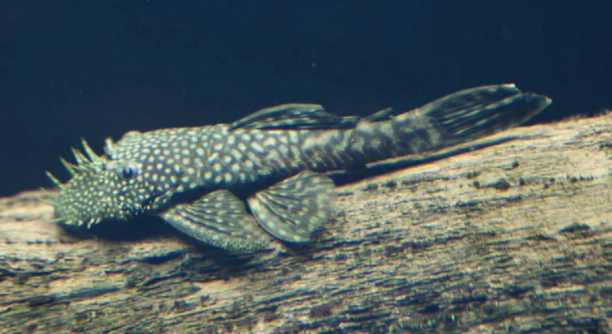
Plecos are fascinating fish, known for their ability to adapt to various tank conditions. However, their response to routine changes can vary. This article explores how plecos handle shifts in their environment and routines.
Plecos are adaptable creatures, but frequent or drastic changes in their routine may cause stress. They generally thrive in stable environments, and sudden alterations can impact their behavior, health, and overall well-being.
Understanding their response to routine changes can help maintain a healthy environment for them.
How Routine Changes Impact Plecos
Plecos are generally adaptable to changes in their environment, but too much disruption can lead to stress. For instance, if their feeding schedule is altered or the water temperature fluctuates too often, they may become anxious. This can result in them hiding more often, losing their appetite, or even exhibiting unusual behaviors. Maintaining a consistent routine is crucial for their well-being. They do better when their environment remains predictable and stable.
It’s important to observe their reactions closely when changes are made. A slight shift in the tank setup can make them feel uneasy, affecting their health over time.
A stable routine helps plecos thrive. For example, keeping their feeding time the same and ensuring the water quality stays consistent are simple ways to maintain this routine. Changes should be made gradually to avoid overwhelming them. A slow transition gives them time to adjust. Sudden alterations in their environment can lead to prolonged stress, which weakens their immune system and can lead to health issues.
Managing Routine Shifts for Your Pleco
Making minor adjustments is the key to managing changes effectively.
When changing their routine, start by making small, gradual modifications. Introduce new foods or adjust the tank temperature slowly, giving your pleco time to adapt. Over time, they will learn to handle minor changes without distress. It’s essential not to rush this process.
Ensuring consistency with key aspects like feeding times, water temperature, and tank placement makes plecos feel secure. When they are comfortable, they are less likely to show signs of stress. In addition to these factors, regular water changes are also important. Keeping the tank clean and the water parameters stable reduces the need for frequent adjustments. These steps will help minimize the negative effects of routine changes, keeping your pleco in a calm, healthy state.
Effects of Frequent Water Changes on Plecos
Frequent water changes can disrupt a pleco’s environment, making it harder for them to adjust. While clean water is essential, constant changes in the water quality can stress them out.
Plecos rely on stable water conditions for comfort. Frequent shifts in water chemistry, such as changes in pH or hardness, can make them feel threatened. They may become more reclusive or refuse to eat. Even minor changes, if done too often, can negatively affect their immune system. It’s essential to balance cleanliness with stability.
To avoid stressing your pleco, maintain a regular water change schedule rather than making adjustments frequently. Ensure that the new water matches the previous conditions in terms of temperature and chemistry. This allows them to adapt without experiencing any shock. Consistency is key to keeping them healthy and happy in their environment.
Feeding Routines and Pleco Health
Feeding routines have a significant impact on pleco health. They are more likely to eat and thrive when fed at consistent times.
Changes in their feeding schedule can lead to stress or loss of appetite. Plecos are nocturnal feeders, so they may not respond well to changes in the timing of their meals. Maintaining a regular feeding schedule is important to keep them healthy. Additionally, offering a variety of foods at set times ensures they get the nutrients they need. If you notice any changes in their eating habits, it’s a sign to reevaluate their feeding routine.
It’s also important to avoid overfeeding or underfeeding, which can be triggered by irregular feeding times. Overfeeding can lead to poor water quality, while underfeeding can cause malnutrition. A predictable feeding schedule that meets their dietary needs helps avoid these problems, promoting their overall well-being.
Plecos and Tank Decorations
Changes in tank decorations can be unsettling for plecos. They use these structures for hiding, resting, and foraging, so sudden alterations can cause stress.
Moving or adding new decorations frequently can disrupt their sense of security. Plecos may become more cautious or hide more often. It’s best to keep the tank setup stable, ensuring the pleco always has familiar spots to retreat to. Gradual changes are easier for them to adapt to, minimizing any stress.
Lighting and Pleco Behavior
Lighting plays a key role in pleco behavior. They are more active at night and prefer dim lighting during the day.
Adjusting the light intensity or duration too much can affect their natural rhythm. Plecos thrive under consistent lighting patterns, which help regulate their feeding and resting habits. Providing them with a day-night cycle that mirrors natural conditions ensures they remain comfortable and secure in their environment.
The Importance of Water Temperature
Water temperature is crucial to pleco health. Too much fluctuation in temperature can make them uncomfortable or stressed.
Maintaining a steady water temperature helps plecos feel secure. Temperature swings, whether due to equipment failure or frequent water changes, can affect their digestion and overall behavior. It’s essential to use a reliable heater to keep temperatures consistent, ensuring they remain within the optimal range for the species.
FAQ
Do plecos get stressed from changes in their environment?
Yes, plecos can get stressed from sudden changes in their environment. They are sensitive to alterations in water parameters, tank decorations, and even feeding routines. The best approach is to make gradual changes, allowing them to adjust slowly to new conditions. Frequent or drastic shifts can lead to anxiety, causing them to hide more, stop eating, or exhibit abnormal behavior.
How often should I change the water for my pleco?
Water changes should be done regularly, but not too frequently. A 25-30% water change every one to two weeks is recommended, depending on tank size and filtration. Too many water changes can stress plecos and disrupt the stability of the water conditions. Consistency is more important than frequency when maintaining a healthy tank environment.
Can plecos tolerate fluctuations in water temperature?
Plecos are sensitive to temperature fluctuations. They prefer stable water temperatures and sudden changes can cause stress or health issues. It’s essential to maintain a consistent temperature range between 74°F and 80°F (23°C – 27°C). Use a reliable aquarium heater to keep the water temperature stable, and avoid rapid temperature changes.
What type of food should I feed my pleco?
Plecos are primarily herbivores, but some species may also eat small amounts of protein. Their diet should include algae wafers, blanched vegetables (like zucchini, cucumber, or spinach), and occasional protein sources like shrimp or sinking pellets. It’s important to feed them a variety of foods to ensure they get the nutrients they need.
How can I tell if my pleco is stressed?
A stressed pleco may show signs such as hiding more than usual, loss of appetite, abnormal swimming patterns, or staying at the surface of the tank. If you notice these behaviors, it’s important to evaluate the tank conditions and make sure the water quality, temperature, and environment are consistent. Stress can lead to weakened immune systems and health issues.
Is it normal for plecos to hide during the day?
Yes, plecos are nocturnal creatures and often prefer hiding during the day. They are most active during the evening and night when they forage and explore the tank. Providing plenty of hiding spots with plants or decorations will make them feel more secure. If they hide more than usual, check if they are stressed or sick.
Can I keep plecos with other fish?
Plecos can generally live with other peaceful fish, but it’s important to avoid aggressive or fin-nipping species. They are bottom dwellers and may compete with other tank mates for space, especially in smaller tanks. It’s essential to choose compatible species that won’t disrupt their environment or cause stress.
How long do plecos live in captivity?
With proper care, plecos can live for many years in captivity. The average lifespan is around 10-15 years, but some species may live even longer. Providing a stable environment, maintaining proper water conditions, and feeding them a balanced diet can help ensure a long, healthy life.
Do plecos need a specific type of filter?
Plecos produce a lot of waste, so a strong filtration system is essential for keeping the tank clean. A canister filter or a high-quality sponge filter is often recommended for plecos, as it provides efficient water circulation and filtration without disturbing the tank’s bottom-dwelling species. Regular maintenance of the filter is also necessary to ensure it remains effective.
How can I prevent algae growth in my tank?
While plecos help control algae, they may not be enough to prevent it entirely. You can reduce algae growth by maintaining a consistent cleaning schedule, not overfeeding, and limiting light exposure. Avoid leaving the tank lights on too long, as excessive light can promote algae growth. If necessary, you can also use an algae scraper or an additional algae-eating species to help manage growth.
Final Thoughts
Maintaining a stable environment for your pleco is essential for their well-being. They thrive in consistent conditions, and sudden changes can cause stress or health issues. From water quality to feeding routines, small adjustments in their care routine can make a big difference in keeping them healthy and comfortable. By focusing on stability, you provide your pleco with a sense of security that allows them to flourish.
It’s important to observe your pleco’s behavior regularly. Signs of stress, such as hiding more than usual or loss of appetite, can indicate that something in their environment is off. Addressing these issues early can help prevent long-term health problems. Maintaining a proper feeding schedule, controlling water temperature, and ensuring the tank environment is clean and secure are all simple steps that make a big impact.
Caring for a pleco is about balance. Too much change or disruption can overwhelm them, but with steady attention to their needs, they will adapt and thrive. By understanding their behavior and making gradual changes, you can ensure your pleco enjoys a long and healthy life in your aquarium.

Hello,
If you enjoy the content that we create, please consider saying a "Thank You!" by leaving a tip.
Every little bit helps us continue crafting quality advice that supports the health, happiness, and well-being of pets around the world, for pets of all shapes, sizes, and species.
We really appreciate the kindness and support that you show us!