
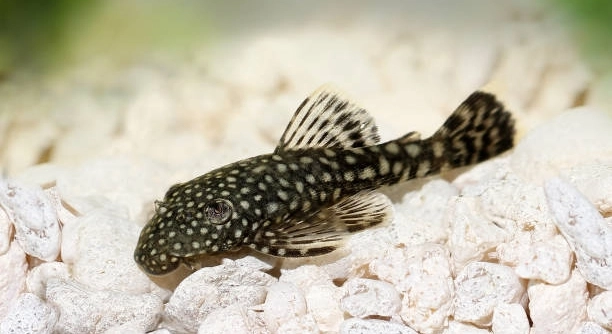
Rewarding your Plecostomus with treats can be a great way to keep them healthy and happy. These fish enjoy a variety of options that cater to their dietary needs while providing enrichment. Here are seven safe treats.
The best treats for Plecostomus should be nutritionally beneficial and safe for their digestive system. Vegetables, algae wafers, and certain fruits make excellent options. These treats will enhance their environment and contribute to their overall health.
There are safe options available that can help your Plecostomus thrive and stay satisfied.
Safe Vegetables for Plecostomus
When selecting vegetables for your Plecostomus, it is important to focus on choices that are both nutritious and easily digestible. Vegetables like zucchini, cucumber, and spinach are great options. They provide essential vitamins and minerals that promote healthy growth and digestion. Be sure to blanch or peel the vegetables to make them easier for your fish to consume. Avoid starchy vegetables like potatoes, as they can cause digestive issues. Offering a variety of vegetables keeps your Plecostomus engaged and ensures a balanced diet. These vegetables can be placed directly into the tank or attached to a rock or veggie clip for convenience.
Feeding vegetables on a regular basis can also help manage algae growth in your tank, which is a natural part of their diet. They often graze on algae and detritus in the wild, so adding vegetables complements their natural feeding habits. Just be sure to remove any uneaten food promptly to prevent water quality issues.
Offering vegetables, such as zucchini and spinach, ensures your Plecostomus gets the necessary nutrients for long-term health.
Algae Wafers
Algae wafers are a convenient and widely used treat for Plecostomus. These wafers are specifically formulated to meet the dietary needs of herbivorous fish, providing essential fiber and nutrients. By sinking to the bottom of the tank, they encourage Plecostomus to forage naturally.
Algae wafers are rich in plant-based ingredients that mimic the fish’s natural diet. This makes them a great addition to their feeding schedule. They are a balanced, easy-to-digest source of food and should be given in moderation, as they are calorie-dense. Overfeeding algae wafers can lead to water pollution, so it’s important to only offer the amount your fish can consume in a few hours.
For the healthiest feeding experience, choose algae wafers without additives or artificial coloring. The natural composition helps maintain your Plecostomus’s health, and they can be a reliable addition to their regular diet.
Fruits for Plecostomus
Fruits can be a nice treat for your Plecostomus in moderation. Options like apples, pears, and melons are soft enough for them to consume. Make sure to remove any seeds before offering the fruit to avoid choking. Fruits should never replace their main diet but can be an occasional snack.
When feeding fruits, always peel them to make it easier for your fish to eat. Remove any leftovers after a few hours to prevent the fruit from polluting the water. The natural sugars in fruits are safe for Plecostomus but should be offered sparingly to avoid excessive calories.
Offering fruit in small, manageable pieces will ensure your Plecostomus enjoys the treat without overindulging. These foods can enhance their diet with extra vitamins but are best given infrequently.
Protein-Rich Treats
Occasionally offering protein-rich treats like bloodworms or brine shrimp can be a good way to diversify your Plecostomus’s diet. These treats are a great source of protein, which helps maintain muscle health. Ensure that they are appropriate for your fish’s size and not offered too often.
Protein-based foods can help Plecostomus thrive in different stages of their life. These treats are best suited for younger Plecostomus or when you want to boost their energy. While protein is important, it should never make up the majority of their diet.
The key to offering protein-based treats is moderation. Overfeeding can lead to digestive problems or obesity. Stick to the recommended feeding guidelines to maintain a balanced diet for your Plecostomus.
Cucumber and Zucchini
Cucumber and zucchini are both low-calorie, hydrating vegetables that Plecostomus love. These vegetables are soft, easy to eat, and help keep your fish well-hydrated. Offering them in small slices will allow your fish to consume them with ease.
These vegetables can be placed in the tank using a veggie clip to ensure they stay submerged. Be sure to remove any leftover pieces after a few hours to prevent contamination. Offering cucumber and zucchini regularly can add variety to your Plecostomus’s diet while providing essential nutrients.
Algae and Biofilm
Algae naturally grows in your tank and provides an essential food source for Plecostomus. They graze on algae and biofilm, which is a mixture of organic materials that form on tank surfaces. Offering them access to these natural food sources helps keep them satisfied.
Although you can supplement their diet with algae wafers or fresh algae, encouraging natural algae growth in the tank is beneficial. This gives Plecostomus the opportunity to forage and feed in a manner similar to their behavior in the wild. Keep in mind that algae can grow quickly, so regular cleaning is necessary.
Lettuce and Spinach
Lettuce and spinach are other healthy vegetables to include in your Plecostomus’s diet. These leafy greens are packed with essential vitamins and minerals, helping to boost your fish’s overall health. Always wash and blanch the greens before feeding.
Lettuce and spinach can be attached to tank décor or placed in the water for easy access. Just be mindful not to overfeed, as excess food can lead to water quality issues. Rotate different greens to provide a varied and balanced diet, ensuring that your Plecostomus gets the nutrition it needs.
FAQ
Can Plecostomus eat fruits regularly?
Fruits should be given to Plecostomus in moderation. While they can enjoy the occasional fruit treat, such as apples, pears, or melons, they should not make up a significant portion of their diet. Fruits contain natural sugars, which can cause weight gain if overfed. They are best offered once or twice a week.
What vegetables can Plecostomus eat?
Plecostomus can safely eat a variety of vegetables, including zucchini, cucumber, spinach, and lettuce. These vegetables are nutritious and provide the fiber needed for digestion. Always ensure the vegetables are properly washed, peeled, and, in some cases, blanched to make them easier for the fish to consume.
Are algae wafers a good treat for Plecostomus?
Yes, algae wafers are an excellent option for Plecostomus. These wafers are designed to meet their nutritional needs by providing plant-based nutrients and fiber. They should be offered in moderation to prevent overfeeding, as excess food can lead to water quality issues.
How often should I feed my Plecostomus?
Plecostomus are primarily nocturnal grazers, so they should be fed once or twice a day. Their main diet should consist of high-quality algae wafers, vegetables, and occasional protein treats. It’s important to avoid overfeeding, as they are prone to obesity, which can affect their health.
Can I feed Plecostomus protein-based foods?
Yes, Plecostomus can eat protein-based treats like bloodworms, brine shrimp, or mosquito larvae. These should be offered sparingly, as too much protein can lead to health issues. Protein-based treats should be given once or twice a week, complementing their mainly herbivorous diet.
Is it safe to feed Plecostomus carrots?
Carrots can be given to Plecostomus occasionally. However, they should be cut into small, manageable pieces. Carrots are not a common food source in the wild for Plecostomus, so they should be considered more of an occasional treat rather than a regular part of their diet.
How can I keep my Plecostomus healthy?
A balanced diet that includes vegetables, algae, and the occasional protein treat will help keep your Plecostomus healthy. Regular water changes and tank maintenance are also essential. Make sure the tank has plenty of hiding places and surfaces for algae to grow, as this will help them graze naturally.
Should I feed Plecostomus pellets or wafers?
Algae wafers are generally a better option for Plecostomus. These wafers are formulated specifically for herbivorous fish, providing them with the necessary nutrients. While pellets are also suitable, they may not provide the same nutritional balance as algae wafers.
Can I feed my Plecostomus leafy greens?
Yes, leafy greens like spinach, kale, and lettuce are great options for Plecostomus. They are rich in vitamins and minerals, which help support their overall health. Be sure to blanch the greens before feeding them to ensure they are easily digestible and safe for your fish.
What are the signs of overfeeding my Plecostomus?
Overfeeding your Plecostomus can lead to weight gain, lethargy, and poor water quality in the tank. If you notice uneaten food floating in the water or if your fish appears sluggish, it’s a sign that you may be offering too much food. Adjust the portions and feed only what they can consume in a few hours.
Can Plecostomus eat all types of algae?
Plecostomus primarily feed on green algae, but they may also graze on other types like brown and blue-green algae. It’s best to allow them to graze naturally by encouraging algae growth in the tank. Avoid feeding algae that have been exposed to chemicals or pollutants, as these can harm your fish.
Is it okay to give Plecostomus bread or grains?
Bread and grains are not suitable for Plecostomus. These foods can cause digestive issues and are not part of their natural diet. Stick to vegetables, algae, and protein-based treats to ensure they remain healthy and thrive in your tank.
How long can I leave food in the tank for my Plecostomus?
Uneaten food should not be left in the tank for more than a few hours. Leftover food can quickly degrade and pollute the water, leading to poor water quality. Remove any uneaten food promptly to maintain a clean and healthy environment for your Plecostomus.
Can Plecostomus eat spinach every day?
Spinach can be fed to Plecostomus regularly but should be rotated with other vegetables. Offering spinach daily may lead to an imbalance in their diet. Variety is key to ensuring they get a wide range of nutrients. Always remove any leftover spinach after a few hours to prevent it from polluting the water.
Are algae wafers enough for my Plecostomus?
While algae wafers provide many essential nutrients, it’s important to supplement them with fresh vegetables and occasional protein treats. A varied diet ensures your Plecostomus receives all the necessary vitamins and minerals for optimal health. Relying solely on wafers may lack the variety they need for proper nutrition.
What should I do if my Plecostomus refuses to eat?
If your Plecostomus refuses to eat, check the water conditions first. Poor water quality can cause stress and loss of appetite. Ensure the temperature, pH, and ammonia levels are stable. Also, try offering different foods, as they may have become bored with their usual diet. If the problem persists, consider consulting a veterinarian.
Final Thoughts
Feeding your Plecostomus a variety of safe and nutritious foods is essential for maintaining their health and well-being. While they are primarily herbivorous, offering a mix of vegetables, algae, and occasional protein sources helps ensure a balanced diet. Vegetables like zucchini, cucumber, and spinach are great staples, while algae and biofilm provide a natural grazing experience. By introducing different foods regularly, you can avoid monotony and promote a more active, healthier fish.
It’s important to remember that overfeeding can lead to water quality issues and health problems like obesity. Providing food in moderation and removing uneaten pieces promptly helps keep the tank clean and ensures your Plecostomus remains in good condition. Keeping track of feeding times and portions can help prevent overfeeding. Always aim to offer only what they can consume within a few hours to avoid the accumulation of food debris in the tank.
Maintaining a clean tank environment is equally important for your Plecostomus’s overall health. Regular water changes, tank cleaning, and ensuring algae growth are necessary to meet their natural feeding habits. With the right balance of food, care, and attention to water conditions, your Plecostomus can live a long, healthy life.

Hello,
If you enjoy the content that we create, please consider saying a "Thank You!" by leaving a tip.
Every little bit helps us continue crafting quality advice that supports the health, happiness, and well-being of pets around the world, for pets of all shapes, sizes, and species.
We really appreciate the kindness and support that you show us!