
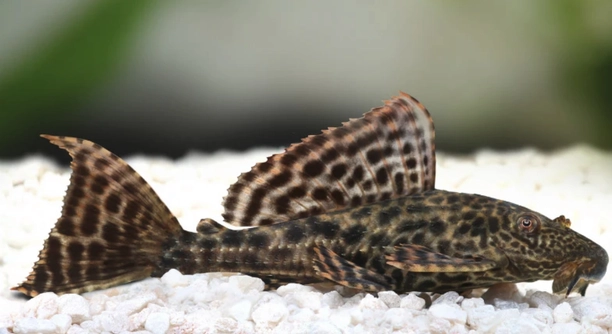
Choosing the right filter for your pleco can be tricky. With so many options on the market, it’s easy to feel overwhelmed. But don’t worry! This guide will help you navigate through the choices to find the perfect filter for your tank.
When choosing a pleco filter, consider factors like tank size, filter type, water flow rate, and ease of maintenance. A good filter will help keep your aquarium clean and ensure a healthy environment for your pleco.
Finding the best filter is essential for maintaining clear, clean water. The tips shared here will help you make an informed decision, ensuring a happy home for your pleco and other aquatic life.
Consider Tank Size and Pleco Species
When choosing a filter for your pleco, it’s important to consider the size of your tank. Plecos can grow quite large, and they produce a lot of waste. A smaller filter might not be able to keep up, leaving your tank dirty and your pleco at risk for health issues. A filter that is too small will struggle to maintain proper water quality, leading to a buildup of ammonia, nitrites, and nitrates. Larger filters or more powerful filtration systems are recommended for larger tanks, especially if you have multiple plecos or other large fish.
A filter that’s rated for a tank size bigger than yours is often a good idea.
If you have a 50-gallon tank, for example, consider a filter designed for a 75-gallon tank. This will ensure the filter works more efficiently, even when it has to deal with the extra waste plecos create. With a bigger filter, the water circulation is also more stable, and you’re less likely to encounter dead spots where waste can accumulate.
Water Flow and Pleco Comfort
Water flow plays a key role in the comfort of your pleco. These fish are known for being sensitive to strong currents, so you need to strike a balance between enough water flow to keep the tank clean and gentle enough to avoid stressing the pleco.
Filters with adjustable flow settings are a great choice.
By having control over the flow rate, you can tailor it to suit the needs of your pleco. If the current is too strong, your pleco may become stressed, affecting its feeding and overall health. A gentle flow is ideal, but keep in mind that plecos like to graze on algae and debris, so the flow must still be strong enough to filter out waste efficiently. Filters with a “low flow” setting or a sponge filter can also work well for plecos that need a quieter environment.
Filter Type: Hang-on-back vs. Canister
When choosing a filter, decide between a hang-on-back (HOB) filter and a canister filter. HOB filters are easy to install and maintain, making them a good option for smaller tanks. Canister filters, however, are more powerful and better suited for larger tanks or heavily stocked aquariums.
HOB filters are typically quieter and simpler, and they are often the go-to for smaller setups. They hang on the back of the tank and draw water through an intake tube before pushing it through the filtration media. Though easy to use, they can sometimes be less effective for larger tanks.
Canister filters provide stronger filtration, as they are usually placed outside the tank and pump water through more complex media. They tend to work better for larger tanks or tanks with multiple fish. They also allow for more customization with different types of media to target specific water issues. However, they require more space and are more difficult to maintain.
Filtration Stages
Look for filters that offer multiple stages of filtration: mechanical, chemical, and biological. Each stage targets a different aspect of water quality and helps ensure your pleco’s environment stays clean and healthy.
Mechanical filtration removes large debris, such as uneaten food or plant matter. It’s usually the first line of defense and keeps the water clear. Chemical filtration removes toxins, such as ammonia, nitrites, and chlorine, helping maintain water quality. Biological filtration, which uses beneficial bacteria, breaks down organic waste and keeps the nitrogen cycle balanced.
A multi-stage filter provides the most thorough filtration system. By combining all three stages, it ensures that water is consistently cleaned and that harmful substances are eliminated efficiently. The more stages a filter has, the more thorough the cleaning process, making it a better choice for larger, more complex tanks.
Easy Maintenance Features
When choosing a filter, consider how easy it is to clean and maintain. Some filters require more frequent cleaning than others, and maintenance can be time-consuming. Look for filters with removable trays or easy access to the media, so you don’t have to take everything apart each time.
Filters with user-friendly designs save you time and frustration. Features like simple media replacement and easy-to-clean parts can make a big difference in the long run. Regular cleaning is important to prevent buildup of waste and to ensure your pleco’s water remains clean and healthy.
Energy Efficiency
Filters can consume a lot of power, especially if you’re using a larger system. Choose a filter that balances performance and energy efficiency. Look for energy-efficient models that offer powerful filtration without using too much electricity.
An energy-efficient filter not only saves money on your electric bill but also reduces your tank’s overall environmental impact. Many modern filters are designed to minimize energy consumption while providing effective filtration. This makes them an excellent choice for long-term use in your aquarium setup.
Cost of Replacement Parts
Replacement parts can add up over time, so it’s important to consider the cost. Some filters have expensive media that needs replacing regularly, while others have long-lasting, affordable options. Think about the ongoing cost of maintaining the filter before making your decision.
FAQ
What size filter do I need for my pleco?
The size of the filter you need depends on the size of your tank and the number of fish. Plecos produce a lot of waste, so it’s essential to have a filter that can handle the extra load. For a smaller tank, a filter rated for at least 20% more than your tank’s volume is sufficient. For larger tanks, you may need a filter rated for 2 to 3 times the volume of your tank. A larger filter ensures better filtration and will keep the water cleaner.
Can I use a sponge filter for my pleco tank?
Yes, sponge filters are a great option for plecos, especially in smaller tanks. They are gentle and provide excellent biological filtration, which is crucial for plecos as they like calm waters. They are also ideal if you’re keeping young plecos or other delicate fish. However, sponge filters are not as effective for cleaning large tanks or for removing larger particles from the water, so they may need to be paired with additional filtration methods.
How often should I clean my pleco filter?
The frequency of cleaning depends on the type of filter and tank setup. Generally, it’s best to clean mechanical parts once a month and replace the filter media every 4 to 6 weeks. Be cautious not to clean the filter too often, as you can remove beneficial bacteria that help maintain water quality. For biological filters, cleaning should be minimal—just rinse off any debris and leave the bacteria colonies intact. If you notice the water flow is reduced, it’s time to clean.
Are canister filters better for plecos than hang-on-back filters?
Canister filters are more powerful and can handle larger tanks, making them ideal for plecos in bigger setups. They provide thorough filtration, removing more waste and keeping the water cleaner. Hang-on-back filters, however, are easier to install and maintain and are a good choice for smaller tanks. If you have a large tank with several plecos or other fish, a canister filter may be more effective. For smaller tanks, a hang-on-back filter can do the job.
What should I look for in a filter’s media?
The filter media is essential to ensure proper filtration. Choose filters with a combination of mechanical, chemical, and biological media. Mechanical media catches debris and particles, chemical media removes toxins, and biological media supports beneficial bacteria that break down waste. It’s important to regularly check the media for buildup, as clogged media will reduce the filter’s effectiveness. Some filters offer easy-to-replace media, which helps maintain efficiency over time.
How can I reduce the noise from my pleco filter?
Some filters can be noisy, especially when they’re not properly set up. To reduce noise, make sure the filter is positioned correctly and securely. For hang-on-back filters, check that the intake and output tubes are fully submerged in the water to minimize splashing. Additionally, using foam or rubber padding underneath the filter can help dampen vibrations. If the filter is still noisy, try adjusting the flow rate, as higher speeds can often lead to more noise.
Is a UV sterilizer necessary for a pleco tank?
A UV sterilizer can be helpful but isn’t necessary for every pleco tank. UV sterilizers help clear up cloudy water caused by algae blooms or bacterial growth, but they do not remove solid debris. If you’re having trouble with algae or water clarity, a UV sterilizer can be a good addition. However, it’s not a replacement for regular water changes and proper filtration.
How do I choose the right water flow for my pleco filter?
Plecos prefer calm water, so you’ll need to choose a filter with adjustable flow rates. A filter with a high flow rate can be too much for your pleco, causing stress. Ideally, choose a filter that allows you to decrease the flow or opt for a gentle sponge filter that provides minimal current. Look for filters with a “low flow” setting to keep the water moving but not too fast for your pleco to handle.
What is the difference between mechanical, chemical, and biological filtration?
Mechanical filtration removes physical debris, like uneaten food, plant matter, and waste. Chemical filtration removes toxins like ammonia, nitrites, and chlorine from the water using media like activated carbon. Biological filtration uses beneficial bacteria to break down organic waste in the tank. All three types work together to maintain a clean and healthy tank environment.
Can I use a filter without a pump for my pleco?
While a filter can function without a pump in some cases, it is generally not recommended for plecos. Pumps help move water through the filtration media, ensuring that the filter works effectively. Without a pump, water circulation would be too slow, reducing the filter’s efficiency and potentially harming your pleco’s health by allowing harmful waste to build up in the water.
How do I maintain water quality for plecos?
Maintaining water quality involves regular water changes, proper filtration, and monitoring of water parameters such as ammonia, nitrites, and nitrates. Make sure your filter is powerful enough for the size of your tank, and clean it regularly. Testing the water frequently will ensure the conditions remain safe for your pleco. Additionally, removing excess food and debris will help maintain water clarity.
Can I leave my pleco filter on all the time?
Yes, you should leave the filter on all the time. Continuous filtration is essential to maintain water quality in your tank. Turning the filter off could lead to a buildup of toxins and waste, harming your pleco and other fish. Even when you’re not around, the filter works to keep the tank clean and oxygenated.
Final Thoughts
Choosing the right filter for your pleco is an important decision to ensure your aquarium remains clean and your fish stay healthy. It’s crucial to understand the needs of your pleco, the size of your tank, and the filter’s capabilities before making a choice. Filters come in different types and sizes, so it’s important to match the right filter with your specific setup. Whether you go for a canister filter for a larger tank or a hang-on-back filter for a smaller setup, the main goal is to maintain good water quality. Plecos thrive in clean water, and having the right filter can help reduce the stress caused by dirty or stagnant water.
In addition to choosing the right filter, it’s important to keep up with regular maintenance. Keeping the filter clean and replacing the media when needed will help it function properly for a long time. Filters with removable trays or easy access to the media are the most convenient, making the cleaning process faster and easier. Regular maintenance ensures the filter continues to do its job without losing effectiveness. Remember that over-cleaning the filter can remove beneficial bacteria, so try not to clean it too often. The goal is to keep the water clean while supporting the ecosystem inside your tank.
Lastly, always monitor your pleco’s behavior and the water conditions. If the pleco seems stressed or the water looks cloudy, it may be time to adjust the filter’s flow rate or replace the media. Keeping an eye on these details will help prevent any issues before they become bigger problems. With the right filter and proper care, your pleco will enjoy a healthy, thriving environment. Remember that no single filter works for every setup, so taking the time to choose the right one will go a long way in maintaining a happy aquarium.

Hello,
If you enjoy the content that we create, please consider saying a "Thank You!" by leaving a tip.
Every little bit helps us continue crafting quality advice that supports the health, happiness, and well-being of pets around the world, for pets of all shapes, sizes, and species.
We really appreciate the kindness and support that you show us!