
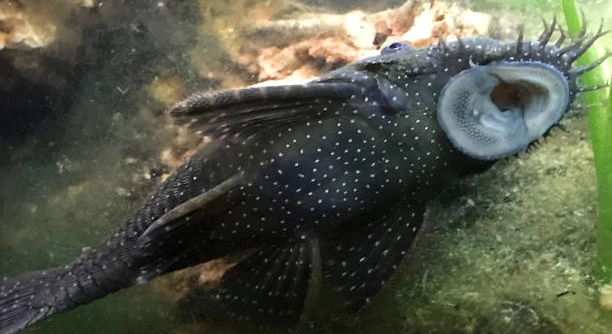
Adding a pleco to a schooling tank can be a rewarding experience for your aquarium. However, it’s important to understand how this unique fish interacts with others to maintain harmony in your tank.
Yes, you can add a pleco to a schooling tank, but it requires careful consideration of the species and tank dynamics. Plecos are generally peaceful but can grow large, which might cause conflicts or space issues with smaller fish in a school.
Understanding plecos and their behaviors in a community tank is key to creating a peaceful and healthy environment for all fish.
The Pleco’s Nature and Behavior in a Tank
Plecos are known for their peaceful nature, which makes them generally good tankmates for many types of fish. They are bottom dwellers, so they don’t typically compete with schooling fish for space or food. They also help keep your tank clean by eating algae. However, there are a few things to keep in mind. Plecos can grow quite large, sometimes up to 24 inches, depending on the species. This size can pose a problem in smaller tanks or with smaller fish, as the pleco may crowd the space or unintentionally harm other fish when moving around.
When adding a pleco, it’s important to check the tank size. A large pleco requires a lot of space to swim comfortably, and in a small tank, it might disrupt the schooling behavior of other fish. Additionally, plecos are nocturnal and may prefer staying in darker areas of the tank during the day, which may reduce their interactions with other fish.
By ensuring your tank is large enough and the other fish are compatible, the pleco can live peacefully alongside a school of fish. But always consider its potential size and feeding habits before adding it to a tank.
Best Tankmates for a Schooling Tank with Plecos
Some fish are better suited to live alongside plecos in a schooling tank. Smaller, peaceful species work best. Fish like tetras, rasboras, and guppies are often ideal tankmates. These fish swim in the upper and middle parts of the tank, leaving the pleco to roam the bottom. When choosing tankmates, it’s important to avoid aggressive fish, which might stress out the pleco or outcompete it for food.
Many schooling fish are social and thrive in groups, making them a great addition to a pleco tank. With the right balance of species, the pleco won’t cause any disruptions, and everyone can coexist without issue. Just be sure to maintain good water conditions, as plecos are sensitive to poor water quality.
Compatibility depends on your tank size and the behavior of the other fish. Proper research into both the pleco’s needs and the needs of your schooling fish will help create a peaceful, thriving tank environment.
Tank Size Considerations for Plecos and Schooling Fish
A larger tank is essential when adding a pleco to a schooling fish setup. Plecos can grow significantly, and their size requires extra space to thrive. For most plecos, a tank of at least 55 gallons is ideal. Smaller tanks can lead to overcrowding, which causes stress for both the pleco and schooling fish.
In a smaller tank, a pleco’s growth may be stunted, or the fish could become stressed, leading to health issues. This stress may also affect the schooling fish, as they will sense the tension in the environment. With a larger tank, there’s more room for both the pleco to move freely and for the school to swim comfortably.
The additional space allows for natural behaviors and reduces the chances of territorial disputes. It’s vital to provide plenty of hiding spots for the pleco, as they are shy and prefer sheltered areas to feel safe. Proper tank size ensures the well-being of all inhabitants.
Water Conditions for Plecos and Schooling Fish
Maintaining clean and stable water is crucial for both plecos and schooling fish. Plecos are sensitive to water changes, particularly fluctuations in pH, temperature, and ammonia levels. Schooling fish can also become stressed in poor water conditions, so keeping the tank properly filtered is essential.
Regular water changes are important to keep toxins like ammonia and nitrites at safe levels. Test the water weekly to ensure pH and hardness are in a range suitable for both the pleco and the schooling fish. A good filtration system helps maintain clean water, ensuring a healthier environment for everyone in the tank.
Both plecos and schooling fish benefit from stable water parameters. If the water conditions are kept consistent, the fish are more likely to thrive, exhibit natural behaviors, and maintain a peaceful coexistence. This also reduces the risk of diseases and ensures a vibrant, healthy tank.
Pleco Feeding Needs in a Schooling Tank
Plecos are mostly herbivores and require a diet rich in plant matter. In a schooling tank, it’s important to ensure the pleco gets enough food without competing with the schooling fish. Algae wafers, fresh vegetables, and occasional protein are great additions to their diet.
While plecos will consume algae in the tank, it’s not enough to sustain them. Supplementing their diet with algae wafers or other vegetable-based foods ensures they get the nutrients they need. Make sure to place food where the pleco can access it without it being consumed too quickly by other fish.
Regular feeding is essential for their health, especially since plecos can be shy eaters, preferring to feed at night. If your schooling fish are very active, you may need to place the pleco’s food in hidden spots to avoid competition.
Avoid Overcrowding the Tank
Adding too many fish can lead to overcrowding, causing stress and health problems for everyone in the tank. Ensure you have enough space for both the schooling fish and pleco.
Overcrowding increases the risk of poor water quality and reduces oxygen levels. Fish are also more likely to become territorial in crowded tanks, leading to aggression. Consider the adult size of each fish and the tank’s capacity before adding more.
Compatible Tankmates for a Pleco
Plecos generally do well with peaceful fish that swim in different areas of the tank. Species like tetras, guppies, or rasboras are ideal.
It’s important to avoid aggressive fish like cichlids, as they might stress or injure the pleco. Also, fish that compete for the same food sources can create issues. With compatible tankmates, the tank will thrive.
FAQ
Can a pleco live with small schooling fish?
Yes, plecos can generally live with small schooling fish, but it depends on the species of pleco. Most plecos are peaceful bottom dwellers and won’t bother small schooling fish in the tank. However, the pleco should have enough space to move around without feeling crowded. If the pleco grows large, it may accidentally disturb the school or compete for food. The tank should be big enough to allow both the pleco and schooling fish to have their own areas to swim and feed.
What size tank do I need for a pleco and schooling fish?
For a pleco, you should have at least a 55-gallon tank, especially if the pleco is a larger species. A larger tank provides enough space for both the pleco and the schooling fish to live comfortably without overcrowding. If you have a smaller tank, the pleco may grow too large and create stress for other fish in the tank. It’s crucial to consider the adult size of the pleco, as some species can grow quite large. A bigger tank helps reduce territorial behavior and keeps the environment peaceful for all inhabitants.
Do plecos need special care in a tank with schooling fish?
Plecos don’t need much special care, but there are a few considerations when adding them to a tank with schooling fish. First, make sure the pleco has enough hiding spots and shelter, as they are shy fish and like to retreat to dark areas during the day. Second, feed the pleco enough, as they may be shy eaters, especially in a tank with more active fish. Providing algae wafers, vegetables, and other food sources ensures the pleco gets the nutrition it needs without competing with the schooling fish.
Will a pleco eat my schooling fish?
No, plecos do not typically eat schooling fish. Plecos are herbivores and primarily feed on algae, plant matter, and other organic debris in the tank. They are not carnivorous and do not pose a threat to small schooling fish. However, it’s essential to monitor the tank and make sure that there’s enough food for everyone. If the pleco gets hungry and is not properly fed, it might start nibbling on the soft plants or other tank materials, but it won’t go after the fish themselves.
Can I keep different species of plecos with schooling fish?
Yes, different species of plecos can be kept with schooling fish, but you need to consider the size, temperament, and specific needs of each pleco species. For example, the common pleco can grow quite large, while the bristlenose pleco stays much smaller. Some species of plecos are more territorial than others, so choose peaceful varieties that won’t cause issues with your schooling fish. Smaller plecos like bristlenose are less likely to disrupt the school and are great companions for tankmates.
Are plecos good for community tanks with schooling fish?
Yes, plecos are generally good for community tanks with schooling fish. They are peaceful fish that won’t compete with schooling fish for space or food. Plecos tend to stay at the bottom of the tank, while schooling fish swim in the middle or upper levels. This means they usually won’t get in each other’s way. However, as plecos grow, they may need more space and could potentially disturb smaller schooling fish if the tank isn’t large enough.
How often should I feed my pleco in a tank with schooling fish?
You should feed your pleco at least once a day, but it’s important not to overfeed. Plecos are bottom feeders and may prefer to feed at night or in darker areas of the tank. Make sure to provide algae wafers, fresh vegetables, and other plant matter for the pleco to graze on. If your schooling fish are more active, try to feed the pleco in hidden spots to avoid competition. You can also feed them twice a week with occasional protein, such as sinking pellets or live food, to supplement their diet.
Can I add a pleco to a tank with aggressive schooling fish?
It’s not ideal to add a pleco to a tank with aggressive schooling fish. Aggressive fish, like cichlids or some barbs, might harass or outcompete the pleco for food, space, and hiding spots. These fish could also stress the pleco, leading to health issues. Plecos are peaceful fish, and having aggressive tankmates can cause them to retreat into hiding all the time. If you want a peaceful community tank, it’s best to choose non-aggressive schooling fish that won’t create tension with the pleco.
Do plecos require a specific type of water in a schooling tank?
Plecos prefer slightly acidic to neutral water conditions, with a pH between 6.5 and 7.5. They also thrive in soft to moderately hard water. Schooling fish often require similar conditions, but it’s essential to check the specific needs of each species before mixing them in the same tank. Maintaining stable water conditions through regular water changes and a good filtration system will help both the pleco and schooling fish stay healthy. Be sure to monitor ammonia, nitrites, and nitrate levels, as plecos are sensitive to poor water quality.
How can I make sure the pleco is getting enough food in a tank with schooling fish?
Make sure your pleco is getting enough food by providing algae wafers, fresh vegetables, and sinking pellets. Since plecos are bottom dwellers and may feed at night, place food in different areas of the tank, especially where the pleco can easily access it. If you have active schooling fish, consider feeding the pleco after the lights go out or in more secluded parts of the tank, where the other fish won’t compete for food. Regularly check if the pleco is eating and adjust its feeding routine accordingly.
What other fish are compatible with a pleco and schooling fish?
In addition to small schooling fish like tetras and rasboras, other peaceful community fish can be compatible with plecos. Species like guppies, mollies, and Corydoras catfish make great tankmates. These fish swim in different parts of the tank, so they won’t compete with the pleco for space. Avoid aggressive or large fish, as they might outcompete the pleco for food or create unnecessary stress. Be sure to research the specific needs of each species before introducing them to the tank.
Final Thoughts
Adding a pleco to a schooling tank can be a great way to create a balanced and peaceful aquarium. Plecos are bottom dwellers and tend to be peaceful, making them ideal tankmates for small, peaceful schooling fish. However, it’s important to consider the size of the pleco and the tank before introducing it to your setup. Plecos can grow large, so a tank with enough space is essential to ensure that both the pleco and the schooling fish have room to swim and thrive.
While plecos are low-maintenance in terms of care, they still have specific needs that must be met. They require a stable environment, clean water, and a diet rich in algae and plant matter. When housed with schooling fish, it’s crucial to ensure that the pleco gets enough food without competition. Plecos are often shy eaters, so it’s important to provide them with food in areas where they can comfortably feed. This will help prevent any conflicts with the more active schooling fish during feeding times. Additionally, the pleco should have access to hiding spots, as they prefer secluded areas to feel safe.
Overall, plecos can be an excellent addition to a community tank with schooling fish, as long as the tank is large enough to accommodate both the pleco and the schooling species. Keeping the water conditions stable, providing the right food, and ensuring there is plenty of space for each fish will help create a peaceful and healthy environment for all. By taking these factors into consideration, you can enjoy the beauty and benefits of having plecos alongside your schooling fish without causing stress or discomfort to either species.

Hello,
If you enjoy the content that we create, please consider saying a "Thank You!" by leaving a tip.
Every little bit helps us continue crafting quality advice that supports the health, happiness, and well-being of pets around the world, for pets of all shapes, sizes, and species.
We really appreciate the kindness and support that you show us!