
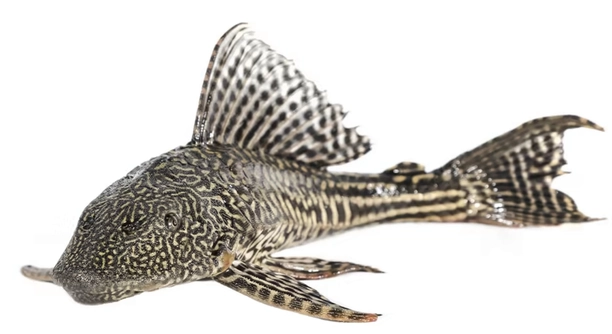
Do you ever wonder what your plecos notice that you don’t? These fascinating fish are more aware of their environment than we might think, and they pick up on details we often overlook.
Plecos are highly observant creatures that notice subtle changes in their environment, including water quality, lighting, and even the behavior of other tank inhabitants. They are keenly sensitive to shifts in their surroundings, which affect their well-being.
From subtle environmental shifts to interactions with other fish, plecos pick up on many things that we often miss. Understanding their keen senses can help you create a healthier and more harmonious tank.
1. Water Quality and Its Impact on Plecos
Plecos are very sensitive to changes in water quality, which can have a big impact on their health and behavior. They are more likely to react to even slight shifts in temperature, pH levels, and ammonia levels. Unlike some fish that may seem to adapt to these changes, plecos can quickly become stressed and even sick if the water isn’t right. Regular testing and water changes are essential to keeping them happy and healthy.
A small change in water quality may seem harmless to us, but plecos can sense it immediately. When the water isn’t balanced, they may become sluggish, hide more often, or develop skin problems.
Maintaining clean, stable water is a critical factor for plecos. Regular filtration and frequent water changes ensure that the tank remains a safe and comfortable place for them. A pleco that is exposed to poor water conditions for an extended period may show visible signs of stress. They may appear pale or develop unusual marks on their bodies. Keeping track of the water’s temperature, pH, and ammonia levels will help you prevent any potential issues that could affect your pleco’s health. It’s also a good practice to clean the tank and filter regularly to avoid excess waste buildup.
2. The Importance of Lighting
Lighting plays a big role in how plecos behave in their tank. These fish are nocturnal, so they prefer dimmer environments. Bright lights may stress them out, causing them to hide more or become inactive. Understanding their preference for low light conditions can make a big difference in their overall well-being.
Too much light can disrupt their natural rhythm. Plecos are naturally more active during the night and prefer subdued lighting during the day. Keeping your aquarium lights on for shorter periods, especially during the day, can help replicate their natural habitat.
In nature, plecos often hide in caves, under rocks, or in areas with plenty of shadows. Replicating these conditions in your tank can reduce stress and keep your pleco comfortable. By using low lighting or even providing darker hiding spots, you create a more inviting environment for them. Additionally, using a timer to control the lighting schedule can prevent long hours of bright light, giving your pleco the rest it needs. This small adjustment could improve your pleco’s activity levels and health over time.
3. Tankmates and Social Behavior
Plecos are not solitary creatures. They notice the behavior of other fish in their tank, and this can affect how they feel and act. Aggressive or overly active tankmates can stress them out, causing them to hide or become more territorial.
When plecos are surrounded by more peaceful tankmates, they tend to be more active and comfortable. If there are aggressive fish in the tank, the pleco may retreat to a corner or stay hidden most of the time. It’s important to ensure that your tankmates are compatible with the pleco’s peaceful nature to avoid unnecessary stress.
Plecos are sensitive to the energy in their environment. While they are not highly social with other species, they do need a peaceful atmosphere to thrive. Avoiding overly aggressive or territorial fish will help maintain a calm, balanced tank. In a tank with harmonious tankmates, plecos may show off more, exploring their surroundings and interacting less anxiously. Their behavior is a direct reflection of the relationships they have with the other fish in the tank.
4. Feeding Habits and Their Sensitivity to Food
Plecos are very observant when it comes to feeding time. They notice what food is available and how it’s offered. Offering the right food in the right amount can impact their overall health and behavior. If food is inconsistent or inadequate, they might become stressed or malnourished.
Offering a variety of foods, such as algae wafers, vegetables, and occasional protein, is key. Plecos need a well-balanced diet to maintain their health. They are bottom feeders, often grazing on algae or debris, but also need supplements like leafy greens or high-quality pellets to stay nourished.
Feeding your pleco the same food over time can cause them to lose interest. Changing things up and offering different foods not only keeps them engaged but also ensures they get all the nutrients they need. Plecos can also sense when they are not being fed properly and might stop eating altogether if they feel their nutritional needs are not being met. Ensuring a balanced diet can make a huge difference in your pleco’s overall health and happiness.
5. Physical Environment and Pleco Sensitivity
Plecos notice the physical layout of their tank, including hiding spots, plants, and decorations. They are creatures that seek shelter and prefer environments where they can easily retreat when feeling stressed. Providing plenty of hiding spots helps them feel safe.
The layout of the tank affects the pleco’s comfort level. Without places to hide, plecos might feel exposed and stressed. Adding caves, driftwood, and plants can mimic the natural environment they need to thrive. A well-decorated tank allows plecos to explore while giving them a sense of security.
The more natural the environment feels, the less likely the pleco will hide constantly. Having several hiding spots ensures they can choose different places to relax. This setup also encourages plecos to forage and engage more actively in their surroundings. An ideal setup gives them room to explore but also enough protection to retreat when they need it.
6. Plecos’ Response to Noise and Vibration
Plecos are surprisingly sensitive to sounds and vibrations. They can feel changes in the water caused by movement outside the tank, which may make them uneasy. Loud noises or sudden movements nearby can stress them out.
Keeping the tank in a quiet area of the home helps to keep plecos calm. They can easily pick up on noises and vibrations from footsteps or doors slamming. This can disturb their peaceful environment and cause them to hide more often. It’s essential to avoid putting the tank in high-traffic or noisy areas.
Reducing noise levels in your home can create a calmer atmosphere for your pleco. Keeping the tank away from speakers, loud appliances, or areas with a lot of foot traffic will make a significant difference in their behavior. Your pleco will feel more secure and less stressed, which leads to better health and activity.
FAQ
How often should I clean my pleco’s tank?
You should clean your pleco’s tank at least once a week to ensure a healthy environment. This involves changing 25-30% of the water and cleaning the substrate to remove waste. Regular cleaning prevents ammonia buildup, which can stress your pleco and harm its health. Be sure to also clean the filter, as a clogged or dirty filter can reduce water quality, making it harder for your pleco to thrive.
What should I feed my pleco?
Plecos are primarily herbivores, so their diet should include algae wafers, fresh vegetables like zucchini, cucumber, or spinach, and occasional protein-rich foods like shrimp or earthworms. Feeding them a variety of foods helps ensure they get all the nutrients they need. Algae will be part of their diet if the tank has sufficient natural growth. However, you should avoid overfeeding, as it can lead to water quality issues.
Can I keep multiple plecos in the same tank?
It’s possible to keep multiple plecos together, but it depends on the species. Some plecos, like the common pleco, can become territorial, especially as they grow larger. If you want to keep more than one, choose species that are less territorial, or provide plenty of hiding spots and space. Larger tanks are necessary to avoid overcrowding and territorial disputes.
Do plecos need a filter?
Yes, plecos need a good filtration system. They produce a lot of waste, and a filter helps to maintain water quality by removing excess nutrients and harmful substances. A filter also provides necessary water movement, which can help keep the pleco active. However, make sure the filter’s current isn’t too strong for your pleco, as they prefer calm waters.
Can plecos live with other fish?
Plecos are generally peaceful fish and can coexist with many other species. However, they should not be kept with overly aggressive or fin-nipping fish. Fish like tetras, guppies, or peaceful cichlids are usually compatible with plecos. Be mindful of tankmate size, as larger fish might intimidate or outcompete plecos for food.
What size tank does a pleco need?
Plecos need a tank that provides enough space for swimming and hiding. A minimum of a 50-gallon tank is recommended for smaller plecos, but larger species will require tanks of 75 gallons or more. A spacious tank ensures the pleco has plenty of room to grow, move, and establish its territory without feeling stressed.
How can I tell if my pleco is stressed?
Stress in plecos can be seen in changes to their behavior or appearance. They may hide more than usual, stop eating, or develop unusual markings on their skin. Their color may also fade, and they might appear lethargic. Poor water quality, incompatible tankmates, and lack of hiding spots are common stress factors.
Why is my pleco always hiding?
Plecos often hide when they feel stressed or insecure. If your pleco is hiding frequently, it could be due to poor water quality, too much light, or aggressive tankmates. Ensure your tank has plenty of hiding spots, like caves or plants, and check the water quality regularly to make sure it’s stable and clean.
Do plecos need a heater?
Plecos are tropical fish and require a consistent water temperature. The ideal temperature range for most plecos is between 74°F and 80°F (23°C and 27°C). If your home’s temperature fluctuates or is cooler than this, a heater will help maintain a stable environment that keeps your pleco healthy.
How do I know if my pleco is getting enough food?
If your pleco is getting enough food, it will be active and healthy, with a good body shape. Plecos are bottom feeders, so check the bottom of the tank to see if they’re eating the food you provide. If there’s a lot of leftover food, you may be overfeeding, or your pleco might not be eating properly.
What is the lifespan of a pleco?
Plecos have a long lifespan, especially in good conditions. Most plecos can live between 10 and 15 years, with some species even reaching up to 20 years in the right environment. To help your pleco live a long, healthy life, maintain good water quality, a balanced diet, and provide enough space to grow.
Why is my pleco turning white?
A pleco turning white can be a sign of stress or illness. It could be due to poor water conditions, disease, or improper diet. If your pleco’s skin is turning pale or white, it’s essential to test the water for ammonia, nitrites, and pH levels. If everything seems normal, consult a vet to rule out any infections or parasites.
Can plecos eat too much algae?
While plecos are known for eating algae, they can become malnourished if algae is their only food source. Algae is not nutritionally complete for them, so they need a varied diet that includes vegetables and protein. Relying solely on algae can cause vitamin and mineral deficiencies in plecos.
Do plecos clean tanks?
Plecos help clean tanks by grazing on algae, but they don’t completely eliminate the need for tank maintenance. While they can reduce algae buildup, they won’t remove other waste, like uneaten food or detritus, from the substrate. Regular tank cleaning is still essential to maintain a healthy environment.
Are plecos nocturnal?
Yes, most plecos are nocturnal. They are more active during the night when the tank lights are off, foraging for food and exploring. During the day, they tend to be less active and may hide in caves or under decorations. To accommodate their natural behavior, avoid bright lighting during the day.
Final Thoughts
Plecos are fascinating fish with unique needs and behaviors that are important to understand if you want them to thrive in your tank. They are sensitive creatures that notice a lot more than we often realize, from the quality of the water to the behavior of their tankmates. Paying attention to these details can make a big difference in their overall health and happiness. A well-maintained tank that meets their needs for food, hiding spaces, and appropriate water conditions will keep them active and healthy for years.
Keeping plecos requires more than just feeding them and maintaining water quality. You need to consider their comfort and stress levels, which can be affected by many factors such as tankmates, lighting, and even the noise in the room. By providing them with a peaceful environment, enough space to grow, and a balanced diet, you are ensuring that they live a long and healthy life. Also, remember that plecos are bottom feeders, so they play a crucial role in maintaining a clean tank, but they still need your help to keep the overall environment clean and safe.
Ultimately, understanding plecos’ needs and making small adjustments can lead to a rewarding experience. When their needs are met, plecos can be a joy to watch as they explore their tank, graze on algae, and interact with their environment. Keeping them happy involves being attentive to their behavior, making sure they are well-fed, and keeping their environment stable. By following these simple guidelines, you’ll help your pleco thrive, ensuring that both you and your fish enjoy a peaceful and healthy relationship.

Hello,
If you enjoy the content that we create, please consider saying a "Thank You!" by leaving a tip.
Every little bit helps us continue crafting quality advice that supports the health, happiness, and well-being of pets around the world, for pets of all shapes, sizes, and species.
We really appreciate the kindness and support that you show us!