
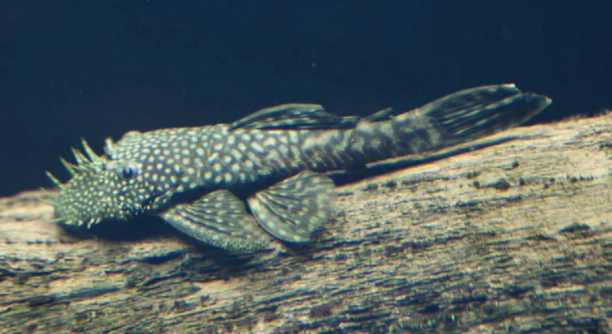
Plecos are fascinating fish that play a big role in keeping aquariums clean. However, certain cleaning habits can stress them out and affect their well-being. It’s important to understand what might be bothering your plecos during their care routine.
Certain cleaning habits, such as over-cleaning the tank, disrupting their hiding spots, or using harsh chemicals, can cause plecos stress. They are sensitive to environmental changes, and these actions can lead to health issues or abnormal behaviors.
Proper cleaning is key to ensuring the health of your plecos. Understanding how to clean their tank without causing stress will help keep them happy and thriving in their environment.
Over-Cleaning the Tank
When you clean your pleco’s tank too often, it can create an unstable environment. Plecos are bottom-dwellers that rely on a certain level of bacteria and algae to feel secure. If you scrub everything too much, you may remove these helpful elements that plecos enjoy. This frequent cleaning can lead to stress, as they feel exposed in an overly sanitized environment.
Removing everything from the tank disrupts their sense of security. Even though it might seem like a good idea to make the tank spotless, it can end up making them feel vulnerable. A clean tank is important, but balance is key.
Instead of over-cleaning, you can focus on maintaining a healthy tank by spot-cleaning debris and performing partial water changes. This allows beneficial bacteria to thrive and gives your plecos a more stable environment to live in. Once a week is typically enough to perform basic maintenance. The less frequent, gentler cleanings will also help keep your plecos from becoming stressed.
Changing Water Temperature Too Quickly
Changing the water temperature in your pleco’s tank too quickly can be harmful. Rapid temperature fluctuations stress out plecos and can lead to sickness or even death. It’s crucial to monitor the temperature carefully when performing water changes.
Plecos are very sensitive to sudden changes in water conditions. A drop or spike in temperature can shock their systems, causing them to become disoriented or lethargic. To avoid this, you should always ensure that the new water matches the temperature of the tank before making any changes.
To keep the water temperature stable, consider using a thermometer to check both the tank’s water and the new water you’re adding. Gradual changes are always better than dramatic shifts. When you introduce new water, add it slowly and in small amounts to prevent sudden shifts in temperature. This helps maintain a calm and healthy environment for your plecos to thrive in.
Using Harsh Cleaning Chemicals
Harsh cleaning chemicals like bleach or ammonia can harm plecos. These chemicals leave residues that irritate their skin and gills. When cleaning the tank, it’s essential to use fish-safe cleaners or simply rely on water and a gentle scrub.
If you’re cleaning decorations, filters, or glass, avoid chemicals with strong scents or those made for non-fish tanks. Instead, opt for mild, natural solutions or clean them with warm water. For stubborn algae, consider using a vinegar solution, which is safe when used sparingly. Always rinse everything thoroughly before placing it back in the tank.
Even natural cleaners should be used with caution. Excessive use of even safe substances can leave behind traces that disrupt the delicate balance of the aquarium. Always remember that plecos are highly sensitive to their environment, so it’s safer to avoid chemical cleaners altogether. Focus on water changes, gentle scrubbing, and fish-safe products to maintain a stress-free habitat for your plecos.
Overcrowding the Tank
When too many fish are crammed into a tank, it creates stress for everyone, including your plecos. Limited space can cause them to feel trapped, which makes them more prone to illnesses. Avoid overstocking the tank.
Plecos need space to swim freely and find their hiding spots. They’re territorial creatures and will need places to retreat when they feel overwhelmed. Overcrowding causes plecos to become agitated, and they may even become aggressive toward other fish. This lack of space also increases waste, leading to poor water quality.
To ensure your plecos are happy, stick to the recommended tank size based on their growth potential and the number of fish in your tank. Giving them ample space helps them feel secure and reduces stress. Maintaining an appropriate balance between fish and tank size makes a big difference in their overall well-being.
Inconsistent Feeding Schedules
Feeding your pleco at inconsistent times can create stress. Plecos are creatures of habit, and irregular feeding times may cause confusion or anxiety. A routine helps them feel secure.
Try to feed your plecos at the same time every day. This will help them adjust to a predictable schedule, making them more relaxed. Regular feeding also prevents overfeeding or underfeeding, which can negatively affect their health.
Frequent Handling
Frequent handling of plecos can cause unnecessary stress. Unlike some fish, plecos are not used to being handled and might feel threatened. Avoid picking them up or disturbing them unless absolutely necessary.
Plecos should be left to navigate their environment on their own. When handling is needed for maintenance, do so gently and quickly. Too much interaction can disturb their natural behavior and harm their overall health. By keeping contact to a minimum, you’ll allow them to thrive in their aquatic habitat.
FAQ
What should I feed my pleco?
Plecos are primarily herbivores, so they thrive on a diet rich in vegetables. You can feed them algae wafers, blanched zucchini, cucumbers, or spinach. Additionally, plecos will occasionally eat small amounts of protein, such as bloodworms or shrimp, but these should not be the primary part of their diet. It’s important to offer a variety of food to keep them healthy and satisfied. Make sure you’re not overfeeding, as uneaten food can pollute the tank, affecting both water quality and your pleco’s health.
How often should I clean my pleco’s tank?
It’s important to clean your pleco’s tank regularly but not excessively. Over-cleaning can lead to stress, as it disrupts the environment they rely on. Perform partial water changes once a week to maintain water quality and clean any visible debris. If your tank has a lot of algae buildup or waste, a deeper clean every two to three weeks may be necessary. Always avoid completely scrubbing the substrate or decorations, as this removes beneficial bacteria that help maintain a healthy environment.
Can plecos live with other fish?
Yes, plecos can live with other fish, but it’s essential to choose tank mates carefully. Since plecos are bottom dwellers, they tend to do well with peaceful fish that occupy the upper and middle areas of the tank. Avoid keeping them with overly aggressive fish that may harass or intimidate them. Species like tetras, guppies, or peaceful cichlids are good companions. Also, be mindful of the size of the tank—plecos need enough space to establish territories and have room to swim.
Do plecos need hiding spots?
Yes, plecos love having places to hide, and it’s essential for their well-being. These fish are nocturnal and like to rest in dark, quiet spaces during the day. Providing caves, driftwood, or plants will make your pleco feel more secure and less stressed. Hiding spots help them retreat when they need to escape from tank mates or if the environment becomes too chaotic. It’s important to make sure that these hiding places are large enough for your pleco to fit comfortably as it grows.
How do I know if my pleco is stressed?
A stressed pleco may exhibit several signs, such as hiding more than usual, reduced appetite, or unusual swimming patterns. They might also scrape their bodies against objects in the tank, a behavior called “flashing,” which could indicate irritation or discomfort. If your pleco begins to lose color or shows signs of illness like lesions, it could be due to stress from an unhealthy environment or poor water quality. Regularly monitor the water parameters and keep the tank’s environment as stable as possible to reduce stress.
Can I keep a pleco in a small tank?
While plecos are small when young, they can grow quite large, depending on the species. Many common plecos can grow up to 12 inches or more, which requires a tank of at least 75 gallons to accommodate their size and space needs. Smaller pleco species, like the bristlenose pleco, can be kept in smaller tanks, around 30 gallons. It’s important to research the specific species of pleco you have to ensure that they have enough space to thrive.
What is the best temperature for plecos?
Plecos prefer stable water temperatures between 74°F and 80°F (23°C and 27°C). Sudden fluctuations in temperature can stress them out. You should always monitor the tank’s temperature with a reliable aquarium thermometer and make adjustments gradually if needed. Make sure that the heater is functioning correctly and set to the right temperature range for your pleco. It’s also important to maintain stable conditions, as plecos do not handle temperature swings well.
How can I tell if my pleco is healthy?
A healthy pleco is active during the night, feeding regularly, and exhibiting normal swimming behavior. Its body should be free of lesions, sores, or discoloration. The fins should be intact without any tears or signs of infection. A pleco that is eating well, exploring the tank, and showing no signs of stress is likely in good health. Regularly monitor the water quality, as poor water conditions can cause health issues for your pleco. If any abnormalities occur, address them promptly.
Do plecos need a filter?
Yes, plecos produce a significant amount of waste, which can quickly impact water quality if not properly filtered. A good filtration system is essential to keep the tank clean and maintain stable water conditions. Make sure the filter is appropriate for the size of the tank and can handle the bio-load. It’s important to clean the filter regularly to ensure it’s functioning efficiently. In addition to filtration, regular water changes help maintain a healthy environment for your pleco.
What kind of substrate should I use for plecos?
Plecos prefer soft, smooth substrates like fine gravel or sand. Rough substrates, such as sharp-edged rocks, can injure their sensitive underside. Avoid using large pebbles that could trap uneaten food or cause debris to build up. Sand is often the best choice because it allows plecos to graze on any biofilm or algae that form on the surface. You can also include some natural driftwood in the tank, which provides additional grazing surfaces and helps maintain their digestive health.
Final Thoughts
Taking care of plecos requires more than just feeding them and cleaning their tank. They have specific needs that, when met, help them stay healthy and thrive. A stable environment is crucial, and it’s important to monitor things like water temperature, cleanliness, and tank mates regularly. Small actions, such as keeping a consistent feeding schedule and providing hiding spots, can go a long way in reducing stress for your plecos. These fish are sensitive to changes in their environment, and providing a peaceful, well-maintained habitat is key to their well-being.
One of the most important factors in pleco care is avoiding over-cleaning. While it’s easy to want to scrub everything down, doing so can harm the beneficial bacteria that help keep the tank balanced. A gentle cleaning routine, combined with regular water changes, will help create a healthy environment. Keeping the water clean and maintaining stable conditions will prevent most common health issues. Understanding that plecos do better with less intervention rather than constant cleaning will help ensure they remain comfortable and stress-free in their tank.
Finally, it’s important to remember that plecos are long-lived and can grow quite large, so it’s essential to plan for their future needs. A well-sized tank with proper filtration, space, and food will allow them to live a long, happy life. Pay attention to their behavior and health, and be patient with the process of maintaining their environment. When you provide them with the right care, plecos can be wonderful and low-maintenance fish that add beauty to your aquarium for years to come.

Hello,
If you enjoy the content that we create, please consider saying a "Thank You!" by leaving a tip.
Every little bit helps us continue crafting quality advice that supports the health, happiness, and well-being of pets around the world, for pets of all shapes, sizes, and species.
We really appreciate the kindness and support that you show us!