
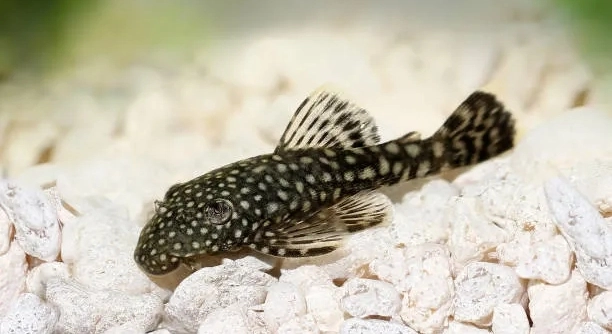
Are your plecos acting picky with their usual pellets and wafers, leaving you unsure of what else they might enjoy?
Plecos are known for their algae-eating habits, but they will often sample a wide range of unexpected foods, including fruits, vegetables, and protein-rich items. This flexibility in diet may surprise many aquarium hobbyists.
From zucchini to unsalted shrimp, these surprising additions could bring variety to your pleco’s diet while keeping them active and nourished.
Cucumber Slices Aren’t Just for Spa Days
Cucumbers are a popular choice for many pleco owners. These vegetables are easy to prepare, and most plecos take to them quickly. Slice the cucumber into thin rounds, remove the seeds, and weigh it down in the tank using a veggie clip or fork. Since cucumbers are mostly water, they don’t cloud the tank as quickly as softer foods. However, they can start to break down within a few hours, so it’s best to remove any leftovers to maintain good water quality. Some plecos may nibble right away, while others need time to warm up to new textures. Offering cucumber once or twice a week gives your pleco variety without overdoing it.
If your pleco isn’t reacting right away, try peeling the cucumber. The outer layer can sometimes be too tough for smaller plecos.
Keep in mind that while cucumbers are a refreshing snack, they shouldn’t be the only vegetable you offer.
Pumpkin Pieces in Small Doses
Pumpkin is soft, easy to digest, and full of fiber, making it a surprising but suitable option for plecos.
Raw pumpkin, sliced into thin wedges, can be placed at the bottom of the tank and will usually attract your pleco’s attention within an hour. Always peel the pumpkin first and remove any seeds, as these parts are difficult to digest. Because pumpkin is starchy, it should be offered sparingly—maybe once every two weeks. Overfeeding can lead to messy water and impact digestion. One thin slice per feeding is enough, especially in smaller tanks. Cooked pumpkin is softer, but raw is more likely to hold its shape underwater. Make sure to monitor the tank after offering it, and clean up after a few hours to avoid waste buildup.
Plecos enjoy variety, and pumpkin is one of those lesser-known options that can give them a break from the usual algae and pellets. It’s also a great seasonal treat during fall.
Watermelon Rinds Can Be a Fun Treat
Watermelon rind is firm enough to hold up underwater and soft enough for plecos to chew. Always wash the rind thoroughly and cut away the pink flesh, leaving only the white part. Avoid feeding the green outer skin.
After slicing the rind into manageable strips, place one piece at the bottom of the tank using a clip or utensil to keep it from floating. The mild flavor and texture usually attract curious plecos fairly quickly. Because it’s low in nutrients compared to other foods, watermelon rind should be given in small amounts—once every couple of weeks is plenty. Leave it in for no more than four hours and remove anything uneaten. Over time, your pleco might learn to expect this treat and become more active when it appears in the tank. It’s especially useful in summer when watermelon is readily available and you want to offer something new.
If your pleco ignores it the first time, try a thinner slice next time or rub a bit of their usual food on the surface to spark interest. Don’t force it if they’re not interested—some just don’t take to this particular food. Always monitor their behavior afterward to ensure they digest it well.
Unsalted Green Beans Are Easy and Clean
Green beans, especially the unsalted canned or blanched fresh kind, are a neat and simple food option. Plecos can latch onto the bean’s surface and graze slowly, which makes it easier to track how much they eat in one sitting.
To prepare, rinse canned green beans or lightly blanch fresh ones to soften the outer skin. You can place them whole into the tank or slice them in half lengthwise to expose the softer inside. Plecos tend to nibble slowly, so it’s okay to leave the bean in the tank for several hours if water quality stays stable. It’s also easy to remove since it doesn’t fall apart quickly. This food is especially good for plecos that seem hesitant with fruits or softer vegetables. Green beans are high in fiber and gentle on their digestive system. Just make sure to avoid any beans with salt or additives—they should be plain and unseasoned.
Sweet Potato Slices Offer a Gentle Option
Thin slices of raw sweet potato can be placed in the tank and usually hold up well underwater. They’re firm enough for plecos to rasp on but soft enough to digest easily when sliced thin. Always peel them first to remove any dirt or wax.
Because sweet potatoes are starchy, they should be given only once every few weeks. One or two small slices are enough. Remove leftovers within a few hours to avoid water clouding. Most plecos show interest quickly, but not all will take to it right away.
Peas Without Skins Are a Soft Snack
Peas are full of fiber and very gentle on a pleco’s digestive system. Start by boiling or microwaving them until soft, then pop off the outer skins. Drop the inner part into the tank. Plecos will often nibble slowly, so leave it in for a few hours, then clean up.
Lettuce Isn’t Just for Rabbits
Romaine lettuce can be clipped to the side of the tank and left for your pleco to graze. Avoid iceberg—it has little nutritional value and falls apart too fast. Choose darker, sturdier leaves and rinse them well before use.
FAQ
Can plecos eat fruit?
Yes, plecos can eat certain fruits like watermelon, apple slices, and grapes in moderation. Fruits should be served in small, manageable pieces and without seeds or skins when possible. Always remember to remove uneaten fruit after a few hours to keep the water clean. While fruits offer some variety and enjoyment, they should not make up the majority of a pleco’s diet. It’s important to prioritize their staple foods, such as algae wafers, over fruits for balanced nutrition.
Are there any foods that plecos should avoid?
Yes, there are several foods that plecos should not eat. These include high-fat or heavily processed foods, like processed cheese or chips, and any food with added salt or seasoning. Plecos should also avoid citrus fruits, as the acidity can be harmful to their digestive system. Always stick to fresh, natural food options, like vegetables and algae-based products. Additionally, avoid giving them meat or fatty foods frequently. These can disrupt their digestive system and harm their health.
How often should I feed my pleco?
You should feed your pleco once or twice a day. Plecos are nocturnal creatures, so you may find they eat more in the evening or overnight. Feed them small amounts of food that they can finish in a few hours to prevent uneaten food from polluting the water. Offering too much food at once can lead to water quality issues. It’s important to remove leftover food promptly to keep the tank clean. Pay attention to your pleco’s behavior and adjust feeding amounts if necessary.
Can I feed plecos raw vegetables?
Yes, plecos can eat raw vegetables, but it’s important to prepare them properly. Vegetables like zucchini, cucumber, and sweet potato can be fed raw, though some may need to be blanched or softened before feeding. It’s a good idea to weigh down the vegetables with a clip or fork so they don’t float and get lost in the tank. Always remove any leftover vegetables after a few hours to maintain good water quality. Keep in mind that some plecos may prefer softer foods, so experiment with different preparations.
Do plecos need algae to survive?
Yes, plecos rely on algae as a primary source of food in the wild, but in an aquarium setting, they may not have access to enough algae. That’s why it’s important to supplement their diet with algae wafers, pellets, or other plant-based foods to ensure they receive proper nutrition. Many plecos will graze on any available algae in the tank, but this isn’t enough to meet their dietary needs long term. Providing them with a variety of algae-based foods will help keep them healthy.
How can I encourage my pleco to eat new foods?
If your pleco is hesitant to try new foods, you can try a few different techniques to encourage them. Start by introducing new foods alongside their usual diet so they can gradually get used to the taste and texture. Sometimes, rubbing their favorite food (such as an algae wafer) on the surface of a new food will spark their interest. You can also try different preparation methods, such as blanching or cutting the vegetables into smaller pieces. Be patient—plecos can take time to adjust to new foods.
Can I feed plecos meat or protein?
Plecos are primarily herbivores, but they do need some protein in their diet. While they don’t require a lot of meat, occasional protein-rich treats can be beneficial. Examples include unsalted shrimp, bloodworms, or fish flakes. These should be offered sparingly, as too much protein can cause digestive issues. Plecos are more likely to enjoy plant-based foods, so protein should only make up a small portion of their diet. Stick to high-quality, aquarium-safe protein sources for the best results.
Should I feed plecos during the day or at night?
Plecos are nocturnal, meaning they are most active at night. It’s best to feed them in the evening or before you go to bed. Many plecos will feel more comfortable eating when the lights are off, as they tend to graze and forage in the dark. Offering food during the night allows them to eat when they are most active and ensures they get the nutrition they need. If you prefer feeding during the day, make sure they have a place to hide if they feel shy about coming out.
Is it okay to feed plecos the same food every day?
While it’s okay to feed your pleco the same food regularly, it’s best to offer variety to keep their diet balanced and exciting. Algae wafers or pellets can be used as the base of their diet, but adding different vegetables, fruits, or protein occasionally can provide them with essential nutrients and keep them healthy. Changing up the menu can also prevent boredom and encourage natural foraging behavior. Just be sure to maintain a consistent feeding schedule to avoid overfeeding or underfeeding.
Can plecos eat spinach or kale?
Yes, plecos can eat spinach and kale in moderation. These leafy greens are good sources of fiber and nutrients. However, both spinach and kale contain oxalates, which can interfere with calcium absorption if fed too often. To avoid this, limit the amount of spinach or kale you give your pleco. You can blanch these greens to soften them, but be sure to remove any leftover leaves after a few hours to avoid water contamination. Offering a variety of vegetables will help ensure your pleco gets the best nutrition.
How do I know if my pleco is overfed?
Overfeeding can lead to a number of problems, such as poor water quality, bloating, and sluggish behavior. If your pleco consistently leaves food uneaten or the water seems cloudy after feeding, you may be overfeeding. Pay attention to their behavior and adjust the amount of food you provide. A healthy pleco will actively eat and finish their meal within a few hours. If you notice your pleco is not as active or has trouble swimming, it could be a sign of overfeeding or a water quality issue. Always monitor your pleco’s eating habits and adjust accordingly.
Final Thoughts
Plecos are hardy and adaptable fish that can thrive in a variety of environments. While they are best known for their ability to eat algae, they can benefit from a range of foods that offer different textures and nutrients. From vegetables like cucumber and zucchini to fruits like watermelon and apples, there’s a wide array of options to enrich their diet. These foods can help mimic what they would eat in the wild, keeping them healthy and active. However, it’s important to offer these foods in moderation and always remove any uneaten food to prevent water quality issues.
Variety in their diet can help prevent boredom and ensure that your pleco gets a well-rounded intake of essential vitamins and minerals. Although plecos are often thought of as bottom-dwelling fish, they still need a balanced diet, which includes some protein, fiber, and carbohydrates. Offering foods like green beans, peas, and even small pieces of shrimp can provide additional nutrients. Just remember that plecos are primarily herbivores, so plant-based foods should make up most of their diet. By offering different foods from time to time, you help your pleco stay physically and mentally healthy.
As with any fish, it’s important to keep a close eye on your pleco’s eating habits and adjust their diet based on their preferences and needs. Some plecos might ignore certain foods at first, but patience is key. Over time, they may grow accustomed to new textures and flavors. Always monitor the water conditions and remove any leftover food to avoid overfeeding. By understanding your pleco’s diet and needs, you can ensure they live a long, healthy, and happy life in your tank.

Hello,
If you enjoy the content that we create, please consider saying a "Thank You!" by leaving a tip.
Every little bit helps us continue crafting quality advice that supports the health, happiness, and well-being of pets around the world, for pets of all shapes, sizes, and species.
We really appreciate the kindness and support that you show us!