
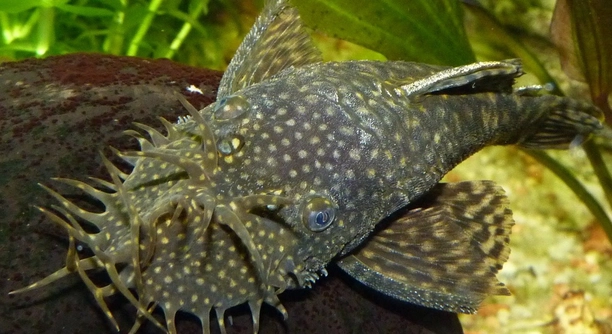
Is your pleco acting shy and always hiding along the tank walls instead of swimming through the open middle space?
Plecos tend to avoid the center area of the tank due to a natural preference for cover and security. Their behavior is often driven by instincts that prioritize staying close to surfaces where they feel protected from potential threats.
Understanding this cautious behavior can help you adjust your tank setup and create a more comforting space for your pleco.
Why Plecos Prefer Staying Close to the Tank’s Edges
Plecos are naturally shy fish that like to feel safe. In the wild, they stay near rocks, wood, and riverbanks to avoid predators. This behavior continues in home aquariums. When plecos avoid the center of the tank, it’s usually because they feel exposed. Open spaces offer little cover, and plecos may not feel secure enough to swim freely. Decorations like driftwood and caves can help them feel more relaxed. If your pleco is always hiding along the sides, it might just be doing what feels safe. It’s not a sign of illness unless it’s paired with other changes, like loss of appetite or strange swimming. A calm tank setup with hiding spots and low lighting can make a big difference. Understanding this helps you create an environment where your pleco feels more at home and less on edge.
This type of behavior is common, especially with new or young plecos adjusting to a new tank.
Plecos also have poor vision and use their surroundings to guide them. Being near the glass or decor helps them feel more oriented and stable. While it may look like your pleco is avoiding open water, it’s really using its environment to feel grounded. Some plecos may grow bolder with time, especially if the tank has plenty of cover and consistent lighting. If your pleco isn’t showing signs of stress or illness, this behavior is likely nothing to worry about. It’s just part of their nature. Adding more hiding places and keeping lighting soft can help encourage them to explore a bit more. Each pleco is a little different, and they often move on their own schedule. With time and a secure space, you may notice your pleco becoming more active in the open areas.
How Tank Setup Affects Pleco Behavior
Many plecos react strongly to tank layout, especially when it feels too bright or open.
A bare tank or one with very few hiding spaces will make your pleco stick to the edges. Plecos need driftwood, caves, and shaded areas to feel at ease. Without these, the center of the tank feels too exposed. Bright lights also discourage them from swimming in open spaces. They are nocturnal by nature, so they prefer dim lighting or places to retreat. Even noise or movement around the tank can affect their comfort level. If the aquarium is in a high-traffic area, your pleco may stay hidden more often. Another thing to check is tank mates. Aggressive or fast-moving fish can intimidate plecos and keep them away from central areas. By adjusting your tank to be more pleco-friendly—using darker decor, adding natural cover, and reducing stressors—you’ll help your pleco feel safe enough to explore more freely. A calm, covered tank supports healthy, natural behavior.
Environmental Stress and Light Sensitivity
Bright lighting can make plecos feel unsafe. Since they’re naturally active at night, strong light can discourage them from exploring. Without darker areas to retreat to, they’ll often stay hidden near tank walls where they feel more shielded.
If your tank lighting is too intense or on for too many hours, it can stress out your pleco. They prefer dim environments and shaded areas to feel comfortable. Try using floating plants or dimmable LED lights to create soft lighting. You can also reduce how long the lights stay on each day. Keep the tank away from direct sunlight and avoid sudden lighting changes. A steady routine and softer light will help your pleco feel calmer and more secure. Over time, these small adjustments can help them move more freely throughout the tank, including the center.
Tank location also matters. If your aquarium is in a noisy or high-traffic area, that constant movement can unsettle your pleco. They pick up on vibrations and shadows quickly. Loud noises, constant activity, and sudden motions may cause them to avoid open space and stick to the tank edges. Moving the tank to a quieter spot or creating more coverage inside the tank can help. Add decor like caves, hollow logs, or heavy plants to give your pleco a place to retreat and recharge. Softening the space helps balance their need for shelter with opportunities to explore. A peaceful setting supports more natural behavior and can reduce the need to hide all day.
Tank Mates and Social Dynamics
Plecos usually prefer to be left alone. If they’re in a tank with fast or aggressive fish, they might avoid the center area completely to stay out of the way.
Territorial or active tank mates can be overwhelming for plecos, especially if there’s not enough room to spread out. Even peaceful fish that move quickly can make them anxious. Plecos are slow-moving and like quiet surroundings. When they feel crowded or pushed out, they’ll cling to the edges or hide behind decorations. It’s important to consider who they share the space with. A tank with calmer companions will make a big difference. Ideal tank mates are those that won’t compete for space or food. Fish like tetras, corydoras, or peaceful rasboras usually work well. Avoid large cichlids or fish that nip or chase. Giving your pleco a stress-free environment encourages them to explore more confidently.
Feeding Habits and Activity Levels
Plecos are mostly active at night, so you might not see them move much during the day. They often explore more when the tank is dark and quiet, which can make it seem like they avoid open areas.
Feeding time can also affect their movement. If food is placed near the walls or bottom, plecos will stay close to those spots. They feel safer eating in low-traffic areas. Try placing food in the center during darker hours to encourage gentle movement into that space.
Health and Water Conditions
Poor water quality can make plecos less active and more likely to hide. If ammonia or nitrite levels are too high, or oxygen is too low, they may stick to the tank walls to avoid stress. Regular testing is important. A clean, well-oxygenated tank helps promote healthy behavior. Even small changes in temperature or pH can affect how secure your pleco feels. Keep everything stable and within safe ranges. When the water feels right, your pleco will feel better and move around more, even in the center of the tank.
Final Thoughts on Pleco Behavior
If your pleco avoids the center, it’s likely doing what feels natural. A few small changes can help it feel safer and more at ease.
FAQ
Why does my pleco only come out at night?
Plecos are nocturnal fish. This means they’re naturally more active during the night. In the wild, they search for food when it’s dark to avoid predators. In home aquariums, this behavior stays the same. Bright lights and daytime movement around the tank can make them feel unsafe, so they stay hidden. Once the lights go off and the room quiets down, your pleco will likely begin to move around more. You can support this behavior by feeding them in the evening or turning down the lights during feeding time to help them feel comfortable.
Is my pleco sick if it’s always hiding?
Not necessarily. Hiding is normal for plecos, especially if they’re new to the tank or if there’s not enough cover. However, if your pleco is hiding and also not eating, breathing heavily, or has faded color, it might be unwell. Check water parameters and look for visible signs of illness like white patches, fin damage, or bloating. If all the tank conditions are good and the pleco looks healthy, hiding is probably just its natural behavior. Giving them more hiding spots and adjusting light levels can help them feel secure and come out more often.
Can I encourage my pleco to explore the center of the tank?
Yes, but it takes a gentle approach. Start by lowering the tank’s light levels and adding shaded spots or floating plants. You can also place sinking food closer to the center during dim hours to attract them. Avoid fast or aggressive tank mates that may make your pleco feel nervous. Make sure the tank has enough caves and hiding places near the middle so the pleco feels there’s cover if needed. With time, a calm, safe setup may help your pleco gain confidence and move away from the edges more often.
What types of decorations help plecos feel safe?
Plecos like natural-looking cover that helps them feel hidden and secure. Driftwood is one of the best options. Not only does it provide shelter, but some species also rasp on it for fiber. Other helpful decorations include stone caves, hollow logs, and thick plants. Look for items that give your pleco a place to rest during the day. Avoid sharp edges or anything that might trap them. You can place decor in the center area of the tank as well. That way, the pleco has a safe path if it chooses to explore more open spots.
Do all plecos behave this way or just certain types?
Most pleco species share similar behaviors, especially the tendency to avoid light and stay near cover. However, some types are shyer than others. For example, Bristlenose plecos tend to be more active and may explore more openly, especially once they settle in. Common plecos or wild-caught varieties can be more reserved and may hide longer. Each fish is unique, and their comfort levels can change over time. Their behavior can also depend on tank size, lighting, decor, and tank mates. Getting to know your pleco’s habits will help you figure out what setup works best.
Why is my pleco always stuck to the glass?
Plecos use their mouths to cling to surfaces, including tank walls, driftwood, and decor. This behavior is normal and helps them feel secure. Sticking to the glass may also be their way of finding algae to eat or just a spot they feel safe in. If they’re constantly on the glass and ignoring other areas, it might mean they don’t have enough hiding spots or surface options. Try adding more decor or adjusting the tank layout to give them varied textures and areas to explore. That can help balance their movement around the tank.
Can too much noise or activity in the room affect my pleco’s behavior?
Yes, plecos are sensitive to vibrations and shadows. Loud noises, frequent movement, or people constantly passing by the tank can cause stress. This may lead them to stay in one corner or hide behind decorations all day. Try placing the tank in a quieter location or adding more hiding areas. A stable and peaceful environment will help your pleco feel safer and may reduce its fear of open spaces. If moving the tank isn’t possible, a background cover or tank divider can help reduce visual stress and offer more privacy.
Final Thoughts
Plecos are peaceful, quiet fish that enjoy calm environments. If your pleco is avoiding the center of the tank, it is likely reacting to things like lighting, tank layout, or other fish. This kind of behavior is often normal and tied to their natural instincts. In the wild, plecos hide in dark areas along the riverbank or under rocks and driftwood. They bring that same behavior into home aquariums. Open spaces can feel risky to them, especially in bright or busy tanks. If your pleco seems healthy otherwise—eating, breathing normally, and showing no signs of illness—then hiding or avoiding the middle is usually nothing to worry about.
Still, it’s always a good idea to check your tank setup. Look at the lighting, decorations, and tank mates. Ask yourself if your pleco has enough hiding spots or if the tank is too loud or bright. Simple changes can help them feel more secure. You don’t need to make big adjustments. A few more caves, some floating plants, or slightly dimmer lighting can make a big difference. Also, remember that plecos are more active at night. If you only check on them during the day, you might be missing their most active time. Watching them after lights go out can give you a better idea of how they’re really behaving.
Over time, your pleco might become more confident and begin to explore the center area. But even if they never do, it’s not a bad sign. Each pleco has its own comfort level and personality. What’s most important is that your pleco is healthy, eating well, and has a peaceful space to live in. Learning to understand your pleco’s behavior can help you give them a better life. Just like any other pet, they have their own needs and routines. With patience and the right environment, your pleco can thrive—even if it prefers to stay along the tank walls.

Hello,
If you enjoy the content that we create, please consider saying a "Thank You!" by leaving a tip.
Every little bit helps us continue crafting quality advice that supports the health, happiness, and well-being of pets around the world, for pets of all shapes, sizes, and species.
We really appreciate the kindness and support that you show us!