
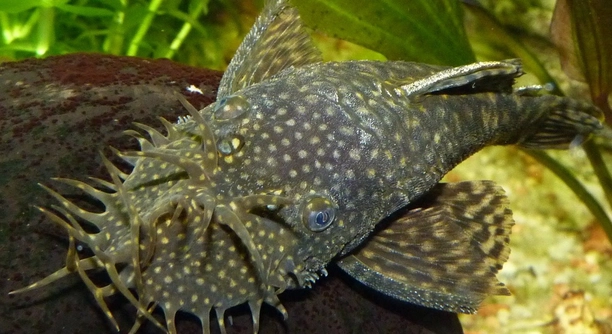
Smaller Plecostomus are peaceful fish that require a balanced and secure environment in their tank. Choosing the right tank mates is crucial to ensuring their comfort and safety. This article will help guide you.
When selecting tank mates for a smaller Plecostomus, it’s essential to choose species that are calm and do not compete for space or food. Some of the best tank mates include peaceful community fish, ensuring a balanced aquarium environment.
By selecting the right companions, you can promote harmony and reduce stress in your Plecostomus’ environment. Let’s explore safe tank mate options and tips for creating the ideal community setup.
Why Choosing the Right Tank Mates is Important
Choosing the right tank mates for your smaller Plecostomus is essential for their health and well-being. These fish are peaceful and typically prefer to keep to themselves. When they’re placed with overly aggressive or territorial species, it can lead to stress or injury. Stress can affect their immune system, making them more vulnerable to diseases. Plecostomus also require ample space to move around, so overcrowding the tank with incompatible species should be avoided. It’s also crucial to consider the other species’ behavior and dietary needs. For instance, some fish are bottom-dwellers, like Plecostomus, and may compete for space or food, creating unnecessary tension. This guide will provide helpful suggestions for selecting peaceful and compatible tank mates, ensuring a comfortable environment for your Plecostomus.
Choosing the right companions for your Plecostomus can significantly improve their overall health and behavior. By ensuring that tank mates are compatible, you create a peaceful environment that promotes their well-being.
With proper tank mates, your Plecostomus can thrive. It’s vital to create a balanced tank setup, considering factors such as space, food, and temperament. Some fish are better suited to peaceful aquariums, while others can cause stress. A balanced, well-planned community ensures all species coexist harmoniously. It’s best to select species that are peaceful, not overly territorial, and non-competitive. This way, your Plecostomus will feel safe and secure, allowing it to exhibit natural behaviors and enjoy a long, healthy life.
Ideal Tank Mates for Smaller Plecostomus
Some fish are particularly well-suited for a peaceful Plecostomus tank. Fish like tetras, rasboras, and peaceful barbs generally thrive alongside a smaller Plecostomus. These species are calm, small in size, and won’t challenge your Plecostomus for space. They also swim in the middle and upper parts of the tank, leaving the bottom area free for your Plecostomus to enjoy.
When selecting tank mates, it’s important to ensure that the species are also non-aggressive and peaceful. For example, Neons or Ember Tetras make excellent choices, as they are small and generally avoid confrontation. Rasboras and small peaceful barbs, like Cherry Barbs, are another good option. These fish share similar environmental requirements, such as temperature range and water conditions. Moreover, these species often remain at the mid or top levels of the aquarium, leaving the bottom for your Plecostomus to roam freely. Keeping the bottom area open is key to your Plecostomus’ comfort, as it can graze on algae and debris without being disturbed.
With the right tank mates, your Plecostomus can lead a more relaxed, stress-free life. Creating a peaceful environment starts with careful selection and ensuring the compatibility of the species in your tank.
Non-Aggressive Fish That Make Great Tank Mates
Non-aggressive fish are essential for a peaceful tank environment. Species like Corydoras catfish, Otocinclus, and small livebearers work well with smaller Plecostomus. They do not compete for space or food and usually stay in the upper or middle areas of the tank.
Corydoras catfish are calm bottom dwellers that won’t interfere with your Plecostomus’ space. These fish are peaceful and often found foraging in the substrate, but they don’t pose a threat. Otocinclus are another great option, known for their algae-eating habits and small size. Their calm nature ensures they won’t bother your Plecostomus. Livebearers, such as Guppies or Mollies, can also be good choices. They’re active, peaceful, and will stay at the top or middle of the tank, leaving the bottom open for your Plecostomus to explore.
These species help create a stress-free environment. With their non-aggressive behavior, they make ideal companions. Each of these fish can coexist peacefully with your Plecostomus, contributing to a harmonious aquarium setup.
Fish That Stay in the Upper and Middle Tank Levels
Fish that remain in the upper and middle parts of the tank are less likely to disturb your Plecostomus. Species like Neon Tetras, Zebra Danios, and Rasboras spend most of their time swimming at higher levels, allowing your Plecostomus to occupy the bottom.
Neon Tetras are small and peaceful, making them ideal tank mates for Plecostomus. These colorful fish tend to swim in groups, creating a peaceful atmosphere that doesn’t intrude on your Plecostomus. Zebra Danios are another excellent option, as they’re hardy, fast swimmers that spend most of their time at the mid to top levels. They are also non-aggressive, reducing the risk of stress or territorial disputes. Rasboras are calm fish that remain at the mid or upper tank levels. Their gentle nature ensures they won’t bother your Plecostomus, and their schooling behavior provides a calm environment.
Having fish that don’t share the bottom of the tank with your Plecostomus allows both species to coexist without competition. The separation of tank levels helps maintain peace, ensuring that both the Plecostomus and its tank mates feel comfortable.
Peaceful Bottom Dwellers for a Plecostomus Tank
Bottom-dwelling fish that are peaceful can share the same space with a smaller Plecostomus. Species like Kuhli Loaches, Corydoras, and small catfish are ideal. They won’t compete for food or territory, allowing your Plecostomus to feel at ease.
Kuhli Loaches are calm and spend most of their time buried in the substrate or hiding in decorations. This behavior ensures they don’t interfere with the Plecostomus’ movement or grazing. Corydoras catfish also make great tank mates because of their peaceful, bottom-dwelling nature. They stay out of the Plecostomus’ way while scavenging for food. These species are known for their friendly behavior and won’t pose any harm to the Plecostomus.
Adding these peaceful bottom dwellers helps to keep the environment calm. The Plecostomus and its companions will coexist in harmony without overcrowding or territorial disputes.
Shrimp and Snails as Tank Mates
Shrimp and snails are often overlooked but can be great companions for a Plecostomus. Species like Amano Shrimp and Nerite Snails can help maintain a clean tank while avoiding any conflicts with the Plecostomus.
Amano Shrimp are known for their algae-eating habits, which make them helpful in keeping the tank tidy. These shrimp are also peaceful and won’t bother your Plecostomus. Nerite Snails are another fantastic option, as they’re excellent at cleaning algae from tank surfaces. These snails are slow-moving and non-aggressive, ensuring they won’t interfere with the Plecostomus’ territory. They provide additional cleaning support, helping to maintain a balanced environment.
These small, peaceful species can easily fit into your tank, offering both cleaning benefits and companionship without causing any disruptions.
Fish That Avoid Territorial Behavior
Fish that are non-territorial and peaceful contribute to a calm tank environment. Species like small Rasboras, Tetras, and peaceful Gouramis are excellent choices for a Plecostomus setup. These species generally avoid territorial behavior, allowing all fish to coexist peacefully.
Rasboras, like the Harlequin variety, are non-aggressive and thrive in schools. Their gentle behavior ensures they won’t bother the Plecostomus. Tetras, such as the Glowlight or Ember Tetra, are equally peaceful. These species typically swim in groups and avoid aggressive actions that could stress other tank inhabitants. Peaceful Gouramis also make good companions. While they might be slightly larger, their calm nature and non-territorial behavior make them suitable for a tank with a Plecostomus. These fish are easygoing and won’t fight over space, food, or territory.
Choosing non-territorial fish ensures that the Plecostomus won’t face unnecessary stress. These peaceful species create a relaxed environment, contributing to a healthy and happy aquarium.
FAQ
What are the best tank mates for a smaller Plecostomus?
Some of the best tank mates for a smaller Plecostomus are peaceful fish species like Tetras, Rasboras, Corydoras catfish, and Otocinclus. These fish generally occupy different levels of the tank, leaving the bottom free for the Plecostomus to forage and explore. When choosing tank mates, it’s essential to ensure that the other species are not aggressive, as stress can lead to health issues for your Plecostomus. The fish should also be small and non-territorial to avoid any conflict over space or food.
Can Plecostomus live with goldfish?
While Plecostomus and goldfish might seem compatible due to their peaceful nature, they are not the best tank mates. Goldfish are cold-water species, while Plecostomus thrive in warmer water. These temperature differences can lead to stress for both species, affecting their health. Furthermore, goldfish are often more active and may accidentally harass or outcompete the Plecostomus for food. It’s best to keep these species in separate tanks with appropriate conditions.
Are shrimp safe with Plecostomus?
Yes, shrimp like Amano Shrimp and Cherry Shrimp can live safely with Plecostomus, as long as they are not too small. Plecostomus are generally peaceful and do not actively hunt or harm shrimp. Shrimp also help clean the tank by eating algae and debris, which can be beneficial for your aquarium’s overall health. However, if the Plecostomus is particularly large or hungry, there’s a slight chance it might nibble on smaller shrimp, so it’s important to monitor the tank closely.
Do Plecostomus need to be in a school?
No, Plecostomus do not need to be in a school. Unlike some fish species that thrive in groups, Plecostomus are solitary by nature. They are comfortable alone, especially when provided with a tank that has enough hiding spots and territories. While they can coexist with other peaceful species, they don’t rely on schooling behavior. It’s more important to ensure they have enough space and hiding areas to feel secure.
What is the minimum tank size for a smaller Plecostomus?
The minimum tank size for a smaller Plecostomus is 30 gallons. While they are relatively small when young, Plecostomus can grow to be quite large, so providing ample space is essential. A 30-gallon tank allows for proper swimming space and hiding areas, ensuring that the Plecostomus feels comfortable and secure. If you plan to keep other fish with your Plecostomus, you may need a larger tank to accommodate everyone.
Can a Plecostomus live with bettas?
It’s not ideal to keep a Plecostomus with a Betta fish. While Plecostomus are peaceful bottom dwellers, Bettas are territorial and can become aggressive, especially toward other fish that enter their space. The Plecostomus might not engage in direct conflict with the Betta, but the Betta may constantly chase or attack it. This behavior could lead to stress for both fish. It’s better to house a Betta with non-aggressive, small fish that won’t trigger its territorial instincts.
Do Plecostomus eat algae?
Yes, Plecostomus are well-known for their algae-eating abilities. They help maintain a clean tank by grazing on algae that accumulate on tank surfaces, decorations, and plants. While they can assist in reducing algae growth, it’s important to note that they should not be solely relied upon for tank cleaning. Supplementing their diet with algae wafers or other fish food is necessary to ensure they receive a balanced diet. This will also prevent them from consuming all available algae too quickly.
Are there any fish that should not be kept with Plecostomus?
Yes, there are certain fish species that should not be kept with Plecostomus. Aggressive or territorial species like cichlids, larger barbs, or aggressive tetras can cause stress or even harm your Plecostomus. These fish may compete for space and food or try to chase the Plecostomus, which could lead to injuries. Additionally, any fish species that are too small and can be seen as prey by the Plecostomus should be avoided. It’s essential to select tank mates that are peaceful and won’t pose a threat.
Can Plecostomus live with other Plecostomus?
Yes, multiple Plecostomus can live in the same tank, but only under certain conditions. It’s important to have a large enough tank (at least 55 gallons) to accommodate more than one Plecostomus, as they can become territorial, especially as they grow. Providing plenty of hiding spots and territories will help reduce aggression between them. They tend to be more peaceful if they are not competing for space or resources. However, be mindful of tank size and the number of Plecostomus in the aquarium.
How often should I feed a Plecostomus?
Feeding frequency for a Plecostomus depends on its age and size. Young Plecostomus should be fed daily, while adults can be fed every other day or 2-3 times per week. Since they are primarily herbivores, their diet should consist of algae wafers, vegetables like zucchini and cucumber, and occasional protein-rich foods like bloodworms. It’s important not to overfeed them, as uneaten food can lead to water quality issues. Monitor your Plecostomus and adjust feeding as needed based on its activity level and size.
Can Plecostomus live with smaller fish?
Yes, smaller fish like Tetras, Rasboras, and Corydoras can live peacefully with Plecostomus. Plecostomus are generally non-aggressive and will not harm smaller fish unless they are too small and can be seen as prey. However, it’s important to choose small species that are peaceful and won’t compete for the same space or food. As long as tank mates are compatible in size, temperament, and feeding habits, Plecostomus can coexist well with smaller fish in a community tank.
Final Thoughts
Choosing the right tank mates for a smaller Plecostomus is crucial for maintaining a peaceful and healthy aquarium environment. These fish are known for their calm nature, but they do need certain conditions to thrive. It’s important to select tank mates that are compatible in terms of temperament and size. Aggressive or overly active fish should be avoided to prevent stress and potential harm to your Plecostomus. By considering peaceful, non-territorial species, you can create a harmonious tank where all fish can coexist.
When setting up a tank for your Plecostomus, size matters. They require plenty of space to move around and hide. A smaller tank can cause stress and limit the fish’s ability to thrive. Providing hiding spots, such as caves or plants, allows the Plecostomus to feel safe and secure. It’s also important to maintain good water quality and temperature. Plecostomus are sensitive to changes in their environment, so regular water changes and monitoring of water parameters are essential. These steps ensure that your Plecostomus will remain healthy and active in its tank.
Overall, the key to a successful aquarium with a Plecostomus lies in the care you give it. Ensuring proper tank size, selecting the right tank mates, and maintaining a stable environment will go a long way in keeping your fish happy. Remember that these fish are peaceful bottom dwellers that thrive in calm, well-maintained tanks. By following these guidelines and providing a suitable environment, your Plecostomus will not only survive but flourish alongside its tank mates.

Hello,
If you enjoy the content that we create, please consider saying a "Thank You!" by leaving a tip.
Every little bit helps us continue crafting quality advice that supports the health, happiness, and well-being of pets around the world, for pets of all shapes, sizes, and species.
We really appreciate the kindness and support that you show us!