
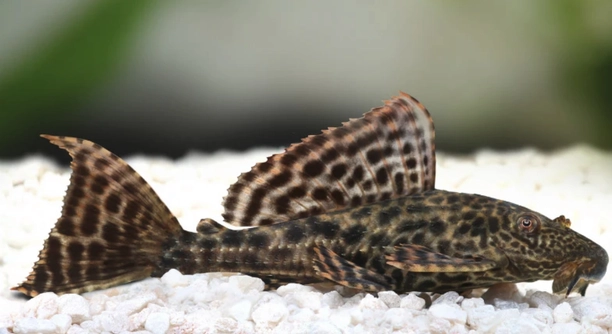
Plecos are fascinating creatures, and their activity levels can be influenced by various factors. If you want to keep them engaged and healthy, simple additions to their environment can make a big difference.
To encourage activity in plecos, adding elements like driftwood, caves, and plants can provide both shelter and stimulation. These additions mimic their natural habitat, promoting exploration, grazing, and healthy behavior, contributing to a more active and vibrant pleco.
Making these simple changes to your pleco’s tank will help enhance its overall well-being and activity levels.
Adding Driftwood for Natural Enrichment
Driftwood is one of the best additions you can make to your pleco’s tank. It serves multiple purposes, from offering a natural hiding spot to providing surfaces for algae growth, which plecos enjoy eating. By adding driftwood, you help mimic their natural environment, which encourages more active and healthy behaviors. The texture of the wood also helps wear down plecos’ growing teeth, promoting dental health. As plecos are known to be territorial, placing driftwood strategically can also create distinct zones within the tank, offering them a sense of security and privacy.
Even though driftwood is an excellent addition, ensure it’s safe for your pleco. Not all wood types are suitable, so make sure to choose driftwood that’s been properly prepared and cleaned before placing it in the tank.
Driftwood also enhances the aesthetic appeal of the aquarium, making it look more natural and providing the plecos with a place to rest or explore. Over time, the plecos will interact with the driftwood more, helping them stay active and engaged.
Providing Hiding Places with Caves
Caves are another crucial addition to a pleco tank. They provide a sense of safety, which is essential for plecos, as they like to retreat into hidden spaces when they feel threatened. Caves mimic the rocks and crevices that plecos would find in their natural habitat.
When selecting caves, ensure they are large enough for the plecos to fit comfortably, but not too large to remove the sense of security. They should be made from materials that are easy to clean and free from sharp edges.
Adding caves will keep your plecos feeling secure and encourage natural behaviors like hiding and exploring.
Adding Live Plants
Live plants are essential for creating a natural and healthy environment for plecos. They offer oxygen, absorb excess nutrients, and provide shelter. Plants also create a more visually appealing tank, encouraging plecos to explore and stay active. Choose hardy plants like Anubias or Java Fern, as they thrive in the low-light conditions that plecos prefer.
Plants give plecos the opportunity to graze on algae and other microorganisms, promoting a more natural diet. The plants also help to filter the water, keeping it cleaner for longer. Over time, the plecos will interact with the plants more, feeding on algae and using them as hiding spots.
The added plants will encourage plecos to stay active. They will appreciate having a more complex environment where they can move freely, hide, and forage. Plants also enhance the overall look of the tank, adding layers of depth and texture.
Offering Proper Tank Lighting
Lighting plays a crucial role in keeping plecos active. While they prefer low to moderate lighting, a light cycle of 10 to 12 hours helps regulate their internal clock and promotes healthy activity. A consistent light schedule can also help the plecos adjust to feeding times.
The right lighting allows plecos to establish a daily rhythm, which can improve their activity levels. Avoid harsh, bright lights, as they can cause stress or disrupt their natural behaviors. Instead, use dimmer lighting or create shaded areas within the tank.
Plecos are nocturnal creatures, so they may be more active during the evening. Providing a balanced light cycle mimics their natural habitat, allowing them to explore more comfortably and remain healthy.
Using Tank Decorations
Tank decorations can provide plecos with additional hiding spots and surfaces to explore. These objects, such as rocks, artificial caves, and clay pots, help mimic the natural environment plecos are accustomed to. When adding decorations, ensure they are smooth and free of sharp edges to prevent injury.
The right decorations encourage plecos to stay active and explore their surroundings. They also offer places to rest, which can reduce stress and promote overall well-being. Arranging decorations thoughtfully can create distinct spaces within the tank, allowing plecos to feel more secure while still being active.
Maintaining Proper Water Parameters
Water quality is essential for pleco activity. Maintaining stable water parameters, such as temperature, pH, and hardness, ensures they remain healthy and active. Check the water regularly to avoid any sudden fluctuations, as plecos are sensitive to changes in their environment.
By maintaining proper water conditions, plecos are more likely to thrive and exhibit natural behaviors. The water temperature should range from 74°F to 80°F, with a slightly acidic to neutral pH. Regular water changes are necessary to keep the tank clean and ensure the plecos stay comfortable.
Feeding Plecos Properly
Feeding plecos the right food can significantly impact their energy and activity levels. They are primarily herbivores, so supplement their diet with algae wafers, blanched vegetables, and occasional protein sources like shrimp. Offering a variety of foods helps maintain their health and encourages them to remain active.
Proper feeding supports a more active lifestyle for plecos, as they will constantly forage for food. Make sure to avoid overfeeding, as excess food can pollute the tank and lead to poor water quality, making the plecos less active. Regularly monitor their feeding habits to ensure they are getting enough nutrition.
FAQ
What type of environment do plecos need to stay active?
Plecos need a well-planted tank with hiding spots like caves and driftwood to thrive. These additions mimic their natural habitat and offer them a sense of security. A balance of plants, rocks, and water features will help plecos feel comfortable, encouraging them to stay active. The more complex their environment, the more opportunities they have for exploration, which keeps them engaged. Additionally, having good water quality is crucial; ensure the water is clean, and maintain a stable temperature, as drastic changes can lead to stress and reduce their activity.
Do plecos need a lot of space?
Yes, plecos can grow large, so providing them with enough space is essential for their well-being and activity levels. A minimum of 30 gallons is recommended for a single pleco, though larger species may require even more. A larger tank offers more room to explore and prevents territorial behavior. In a cramped tank, plecos may feel stressed and become less active. It’s important to ensure they have plenty of space for swimming, grazing, and resting, which encourages them to move around more and stay healthy.
What kind of plants should I add to my pleco tank?
Hardy plants like Java Fern, Anubias, and Hornwort are great choices for pleco tanks. These plants can survive in low to moderate lighting, which suits plecos’ needs. Java Fern and Anubias are also known for their resilience, which makes them perfect for a tank with plecos that may graze on them occasionally. Live plants provide oxygen, remove toxins, and give plecos the opportunity to forage for microorganisms. They also create a more natural environment, which can reduce stress and help plecos stay active and healthy.
How often should I change the water in my pleco tank?
Water changes should be done regularly to maintain good water quality. For a pleco tank, a 25-30% water change once a week is ideal. This helps remove waste, uneaten food, and other toxins that can accumulate, keeping the water clean and promoting pleco health. If the tank is heavily stocked, you may need to increase the frequency of water changes. Always check the water parameters, such as ammonia, nitrites, and nitrates, to ensure the plecos have a healthy environment to live in.
Can plecos live with other fish?
Plecos can generally live with other peaceful fish species, as long as the tank is large enough and everyone has enough space. They are usually not aggressive, but larger plecos can sometimes be territorial. It’s best to avoid tankmates that are small or fin-nipping, as they might cause stress. Plecos do well with species like tetras, barbs, and gouramis, as long as there’s enough hiding space and resources for everyone. When choosing tankmates, always consider the size and temperament of the fish to ensure compatibility.
How do I know if my pleco is stressed?
Stressed plecos may exhibit several signs, including hiding for extended periods, reduced activity, or a loss of appetite. Their colors may also become dull, and they might exhibit unusual behavior such as excessive scratching against objects in the tank. Stress in plecos can be caused by poor water quality, insufficient hiding spots, incorrect temperature, or incompatible tankmates. If you notice these signs, check the water parameters immediately and ensure the tank setup meets the pleco’s needs. Reducing stress is crucial to keeping plecos active and healthy.
What should I feed my pleco to keep it healthy?
Plecos are primarily herbivores, so their diet should consist of algae, blanched vegetables (like zucchini and cucumber), and algae wafers. They may also enjoy occasional protein, such as shrimp or sinking pellets. A varied diet is important to ensure they receive all the necessary nutrients for growth and energy. Avoid overfeeding, as uneaten food can pollute the water. Offering small portions and removing any leftover food after a few hours helps maintain water quality and prevents the plecos from becoming sluggish due to poor tank conditions.
How do I encourage my pleco to eat more algae?
If your pleco isn’t eating enough algae, try adding natural sources of algae to the tank. You can place algae wafers or spirulina tablets in areas where your pleco can easily find them. To encourage natural foraging, you can also add pieces of driftwood, as plecos often graze on the algae that forms on it. If you have a heavily planted tank, ensure there’s enough light for algae growth. If your pleco isn’t eating algae, it could be a sign of poor water quality or insufficient food, so check the environment and their diet accordingly.
Are plecos nocturnal?
Yes, plecos are nocturnal creatures, meaning they are most active during the night. They prefer to forage and explore after the lights go out, which is why they may seem inactive during the day. To accommodate their nocturnal habits, ensure that the tank’s lighting schedule aligns with their natural cycle, allowing them to feel secure when they are most active. If your pleco is hiding during the day, this is normal behavior. However, if it remains hidden constantly or stops feeding, it could indicate stress or health issues.
What can I do if my pleco isn’t growing?
If your pleco isn’t growing as expected, there may be several factors to consider. First, check the water quality to ensure it is suitable for their needs. Poor water conditions can stunt growth. Also, make sure they are getting a proper, varied diet, as inadequate nutrition can lead to stunted growth. Insufficient tank space can also be a problem. If the tank is too small, the pleco may not have enough room to grow properly. Regular tank maintenance and monitoring can help ensure your pleco is growing at a healthy rate.
Final Thoughts
Plecos are fascinating and resilient fish that can bring a lot of life to your aquarium. They require certain conditions to thrive, such as a well-planted tank, proper water quality, and a balanced diet. Creating a suitable environment with plenty of hiding spaces and exploring opportunities encourages their natural behaviors, keeping them active and healthy. It’s important to remember that plecos are nocturnal creatures, so they may be most active during the night. Providing them with the right care can help ensure they live a long and active life in your tank.
Maintaining their environment is key. Regular water changes, monitoring water parameters, and ensuring the tank is not overcrowded are all important steps in promoting pleco health. Tank decorations, plants, and driftwood can help replicate their natural habitat, allowing them to forage and explore. These factors, combined with the right diet, can greatly enhance the well-being of your plecos. Additionally, feeding them the proper foods, such as algae wafers and vegetables, helps support their activity levels and overall health.
Understanding the needs of your plecos will make a significant difference in their behavior and long-term happiness. Keeping their tank clean, offering varied food sources, and providing space to swim and hide all contribute to a more active, healthier pleco. If you observe signs of stress, such as reduced activity or poor eating habits, it’s important to address the root cause, whether it’s water quality, tank size, or diet. With the right care and attention, plecos can thrive in your aquarium and offer years of enjoyment.

Hello,
If you enjoy the content that we create, please consider saying a "Thank You!" by leaving a tip.
Every little bit helps us continue crafting quality advice that supports the health, happiness, and well-being of pets around the world, for pets of all shapes, sizes, and species.
We really appreciate the kindness and support that you show us!