
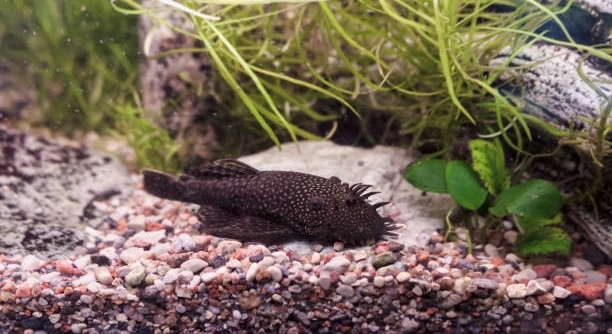
If you have a pleco in your aquarium, you may have noticed that it sometimes clings to the heater. This behavior can seem odd, but it’s quite common among plecos and can be linked to various factors.
Plecos may attach themselves to heaters due to their need for warmth. These fish are naturally drawn to stable temperature areas, and the heater provides a consistent heat source. Additionally, they may seek out the surface for comfort or to explore their environment.
Understanding why your pleco behaves this way will help you create a better environment for it. Keeping an eye on the water temperature and heater placement can prevent future concerns.
Reasons Why Your Pleco Is Attracted to the Heater
Plecos are naturally drawn to stable areas with warmer temperatures. In the wild, they often inhabit places with consistent warmth, such as near hot springs or riverbeds with sunlight exposure. In your aquarium, the heater represents that source of warmth. This attraction is especially strong if the water temperature fluctuates or is lower than the pleco’s preference.
If the water is too cold, the pleco may try to regulate its body temperature by staying close to the heater. Similarly, if the heater is not positioned correctly or is too close to the fish, the pleco may find comfort in the warmth it provides, even if it’s not ideal for the environment.
To prevent your pleco from staying glued to the heater, make sure the water temperature is within the recommended range for plecos. Adjust the heater’s position if necessary and ensure there is adequate space for the fish to swim freely.
How to Adjust Your Aquarium Setup for Your Pleco
Maintaining a consistent water temperature is key to preventing your pleco from constantly hanging around the heater. The ideal temperature for most plecos is between 74°F and 80°F. If the water is too cold, your pleco will naturally seek out warmer spots.
Make sure your heater is placed at an appropriate distance from the pleco’s regular swimming areas. This helps ensure that the pleco doesn’t remain in one place for too long, which can lead to stress or other issues. Additionally, adding more plants or driftwood will give your pleco additional spots to explore, creating a more balanced environment.
It’s also important to use a reliable thermometer to keep track of the water temperature and avoid drastic fluctuations. If you notice your pleco still clinging to the heater, you may need to check if the heater is malfunctioning and providing inconsistent warmth. Keeping the environment stable will help your pleco stay healthy and content.
The Role of Tank Size in Heater Attraction
If your tank is too small, the heater might be too close to your pleco, encouraging it to stay near the warmth. Larger tanks provide more space, allowing the pleco to swim freely without feeling confined to a single spot. A cramped tank can make your pleco feel unsafe or stressed.
In a larger tank, the heat from the heater disperses more evenly, preventing any one area from becoming overly warm. This gives your pleco the freedom to explore without being drawn to the heater constantly. A well-sized tank also ensures that the pleco has plenty of hiding spots and surfaces to rest on.
If your pleco’s behavior continues despite a larger tank, it’s worth checking other factors such as water temperature or the heater’s position. Maintaining an appropriately sized tank can help create a more natural and comfortable environment for your pleco, reducing its need to cling to the heater.
Checking the Heater’s Temperature Range
A heater that doesn’t maintain a consistent temperature may cause your pleco to seek warmth by staying near it. Heaters with unreliable temperature settings can fluctuate too much, pushing the pleco to the heater for stability. Regularly check the heater to ensure it’s functioning properly.
It’s a good idea to use a high-quality aquarium heater with a built-in thermostat. This ensures the water temperature remains steady within the ideal range. Plecos can be sensitive to rapid changes in water temperature, so it’s crucial to maintain stability. By investing in a reliable heater, you help protect the health of your fish.
Additionally, placing a thermometer in the tank will allow you to monitor the water temperature throughout the day. This can give you peace of mind that the temperature is consistent, preventing your pleco from constantly relying on the heater.
The Importance of Proper Tank Maintenance
Regular tank maintenance is essential to keep the water quality in check. Poor water quality can cause stress to your pleco, which may then cling to the heater for comfort. Keeping the tank clean reduces toxins and ensures a healthier environment for your fish.
Make sure to clean the tank regularly by removing excess food, waste, and debris. Perform partial water changes weekly to maintain water quality. Checking the filtration system is also important, as a malfunctioning filter can affect water circulation and lead to warmer spots near the heater. This could further encourage your pleco to stay in one place.
By maintaining a clean and balanced tank, you can reduce the chances of your pleco relying on the heater for comfort. A stable, clean environment will support its overall health and well-being.
The Effect of Lighting on Your Pleco
Lighting can also play a role in your pleco’s behavior. If your tank has bright lighting for long periods, your pleco might feel stressed, leading it to seek refuge near the heater. Plecos are nocturnal and prefer dimmer, natural light conditions.
To provide your pleco with a more comfortable environment, limit the tank’s light exposure to 8-10 hours a day. Consider using a low-wattage light or setting up a timer to mimic a more natural day-night cycle. This can help reduce stress levels and prevent your pleco from staying near the heater.
By adjusting the lighting schedule, you can make your pleco feel more at ease and encourage natural behaviors.
Feeding Habits and Their Influence on Behavior
If your pleco is not eating enough, it may cling to the heater in search of comfort or warmth. A well-fed pleco is more likely to explore the tank and exhibit normal behaviors. Ensure your pleco has access to the right type of food.
Feeding your pleco a balanced diet that includes algae wafers, vegetables, and protein sources is key to keeping it healthy. Offer food once or twice a day, but avoid overfeeding, as this can lead to water quality issues. Also, ensure the food is sinking properly for easy access by your pleco.
Proper feeding habits not only support the pleco’s health but also encourage more natural movements within the tank.
FAQ
Why does my pleco stay near the heater?
Your pleco likely stays near the heater because it is drawn to the warmth. Plecos are cold-blooded fish and prefer stable, warm environments. When the water temperature fluctuates, your pleco might seek comfort near the heater. It’s important to ensure the water temperature stays within the ideal range of 74°F to 80°F to prevent this behavior.
Can I fix the issue by adjusting the heater’s placement?
Yes, adjusting the heater’s position can help. If the heater is too close to where your pleco tends to rest, it might cause it to spend more time in that area. Ensure the heater is positioned in a way that it distributes heat evenly across the tank. This way, the pleco can enjoy warmth without feeling forced to stay near the heater.
Is it harmful for my pleco to stay near the heater for long periods?
It can be harmful if your pleco stays near the heater for too long. Prolonged exposure to concentrated heat can cause stress or even physical harm to the fish. Additionally, it may disrupt the pleco’s natural behavior patterns and affect its overall health. It’s important to monitor the situation and adjust the tank’s temperature and environment accordingly.
What is the ideal water temperature for my pleco?
The ideal water temperature for most plecos is between 74°F and 80°F. Staying within this range promotes health and natural behavior in your pleco. If the water is too cold, your pleco will seek warmer spots, often near the heater. If the water is too warm, it can cause stress or lead to health issues.
How can I ensure my pleco’s environment is comfortable?
To ensure your pleco’s environment is comfortable, maintain proper water conditions, including temperature, pH, and water quality. Use a reliable heater with a thermostat and monitor the temperature regularly. Provide plenty of hiding spots like driftwood or plants to give your pleco space to explore. Regular tank maintenance, including water changes and filter checks, will also contribute to a healthier environment.
Can a dirty tank cause my pleco to cling to the heater?
Yes, a dirty tank can cause your pleco to seek warmth by clinging to the heater. Poor water quality can lead to stress and discomfort, pushing your pleco to the heater for relief. Regularly clean the tank, remove debris, and perform water changes to maintain a healthy environment that supports your pleco’s well-being.
Should I adjust the lighting in my tank to help my pleco?
Yes, adjusting the lighting can help your pleco feel more comfortable. Plecos are nocturnal creatures and prefer dimmer light conditions. If your tank is too brightly lit for long periods, it may cause stress. Aim for 8 to 10 hours of light exposure per day and consider using a low-wattage light to mimic a more natural cycle.
What type of food is best for my pleco?
Plecos thrive on a diet rich in algae and plant matter. Provide them with algae wafers, vegetables like zucchini or cucumber, and occasional protein sources such as shrimp or earthworms. Make sure to offer food that sinks to the bottom, as plecos typically feed on the tank floor. A balanced diet will keep your pleco healthy and discourage undesirable behavior like clinging to the heater.
Can the size of my tank affect my pleco’s behavior?
Yes, the size of your tank can affect your pleco’s behavior. In a smaller tank, the pleco may feel confined and be more likely to stay near the heater. A larger tank provides more space to swim, explore, and find comfortable areas to rest. A bigger tank also allows for better heat distribution, preventing the pleco from relying too much on the heater.
How often should I feed my pleco?
You should feed your pleco once or twice a day, depending on its size and the type of food provided. Avoid overfeeding, as this can lead to water quality issues. If the pleco doesn’t eat all the food within a few hours, remove any leftover food to prevent it from decaying in the tank. A regular feeding schedule will keep your pleco healthy and encourage it to explore more.
Does my pleco need a heater in its tank?
Yes, a heater is often necessary for plecos, especially if you live in a cooler climate. Since plecos are tropical fish, they need a consistent temperature to stay healthy. A heater helps maintain the proper water temperature, preventing fluctuations that could stress your pleco. Always make sure the heater is appropriate for the size of your tank to avoid overheating or underheating the water.
Can a malfunctioning heater cause my pleco to behave unusually?
Yes, a malfunctioning heater can cause your pleco to behave unusually. If the heater is not providing a consistent temperature, it may cause the pleco to seek warmth near it or even lead to stress if the water becomes too hot or too cold. Check your heater regularly to ensure it is working properly and providing a stable temperature.
How can I reduce the risk of my pleco staying near the heater?
To reduce the risk of your pleco staying near the heater, make sure the water temperature is consistent and within the recommended range. Provide plenty of hiding spots and natural elements like plants and driftwood to make your pleco feel secure. Also, maintain a clean tank with proper filtration to reduce any stress caused by poor water quality.
Final Thoughts
Understanding why your pleco stays glued to the heater is key to providing a more comfortable environment for it. Plecos often seek warmth when they feel cold or stressed. It’s a natural behavior, but it’s important to ensure your tank’s temperature remains stable. A sudden change in water temperature can lead to your pleco staying close to the heater. Regularly monitoring the water temperature and ensuring it’s within the recommended range of 74°F to 80°F can help prevent this behavior. A thermometer placed in your tank is a simple way to track the temperature and avoid any fluctuations.
Additionally, creating a stable environment with clean water and the right lighting is essential. Plecos, being nocturnal creatures, prefer dim lighting and peaceful surroundings. If the water is not clean or the lighting is too bright, it may cause stress, leading your pleco to seek refuge near the heater. Regular maintenance, such as cleaning the tank, performing water changes, and checking the filtration system, will improve water quality. Proper feeding practices also contribute to your pleco’s overall health, ensuring that it’s strong enough to explore the tank rather than relying on the heater for comfort.
Finally, providing your pleco with plenty of hiding spots and space to swim is crucial for its well-being. Plecos are naturally shy and need areas to feel secure. With a well-maintained tank, appropriate water temperature, and a peaceful environment, your pleco will be less likely to stay near the heater. By taking these steps, you can create a healthy and comfortable home for your pleco that encourages natural behavior, reducing the stress that might otherwise cause it to cling to the heater.

Hello,
If you enjoy the content that we create, please consider saying a "Thank You!" by leaving a tip.
Every little bit helps us continue crafting quality advice that supports the health, happiness, and well-being of pets around the world, for pets of all shapes, sizes, and species.
We really appreciate the kindness and support that you show us!