
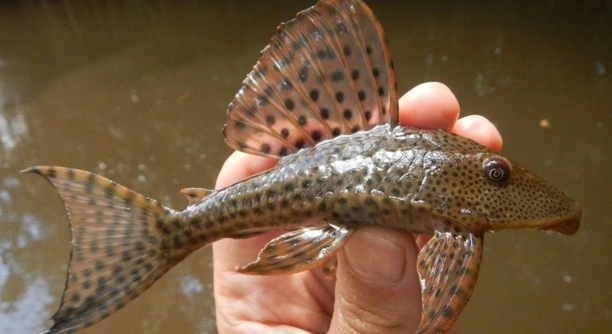
Have you ever kept a pleco and noticed changes in its behavior or appearance when the water’s pH level drops too low?
Keeping a pleco in low pH water is not recommended, as it can lead to stress, weakened immune function, and long-term health issues. These fish thrive best in slightly acidic to neutral conditions, typically between 6.5 and 7.5.
Understanding the ideal water conditions will help your pleco stay healthy and active for years to come. Let’s take a closer look at what low pH really means.
Why Low pH Is Harmful for Plecos
Plecos are freshwater fish that naturally live in rivers with stable, slightly acidic to neutral pH levels. When kept in low pH conditions—usually below 6.0—they become vulnerable to several health problems. Their skin and gill tissues can become irritated, making it difficult for them to breathe properly. Long-term exposure to acidic water can weaken their immune systems, leaving them open to infections and parasites. Even if a pleco appears to be adapting, the stress can build over time, leading to lethargy and reduced appetite. These are not always easy signs to catch early. Many people don’t realize the damage until it’s too late. By the time visible symptoms show up, the fish may already be struggling to recover. That’s why it’s important to maintain a stable, well-monitored environment. Regular testing and small water changes can help keep the pH within a safe range.
Signs of stress may include less movement, faded coloring, or poor eating habits.
If your tank’s pH drops and stays too low, your pleco may eventually stop eating and isolate itself in hiding spots. You might also notice it becoming more sensitive to light or developing visible marks or damage on its skin. In extreme cases, acidic water can lead to burns or tissue breakdown. This isn’t just uncomfortable for the fish—it’s dangerous. Even if you adjust the pH later, long-term exposure can have lasting effects. Plecos need a consistent environment with the right balance of minerals and water parameters. Keep in mind that other factors like water hardness, ammonia levels, and temperature also play a role. But without the right pH, none of those matter. Taking steps to test your water and act quickly will help prevent more serious problems. Prevention is much easier than recovery.
How to Keep pH at a Safe Level
Low pH levels often result from decaying plants, driftwood, or old filter media. Over time, these materials release acids into the water.
To maintain a healthy pH range, start with regular testing. Aquarium test kits make it easy to track changes before they become a problem. If your pH begins to drop, consider replacing old filter media or performing a partial water change using dechlorinated tap water, which is often more neutral. Crushed coral or limestone can be added to your substrate to help buffer the pH and keep it stable. Avoid making sudden changes, as this can shock your pleco and other fish. If your tank includes driftwood, monitor its impact, especially in smaller tanks where changes occur faster. It’s also helpful to remove uneaten food and debris promptly, as they break down and contribute to acidity. By staying consistent with your tank maintenance, you can avoid the stress that low pH brings and help your pleco thrive in the long run.
Common Mistakes That Lower pH Levels
Many people accidentally lower their tank’s pH by overusing organic materials like driftwood or peat. These natural items release acids into the water over time. Poor maintenance habits and infrequent water changes also allow waste to build up and increase acidity.
Uneaten food, decaying plant matter, and fish waste all contribute to lower pH when not removed regularly. Even overfeeding can make the water more acidic. Filters that aren’t cleaned or replaced on schedule lose their effectiveness. Once debris builds up, it begins breaking down and releases substances that affect water chemistry. Another common mistake is using certain substrates or decorations that leach acids. Some people also add products without checking how they impact pH. Aquarium-safe doesn’t always mean pH-neutral. Testing water before and after any addition helps prevent unwanted shifts. It’s best to avoid guessing. A little routine care makes a big difference in keeping your pleco safe.
Using rainwater or distilled water for top-offs can also cause a drop in pH. These waters lack the buffering minerals found in tap water, which help maintain a steady level. Without buffers, even small additions of acid from natural sources can shift the pH downward. If you’re doing frequent top-offs or water changes with soft water, your tank may become unstable over time. Always test the water source before using it. If necessary, re-mineralize it with products designed for freshwater aquariums. Stable water conditions are more important than chasing specific numbers. Plecos tolerate a small range of values, but it must remain steady. Sudden dips, even within an acceptable range, are stressful and damaging.
Choosing the Right Substrate and Decorations
Some substrates like ADA soil or peat-based options lower pH by releasing tannins and organic acids. These are great for some species but can create problems for plecos if not managed properly.
If you want to avoid pH drops, consider using inert substrates such as sand, gravel, or baked clay. These materials don’t react with the water, helping you maintain consistent conditions. Crushed coral, aragonite, or limestone can be mixed in or placed in a mesh bag in your filter to buffer the pH naturally. When selecting decorations, avoid wood types known to leach acids. If you do want driftwood for aesthetic or shelter purposes, monitor pH regularly and balance it out with buffering elements. Resin-based decorations, rocks like slate, and natural caves are safe options that won’t affect water chemistry. Keeping your aquarium visually appealing doesn’t have to interfere with water stability.
What to Avoid When Adjusting pH
Avoid using chemical pH adjusters unless absolutely necessary. They may provide quick results, but they often lead to unstable conditions. Rapid changes can stress plecos, making the situation worse over time instead of better.
Also avoid making multiple changes at once. Adjusting pH, hardness, or temperature together can create confusion when something goes wrong. Take it one step at a time.
Safe Ways to Raise pH
To raise pH safely, start by using crushed coral or aragonite in your filter or substrate. These materials slowly release calcium and carbonate, helping to buffer the water and prevent sharp changes. You can also add small amounts of baking soda, but only in measured doses and with frequent testing. Another option is to use commercial pH buffers designed for freshwater aquariums. These are more reliable than harsh chemical treatments and offer more control. Always make changes gradually, over a few days. Sudden shifts are hard on fish, especially bottom dwellers like plecos.
Importance of Consistency
Plecos need consistent water conditions to stay healthy. Frequent changes, even if small, can lead to long-term stress and immune problems.
FAQ
Is it okay to keep a pleco in soft water?
Plecos can survive in soft water, but they generally thrive better in slightly hard to neutral water. Soft water lacks the minerals that plecos need to stay healthy. These fish naturally live in environments with minerals that help maintain their health. In soft water, they may struggle with pH fluctuations and low mineral content, which can affect their overall well-being. Adding a buffer like crushed coral to your tank can help increase the mineral levels. Soft water is not ideal for plecos long-term, especially if the pH becomes unstable.
How do I know if my pleco is stressed from low pH?
When plecos are stressed from low pH, they might exhibit signs like faded or dull coloring, reduced activity, or a lack of appetite. If the pH is extremely low, they may hide more often or swim erratically. Some plecos may also develop skin or fin damage, or show labored breathing. If you notice these signs, check your water parameters immediately and correct any issues. Stress can weaken their immune system, making them more vulnerable to disease.
Can plecos survive in acidic water?
Plecos are not suited for very acidic water. Most species of plecos thrive in water with a pH between 6.5 and 7.5. When the pH drops below 6.0, it becomes increasingly difficult for them to remain healthy. Acidic water can irritate their skin, gills, and internal organs. Over time, it leads to stress, infections, and a shorter lifespan. Plecos, especially common species like the Bristlenose, need stable, slightly acidic to neutral water for optimal health.
What’s the ideal pH for plecos?
The ideal pH for plecos is generally between 6.5 and 7.5. This range mimics their natural habitats, which have slightly acidic to neutral water. While they may tolerate slightly lower or higher pH levels, consistently out-of-range pH will negatively affect their health. It’s crucial to test your water regularly and adjust if necessary. Maintaining a stable pH is more important than constantly adjusting it to a particular number.
How often should I test the pH in my tank?
Testing the pH once a week is a good routine, especially if you are new to keeping plecos or your water conditions fluctuate. If you have a stable aquarium setup and your water doesn’t change much, you may test it every two weeks. However, more frequent testing is needed if you notice any signs of stress in your pleco or if you are adjusting the pH. Regular testing helps ensure the water remains within the ideal range for your pleco’s health.
Can I use tap water for my pleco tank?
Tap water can be used for plecos, but it’s essential to test its pH and hardness levels first. Most tap water is slightly alkaline, which is suitable for many pleco species. However, tap water may contain chlorine, chloramine, or other chemicals that can harm your fish. Always treat the water with a dechlorinator before adding it to your tank. If your tap water is too hard or soft, consider adjusting it with mineral buffers or using a different water source.
How can I raise the pH in my pleco tank?
To raise the pH, you can add crushed coral, aragonite, or limestone to your tank or filter. These materials gradually release calcium and carbonate, which help buffer the pH. Another option is to use commercial pH buffers made for freshwater aquariums. However, you should avoid making rapid adjustments as sudden changes can shock your pleco. Always test the water frequently during the process and make small, gradual changes.
What happens if I raise the pH too quickly?
Raising the pH too quickly can be harmful to plecos and other fish in the tank. Rapid changes cause stress, and the pleco may have difficulty adjusting. In severe cases, quick pH shifts can lead to shock, loss of appetite, and even death. To prevent this, always adjust the pH slowly over the course of several days or weeks. Make sure to monitor the water regularly to ensure it stays within a safe, gradual range.
Is it necessary to have a filter to maintain the pH?
While a filter doesn’t directly maintain pH levels, it plays an essential role in maintaining overall water quality. A good filter helps remove waste and excess organic matter, which can cause pH to drop over time. Without proper filtration, your tank could develop an unstable environment, leading to acidic water conditions. A filter with appropriate media can also help with water circulation, which promotes better oxygen exchange and fish health.
Can driftwood lower the pH in my tank?
Yes, driftwood can lower the pH in your tank, especially if it’s not properly treated. Driftwood releases tannins into the water, which can acidify it over time. If you like the look of driftwood in your tank, make sure to monitor your water’s pH regularly. You can also soak the driftwood in water before adding it to the tank to reduce the tannins it releases. Keep in mind that plecos do best when pH remains stable and within the slightly acidic to neutral range.
How do I stabilize my pleco’s environment?
To stabilize your pleco’s environment, make sure to regularly test the water and perform maintenance tasks like water changes. Avoid sudden fluctuations in temperature, pH, or hardness, as these can stress the fish. Consistency is key. Ensure that your filter is functioning properly, remove debris promptly, and avoid overfeeding. If you notice any significant changes in your tank, like cloudy water or fish behavior changes, address them immediately to prevent further complications.
Final Thoughts
Maintaining a stable environment for your pleco is key to ensuring its health and longevity. Although plecos are relatively hardy, they still require certain water conditions to thrive. Low pH levels can create stress, affecting their behavior and immune system. By monitoring and adjusting pH levels, you can provide a suitable environment where your pleco can flourish.
While adjusting pH might seem like a challenge, there are simple methods to achieve the right balance. Adding materials like crushed coral or aragonite to the substrate or filter can help buffer the water and prevent pH swings. Gradual changes are important to avoid shocking your pleco, and frequent testing will ensure that the water stays within the ideal range. Keeping the water stable is more crucial than constantly making adjustments, as sudden fluctuations can harm your fish.
Consistency in tank maintenance goes beyond pH. Regular water changes, proper filtration, and monitoring of other water parameters, like hardness and temperature, are just as important. The health of your pleco depends on a balanced, stress-free environment. By paying attention to the small details, you can create a thriving tank for your pleco and enjoy watching it grow and interact within its habitat.

Hello,
If you enjoy the content that we create, please consider saying a "Thank You!" by leaving a tip.
Every little bit helps us continue crafting quality advice that supports the health, happiness, and well-being of pets around the world, for pets of all shapes, sizes, and species.
We really appreciate the kindness and support that you show us!