
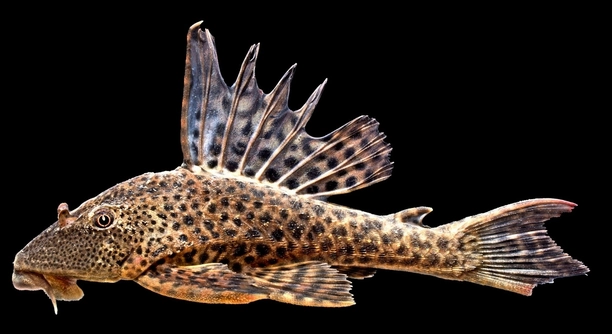
Cleaning a tank can be a tricky task when you have a pleco. Deciding whether to separate your pleco during this process requires considering both the fish’s safety and the cleaning procedure’s effectiveness. There are a few important factors to keep in mind.
The decision to separate your pleco during tank cleaning depends on the size of the tank and the level of debris. For larger tanks, it is generally safer to keep the pleco in place, as it can help clean the tank’s surfaces. For smaller tanks or those with heavy debris, moving the pleco to a separate holding container may reduce stress and prevent accidental injury.
Proper cleaning methods can ensure your pleco’s health while keeping the tank spotless. We will explore key points to consider during your next cleaning session.
Why Separate Your Pleco?
When it comes to cleaning your tank, the main goal is to ensure your pleco remains safe and stress-free. Plecos are sensitive to sudden changes in their environment, and disrupting their space during cleaning can cause them to become stressed or even injured. If your tank is heavily populated with plants or decorations, removing the pleco can prevent any harm. Larger tanks with more space may make it easier to clean without disturbing your fish. However, in some cases, it may still be necessary to move them, especially if the debris is too much for the pleco to handle.
Moving your pleco during cleaning can offer a number of benefits, but it’s essential to consider how it might affect them. Fish tend to feel less secure when moved to new areas, especially if they are put into unfamiliar or cramped environments.
In smaller tanks, debris can quickly accumulate, and it can become difficult for the pleco to clean the surfaces. In these cases, removing the pleco temporarily and placing them in a separate container will allow you to scrub the tank thoroughly without causing stress. Just make sure to use a container that’s large enough for them to move around and not feel confined.
Signs Your Pleco Needs a Break
When observing your pleco’s behavior, it’s easy to tell if they need a break. If they seem more agitated than usual or remain in one corner, it may be a sign that something is bothering them. Taking note of their movements can help determine if a temporary separation is needed during the cleaning process.
Cleaning with Your Pleco Inside the Tank
If you choose not to separate your pleco during cleaning, focus on gentle methods that won’t stress them out. Cleaning the tank in sections while keeping a careful eye on the pleco’s movements can reduce disturbances. Using a siphon to remove debris instead of scrubbing can help minimize stress.
When you clean with your pleco inside, be cautious of their sensitive skin. Some cleaning tools may cause accidental scrapes or injuries if they are moved too quickly. Opt for a soft-bristled brush or sponge when cleaning surfaces close to your pleco’s habitat. Slow and steady movements will help avoid startling them. A more peaceful tank cleanup means a safer experience for your pleco.
Keep the water conditions stable while cleaning. Sudden drops in water temperature or shifts in water chemistry can be harmful. Be sure to check the water quality before, during, and after cleaning to ensure everything remains balanced and healthy for your pleco.
Creating a Safe Temporary Space for Your Pleco
If you do decide to temporarily separate your pleco, it’s important to create a safe, comfortable space for them. Using a separate tank or container with clean water is ideal. Keep the water at a stable temperature, similar to the main tank.
Make sure the temporary space has enough hiding spots, as plecos enjoy shelter. Providing a few decorations, such as rocks or plants, will give them a sense of security. Be mindful not to overcrowd the space. Allowing the pleco room to swim freely will help reduce stress. Always check the container frequently to ensure water quality stays consistent. A quiet, peaceful temporary space will make the transition easier for your pleco.
When to Separate Your Pleco
Deciding when to separate your pleco depends on how dirty the tank is. If the debris is light, it might be fine to leave your pleco in place. However, for larger amounts of waste or algae, removing them temporarily could make the cleaning process more efficient.
If the pleco is struggling to manage the waste in the tank, separating them helps prevent additional stress. In some cases, the pleco may not be able to do its job if the tank is too dirty. This can lead to water quality issues and potentially harm the fish.
Tools to Use During Cleaning
Using the right tools is essential to prevent injury to your pleco. A soft sponge or a cleaning brush with gentle bristles works well on surfaces. Avoid harsh chemicals or abrasives that could irritate their skin.
A gravel vacuum helps remove debris without disturbing the fish too much. For algae, a sponge with gentle scrubbing action can help remove buildup without scraping the pleco’s skin. Keeping tools soft and simple is key to ensuring a safe cleaning process.
Maintaining Water Quality During the Process
Water quality should always be a top priority when cleaning your tank. When removing debris or performing a water change, try to avoid stirring up too much muck that could affect the water parameters. Keeping an eye on the pH, ammonia, and nitrate levels is essential.
If you need to remove a lot of waste, consider doing it in smaller stages. This allows the water to maintain a more stable quality without sudden shifts. Regular water testing during and after cleaning ensures your pleco stays in a healthy environment.
FAQ
Should I remove my pleco when cleaning the tank?
It’s often a good idea to remove your pleco during tank cleaning, especially if there’s a lot of debris. This reduces the risk of injury and stress, allowing you to clean effectively without worrying about disturbing your pleco. However, in larger tanks, it may not be necessary to remove them, as they can continue to help clean surfaces while you focus on other areas.
How do I prevent my pleco from getting stressed during cleaning?
To minimize stress, use slow and gentle movements when cleaning the tank. Avoid sudden, quick actions around the pleco, as these can startle them. Keep the water temperature stable and ensure that the pleco has access to a hiding spot if necessary. If you’re moving them to a temporary container, make sure the water in that space is similar in temperature and pH.
How often should I clean my pleco’s tank?
Cleaning frequency depends on the size of the tank and the amount of waste. For smaller tanks, weekly cleaning is usually recommended. For larger tanks, cleaning every two weeks or once a month may be sufficient, as long as the water quality remains stable. Always monitor water parameters regularly.
Can I clean my pleco’s tank without removing them?
Yes, you can clean your pleco’s tank without removing them, but be cautious. Use a siphon to remove waste gently and avoid using harsh scrubbing tools. Make sure to clean around the pleco’s space carefully and avoid disturbing their hiding spots. It’s best to clean in sections, allowing them time to move to less disturbed areas.
What are the risks of not removing my pleco during cleaning?
If you don’t remove your pleco during cleaning, you risk disturbing their environment. They might get stressed, or you could accidentally injure them with cleaning tools. Additionally, if the tank is particularly dirty, the pleco may struggle to clean the surfaces themselves, which can affect water quality.
How do I know if my pleco is stressed?
Signs of stress in a pleco include erratic swimming, staying in one corner of the tank, or hiding more than usual. They may also lose their appetite or display unusual behavior like flicking against objects. If you notice any of these signs, it may be time to reconsider your cleaning method or move them to a separate space.
What’s the best way to clean around a pleco without disturbing them?
To clean around your pleco, use gentle tools like a soft sponge or a fine-bristled brush. Avoid large, rough tools that could hurt them. Move slowly and carefully, and clean the tank in sections, giving your pleco space to move to less disturbed areas. Always be mindful of their location.
How do I clean algae in my tank without hurting my pleco?
Use a soft algae scraper or sponge to gently remove algae buildup. Avoid scraping the pleco directly, and instead focus on cleaning areas around them. You can also add algae-eating plants or snails to help manage algae growth without having to scrub as much.
Can I use chemicals to clean the tank while my pleco is inside?
Avoid using chemicals when cleaning your tank with your pleco inside. Many cleaning chemicals can harm fish, even in small quantities. Instead, rely on natural cleaning methods, such as using a sponge or brush to clean the surfaces, and a siphon to remove waste from the substrate.
Should I perform a full water change during cleaning?
Full water changes are not always necessary during regular cleaning. It’s usually better to change 20-30% of the water, as this helps maintain the balance of beneficial bacteria. However, if the tank is very dirty, a more significant water change might be required, but always make sure the new water matches the temperature and pH of the tank.
How can I maintain good water quality while cleaning?
During cleaning, try not to disturb the substrate too much, as this can release harmful chemicals into the water. Always check the water parameters before and after cleaning to ensure they remain stable. Use a gravel vacuum to remove debris without disturbing the tank too much.
Is it okay to clean the tank during the pleco’s active hours?
It’s generally better to clean the tank when the pleco is less active. Plecos are nocturnal, so they tend to be more active at night. Cleaning during the day may minimize stress, but if your pleco is active during cleaning, they might become more agitated. Try to clean during their downtime if possible.
Can I clean my pleco’s tank without moving the decorations?
You can clean the tank without moving all of the decorations. If you’re trying to clean the substrate, be careful not to stir up too much debris. However, cleaning around the decorations and removing any algae buildup from them can improve the tank’s overall cleanliness.
Final Thoughts
Cleaning your pleco’s tank doesn’t have to be stressful for both you and your fish. Whether you choose to remove your pleco or leave them in during the cleaning process, the key is to minimize stress and maintain a healthy environment. Understanding your pleco’s behavior and needs will help you make the best decision for both of you. It’s important to remember that plecos can be sensitive to changes in their environment, so a careful approach to cleaning is always better.
If you decide to remove your pleco, make sure to set up a temporary space that mirrors their regular tank conditions. This will help reduce stress and keep them comfortable while you clean. If you choose to leave them in the tank, gentle cleaning tools and steady movements will keep your pleco safe. Always be mindful of their space and avoid sudden actions that might cause them to feel threatened. Cleaning the tank in smaller sections allows you to focus on specific areas without disturbing the entire tank environment.
Ultimately, the health of your pleco depends on regular cleaning and water maintenance. Keeping the tank clean without causing harm is the goal. Whether you separate them during cleaning or not, always ensure the water quality remains stable and the environment is safe. By regularly monitoring water parameters and maintaining a routine cleaning schedule, your pleco can continue to thrive in a clean, healthy tank.

Hello,
If you enjoy the content that we create, please consider saying a "Thank You!" by leaving a tip.
Every little bit helps us continue crafting quality advice that supports the health, happiness, and well-being of pets around the world, for pets of all shapes, sizes, and species.
We really appreciate the kindness and support that you show us!