
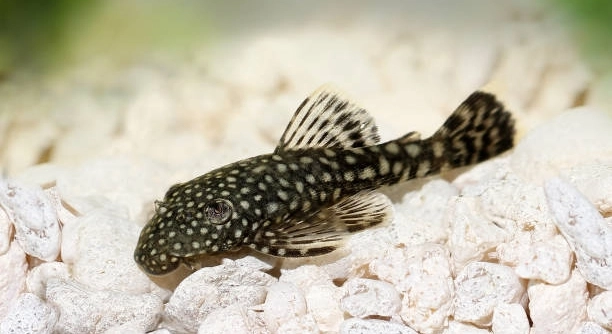
Is your pleco acting relaxed, active, and content, but you’re not quite sure if that means it’s truly happy?
A happy pleco often shows consistent activity during its normal hours, maintains a healthy appetite, displays vibrant colors, and interacts with its environment. These behaviors reflect both physical health and mental well-being in a stable aquarium setting.
Recognizing these signs can help you support your pleco’s needs and create a balanced, peaceful home in your tank.
It Actively Explores Its Environment
A pleco that frequently moves around the tank, checking different surfaces, hiding spots, and decorations, is showing signs of comfort and curiosity. This kind of active behavior means the fish feels safe in its environment and has enough stimulation to stay engaged. You might notice it grazing on algae, suctioning onto the glass, or inspecting driftwood. These activities are not random—they’re natural instincts being met in a well-maintained tank. Plecos are nocturnal, but if you spot occasional daytime exploration, that can also indicate trust in their surroundings. Make sure the tank includes a variety of textures and areas to explore, like smooth stones, caves, or live plants. Offering a layout that encourages activity helps promote long-term well-being. If your pleco regularly hides without emerging, it might be stressed. But when it freely explores, that’s a strong indicator it feels secure and is thriving in the setup you’ve provided.
Its natural behavior shines in the right conditions, so keep things consistent and enriching.
Even subtle movements like gliding along the glass or investigating a new spot suggest your pleco feels at ease and safe in its home.
It Has a Healthy Appetite
A consistent and steady appetite is a reliable sign your pleco is healthy and content. Plecos are scavengers and enjoy grazing on algae, vegetables, and wafers. When your pleco eagerly consumes its food or regularly grazes at night, it’s showing comfort and normal behavior. This means your tank conditions—like temperature, water quality, and lighting—are supporting its needs. If it stops eating, that can signal stress, illness, or poor habitat conditions. To keep your pleco in top shape, offer a variety of foods including blanched zucchini, algae wafers, and occasional protein sources. Feeding your pleco after lights go out mimics its natural habits and ensures it gets a fair share, especially in community tanks. Overfeeding can cloud the water and harm your pleco’s health, so it’s best to offer small portions and observe its response. A healthy appetite is more than a feeding habit—it reflects balance in your pleco’s environment.
It Maintains Bright, Even Coloring
A pleco with rich, even coloring is often in good health and feeling secure. Sudden fading or blotchy patterns may indicate stress or illness. Healthy coloration reflects a stable environment, proper nutrition, and low stress levels.
When your pleco’s body displays consistent patterns and clear markings, it usually means everything is functioning well inside the tank. Stress, aggression from tank mates, or poor water quality can lead to dullness or uneven tones. Plecos that are relaxed and nourished maintain their natural hues more easily. Try to avoid abrupt lighting changes, and always quarantine new additions to avoid stress. If you spot changes in its coloring, check for other signs like reduced activity or appetite. Bright, even coloration doesn’t just look nice—it’s one of the most visible signs of overall happiness and comfort. Keep an eye on subtle shifts and adjust your tank care accordingly to support your pleco’s well-being.
A sudden change in appearance can be your first sign that something is off. But when your pleco’s skin stays vibrant and balanced, it shows that conditions are working in its favor. Balanced nutrition, steady tank temperature, and clean water all support this. Don’t overlook how much appearance reveals about your pleco’s internal comfort.
It Uses Hiding Spots Often
Plecos enjoy staying tucked away during daylight hours. If yours is regularly retreating to caves or shaded areas, it likely feels calm and protected. These hiding spots mimic natural spaces and allow your pleco to manage light exposure and rest comfortably.
A happy pleco uses hiding spots throughout the day, especially when lights are bright or the tank is busy. It’s not a sign of fear—rather, it’s part of how they stay balanced. By providing driftwood, rock structures, or small caves, you give your pleco options to rest and recharge. Without these, it may feel exposed and anxious, which can lead to stress-related health issues. A pleco that disappears into its hideout but reemerges to eat or explore is showing ideal behavior. It trusts its space and uses it appropriately. Always check that the hiding spots are smooth and safe to avoid injury. Comfortable hiding is a real sign of a happy pleco.
It Reacts Calmly to Tank Activity
When your pleco doesn’t dart or hide suddenly during water changes or while other fish swim nearby, it’s showing confidence. Calm reactions usually mean the pleco is adjusted to its environment and doesn’t feel threatened or anxious.
Smooth movements and steady behavior during tank maintenance or feeding times are good signs. A pleco that stays relaxed even when things change briefly is comfortable with the rhythm of the tank. This stability helps it feel safe.
It Keeps a Regular Routine
A happy pleco follows a consistent daily pattern—resting during the day and becoming active after lights go out. This regular cycle means it’s in tune with its surroundings. If you notice your pleco waking, grazing, and resting around the same times, that’s a healthy indicator. Disruptions like too much light, irregular feeding, or poor water quality can throw off this balance. But when conditions are steady, your pleco will stick to its preferred rhythm. This routine helps reduce stress, improves digestion, and supports long-term health. Observing your pleco’s habits can help you make small changes if its behavior shifts suddenly.
It Has Clear Eyes and Smooth Fins
Healthy eyes that are bright and clear, along with fins that aren’t torn or clamped, show your pleco is in good shape. These features are visual signs that it’s feeling well and living in the right conditions.
FAQ
How do I know if my pleco is stressed?
Signs of stress in a pleco can include hiding for long periods, faded coloration, loss of appetite, and rapid or erratic swimming. Stress can also be caused by poor water quality, temperature fluctuations, overcrowding, or aggressive tankmates. If your pleco starts exhibiting these behaviors, it’s important to assess its environment and make adjustments accordingly. Monitoring your pleco’s reactions to changes in the tank, such as new decorations or lighting adjustments, can also help you determine whether it’s stressed. Additionally, look for physical signs like clamped fins or swollen areas, which can also indicate stress or illness.
What should I feed my pleco for optimal health?
Plecos are herbivores and scavengers, so a balanced diet is key. Algae wafers, blanched vegetables like zucchini, cucumber, and spinach, along with occasional protein-rich foods such as shrimp or bloodworms, will keep your pleco healthy. It’s important to offer a variety of foods to ensure your pleco is getting the nutrients it needs. Overfeeding can cloud the water and cause health issues, so it’s best to offer small portions daily and remove any uneaten food after a few hours. A pleco’s diet should be supplemented with high-quality algae wafers or pellets that mimic its natural feeding habits.
How can I make sure my pleco’s tank is the right size?
A pleco can grow quite large, so it’s essential to provide enough space. For smaller plecos, a 20-gallon tank may suffice, but larger species need at least 50 gallons or more. A spacious tank allows the pleco to have room to move around, find hiding spots, and maintain its natural behaviors. Ensure that the tank is also equipped with adequate filtration to maintain water quality, as plecos produce a lot of waste. Keep in mind that plecos are territorial, so having plenty of hiding spots and decorations will help reduce stress and prevent aggression. The right size tank also contributes to stable water parameters, which are crucial for your pleco’s well-being.
What water conditions does my pleco need to thrive?
Plecos thrive in water that’s slightly acidic to neutral, with a pH between 6.5 and 7.5. They also prefer a temperature range between 72°F and 78°F (22°C–26°C). Regular water changes are important to maintain proper water quality, as plecos produce a lot of waste. It’s crucial to check the ammonia, nitrite, and nitrate levels regularly to ensure they are within safe ranges. A good filtration system will help keep the water clean, but don’t rely solely on it—manual water changes of 25-30% every two weeks will help ensure your pleco remains healthy. Testing the water for chlorine, hardness, and other factors is also recommended to make sure your pleco is in a safe environment.
Why is my pleco not eating?
If your pleco stops eating, it could be due to a variety of reasons. First, check the water quality—poor water conditions are a common cause of reduced appetite. If the temperature, pH, or ammonia levels are off, your pleco may stop eating until those conditions improve. Stress, illness, or an environment with too much light or noise can also cause a loss of appetite. Make sure your pleco is receiving a proper diet with appropriate food options, and avoid overfeeding. If your pleco refuses to eat for an extended period, consider isolating it in a quarantine tank to reduce stress and give it time to recover. If the issue persists, it may be time to consult a vet specializing in fish health.
Can plecos live with other fish?
Yes, plecos can live with many species of fish, but compatibility depends on the species of pleco and tankmates. Plecos are generally peaceful, but larger types may become territorial, especially during feeding. They do well with other peaceful bottom dwellers or mid-level swimmers but can become aggressive with smaller, slow-moving fish. It’s essential to provide plenty of hiding spots to ensure everyone has enough space. If you have a community tank, try to avoid overly aggressive species or those that may nip at the pleco’s fins. Always research the specific needs of both your pleco and its tankmates to ensure a harmonious environment.
Why is my pleco’s tail turning white?
A white tail could indicate a few potential issues, such as a fungal infection, damaged fins, or water quality problems. If your pleco’s tail turns white and appears to be decaying, it may be dealing with fin rot, which is often caused by poor water conditions or bacterial infections. If the tail turns white with no other signs of damage, it could be a fungal infection that requires antifungal treatment. In either case, it’s crucial to check the water quality and perform a water change to improve conditions. If the problem persists, consider isolating the pleco in a quarantine tank for treatment.
How often should I clean my pleco’s tank?
A pleco’s tank needs regular maintenance to ensure water quality remains high. It’s recommended to perform partial water changes every two weeks, changing about 25-30% of the water. Regular cleaning of the substrate, removing debris, and checking the filter media for buildup are also important tasks. Since plecos help with algae control, they can reduce the amount of algae buildup on tank surfaces, but they don’t eliminate the need for cleaning. Keep an eye on ammonia and nitrate levels, and clean the tank promptly if any readings are high. Maintaining a clean tank will support your pleco’s health and longevity.
Final Thoughts
Keeping a pleco can be a rewarding experience when you provide the right environment and care. These fish are not only great at helping maintain tank cleanliness, but they also have distinct behaviors that make them fascinating to watch. By understanding the signs of a healthy pleco, you can ensure that your fish thrives in its environment. Monitoring its water quality, diet, and activity levels will help keep your pleco content and healthy for years to come.
It’s important to remember that every pleco has its own personality. Some may be more active and curious, while others are content to stay hidden for much of the day. As long as the pleco is following a regular routine, eating well, and staying calm during changes in the tank, it’s likely in a good state of health. A little attention to their behavior can make a big difference in their overall well-being.
Finally, while plecos are hardy fish, they still require proper care to thrive. Regular water changes, a well-balanced diet, and tankmates that are peaceful and non-aggressive will all contribute to a happy pleco. If you notice any changes in behavior or physical appearance, it’s best to address them early on. By staying observant and providing the right conditions, you’ll ensure your pleco remains healthy and happy in your aquarium for a long time.

Hello,
If you enjoy the content that we create, please consider saying a "Thank You!" by leaving a tip.
Every little bit helps us continue crafting quality advice that supports the health, happiness, and well-being of pets around the world, for pets of all shapes, sizes, and species.
We really appreciate the kindness and support that you show us!