
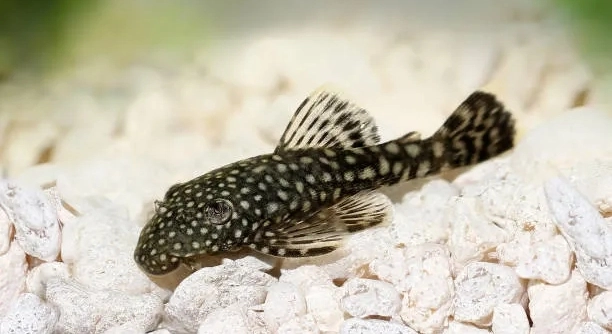
Have you ever set up your aquarium and wondered whether your pleco needs more than just a thin layer of gravel or sand?
Plecos generally prefer shallow to moderate substrate layers, as overly deep layers can lead to poor water quality and limit access to food. A thin, clean substrate helps them graze efficiently and stay healthy in their environment.
Understanding how plecos interact with their surroundings can help create a more suitable and safer habitat for them.
Why Substrate Depth Matters for Plecos
Plecos are bottom-dwelling fish that spend a lot of time grazing along the tank floor. The type and depth of the substrate you use can directly impact their comfort and behavior. A deep substrate layer may trap waste and uneaten food, leading to poor water conditions over time. This can create unhealthy pockets of gas and bacteria, especially if the substrate isn’t stirred or cleaned regularly. Plecos also like to forage, and a thin to moderate layer allows them better access to algae and food bits. Sand or fine gravel is usually easier for them to sift through without injury. Too much depth doesn’t offer extra benefits—it can make cleaning harder and reduce water flow near the bottom. If you’re using live plants in the tank, you can reserve deeper substrate sections for plant roots while keeping the rest more shallow for your pleco’s comfort and safety.
A shallow layer around one to two inches is usually ideal.
Plecos don’t burrow like some fish, so there’s no need to provide them with deep layers of substrate. It’s more important that the substrate is clean and easy for them to move across. Avoid large or sharp gravel pieces that could damage their delicate undersides.
Substrate Type and Cleaning Tips
Plecos do best with soft, fine substrates like sand or smooth gravel.
Regular cleaning is essential when keeping plecos, especially if you’re using substrate that tends to trap waste. Deep layers increase the risk of harmful buildup, which can cause stress or health problems. Use a gravel vacuum during water changes to remove debris, but take care not to disturb the beneficial bacteria living in the substrate. If you’ve chosen sand, gently stir the top layer now and then to prevent compacting or anaerobic pockets from forming. Plecos also benefit from stable surfaces to rest on, so ensure the substrate stays level. If your tank includes plants or decor, place them in sections where the substrate can be deeper without affecting the pleco’s foraging areas. It’s about finding a balance—keep it simple, manageable, and safe. A well-maintained substrate helps support water quality, which directly affects your pleco’s long-term well-being. Shallow layers are easier to manage and provide the right surface for your pleco to thrive.
How Deep Is Too Deep for Plecos?
Substrate layers deeper than three inches can become a problem in most pleco tanks. These layers often trap waste and leftover food, which leads to poor water conditions and creates an unhealthy environment over time.
When substrate is too deep, it becomes difficult to clean thoroughly. Organic matter builds up and settles into the lower layers, especially if you’re using sand or compacted gravel. Without regular stirring or vacuuming, this can lead to dangerous anaerobic spots that release harmful gases. Plecos, being bottom dwellers, are sensitive to these changes. They won’t dig down to avoid the effects. Instead, they’ll be directly exposed to any poor-quality water lingering near the bottom. A more shallow layer makes it easier to maintain water flow, reduce buildup, and give your pleco a cleaner space to graze and rest. Deep layers aren’t necessary for their lifestyle or comfort.
A deep layer also reduces the usable space in your tank. When the substrate takes up too much vertical room, plecos have less water volume to swim in, which can affect their movement and overall activity. Keeping the substrate under three inches allows for better circulation, easier cleaning, and improved conditions. It helps balance the habitat without overcrowding the floor area.
Substrate Layers in Planted Pleco Tanks
Planted tanks sometimes need deeper substrate in certain areas to support healthy root systems. This can work fine as long as the rest of the tank has a manageable layer for your pleco.
If you’re keeping plants and plecos in the same tank, try using a tiered approach. Keep plant zones in one section with deeper substrate, around three to four inches, just enough to support strong root growth. Then use a shallower one-to-two-inch layer in open spaces where the pleco roams. This setup gives you the best of both—healthy plants and a clean grazing area for your fish. Be mindful when using nutrient-rich plant substrates, as they can cloud the water or add excess nutrients. Adding a thin cap of sand or fine gravel helps keep everything in place. With proper layout and cleaning, a planted tank can still meet the needs of your pleco without making the substrate too deep everywhere.
Best Substrate Depth for Young vs Adult Plecos
Young plecos are smaller and produce less waste, so a thin layer around one inch works well for them. It’s easier to clean and lets them explore without sinking too deep or struggling to find food.
Adult plecos are larger and heavier, often creating more mess. A slightly thicker layer—around two inches—offers better support and still keeps cleaning manageable. It also prevents them from stirring up too much debris while they graze or rest at the bottom of the tank.
Choosing the Right Substrate Material
Choosing the right material makes a big difference in how your pleco interacts with the tank. Sand is often the most preferred option because it’s soft, easy to sift through, and gentle on the pleco’s underside. Smooth gravel also works well, especially for adult plecos that need a bit more weight support. Avoid sharp or large gravel pieces, which can cause injuries. Also, steer clear of materials that trap too much waste. If you want a natural look, mix fine gravel with sand in shallow layers. No matter the material, keep it clean and stable to support healthy behavior and water quality.
Final Thoughts on Substrate Maintenance
Consistent cleaning keeps the substrate safe for plecos. Stick to a regular vacuuming schedule and avoid letting waste settle too long.
FAQ
Can plecos dig into deep substrate layers?
Plecos don’t dig like cichlids or loaches. They may push around small amounts of substrate while grazing, but they don’t burrow or dig tunnels. Deep layers won’t benefit them in that way, and they’re unlikely to use them for shelter or behavior. If a pleco is seen moving sand or gravel, it’s usually to search for food, not to build a space. Because they stay on the bottom, it’s better to keep the surface clear and easy to clean. A thick layer only traps waste and doesn’t improve their comfort or routine.
Do plecos need any specific substrate for health reasons?
Plecos have sensitive bellies and spend most of their time resting on the substrate. That’s why sharp or rough gravel should be avoided. Sand or smooth gravel is better because it prevents irritation or injury. While substrate alone won’t make them healthy, it helps reduce physical stress when they move or stay still for long periods. It also affects how easily they can access leftover food and how well the tank stays clean. A poor substrate choice can cause minor scrapes that might lead to infection, especially in tanks with weaker filtration or inconsistent maintenance.
What happens if the substrate gets too dirty?
Dirty substrate quickly becomes a problem in pleco tanks. These fish are bottom-dwellers and are directly exposed to anything that settles along the tank floor. Waste, uneaten food, and decaying plant matter can collect in the substrate and affect water quality. Over time, this buildup releases harmful toxins like ammonia or hydrogen sulfide if the lower layers become anaerobic. You might not see this happening at first, but your pleco will show signs of stress—reduced movement, dull coloring, or changes in eating habits. Cleaning the substrate regularly is just as important as changing the water.
Can deep substrate cause oxygen issues?
Yes, it can. When substrate is more than two or three inches deep and doesn’t get disturbed, oxygen can’t reach the lower layers. This lack of oxygen allows harmful bacteria to grow, which breaks down waste in a way that releases toxic gases. These gases, like hydrogen sulfide, may smell like rotten eggs and can be harmful to fish. Plecos won’t stir the substrate deeply enough to prevent this. That’s why deeper areas must be carefully managed—either by frequent vacuuming or by using live plants with deep roots that help aerate the substrate naturally.
How often should substrate be cleaned in a pleco tank?
A light vacuum once a week works well for most setups. If you feed heavily or notice more buildup, twice a week may be better. Focus on the areas where the pleco spends time—usually near caves, driftwood, or tank corners. For sand, hover the vacuum just above the surface so you don’t remove the substrate. For gravel, press the vacuum in and let debris rise through the tube. Don’t let waste sit too long; it affects water quality and adds stress. Regular cleaning also helps you spot any issues before they become serious.
Is bare-bottom better for plecos?
Bare-bottom tanks are easier to clean and manage, but they may not feel natural to a pleco. Without substrate, plecos lose a textured surface to rest and graze on. However, bare-bottom tanks work well for breeding or quarantine setups, where hygiene is the priority. In display tanks, adding a thin layer of sand or smooth gravel creates a balance—easy to clean, but still comfortable. Bare-bottom is not harmful, but it’s less ideal for long-term housing unless the tank is specifically set up for medical care or regular maintenance is very consistent.
Do all plecos need the same substrate setup?
Not all plecos are the same. Bristlenose plecos, for example, stay small and don’t need a heavy or deep substrate. Common plecos and larger species are more active and produce more waste, so a setup with easier cleaning is important. Some plecos like to rasp on driftwood, while others are more focused on algae and biofilm on the tank bottom. You may want to adjust the material or thickness based on species size, behavior, and how heavily your tank is stocked. The key is choosing a setup that matches both the pleco and your maintenance habits.
Final Thoughts
Plecos are unique bottom-dwelling fish that require specific care, especially when it comes to substrate. While they don’t dig deep or burrow, the type and thickness of the substrate still play a role in their comfort and health. A deep substrate may seem natural, but it can easily become difficult to maintain. Waste can collect and settle deep within the layers, leading to poor water quality over time. Since plecos rest and feed along the bottom, any buildup directly affects their environment. Clean, breathable substrate helps create a healthier space for them and for the rest of the tank.
Choosing the right substrate means looking at more than appearance. A soft material like sand or fine, smooth gravel works best for plecos. It protects their sensitive undersides and supports their natural behavior. A layer that’s around one to two inches thick is often enough—just enough to cover the tank bottom without trapping too much waste. If the layer is too deep and isn’t cleaned often, it can develop pockets with low oxygen. These areas can release harmful gases that are dangerous for fish. Plecos won’t stir the bottom enough to prevent this from happening, so the responsibility falls on you to manage it well.
In the end, a shallow, clean substrate is better than a deep one for most pleco setups. It makes the tank easier to maintain, reduces stress on your fish, and helps keep the water cleaner overall. Whether you choose sand or gravel, make sure it fits the size of your pleco and your cleaning routine. Avoid anything sharp or rough that could damage their skin. Think about how the rest of your tank works too—how often you clean, what kind of filter you use, and how much food reaches the bottom. These small decisions can make a big difference in how well your pleco thrives. Keeping things simple and consistent will go a long way toward supporting a healthy and stable home for them.

Hello,
If you enjoy the content that we create, please consider saying a "Thank You!" by leaving a tip.
Every little bit helps us continue crafting quality advice that supports the health, happiness, and well-being of pets around the world, for pets of all shapes, sizes, and species.
We really appreciate the kindness and support that you show us!