
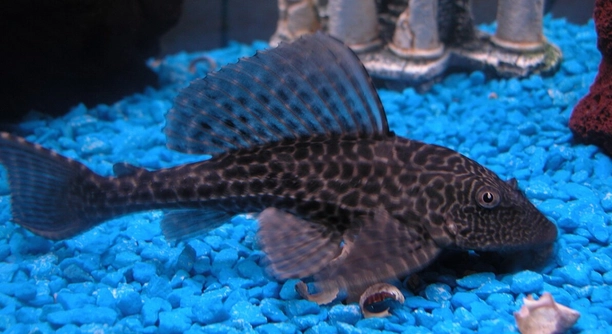
Raising a pleco in a breeder tank might seem like an interesting idea, especially if you’re looking to manage the fish’s growth and breeding. However, there are several factors to consider when creating the right environment for your pleco.
While it is possible to raise a pleco in a breeder tank, certain considerations must be met. These include ensuring adequate space, water quality, and hiding spots to mimic their natural habitat. Proper care is essential for their health.
Knowing how to set up a breeder tank for your pleco and maintaining optimal conditions will ensure a healthy environment.
What You Need to Know Before Raising a Pleco in a Breeder Tank
Raising a pleco in a breeder tank requires a bit of planning. Plecos are large, active fish, and they need ample space to grow. Unlike some smaller fish, plecos can get quite big depending on the species, which means a small breeder tank might not be enough to support them long-term. It’s crucial to provide plenty of hiding spots, as plecos like to retreat to shaded areas. Additionally, plecos are bottom feeders and will need a tank with a substrate that’s easy on their sensitive skin. You’ll also need a strong filtration system since plecos produce a lot of waste, which can quickly deteriorate water quality.
The key to raising a pleco successfully is creating a balanced environment. Having a stable water temperature and maintaining proper pH levels will help ensure they stay healthy and grow well.
Along with the basics like water quality and space, plecos are best kept with peaceful tank mates. They tend to be non-aggressive but may get territorial during breeding. Ensuring there’s enough room for everyone in the tank will help avoid unnecessary stress. Be aware of their dietary needs as well. Plecos are herbivores and require a varied diet, including algae wafers, vegetables, and occasional protein. This will help them stay strong and thrive in their environment.
Setting Up the Right Environment for Your Pleco
It’s important to keep plecos in an environment that closely mimics their natural habitat. Plecos prefer a tank with plenty of hiding spaces, like caves or rocks. They also enjoy a tank with soft, sandy substrate where they can scavenge for food.
Creating the right atmosphere goes beyond just providing space and hiding spots. Plecos need a tank with good water circulation. A powerful filter will keep the water clean and oxygenated, which is important for their health. They also need stable water conditions, with the ideal range being a temperature between 72°F and 78°F and a pH between 6.5 and 7.5. Without these parameters, plecos can struggle to thrive.
Tank Size and Space Requirements
Plecos need a lot of space to grow and thrive. Even though they may start small, some species can grow up to 24 inches long. A breeder tank should be at least 75 gallons for a single pleco, but bigger is always better.
Having enough room is essential to avoid stress. Plecos are active swimmers and need plenty of space to explore. They also require hiding places, like caves or dense plants, to feel secure. If the tank is too small, they may become territorial and aggressive, affecting their health and the well-being of other tank mates.
A cramped tank can lead to poor water quality and limited movement, which can shorten the pleco’s lifespan. Giving them plenty of space will not only allow them to grow properly but will also reduce the risk of illness or stress-related problems. Keeping a large tank helps to maintain stable water conditions, especially when plecos produce a lot of waste. The more space, the easier it is to keep the water clean and the pleco happy.
Filtration and Water Quality
Plecos produce a lot of waste, so water quality is a major factor in their well-being. A high-quality filtration system is a must to maintain clear, healthy water. The filter should be powerful enough to handle the size of the tank and the fish’s waste output.
Without proper filtration, ammonia and nitrites can build up quickly, which can be harmful to your pleco and other tank inhabitants. Plecos also need good water circulation to keep the oxygen levels up. A sponge filter or a powerful canister filter will ensure the water stays clean and well-oxygenated. Be sure to clean and replace the filter media regularly to maintain optimal filtration efficiency.
If the water quality drops too much, plecos may suffer from skin issues, respiratory problems, or even death. Regular water changes, at least once a week, are also essential to remove any toxins and keep the tank environment healthy. Monitoring water parameters like pH, ammonia, and nitrate levels will help you stay on top of your pleco’s needs.
Hiding Spaces and Tank Decorations
Plecos are nocturnal creatures, meaning they prefer darker areas to hide during the day. You’ll need caves, rocks, or dense plants to provide hiding spaces. These elements help mimic their natural environment and allow them to feel secure.
Creating a tank with hiding spots doesn’t just help plecos feel comfortable, but it also reduces stress and territorial behavior. Without proper hiding spaces, they might become more aggressive or anxious, which could impact their health. Plecos are sensitive, and their overall well-being depends on having a space to retreat when they need it.
Tank Mates for Plecos
Choosing the right tank mates for plecos is important to avoid conflicts. Plecos are peaceful fish but can become territorial, especially when they are breeding or feeling cramped. It’s best to keep them with other non-aggressive species that won’t compete for space.
Fish that tend to stay near the surface or in different areas of the tank are good choices. Avoid keeping plecos with aggressive or fast-moving fish that could intimidate them. Plecos are bottom dwellers, so having peaceful tank mates that swim higher up in the water column works best.
Pleco Feeding Needs
Plecos are primarily herbivores, though some species are omnivores. They require a diet rich in algae and vegetables like zucchini, cucumber, and spinach. Providing them with algae wafers and occasionally offering protein will keep them healthy.
It’s important to feed plecos a balanced diet to prevent malnutrition. Plecos need more than just algae to thrive. They also benefit from occasional protein sources like shrimp or earthworms. Make sure to provide them with food that sinks to the bottom, as they prefer foraging.
FAQ
Can I keep more than one pleco in a breeder tank?
Yes, you can keep more than one pleco in a breeder tank, but the size of the tank is crucial. For each pleco, you should have at least 75 gallons. If you plan to house multiple plecos, a larger tank is needed to prevent territorial disputes and ensure there is enough space for everyone to feel comfortable. Even if they are not aggressive by nature, plecos can become territorial, especially in smaller spaces. Adding plenty of hiding spots, such as caves or plants, will help reduce any stress caused by overcrowding.
Do plecos need a special substrate in their tank?
Yes, plecos benefit from a soft substrate, like sand, instead of gravel. Sand is easier on their sensitive skin, as they tend to sift through it for food. Gravel with sharp edges can cause damage to their skin and gills. Additionally, sand allows plecos to engage in natural foraging behavior. Make sure the sand is clean and free of sharp particles to ensure it doesn’t harm the fish. A soft substrate also helps maintain water quality by preventing debris from getting stuck in sharp edges.
How often should I change the water in a pleco tank?
You should change the water in a pleco tank at least once a week, especially since plecos produce a lot of waste. Regular water changes help maintain healthy water conditions, which are critical for their health. When changing the water, remove about 25-30% of the tank’s water to keep things fresh. Test the water beforehand to ensure that ammonia and nitrate levels are within safe limits. Be sure to use a water conditioner to remove chlorine or chloramine from tap water. This routine will help prevent harmful buildups of toxins that could harm the pleco.
What is the best temperature for plecos?
Plecos prefer a water temperature between 72°F and 78°F (22°C to 26°C). Maintaining this range is essential for their overall health. If the temperature drops too low, plecos may become sluggish and prone to illness. On the other hand, temperatures above 78°F can lead to stress and even death if sustained for long periods. A reliable aquarium heater will help keep the water within the desired temperature range. Always check the temperature regularly to ensure your pleco is in a stable, comfortable environment.
Can plecos live with other fish?
Plecos are generally peaceful and can live with many other types of fish. However, they should be housed with calm, non-aggressive species to prevent stress. Plecos are bottom dwellers, so it’s best to keep them with fish that occupy different levels of the tank. Avoid placing them with aggressive or fast-swimming fish that could bully them. Smaller, peaceful fish like tetras, guppies, or rasboras make good tank mates. Also, be cautious when keeping them with other bottom dwellers, as plecos can become territorial if there isn’t enough space.
Do plecos need a lot of light?
Plecos do not require intense lighting and actually prefer dim or shaded areas, especially during the day. As nocturnal creatures, they are more active at night and hide in darker parts of the tank during the day. Too much light can stress them out, so it’s best to keep the lighting low. However, some soft lighting is beneficial to encourage plant growth and help maintain a healthy aquarium environment. You can also provide some areas in the tank that remain darker for the pleco to retreat to when it needs a break from the light.
How can I tell if my pleco is healthy?
A healthy pleco should have clear eyes, smooth skin, and be active at night. If your pleco is spending excessive time hiding or swimming aimlessly, it might be stressed or ill. Check for any signs of disease, such as unusual spots, swollen areas, or damaged fins. A healthy pleco should also have a good appetite and be actively foraging for food. If your pleco starts to lose weight, stop eating, or display abnormal behavior, it could be a sign of a health issue. Regular water changes and good tank maintenance play a big role in keeping your pleco healthy.
What should I do if my pleco is not eating?
If your pleco isn’t eating, the first thing to check is the water quality. Poor water conditions can cause stress and loss of appetite. Ensure that the tank is properly filtered and that the water parameters, such as pH and temperature, are within the right range. You can also try offering different types of food, such as algae wafers, vegetables, or even live food like worms, to see if the pleco shows interest. If the issue persists for more than a few days, it’s a good idea to consult a veterinarian who specializes in fish.
Are plecos good for beginners?
Plecos can be a good choice for beginner aquarium keepers, but they do require proper tank setup and care. While plecos are hardy fish, they need a spacious tank, clean water, and a varied diet. Beginners should be ready to monitor water conditions regularly, as plecos are sensitive to poor water quality. If you’re new to fishkeeping, it’s important to understand the commitment required for keeping a pleco healthy. They are low-maintenance when their basic needs are met, but any neglect in tank conditions can lead to health issues.
Can I breed plecos in a breeder tank?
Yes, it is possible to breed plecos in a breeder tank, but it requires special conditions. Plecos typically breed in caves or other sheltered areas where the female can lay her eggs. To encourage breeding, the water temperature should be between 74°F and 80°F, and the tank should be well-maintained. Males often guard the eggs after fertilization. Keep in mind that plecos are not always easy to breed in a home aquarium, and the tank should have the right environment for both the parents and the eggs. If you’re interested in breeding them, ensure that the tank is large enough for both the male and female to have space.
Final Thoughts
Raising a pleco in a breeder tank can be a rewarding experience, but it does come with certain challenges. It’s important to remember that plecos grow large and need plenty of space to thrive. A breeder tank must be large enough to support their size, with plenty of hiding spots and a solid filtration system. Without these, plecos can become stressed, which may lead to health problems or poor growth. The key is to create an environment that closely resembles their natural habitat, offering them the right conditions to grow and feel secure. Regular maintenance, like water changes and cleaning the filter, is essential to keeping the tank healthy for your pleco.
Tank size, water quality, and the right tank mates are some of the most important factors to consider when raising a pleco. A small, crowded tank can lead to problems such as aggression, poor water quality, and stress. Having a large enough space gives plecos the opportunity to swim freely, forage for food, and enjoy their environment. Additionally, a proper filtration system is needed to handle the waste they produce. Keeping the water clean and balanced is essential for maintaining good health. Regular water tests and changes will help prevent harmful substances from building up. Choosing the right fish to accompany your pleco is also important. Avoid keeping them with aggressive species that may create tension or overcrowd the space.
Lastly, providing the right diet and tank decorations is essential for your pleco’s well-being. Plecos are bottom feeders and require a balanced diet rich in algae and plant matter. Offering a variety of foods, including vegetables and algae wafers, will help them stay healthy. The tank should also have plenty of hiding spots where they can retreat when they need to feel safe. Plecos thrive when they have caves, rocks, or dense plants to rest in. If you can meet all their needs – a large tank, good water quality, the right tank mates, and proper nutrition – raising a pleco in a breeder tank can be a successful and enjoyable experience.

Hello,
If you enjoy the content that we create, please consider saying a "Thank You!" by leaving a tip.
Every little bit helps us continue crafting quality advice that supports the health, happiness, and well-being of pets around the world, for pets of all shapes, sizes, and species.
We really appreciate the kindness and support that you show us!