
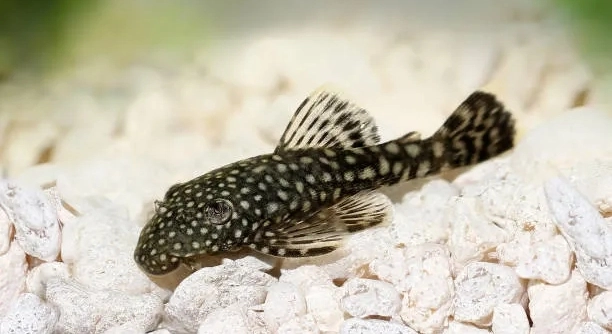
Keeping plecos in a well-maintained aquarium requires attention to their environment, including water temperature. A stable, warm habitat is crucial for their health and comfort. Understanding how to achieve this can make a big difference for your pleco’s well-being.
For plecos, a submersible heater is typically the best option. It provides consistent temperature regulation and is designed to work efficiently in aquariums, preventing fluctuations that can stress the fish. Proper wattage selection ensures optimal conditions.
Choosing the right heater for your pleco can ensure a healthier and more stable environment for your fish. There are a few key factors to consider that will help maintain the right temperature range.
Why Temperature Stability Matters for Plecos
Plecos are tropical fish that thrive in warm, stable water temperatures. If the water is too cold, they can become stressed, which may lead to health issues like weakened immune systems or stunted growth. Keeping their environment consistent is key to ensuring they stay happy and active.
A good heater will prevent the water from cooling down or getting too hot, both of which can be harmful to your pleco. Cold water can slow their metabolism, causing them to become lethargic, while water that is too hot can cause stress and make it harder for them to get oxygen.
Temperature stability is essential for plecos to maintain proper digestion and overall health. When their environment is consistent, they are better able to feed, grow, and reproduce if they are in the right conditions. This consistency also minimizes stress, allowing your pleco to live a long and healthy life. The best way to achieve this is through a reliable and accurate heater that can regulate water temperature around the clock.
Choosing the Right Heater for Your Pleco Tank
A submersible heater is one of the most reliable types for aquarium use. It can be fully submerged in water and helps maintain a constant temperature.
When choosing the right heater, consider the size of your tank. A heater that is too small may struggle to maintain the temperature, while one that’s too large can cause overheating. A good rule of thumb is to choose a heater with a wattage of 3 to 5 watts per gallon of water.
Ensuring the heater is adjustable is also crucial. This allows you to fine-tune the temperature based on your pleco’s needs. Most pleco species prefer water between 74°F and 80°F. Having an adjustable heater means you won’t have to constantly worry about temperature fluctuations, providing your pleco with a more comfortable and stable environment.
How to Properly Set Up a Heater for Plecos
Once you’ve chosen the right heater, proper setup is essential to maximize its effectiveness. Place the heater near the filter, as this will allow the warm water to circulate evenly throughout the tank. Make sure it is positioned vertically to avoid hot spots in certain areas.
It’s important to also use a thermometer to monitor the water temperature. Without one, you risk overheating or underheating the tank. Regularly check the water temperature and adjust the heater as needed to maintain the appropriate range for your pleco.
Many heaters come with built-in thermostats that automatically shut off when the water reaches the preset temperature. This is a great feature to avoid overheating. However, not all heaters have this function, so having a backup thermometer will help ensure everything is functioning correctly.
Heater Types for Pleco Tanks
There are different types of heaters available, including submersible, hang-on, and inline models. Each type has its advantages depending on the size of your tank and the desired temperature stability.
Submersible heaters are the most common and are designed to be placed entirely underwater. They are reliable and easy to use. Hang-on heaters, on the other hand, sit outside the tank and use a suction cup to attach to the glass. While they are effective, they can take up more space in the tank. Inline heaters are best for larger aquariums. They attach to your filter system, allowing water to pass through the heater before circulating throughout the tank. These can be efficient but are often more expensive.
The type of heater you choose will depend on your tank’s size and layout. For smaller tanks, a submersible heater works well, while larger tanks may benefit from the precise control of an inline heater. Consider your space and temperature needs before purchasing.
Maintaining a Consistent Temperature
Once you have the right heater, keeping the water temperature stable is the next step. Heaters can wear out over time, so it’s important to check the temperature regularly.
A reliable aquarium thermometer is essential. Place it in the tank away from the heater to get an accurate reading of the overall water temperature. Check the thermometer daily and adjust the heater as needed. It’s a good idea to have a backup thermometer in case one stops working. Temperature fluctuations, even slight ones, can stress your pleco, so constant monitoring is key.
Setting up an automatic temperature controller can also help by regulating your heater more precisely. This can reduce the chances of temperature spikes or drops, ensuring a stable environment for your pleco.
Heater Size for Pleco Tanks
Choosing the correct heater size is essential for maintaining a stable temperature. A heater that’s too small won’t be able to keep up with the tank’s temperature needs, while a heater that’s too large can overheat the water.
For most home aquariums, a heater with a wattage of 3 to 5 watts per gallon is recommended. For example, a 30-gallon tank would need a 90 to 150-watt heater. The size of the heater also depends on the temperature you want to maintain and the environment of your tank. Heaters with adjustable settings offer better control.
Ensure you select a heater appropriate for your tank’s size and water volume. This will help achieve efficient and steady temperature regulation.
Heater Placement in Your Tank
Proper heater placement is important for optimal performance. The heater should be placed near the filter to allow water circulation across the tank. This ensures even heat distribution throughout the aquarium.
Avoid placing the heater near rocks or decorations that may block water flow, which could lead to uneven heating. Additionally, placing it in the back corner of the tank prevents direct exposure to your pleco, giving them more space to swim freely. Keeping the heater near the water intake helps with even distribution, making the temperature more stable.
Monitoring Heater Functionality
Regularly check the functionality of your heater to avoid any sudden temperature changes that may affect your pleco. Even if your heater is adjustable, you should still monitor the water temperature daily.
A malfunctioning heater can result in water that’s too hot or cold, both of which can stress your pleco. Inspect the heater often for signs of wear, such as cracks or buildup. Replace it promptly if it’s no longer working correctly. Maintaining your heater will ensure it functions properly, keeping your tank’s temperature in the ideal range for your pleco.
FAQ
What temperature should my pleco tank be?
Plecos generally thrive in water temperatures between 74°F and 80°F (23°C to 27°C). Keeping the water within this range helps maintain their metabolism, digestion, and overall health. If the water is too cold, your pleco can become lethargic and may have trouble feeding. On the other hand, water that is too hot can stress them out and reduce the oxygen levels in the tank. It’s important to maintain a stable temperature, so make sure to invest in a reliable heater with an adjustable thermostat.
Can plecos tolerate cooler water temperatures?
Plecos are tropical fish and do not do well in colder water. If the water dips below 70°F (21°C), they may start showing signs of stress, such as sluggish behavior and a weakened immune system. While they can tolerate slightly cooler temperatures for short periods, prolonged exposure to cold water can be harmful. If you’re in a cooler climate, it’s essential to keep your pleco’s tank in the recommended temperature range using a good heater.
How do I choose the right heater for my pleco tank?
When choosing a heater, the size of your tank is the most important factor. A general guideline is to select a heater with 3 to 5 watts of power for every gallon of water in the tank. For example, a 50-gallon tank would need a 150 to 250-watt heater. You’ll also want a submersible heater that is fully waterproof and has a reliable thermostat to maintain the desired temperature. Adjustable heaters are ideal because they allow you to set the perfect temperature for your pleco.
What’s the difference between a submersible heater and a hang-on heater?
A submersible heater is designed to be fully submerged in water. It’s the most common type for home aquariums and is generally efficient and easy to use. These heaters typically come with adjustable thermostats to control water temperature. Hang-on heaters, on the other hand, are placed outside the tank and heat the water through a tube. While they are less intrusive and easier to install, they may not be as effective in providing consistent temperature regulation throughout the tank. Submersible heaters are usually preferred for smaller to medium-sized tanks.
How can I make sure my pleco’s tank temperature is stable?
To ensure stability, use a good quality submersible heater and regularly check the temperature with an aquarium thermometer. Place the thermometer at a location where it won’t be influenced by the heater, like at the opposite end of the tank. If you have an adjustable heater, set it to the ideal temperature range for plecos, around 74°F to 80°F. Investing in an automatic temperature controller can also help maintain a steady temperature and reduce the chance of overheating or cooling.
Can I use a heater with a built-in thermostat?
Yes, heaters with built-in thermostats are convenient because they automatically turn the heater on and off to maintain the set temperature. This feature helps ensure that the water stays at a consistent temperature without manual adjustments. However, it’s still a good idea to use an external thermometer to double-check the temperature, as built-in thermostats can sometimes malfunction or become inaccurate over time.
What should I do if the water temperature is too high or too low?
If the water is too low, you can increase the heater’s temperature setting gradually to bring it back to the correct range. If the water is too high, turn the heater down or unplug it temporarily to cool down the tank. Make sure to adjust the heater slowly to avoid sudden temperature shifts, which could stress your pleco. If your heater isn’t functioning properly, you may need to replace it. Always monitor the water temperature regularly to prevent sudden changes.
How do I know if my pleco is stressed from temperature fluctuations?
Stressed plecos may exhibit signs such as hiding more than usual, reduced appetite, or erratic swimming. If the temperature has been fluctuating, your pleco might become lethargic or show a lack of interest in food. They may also breathe faster due to lower oxygen levels caused by the temperature changes. If you notice these signs, check your heater and thermometer immediately to ensure the water is stable and within the ideal range.
Can I keep plecos in a tank without a heater?
It’s not recommended to keep plecos in a tank without a heater, especially if you live in a cooler climate. Plecos require a stable temperature to thrive, and without a heater, the water may get too cold, causing stress or health issues. If you live in a warm climate and the room temperature stays within the appropriate range, it might be possible to avoid using a heater, but this can be risky. A reliable heater is always the safest choice for maintaining your pleco’s health.
How do I clean and maintain my aquarium heater?
Regular cleaning and maintenance of your heater are important to ensure it works efficiently. To clean the heater, unplug it and remove it from the tank. Wipe it gently with a soft cloth to remove any algae or mineral buildup. If necessary, soak the heater in a solution of water and vinegar to break down hard water deposits. Always make sure the heater is completely dry before plugging it back in. It’s also important to check the heater regularly for any cracks, leaks, or signs of malfunction.
How can I prevent overheating in my pleco tank?
To prevent overheating, avoid placing the heater too close to the filter or any decorations that could block water flow. Proper water circulation ensures that heat is evenly distributed throughout the tank. Additionally, make sure your heater is appropriately sized for your tank’s volume, as a heater that is too powerful can overheat the water. You can also invest in a heater with an automatic shut-off feature to prevent overheating. Always use an aquarium thermometer to monitor the water temperature closely and adjust the heater as needed.
Final Thoughts
Maintaining the right temperature for your pleco is essential for their health and well-being. Plecos thrive in warm, stable water, with the ideal temperature range being between 74°F and 80°F. Without the proper temperature, your pleco may become stressed, experience health issues, or even stop eating. By investing in a good quality heater and monitoring the temperature regularly, you can ensure your pleco has a comfortable and thriving environment.
Choosing the right heater for your tank is just as important. Submersible heaters are a popular choice for most aquarium setups, as they are easy to use and effective at maintaining a stable temperature. It’s important to select a heater that matches the size of your tank. For most home aquariums, a heater with 3 to 5 watts per gallon is a reliable guide. Additionally, adjustable heaters allow for better control, so you can fine-tune the water temperature to meet your pleco’s needs.
Remember that maintaining a stable temperature goes beyond just setting the heater. Regular monitoring of the water temperature with an aquarium thermometer is crucial to avoid fluctuations. Even the best heaters can wear out over time, so check for signs of malfunction and replace your heater if needed. By staying on top of your pleco’s temperature requirements and ensuring their environment remains stable, you’ll help them live a long, healthy life.

Hello,
If you enjoy the content that we create, please consider saying a "Thank You!" by leaving a tip.
Every little bit helps us continue crafting quality advice that supports the health, happiness, and well-being of pets around the world, for pets of all shapes, sizes, and species.
We really appreciate the kindness and support that you show us!