
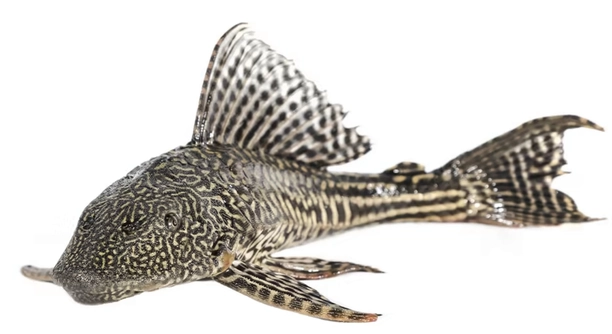
Caring for a pleco can be an enjoyable experience, but it requires attention and consistency. Establishing a peaceful routine for your pleco helps ensure it thrives in its environment, keeping your tank balanced and your fish healthy.
Setting a peaceful pleco routine involves maintaining proper tank conditions, feeding habits, and water quality. Regular maintenance, including appropriate water changes and monitoring temperature, helps avoid stress. A structured schedule provides consistency for your pleco’s wellbeing.
In this article, we’ll guide you through simple tips to create the best routine for your pleco. A little care and planning will go a long way toward a happier and healthier fish.
Create a Consistent Feeding Schedule
When it comes to plecos, a consistent feeding schedule is crucial. Plecos are primarily herbivores, so offering the right foods in regular intervals helps keep them healthy. Feed them a variety of vegetables, like zucchini and cucumber, and algae wafers to support their natural diet. Overfeeding can lead to poor water quality, so avoid giving them too much food. Offer small portions once or twice a day to ensure they get enough nutrition without overloading the tank with uneaten food. Regular feeding also helps your pleco adapt to the environment, making it feel more secure.
A consistent feeding schedule supports the growth and health of your pleco. Stick to a routine so your pleco knows when to expect meals, reducing stress in the process.
Regularly feeding your pleco with a balanced diet can enhance its health. You’ll avoid issues like algae buildup and ensure they’re getting the right nutrients. Be mindful of food quantity and make sure to remove excess after feeding to prevent water contamination.
Maintain Clean Water
Regular water changes are essential to keep your pleco healthy. Change about 25-30% of the water every two weeks. This helps remove waste, excess food, and harmful chemicals, ensuring a clean environment. It’s also a good idea to test the water regularly for ammonia, nitrites, and nitrates to ensure the levels are safe.
Your pleco’s tank should have a strong filtration system. The filter helps remove debris, improves oxygen flow, and keeps the water clean. Make sure the filter is the right size for the tank. A dirty filter will affect water quality, so clean it every few weeks.
Always monitor water temperature too. Plecos prefer a stable temperature range between 74-80°F (23-27°C). Sudden temperature fluctuations can stress them out, which may lead to health issues. A reliable aquarium heater will help maintain a constant temperature, especially in cooler environments. Keeping the water clean and temperature stable plays a big part in your pleco’s comfort and health.
Provide Proper Tank Size
A well-sized tank is vital for your pleco’s well-being. Plecos can grow quite large, up to 24 inches in some cases, so make sure your tank is spacious enough. A 40-gallon tank is the minimum recommended size for most species, but larger tanks will provide more room for them to swim and explore.
When setting up your pleco’s tank, ensure there are hiding spots like caves or driftwood. Plecos like to hide during the day and become more active at night. Giving them places to retreat to reduces stress and makes them feel secure. This setup also helps mimic their natural habitat, where they would normally seek refuge from other fish.
A properly sized tank gives your pleco the space it needs to grow and thrive. It’s also important to keep the tank away from direct sunlight, as this can cause algae to bloom and affect water quality. An adequately sized and well-maintained tank helps your pleco stay healthy and comfortable.
Monitor Tank Mates
Plecos are generally peaceful but can be territorial. Avoid keeping them with aggressive fish, as this can cause stress or harm. It’s important to choose tank mates that are calm and won’t compete for the same food or space. Ensure there’s enough room for each fish to have its own area.
If you add new fish, observe their behavior to make sure your pleco is comfortable. If you notice signs of aggression or stress, separate the fish immediately. This will help avoid injuries and maintain a peaceful tank environment for all residents.
Offer Hiding Spots
Plecos feel safer when they have places to hide. Caves, driftwood, and plants provide them with space to rest during the day. These hiding spots reduce stress and give plecos a sense of security, allowing them to relax.
A variety of hiding spots also encourages natural behaviors. Plecos are nocturnal, and having a place to retreat during the day makes them feel more comfortable. Ensure that these hiding spaces are large enough for your pleco as it grows.
Maintain Consistent Lighting
Plecos prefer low lighting, which mimics their natural environment. Too much light can stress them out, so keep the aquarium lights dim and on a set schedule. Turn the lights on during the day and off at night to simulate a natural day-night cycle.
Excessive light can lead to algae growth, which can affect water quality. Make sure to turn off the lights when not needed and use subdued lighting. Keeping the lighting consistent helps maintain a peaceful environment for your pleco and supports its natural rhythm.
FAQ
How often should I feed my pleco?
Feed your pleco once or twice a day. A balanced diet of vegetables like zucchini and cucumber, along with algae wafers, is ideal. Avoid overfeeding to prevent excess food from fouling the water. Remove any uneaten food after a few hours to keep the tank clean.
Can plecos live with other fish?
Yes, plecos can live with other peaceful fish. However, avoid aggressive tank mates, as plecos are territorial. Look for calm fish that won’t compete for food or space. It’s also important to choose fish with similar water requirements to avoid stressing your pleco.
What is the best tank size for a pleco?
A minimum of 40 gallons is recommended for most pleco species. Larger tanks provide more space for them to grow and thrive. As plecos can grow quite large, a bigger tank offers better water quality and more room to swim. Larger tanks also reduce the chances of territorial disputes.
How can I keep my pleco’s tank clean?
Regular water changes are essential. Change 25-30% of the water every two weeks. Also, clean the tank decorations, substrate, and filter regularly. Use a gravel vacuum to remove debris from the substrate during water changes. A well-maintained tank ensures better water quality and reduces the buildup of harmful substances.
What temperature should the water be for my pleco?
Plecos thrive in water temperatures between 74-80°F (23-27°C). Keeping the water within this range helps avoid stress and supports their metabolism. A reliable aquarium heater will help maintain a stable temperature. Sudden temperature changes can negatively impact your pleco’s health, so monitor the temperature regularly.
How do I know if my pleco is stressed?
Stressed plecos may display signs such as hiding more often, not eating, or showing aggression. They may also develop faded colors. If your pleco is swimming erratically or rubbing against objects, this could indicate stress or skin irritation. Check water parameters, tank mates, and hiding spots to identify the cause.
Can plecos live in cold water?
Plecos are tropical fish and need warm water to thrive. Cold water can cause stress, leading to health issues. It’s important to maintain a temperature range between 74-80°F (23-27°C) to ensure your pleco remains healthy. If you live in a cooler area, using an aquarium heater is crucial.
What do plecos eat in the wild?
In the wild, plecos are primarily herbivores, feeding on algae, plants, and detritus. They also consume decaying organic matter, which provides essential nutrients. In captivity, you can replicate their natural diet by offering vegetables like zucchini and algae wafers. Supplementing with other plant-based foods will help keep them healthy.
Do plecos need a filter in their tank?
Yes, a filter is essential for keeping the water clean. Plecos produce a significant amount of waste, and a good filter helps remove debris, improve water circulation, and maintain oxygen levels. Choose a filter that is suitable for your tank size to keep the water clear and prevent health issues.
How long do plecos live?
With proper care, plecos can live for 10 to 15 years, sometimes even longer. Providing them with the right tank conditions, a balanced diet, and a clean environment will help ensure they live a long, healthy life. Regular water changes and monitoring their health are key to extending their lifespan.
Why is my pleco not eating?
If your pleco isn’t eating, it may be stressed, sick, or adjusting to a new environment. Check the water parameters to ensure they are within the correct range. Stressful tank mates or sudden changes in water conditions can also cause a loss of appetite. If the problem persists, consult a vet.
Final Thoughts
Establishing a peaceful routine for your pleco is key to ensuring its health and happiness. By maintaining a consistent feeding schedule, keeping the water clean, and providing a suitable tank environment, your pleco can thrive. Regular care and attention to their needs will help prevent stress and allow them to grow comfortably in their home. A little effort goes a long way in creating a peaceful atmosphere for your pleco and other tank mates.
Incorporating simple practices such as monitoring water temperature and ensuring your pleco has enough space to hide will improve its well-being. Plecos are sensitive creatures, and small changes in their environment can affect their overall health. Consistency is the most important factor, as it helps your pleco feel secure and reduces the chances of health issues arising. You’ll also want to keep an eye on the tank’s filtration system to ensure that the water remains clean and free from harmful toxins. A well-maintained environment is essential for keeping your pleco stress-free.
By focusing on these straightforward practices, you can create a routine that benefits your pleco in the long term. Ensuring a peaceful routine doesn’t require much more than dedication to regular tank maintenance, appropriate feeding, and providing a secure, clean environment. Over time, this consistent care will reward you with a healthy, active pleco. A little effort in creating the right habitat can make a big difference in your pleco’s happiness and quality of life.

Hello,
If you enjoy the content that we create, please consider saying a "Thank You!" by leaving a tip.
Every little bit helps us continue crafting quality advice that supports the health, happiness, and well-being of pets around the world, for pets of all shapes, sizes, and species.
We really appreciate the kindness and support that you show us!