
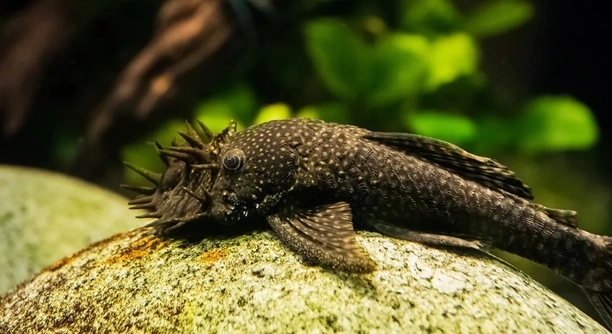
Many aquarium enthusiasts enjoy keeping plecos, but maintaining their tank requires attention to detail. Knowing what to remove can make a significant difference in the overall health and environment of the tank.
Removing certain items from your pleco tank is essential for maintaining a clean and healthy habitat. Organic matter, excess food, and specific decorations can cause water quality issues, promote algae growth, and negatively impact your pleco’s well-being.
Proper tank maintenance is key to your pleco’s health. Removing unwanted items regularly ensures a cleaner and more comfortable environment for your fish.
Excess Food and Debris
Excess food and debris can quickly pollute a pleco tank. Leftover food that’s not consumed by your fish can sink to the bottom, decomposing and releasing harmful toxins into the water. Over time, this can cause the water to cloud, affecting the tank’s overall cleanliness and oxygen levels. Plecos are bottom feeders, but they cannot consume everything, so it’s essential to remove uneaten food promptly. Regularly siphoning the substrate helps remove any leftover food and waste particles.
Removing excess food is an easy way to improve your pleco’s environment. It helps maintain clean water, reducing the chance of algae growth and preventing water quality issues.
To prevent this, try feeding your pleco smaller amounts of food at a time. Keep a schedule of when and how much you feed to avoid overfeeding. Plecos only need a small amount of food to stay healthy, and controlling their diet will contribute to a better tank environment.
Decorations and Ornaments
Tank decorations can look attractive, but some may cause trouble over time. Sharp objects, such as plastic plants or rough-edged rocks, pose a risk of injury to your pleco. These decorations can scrape or cut their delicate skin. Additionally, if decorations are not cleaned properly, they can harbor harmful bacteria or algae, which could affect your fish’s health. If you choose to keep decorations in the tank, make sure they are smooth and easy to clean.
Regularly inspecting your tank decorations is important. If any show signs of wear or harbor algae, remove them for cleaning or replacement. Keeping decorations that are free from sharp edges ensures your pleco can move safely around the tank.
When adding ornaments to your pleco tank, make sure they are made from smooth, safe materials. You can still enjoy decorating your tank without risking harm to your fish. Just ensure that everything is safe and easy to clean.
Algae Buildup
Algae buildup can easily take over your pleco tank if not monitored. While plecos do help control algae, excessive growth can still occur if conditions are right. Algae thrive on light, nutrients, and debris in the water, and they can cover surfaces, creating a toxic environment.
To manage algae growth, consider reducing the amount of light your tank receives each day. You can also scrub surfaces with a soft brush or use algae-eating species that thrive in similar conditions. Regular water changes and filter cleaning help remove excess nutrients that fuel algae growth.
Proper tank maintenance can prevent algae from becoming a problem. Keep the water clean, ensure there’s no excess food, and monitor your tank’s light exposure. By doing so, you’ll create an environment that’s much harder for algae to thrive in, which benefits both your pleco and the overall tank.
Unnecessary Chemical Additives
Overusing chemicals in your tank can negatively affect water quality and the health of your pleco. Some fish owners may turn to water conditioners, medications, or pH balancers without fully understanding their impact. Too many chemicals can lead to a decrease in water quality and stress your pleco.
Before adding any chemical, make sure it’s truly necessary. Always test your water to check for imbalances or issues. It’s also wise to use natural methods for keeping the tank healthy, such as introducing live plants that help regulate water quality.
Moderation is key when it comes to using chemical treatments. Overusing them can throw off the delicate balance of the tank’s ecosystem. Regular water testing and maintenance will help ensure that you only add what’s required and avoid unnecessary additives.
Dead Plants and Debris
Dead plants in the tank can contribute to poor water quality. They decompose quickly, releasing harmful substances into the water. This decay also attracts bacteria and fungi, which can further stress your pleco. Regularly remove dead plants and organic material to maintain a healthy environment.
Trimming or removing dead plants is essential for maintaining clean water. If plants are too far gone, consider replacing them with new, healthy ones. This will prevent the tank from becoming cluttered and help maintain a balanced ecosystem.
A clean and well-maintained tank will benefit your pleco, creating an environment that promotes its health and growth. Always remove dead plant material as soon as you notice it.
Gravel and Substrate
Gravel or substrate can trap waste, uneaten food, and debris, which over time can cause water quality issues. Regularly vacuuming the substrate ensures that these particles don’t accumulate. This helps maintain a cleaner environment for your pleco.
It’s important to choose a substrate that’s suitable for both your pleco and the plants or other animals in the tank. Some plecos like to dig, and the right substrate will make them feel more comfortable while helping to filter out waste.
Clean your gravel regularly to ensure the tank’s water remains clear and free of excess nutrients.
FAQ
How often should I clean my pleco tank?
Cleaning your pleco tank should be done regularly. A good rule of thumb is to perform a partial water change of about 25-30% every two weeks. This helps maintain water quality by removing waste and excess nutrients. You should also vacuum the substrate during each water change to remove any debris and uneaten food. Additionally, it’s a good idea to clean the filter every 4-6 weeks to ensure it’s functioning well. If you notice the water becoming cloudy or the pleco seems stressed, you may need to clean the tank more often.
What type of filter is best for a pleco tank?
A powerful filter is essential for a pleco tank because plecos can produce a lot of waste. Look for a filter with a strong flow rate that can handle the volume of your tank. Canister filters are often recommended because they offer excellent filtration and can be placed outside the tank, which helps save space. Hang-on-back (HOB) filters can also work well for smaller tanks, but ensure the flow isn’t too strong for your pleco. A good filter will help maintain water clarity and remove harmful toxins.
Can I keep more than one pleco in a tank?
It’s possible to keep more than one pleco in a tank, but it depends on the species and the size of the tank. Some plecos are territorial and may not get along with others, especially in smaller tanks. In larger tanks (50 gallons or more), you may be able to keep multiple plecos, but it’s important to provide enough hiding spots for each fish. Species like the bristlenose pleco are generally more tolerant of other plecos, but aggressive behavior can still occur. Make sure to monitor their interactions closely.
What should I feed my pleco?
Plecos are primarily herbivores, so a diet rich in vegetables and algae is best. You can provide them with sinking algae wafers, blanched zucchini, cucumber, or spinach. They also enjoy occasional protein-rich foods like shrimp or bloodworms. Make sure to offer a balanced diet to keep your pleco healthy and active. Avoid overfeeding, as leftover food can pollute the tank and harm water quality.
Why is my pleco swimming at the top of the tank?
If your pleco is swimming at the top of the tank, it could indicate several things. One common cause is low oxygen levels in the water. Plecos need oxygenated water to thrive, so ensure your filter is working properly and the water is well-circulated. It could also be a sign of stress, illness, or poor water quality. Check the tank parameters, including pH, ammonia, nitrite, and nitrate levels. If the conditions are off, address them immediately to prevent further stress.
Is it normal for plecos to hide?
Yes, it’s normal for plecos to hide, especially during the day. Plecos are nocturnal creatures and feel more comfortable in dark, secluded spots. Providing hiding places like caves, driftwood, or plants can make your pleco feel secure. As long as your pleco is active at night and eating well, hiding during the day isn’t a cause for concern. If your pleco stops eating or appears lethargic, it could be a sign of illness, so check the tank conditions and seek veterinary advice if needed.
How do I prevent algae in my pleco tank?
While plecos help with algae control, they won’t eliminate the problem entirely. Algae thrive in tanks with too much light and excess nutrients. To prevent algae growth, limit the amount of light your tank receives to about 8-10 hours per day. You can also use a timer for the aquarium lights to ensure consistent lighting. Regularly remove any visible algae with a sponge or scraper, and avoid overfeeding to reduce nutrient levels. Live plants can help absorb excess nutrients and keep algae in check.
Can plecos live with other fish?
Plecos are generally peaceful but can be territorial, especially when they mature. Most plecos do well with other peaceful fish like tetras, guppies, or barbs. However, you should avoid placing them with aggressive fish that might harass them. Some species of plecos, like the common pleco, can grow quite large, so they may not be compatible with smaller fish in smaller tanks. Make sure to consider the tank size and the temperament of the fish when choosing tankmates.
What size tank does a pleco need?
The minimum tank size for a pleco depends on the species. Smaller species, like the bristlenose pleco, can live comfortably in tanks as small as 20 gallons. However, larger species, such as the common pleco, can grow up to 18 inches and require a tank of at least 75 gallons. Inadequate tank size can lead to stress, stunted growth, and poor water quality. Make sure to provide ample space for your pleco to swim and find food, especially as it grows.
Why is my pleco turning pale?
A pleco turning pale can be a sign of stress or poor water conditions. Check the water quality immediately to ensure the levels of ammonia, nitrites, and nitrates are within safe ranges. If the tank conditions are fine, your pleco could be stressed due to overcrowding, aggressive tankmates, or a lack of hiding places. Make sure your pleco has plenty of space and shelter. If pale coloration persists, it could indicate an illness, and you should consult a veterinarian or aquarium specialist.
Can plecos live without a filter?
While plecos can technically live without a filter, it’s not recommended. Filters help maintain water quality by removing toxins, debris, and waste. Without a filter, the water will quickly degrade, leading to poor conditions that can harm your pleco. If you’re considering a tank without a filter, you’ll need to perform water changes more frequently, monitor water quality closely, and ensure that the tank is properly aerated. For the health of your pleco, a filter is essential.
Final Thoughts
Maintaining a pleco tank requires consistent care and attention to detail. Keeping the water clean, ensuring proper filtration, and removing debris are key to creating a healthy environment for your pleco. Regular maintenance routines, such as water changes and substrate cleaning, will go a long way in maintaining water quality and reducing stress for your pleco. It’s important to remember that plecos are sensitive to changes in water conditions, so monitoring the tank regularly and adjusting when necessary is essential.
Proper tank size and compatible tankmates are equally important. Choosing the right tank size based on your pleco’s species and growth potential will ensure that they have enough space to thrive. Providing hiding spots with caves or driftwood is another way to make them feel secure. Additionally, understanding the temperament of your pleco and selecting peaceful tankmates will minimize stress and aggression in the tank. By creating a suitable environment, you’ll give your pleco a place where it can grow, explore, and remain healthy.
Feeding your pleco a balanced diet will also play a significant role in its overall health. Offering a variety of foods, from algae wafers to fresh vegetables, ensures they get the necessary nutrients to thrive. Overfeeding should be avoided, as uneaten food can contribute to poor water quality. Keeping track of your pleco’s eating habits and adjusting the amount of food will help keep the tank clean and your pleco healthy. Regular care and attention to detail will help create a happy and healthy environment for your pleco to flourish.

Hello,
If you enjoy the content that we create, please consider saying a "Thank You!" by leaving a tip.
Every little bit helps us continue crafting quality advice that supports the health, happiness, and well-being of pets around the world, for pets of all shapes, sizes, and species.
We really appreciate the kindness and support that you show us!