
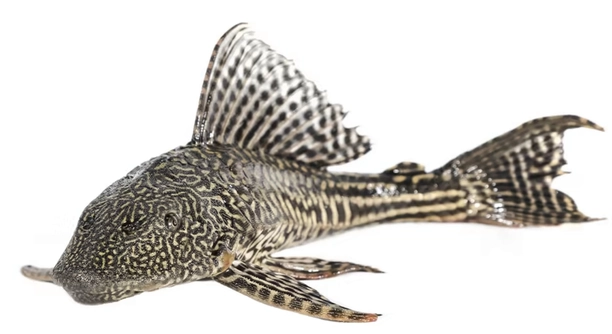
When introducing new tank mates to your pleco, it’s important to consider how they might react. Plecos can be territorial and have specific needs when sharing their environment with others.
Plecos generally react to new tank mates with caution, sometimes displaying territorial behavior. They may hide or become more active as they assess the presence of other fish. Some plecos can be aggressive depending on their species and the size of the tank.
Understanding their behavior in a new setting can help ensure a smooth introduction and minimize stress for both your pleco and its new companions.
Plecos’ Territorial Behavior
When adding new tank mates, understanding plecos’ territorial nature is crucial. They tend to be solitary, especially when in smaller spaces. If your pleco feels its space is threatened, it may become aggressive or hide. This behavior can vary based on the species and their environment. A pleco’s natural instinct is to claim a space, whether it be a particular hiding spot or an area of the tank. The more room you give them, the less likely they are to feel pressured by other fish.
Having enough hiding spaces in the tank can help reduce this territorial conflict. If there aren’t enough spots for all tank mates, your pleco might become stressed, leading to unwanted aggression. In some cases, this behavior can cause issues, but there are ways to manage it.
Adding tank mates to a pleco’s environment requires careful planning. Ensure that the tank is large enough and has several hiding spots, such as caves or plants. This will help prevent territorial disputes and reduce stress for all the fish.
Compatibility with Other Fish
The way a pleco reacts to new tank mates can also depend on the species. Some plecos are peaceful, while others are more territorial. You should always research the types of fish you want to add to your tank. Larger plecos may need more space than smaller ones. Understanding the pleco’s behavior will lead to better compatibility between all the fish.
Plecos generally get along with other peaceful fish species, but there are a few exceptions. If a tank mate is too active or too small, it may be at risk of being harassed. Aggressive species, such as cichlids, might stress out a pleco, leading to conflict. It’s essential to choose tank mates that can tolerate the pleco’s behavior and not be overwhelmed by it. If the pleco feels threatened by a more dominant fish, it may hide or become more aggressive. It’s essential to consider the environment’s balance to ensure peace.
When selecting other fish, consider their temperament and the tank size. Larger or peaceful fish usually work well, but avoid overly aggressive or small species that may become targets. Properly introducing new fish will help avoid any aggressive reactions.
Stress Levels and How They Affect Plecos
When adding new tank mates, your pleco’s stress levels can rise. Fish that are introduced too quickly or don’t fit in well can cause discomfort for the pleco. Stress may result in hiding more often, reduced appetite, or visible signs of illness.
To minimize stress, it’s essential to introduce new fish slowly. Give your pleco time to adjust before adding more tank mates. The introduction process should be gradual, allowing the pleco to get used to the new environment. If the tank has multiple hiding spots, it helps your pleco feel safer and more secure.
In addition, monitoring your pleco’s behavior during this period is important. If the pleco seems to be hiding excessively or acting more aggressively, it may be a sign of stress. Adjusting the tank’s setup or temporarily separating the fish can help reduce these stress-related issues. Be mindful of their reactions and make necessary adjustments.
Tank Size and Its Impact on Social Behavior
Tank size plays a crucial role in how well your pleco interacts with new tank mates. In a larger tank, fish have more space to establish their own territories, reducing the likelihood of conflict. A smaller tank might make the pleco feel cornered or crowded.
When choosing tank mates, it’s important to factor in the tank’s size. Plecos, especially larger species, need ample room to move around. If the tank is too small, it could cause unnecessary stress, leading to territorial behavior. A larger tank allows all fish to claim their space, minimizing aggressive reactions.
Ensuring proper tank size also promotes a healthier environment for all fish. The water quality, temperature, and filtration system must be well-maintained. Overcrowding not only leads to stress but can also increase the chances of disease. A spacious tank helps maintain balance and fosters better relationships between all fish, including your pleco.
Pleco Feeding Behavior with New Tank Mates
When new tank mates are added, your pleco’s feeding habits may change. Plecos are often bottom dwellers, so they might feel threatened if other fish take their food. This can lead to decreased feeding, as the pleco may become too stressed or territorial.
To prevent feeding problems, ensure there’s enough food for everyone. Adding more hiding spots allows your pleco to eat in peace without competition. It’s important to observe if the pleco is eating less than usual, which could indicate that other fish are outcompeting it. Offering food in separate areas of the tank can also help.
Keep an eye on the overall tank dynamics, as changes in feeding behavior may reflect stress. A peaceful feeding environment will reduce any potential issues with new fish, allowing your pleco to maintain its normal eating routine.
The Role of Tank Decorations
Tank decorations can play a key role in how plecos interact with new tank mates. Plecos need hiding spots to feel safe and secure. Decorations like caves, rocks, and plants can reduce stress by giving them areas to retreat to.
Using the right decorations allows your pleco to establish its territory and avoid conflict. A well-decorated tank promotes harmony by giving fish their own space. Plecos may not always seek out the same hiding places, but having a variety of options ensures they can find a suitable refuge.
Consider the needs of all your tank’s residents when selecting decorations. Large, bulky decorations can limit the fish’s movement, while small items may not provide enough shelter. Proper decoration placement ensures your pleco and its tank mates have room to coexist peacefully.
Handling Aggression Between Tank Mates
Aggression may occur between plecos and their new tank mates, especially if they are placed in a confined space. If your pleco is showing signs of aggression, like chasing or fin nipping, it’s crucial to reassess the tank setup.
Aggressive behavior can often be minimized by ensuring the tank is large enough and by adding hiding spots. If one fish is particularly dominant, you may need to separate it temporarily to allow all the fish to acclimate to each other. The key is reducing stress and giving each fish its space.
FAQ
What are the best tank mates for plecos?
Plecos generally do well with peaceful, non-aggressive tank mates. Fish like tetras, mollies, guppies, and other bottom dwellers can coexist with plecos, as long as they don’t compete for food or space. It’s important to choose fish that are not territorial, as plecos can become stressed in crowded environments. Additionally, consider the size of the pleco species; larger plecos may require larger tank mates to prevent them from being intimidated. Always research the specific needs of both your pleco and any potential tank mates before adding them to your aquarium.
How can I tell if my pleco is stressed after introducing new tank mates?
Signs of stress in plecos can vary but usually include hiding more than usual, reduced appetite, or increased aggression. If your pleco is spending more time than normal in dark or hidden spots, it may be stressed. Additionally, plecos might become more territorial, chasing or flaring up at new tank mates. If they are not eating their usual amount of food or seem lethargic, these can also be indicators of stress. Keeping an eye on your pleco’s behavior after introducing new fish will help you gauge their comfort level.
How can I reduce aggression between plecos and new tank mates?
To reduce aggression, ensure that your tank is spacious enough for all its inhabitants. Plecos need room to establish their own territory, so a larger tank with plenty of hiding spots and areas to explore is ideal. You can also introduce new fish gradually, giving your pleco time to adjust. Using decorations like caves or plants can provide safe spaces for your pleco to retreat to if it feels threatened. Additionally, avoid adding too many fish at once to prevent overcrowding, which can lead to territorial disputes and increased stress.
Should I separate my pleco if it’s being aggressive toward new tank mates?
If your pleco is being aggressive towards new tank mates, it might be necessary to temporarily separate it. This allows the pleco to calm down and gives the other fish time to settle in without feeling threatened. You can use a fish divider or a separate quarantine tank for this purpose. It’s important to observe how the pleco reacts once it is reintroduced to the main tank. If aggression persists, you may need to reassess the tank mates and make adjustments, such as finding less aggressive species or reconfiguring the tank setup.
Can plecos live with other bottom-dwelling fish?
Plecos can live with other bottom-dwelling fish, but careful consideration is required. Some bottom-dwellers, like certain species of catfish or shrimp, can coexist with plecos as long as there is enough space and hiding spots for everyone. However, larger plecos may compete for space with smaller bottom dwellers, potentially leading to aggression. It’s important to ensure that the fish share similar water parameters and that their feeding habits do not overlap too much. A well-planned tank layout can help mitigate any competition for space or food.
How do I ensure my pleco and new tank mates have enough food?
Plecos are primarily algae eaters, but they also require a varied diet that includes sinking pellets, fresh vegetables, and occasional protein. When adding new tank mates, make sure there is enough food for everyone. Offer food in different areas of the tank so that plecos and other fish don’t have to compete. You can also add extra algae wafers or vegetables in spots where plecos prefer to feed. If other fish are more aggressive eaters, you may need to feed the pleco separately to ensure it gets its share.
Can plecos live with aggressive fish?
While plecos are generally peaceful, they can struggle when placed with aggressive fish. Aggressive fish may bully the pleco or outcompete it for food and space. In some cases, the pleco may become stressed or injured if it’s constantly harassed. To prevent this, choose tank mates that are known for their peaceful behavior. If you must house a pleco with more aggressive species, ensure that the tank is large enough to give each fish its space. Provide plenty of hiding spots for the pleco so it can escape any potential aggression.
How long does it take for plecos to adjust to new tank mates?
Plecos typically take time to adjust to new tank mates, but the exact duration varies depending on the individual pleco and the size of the tank. Some plecos may take only a few days to adjust, while others may take weeks. If the pleco is hiding more than usual or displaying signs of stress, it’s important to give it time. Try not to rush the process or add more fish during this period. Over time, the pleco will likely become more comfortable as it gets used to the new tank mates.
What should I do if my pleco is not eating after new fish are introduced?
If your pleco isn’t eating after new fish are introduced, it could be a sign of stress or competition for food. Ensure that the tank is not overcrowded and that there are plenty of food sources available. Offering food in separate areas or at different times of the day can give the pleco a chance to eat without interference from more dominant fish. You might also want to check the water quality, as poor water conditions can contribute to a loss of appetite. If the issue persists, consider temporarily isolating the pleco to see if it resumes normal feeding behavior.
How do I introduce new tank mates without stressing my pleco?
To reduce stress when introducing new tank mates, start by adding fish gradually. Introduce only a few fish at a time to avoid overwhelming the pleco. Make sure the new fish are compatible with plecos, avoiding aggressive species. Provide plenty of hiding spots, such as caves or plants, to give the pleco a safe retreat. Keep the tank well-maintained, as clean water and proper filtration can also reduce stress. Monitor the pleco closely after introducing the new fish and observe for signs of stress or aggression.
Final Thoughts
When introducing new tank mates to your pleco, it’s important to consider the environment carefully. Plecos are peaceful creatures that thrive in a calm, spacious setting. Overcrowding or introducing aggressive fish can lead to stress and feeding issues. Providing adequate hiding spots, like caves or plants, gives your pleco a place to retreat if it feels threatened. These simple steps can go a long way in ensuring that both your pleco and new tank mates coexist peacefully. Always monitor their behavior after introducing new fish to make sure everyone is adjusting well to the change.
Food competition is another factor to consider. Plecos are bottom feeders, and if other fish are too aggressive or quick to snatch food, the pleco might not get enough to eat. Offering food in separate areas of the tank or feeding at different times can help ensure that all fish, including your pleco, get their fair share. A balanced diet of algae, sinking pellets, and occasional vegetables is crucial for maintaining your pleco’s health, so make sure it’s getting enough nutrition, even in a community tank setting. This can be especially important when introducing new fish that may have different feeding habits.
Ultimately, it’s about patience and observation. Plecos may take some time to adjust to new tank mates, and their behavior may change during this period. By creating a tank environment that offers plenty of space, food, and hiding spots, you can help ease the transition for both your pleco and its new companions. Keeping the tank conditions stable and avoiding introducing too many fish at once will also reduce the chances of stress. By following these simple guidelines, you’ll help ensure that your pleco can enjoy a peaceful, healthy life with its new tank mates.

Hello,
If you enjoy the content that we create, please consider saying a "Thank You!" by leaving a tip.
Every little bit helps us continue crafting quality advice that supports the health, happiness, and well-being of pets around the world, for pets of all shapes, sizes, and species.
We really appreciate the kindness and support that you show us!