
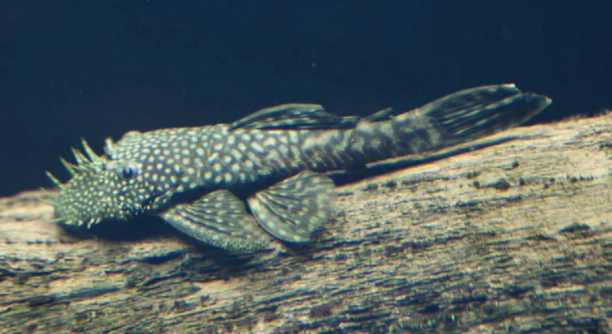
Do you have a pleco that seems to refuse to move, leaving you worried about its health?
A pleco’s reluctance to move can stem from several factors, including stress, water quality issues, illness, or improper tank conditions. Each of these can affect your fish’s behavior and overall well-being.
Understanding the causes behind this behavior can help you identify what’s wrong and provide the right care for your pleco.
Why Does My Pleco Stay Still?
Plecos are typically active fish, known for their ability to move around and help clean algae. If your pleco isn’t moving, it can be concerning. One common reason could be poor water quality. These fish are sensitive to changes in their environment, and if the water parameters like pH, temperature, or ammonia levels are off, it can cause them to become sluggish or inactive. It’s important to check your tank’s water regularly to make sure everything is within the acceptable range for your pleco. Another factor could be stress. This can come from things like a tank that is too small, too many other fish, or sudden changes in the environment.
Improper tank conditions or stress can both lead to a pleco remaining still.
To prevent this, ensure the tank size is adequate for your pleco’s growth, avoid overcrowding, and try to minimize disturbances. If the pleco still refuses to move, there may be another underlying issue such as illness or injury. Always observe your pleco’s behavior closely to determine if medical treatment might be needed.
Common Health Issues Affecting Plecos
Plecos can sometimes stop moving if they’re not feeling well. The most frequent causes include internal parasites, bacterial infections, or injuries that affect their ability to swim. Symptoms like visible lesions, loss of appetite, or strange swimming patterns could indicate health issues. If you notice any of these signs, it’s important to take action quickly.
Taking your pleco to a vet with experience in aquatic animals is the best step for proper diagnosis and treatment. These professionals can help identify the problem and provide guidance on how to nurse your pleco back to health. However, preventive care is always the best option, including maintaining a clean tank and a balanced diet.
It’s important to be proactive about monitoring your pleco’s health. Regular check-ups, clean water, and proper feeding can prevent many issues. A healthy pleco will usually be active and constantly moving around the tank, cleaning surfaces, and exploring their environment. If your pleco continues to remain still, it may be a sign that something isn’t quite right, and addressing the issue quickly will help ensure your fish stays healthy.
Water Quality Problems
Poor water quality is one of the most common reasons a pleco refuses to move. High ammonia or nitrite levels, as well as fluctuating water temperature, can stress them out. It’s crucial to maintain stable water conditions by using a good filtration system and performing regular water changes.
Test your water regularly to ensure that the pH, ammonia, nitrites, and nitrates are within the recommended ranges for plecos. If any of these factors are off, your pleco may stay still as it tries to cope with the poor environment. In addition to water tests, ensure the tank temperature remains consistent, as sudden changes can cause stress.
To fix water quality problems, perform immediate water changes to dilute toxins and make adjustments to the filtration system. Maintaining a clean, well-filtered tank will help your pleco feel comfortable and move around freely.
Stress and Environment
Stress can cause a pleco to stop moving. Overcrowding, constant tankmate conflicts, or loud surroundings can all contribute to this. Plecos prefer a calm and peaceful environment. They thrive when they have space to move around without the threat of aggression from other fish.
Creating a suitable environment means providing plenty of hiding spots, plants, and surfaces for your pleco to graze on. A tank that is too small will make your pleco feel trapped, leading to inactivity. Additionally, sudden changes in light or noise levels can also affect their behavior.
Make sure your pleco has a safe, quiet space with minimal disturbances. This will help reduce stress and encourage them to be more active. A well-balanced and peaceful tank setup will keep your pleco comfortable and allow it to thrive.
Temperature Issues
Plecos are sensitive to water temperature. If the water is too cold or too warm, they may become lethargic and refuse to move. It’s important to keep the tank at a stable temperature, ideally between 74°F and 80°F, to maintain your pleco’s health.
A sudden drop or increase in water temperature can cause stress and even illness. Using a reliable aquarium heater and thermometer will help ensure the temperature stays in the right range. If your pleco is not moving, it’s worth checking the tank’s temperature to rule out this as a cause.
Diet and Feeding
If your pleco is not eating, it may become weak and less active. Plecos primarily feed on algae, but they also need supplemental food such as sinking pellets or fresh vegetables. Lack of proper nutrition can lead to inactivity.
Ensure your pleco is getting a varied diet and is eating regularly. Offering food at night when the pleco is most active can help encourage feeding. If you notice your pleco ignoring food, it could be a sign of a more serious health issue.
Illness or Injury
Plecos, like any other fish, can suffer from illness or injury that causes them to remain still. Bacterial infections, parasites, or wounds can lead to lethargy. Look for signs of physical damage or changes in skin appearance.
If your pleco has visible wounds or other symptoms like rapid gill movement or swelling, it’s essential to seek treatment. Medications specific to fish health can be helpful, but always make sure to follow the directions carefully.
FAQ
Why is my pleco staying in one spot?
Your pleco may stay in one spot due to several reasons, including poor water quality, stress, or illness. It could be a sign that the water parameters in the tank are off, causing discomfort. Check ammonia, nitrate, and nitrite levels regularly and adjust them accordingly. Stress from overcrowding, aggressive tankmates, or sudden environmental changes can also make your pleco inactive. If your pleco is sick, it may choose to stay still, conserving energy while it deals with the illness. It’s important to observe your fish for any additional symptoms.
How can I tell if my pleco is sick?
To identify if your pleco is sick, observe for any changes in behavior, physical appearance, or eating habits. If your pleco is not moving much, has discolored patches on its skin, or is swimming erratically, it could be sick. Other signs of illness include swelling, bloating, visible wounds, or abnormal breathing patterns. A lack of appetite or refusal to eat can also point to health problems. If any of these signs appear, isolate your pleco and treat it promptly to avoid the illness spreading to other fish.
What temperature is best for my pleco?
Plecos prefer a stable water temperature between 74°F and 80°F. If the water is too cold or too warm, they may become sluggish or stressed. Use an aquarium heater and thermometer to ensure the temperature stays within this ideal range. Sudden fluctuations in temperature can cause stress, leading to inactivity or illness. If the water temperature is constantly changing, your pleco may not feel comfortable moving around.
How can I improve my pleco’s water quality?
Improving water quality involves regularly cleaning your tank, performing water changes, and using a good filtration system. Test the water regularly for ammonia, nitrites, and nitrates. Ammonia and nitrite levels should always be zero, while nitrate levels should be kept under 20 ppm. Perform partial water changes every 1-2 weeks to keep the water fresh and remove harmful toxins. A good filter will help maintain water clarity and health by removing excess debris. Keep your pleco’s environment clean and balanced to promote its overall health and activity.
What should I feed my pleco?
Plecos are primarily algae-eaters, but they also need a balanced diet that includes sinking pellets, fresh vegetables, and occasional protein sources. Provide vegetables like zucchini, cucumber, or spinach, as well as algae wafers or spirulina. They may also enjoy pieces of fruit like apples or melons. If your pleco refuses to eat, ensure the food you provide is appropriate for their dietary needs. Sometimes offering food at night, when plecos are more active, can encourage them to eat.
Can plecos live with other fish?
Yes, plecos can live with many other types of fish, but they require certain conditions. Choose tankmates that are peaceful and won’t threaten or crowd your pleco. Plecos are usually fine with other species that don’t exhibit aggressive behavior, such as tetras or mollies. However, be cautious of large or territorial fish, as they may stress your pleco or fight for space. Avoid mixing plecos with other bottom-dwelling fish, as they might compete for territory or food.
What should I do if my pleco isn’t eating?
If your pleco isn’t eating, check the water quality first. Poor water conditions can lead to loss of appetite. If the water quality is fine, try offering different types of food, including sinking pellets, algae wafers, or fresh vegetables. If your pleco still refuses to eat, it might be sick or stressed. Look for other signs of illness, such as lethargy, discoloration, or physical damage. If necessary, consult a vet for proper diagnosis and treatment. Sometimes, stress from the tank environment or aggressive tankmates can cause a pleco to stop eating.
How much space does my pleco need?
Plecos need plenty of space to thrive. A fully grown pleco can reach a length of 12 to 24 inches, depending on the species. A minimum tank size of 75 gallons is recommended for an adult pleco. Smaller tanks can lead to stress and inactivity, as they do not have enough room to move around comfortably. Providing enough space will also allow your pleco to explore, graze, and find hiding spots, which is crucial for its well-being. If your tank is too small, consider upgrading to a larger one.
Why does my pleco seem to be hiding all the time?
Hiding behavior in plecos can be a sign of stress, illness, or poor water quality. If your pleco is constantly hiding, it could be feeling unsafe or uncomfortable in its environment. Ensure that your tank has enough hiding places, such as caves or plants, but avoid overcrowding the space. If the pleco is hiding and not coming out to eat, it could indicate health problems. Check the water parameters and make sure the tank setup is peaceful, without any aggressive fish or other stressors. A pleco should feel secure enough to explore its environment.
How can I tell if my pleco is stressed?
Stressed plecos often exhibit signs such as hiding, lethargy, and a lack of appetite. They may also display abnormal swimming behavior, such as excessive darting or floating at the surface. Stress can be caused by poor water quality, overcrowding, aggressive tankmates, or sudden changes in the environment. Pay attention to your pleco’s behavior and the tank conditions. Ensuring a stable, peaceful environment with clean water is key to reducing stress and helping your pleco feel comfortable. If your pleco’s stress continues, it could lead to health issues that need immediate attention.
Final Thoughts
When your pleco refuses to move, it can be concerning, but there are a number of factors to consider before jumping to conclusions. The most common causes are related to water quality, stress, or health issues. By carefully monitoring the water parameters in the tank, you can rule out poor water quality as a factor. Regular water changes, proper filtration, and maintaining a stable temperature are essential steps in ensuring a healthy environment for your pleco. If the water conditions are right, but your pleco still refuses to move, it could be dealing with stress from overcrowding or a conflict with other tankmates. Stress from external factors such as noise or changes in lighting can also cause them to remain inactive.
If you’ve checked the environment and water quality and still notice that your pleco isn’t moving, it may be time to consider the possibility of illness or injury. Plecos, like all fish, are susceptible to bacterial infections, parasites, and other health issues. Some signs that your pleco might be sick include changes in skin color, swelling, or visible wounds. If your pleco is eating less or not at all, it may be a sign of a more serious issue. In this case, seeking help from a vet experienced with aquatic animals is a good step to take. Quick action can often make a difference in getting your pleco back to full health.
Overall, the key to addressing the issue of an inactive pleco lies in paying attention to its environment and habits. A healthy pleco is an active pleco, so ensuring the right water conditions, a stress-free environment, and proper diet is crucial. If you’re facing ongoing issues with your pleco’s activity, don’t hesitate to investigate further, whether it’s water tests, tank setup adjustments, or seeking medical advice. With proper care and attention, your pleco will be able to return to its active self, keeping your aquarium vibrant and balanced.

Hello,
If you enjoy the content that we create, please consider saying a "Thank You!" by leaving a tip.
Every little bit helps us continue crafting quality advice that supports the health, happiness, and well-being of pets around the world, for pets of all shapes, sizes, and species.
We really appreciate the kindness and support that you show us!