
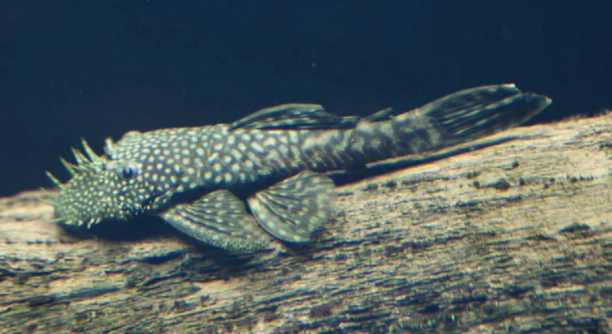
Keeping your plecostomus happy and healthy often requires more than just feeding them. Regular water changes play a crucial role in maintaining their well-being. The quality of their environment impacts their health and behavior.
Water changes are essential for improving water quality, reducing harmful toxins, and maintaining optimal conditions for plecostomus. Regular changes ensure that your fish stay healthy and active, as clean water supports their natural behavior and overall longevity.
Knowing how water changes benefit your plecostomus will help you create the best environment for them. The following tips will guide you through the essential steps for keeping your plecos in top condition.
1. Regular Water Changes Help Maintain Clean Water
Plecostomus are sensitive to poor water conditions, and keeping the water clean is essential for their health. Regular water changes remove excess waste, uneaten food, and harmful chemicals that can build up. When the water is clean, your pleco will feel more comfortable and active. It helps reduce stress, which is important for their overall well-being. Frequent water changes can also prevent issues like algae overgrowth, which can affect the quality of the water and the environment your pleco lives in.
Changing the water regularly reduces the build-up of toxins like ammonia and nitrates. These substances can be harmful to plecostomus, leading to illness or even death if not controlled. Keeping the water clean ensures that your pleco’s environment is more stable, providing them with a healthier life.
The water should be changed about 25-30% weekly to maintain good water quality. Using a water conditioner can help remove chlorine and chloramine from tap water, making it safer for your plecostomus. Monitoring water parameters like pH, hardness, and temperature also ensures your pleco thrives in an optimal setting.
2. Lower Stress Levels with Frequent Water Changes
Consistent water changes reduce stress for your plecostomus.
Stress can lead to many health problems, including a weakened immune system, sluggish behavior, and a lower life expectancy. A cleaner environment helps your pleco feel more secure, keeping them active and healthy.
Stress in plecostomus often results from poor water quality, so regular changes can make a big difference. With cleaner water, your fish will be more likely to feed properly, interact with their environment, and display their natural behavior. Stress can also make plecos more susceptible to diseases, so keeping the water clean is key. Additionally, keeping the water temperature stable reduces the chances of stress from sudden changes. Small, consistent changes create a steady, low-stress environment, allowing your pleco to thrive.
3. Water Changes Improve Oxygen Levels
Water changes increase oxygen levels in the tank, which plecostomus need to stay healthy. Fresh water contains more dissolved oxygen, allowing your pleco to breathe better and feel more active.
In an aquarium, oxygen levels can drop as waste builds up. As organic matter decomposes, it consumes oxygen, leaving your pleco with less to breathe. By replacing some of the water regularly, you ensure that oxygen levels stay higher, which helps your pleco thrive. Adequate oxygen is essential for their organs and skin, especially because plecos are bottom dwellers that spend more time near the substrate.
Without enough oxygen, plecostomus can become sluggish, and their immune system can weaken. They may also show signs of stress, such as erratic swimming or gasping for air at the surface. Fresh, oxygen-rich water will support their health and reduce these issues, promoting overall well-being.
4. Prevent Algae Growth
Frequent water changes can help reduce algae buildup in your tank. Algae thrive in nutrient-rich environments, especially when water quality is poor.
When you change the water regularly, you remove excess nutrients that algae feed on. Phosphates and nitrates, which accumulate from food and waste, fuel algae growth. If not controlled, algae can cover surfaces, block light, and make the tank look dirty. By removing these nutrients, water changes create a cleaner, more visually appealing aquarium.
A clean tank not only improves the aesthetic but also ensures the health of your pleco. Excessive algae can cause the water to become cloudy and oxygen levels to drop. Keeping algae in check will prevent these problems and allow your pleco to enjoy a stable and comfortable home.
5. Maintain Stable Water Parameters
Regular water changes help maintain stable parameters, such as pH, hardness, and temperature. Sudden changes in water chemistry can stress your pleco.
By replacing part of the water regularly, you ensure that the overall water chemistry remains consistent. This is important because plecos are sensitive to fluctuations. Stability supports their natural behaviors and health, reducing the risk of disease.
Stable conditions also promote healthy biological filtration. Regular water changes support the beneficial bacteria that process waste, keeping the tank clean and your pleco’s environment balanced.
6. Remove Harmful Toxins
Water changes help eliminate harmful toxins like ammonia and nitrites that build up in the tank.
Toxins can cause severe harm to your pleco, leading to illness or even death. Changing the water removes these dangerous substances, keeping your pleco safe. Regular water changes are one of the best ways to prevent this from happening.
7. Better Growth and Development
Water changes contribute to better growth by providing your pleco with a cleaner, healthier environment. Clean water helps support proper nutrition and metabolic function.
Without regular water changes, toxins and waste can slow down their growth, leading to stress and poor development. Fresh water ensures your pleco has the resources it needs for strong, healthy growth.
FAQ
How often should I change the water for my plecostomus?
It’s recommended to change about 25-30% of the water in your pleco’s tank every week. If you have a heavily stocked tank, you may need to change more often. Regular water changes help maintain water quality and remove toxins. If your tank is smaller or has fewer fish, less frequent changes may be enough. The key is consistency.
Can I use tap water for water changes?
Yes, you can use tap water for water changes, but it’s important to treat it first. Tap water often contains chlorine or chloramine, which can harm your plecostomus. Using a water conditioner can neutralize these chemicals, making the water safe for your fish. Always check the water temperature as well to avoid shocking your pleco.
What is the ideal temperature for my plecostomus tank water?
The ideal water temperature for plecostomus is between 72-78°F (22-26°C). Keeping the temperature stable within this range helps maintain their health and comfort. Sudden temperature fluctuations can stress your pleco, making them more susceptible to illness.
Should I remove my plecostomus when changing the water?
No, there’s no need to remove your plecostomus when performing water changes, as long as you make sure the water temperature and conditions are stable. However, if you need to perform a deep cleaning or move decorations, it’s a good idea to gently relocate your pleco to a temporary holding tank to avoid stress.
How can I tell if my plecostomus is stressed by water quality?
Stressed plecos often show signs like erratic swimming, hiding more than usual, or losing their appetite. If your plecostomus is not behaving normally, it could be a sign that the water quality is poor. Test the water parameters and check for high levels of ammonia, nitrites, or nitrates.
Can I use a filter instead of regular water changes?
While filters are essential for maintaining water clarity and removing waste, they can’t fully replace the need for regular water changes. Filters help by removing smaller particles, but water changes remove larger waste, toxins, and excess nutrients that filters may not catch. Regular changes ensure your pleco has the best environment possible.
How do I prepare the water for a water change?
Before adding new water, make sure it’s the right temperature to match the water in the tank. It’s best to use a thermometer to check the temperature and adjust if necessary. Also, treat the water with a dechlorinator to remove harmful chemicals found in tap water.
Can I overchange the water in my plecostomus tank?
It’s unlikely that you can overchange the water unless you are changing it too frequently or in very large amounts. Changing all the water at once can destabilize the tank’s ecosystem, which could harm your plecostomus. Stick to the recommended 25-30% per week to avoid shocking the tank’s balance.
What happens if I don’t change the water regularly?
Without regular water changes, harmful toxins like ammonia and nitrates build up, which can lead to poor water quality. This can cause your pleco to become stressed, weakened, or even sick. Dirty water can also lead to an increase in algae growth, which further impacts water quality.
Can water changes affect the pH of the tank?
Yes, water changes can impact the pH, especially if your tap water has a very different pH from your tank’s water. It’s important to monitor the pH regularly to ensure it stays within the appropriate range for your plecostomus, which is typically between 6.5 and 7.5. Sudden changes in pH can cause stress.
How can I reduce the need for frequent water changes?
To reduce the need for frequent water changes, you can use a good filtration system, avoid overfeeding, and minimize the number of fish in the tank. Cleaning the tank regularly and removing waste can also help maintain water quality. However, regular water changes will still be necessary to keep the water fresh and toxin-free.
Is it necessary to vacuum the substrate during water changes?
Vacuuming the substrate during water changes helps remove waste, uneaten food, and debris that accumulate on the bottom of the tank. It’s a good practice to do this every time you change the water. This will improve water quality and prevent harmful substances from building up in the tank.
What should I do if my plecostomus gets sick after a water change?
If your plecostomus shows signs of illness after a water change, check the water parameters right away. Ensure the water temperature, pH, and hardness are stable. A sudden change in any of these can cause stress or illness. If you suspect the water change was the issue, consider slowing down the frequency or amount of water you change.
Can I change the water too slowly?
Changing the water too slowly is generally not a problem, but it can lead to prolonged exposure to high levels of toxins if not done in a timely manner. Aim to replace about 25-30% of the water within a few hours to ensure your pleco’s environment stays healthy and clean.
What is the best way to introduce new water into the tank?
The best way to introduce new water is slowly, to avoid disrupting the current water balance. Use a gentle flow, such as a siphon or hose, to add the water back into the tank. This helps prevent sudden temperature or pH changes that could stress your pleco.
Final Thoughts
Regular water changes are one of the most important steps in keeping your plecostomus healthy. By removing waste, toxins, and excess nutrients, you create a cleaner and more stable environment for your fish. This is essential for their long-term well-being, as plecos are sensitive to poor water conditions. Maintaining good water quality helps prevent diseases and stress, which can shorten your pleco’s lifespan. With consistent water changes, you provide your pleco with the best possible living conditions.
While water changes alone are not enough to maintain a healthy tank, they are a key part of the process. Other factors, such as proper filtration, feeding habits, and tank maintenance, also contribute to a healthy environment. However, when water quality is not addressed, all the other efforts can fall short. Frequent water changes are the most effective way to support your pleco’s health and make sure the water remains safe for them.
Remember, the frequency and amount of water changes will vary based on your specific tank setup. Pay attention to the size of your tank, the number of fish, and the filtration system. Smaller tanks and heavily stocked aquariums may require more frequent changes, while larger tanks with efficient filtration might need less. Always test your water regularly to make sure the parameters stay within the proper range. This will help you catch potential issues early and keep your plecostomus healthy and thriving.

Hello,
If you enjoy the content that we create, please consider saying a "Thank You!" by leaving a tip.
Every little bit helps us continue crafting quality advice that supports the health, happiness, and well-being of pets around the world, for pets of all shapes, sizes, and species.
We really appreciate the kindness and support that you show us!