
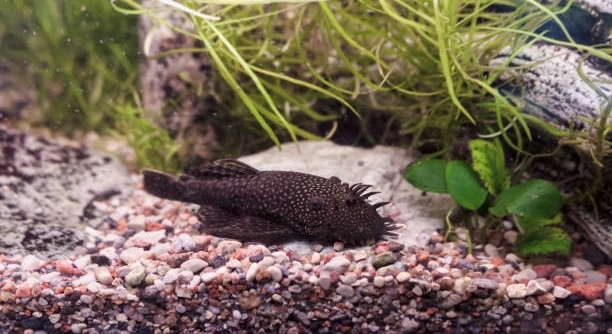
Plecos are popular aquarium fish known for their algae-eating habits, and many owners are curious about their behavior, especially when it comes to finding food. One question that often arises is whether plecos remember where food is kept in their tanks.
Plecos have a relatively simple memory, and while they can associate food with certain locations, their memory is not as advanced as more complex species. They rely mostly on scent and instinct to locate food in their environment.
Understanding the factors that help plecos find food can help you make sure they are well-fed and healthy in your aquarium. Keep reading to learn more!
How Plecos Locate Food in Their Tank
Plecos are known for their ability to find food in their environment, but their method is quite different from more complex animals. Unlike mammals that rely on sight and memory, plecos use their sense of smell to detect food. They can easily recognize the scent of algae, sinking pellets, or other food items in the water. This ability to detect smells helps them locate food even in a relatively large tank.
Although plecos don’t have a detailed memory like some animals, they can form basic associations. Over time, they may remember where food is typically placed in their tank. This doesn’t mean they remember exact spots, but they can recognize patterns and habits, like when food is added at the same time every day.
However, it’s important to note that plecos’ memory is limited and mostly short-term. For example, if you place food in a new spot or change the feeding schedule, your pleco may take some time to find it. Consistency in feeding locations and times can help make feeding easier for both you and your pleco.
The Role of Scent in Finding Food
Plecos rely heavily on their sense of smell to find food. They can detect scents from algae and food pellets in the water. This sense is crucial for navigating their environment.
Plecos are equipped with a highly sensitive sense of smell that plays a big role in how they locate food. This natural ability helps them pick up on the scent trails left by food. For instance, they may detect sinking pellets as soon as they’re introduced to the tank. Even in a large tank, they can often find food quickly due to this heightened sense of smell.
Memory and Learning in Plecos
Plecos have a limited memory capacity, which means they don’t remember exact food locations for long periods. However, they can learn and adapt to patterns. If you feed them in the same spot every day, they will eventually associate that area with food.
Over time, plecos might recognize that food is placed near certain objects like rocks or plants. This learned behavior helps them find food more easily, but it’s still based more on routine than memory. Plecos are more likely to stick to the same feeding areas once they realize it’s a reliable food source.
However, changing the spot or routine can confuse them. Since their memory isn’t long-term, they may need to relearn the location. This shows that while they can learn from experience, their memory isn’t strong enough for long-term associations.
How Consistency Helps Plecos Find Food
Consistency in feeding time and location benefits plecos in the long run. If you keep the feeding routine the same, your pleco will start to recognize the pattern and know when to expect food.
A consistent feeding schedule helps plecos not only learn the location of their food but also adjust their behavior accordingly. When they can rely on the same feeding time every day, they become more confident in finding the food. This is especially important for plecos that are in a tank with various hiding spots and decorations. Without consistency, they might struggle to locate their food each time.
Plecos’ Ability to Recognize Patterns
Plecos can recognize patterns in their environment. They may not remember exact details, but if the food placement stays consistent, they will pick up on the pattern over time. This helps them locate food with ease after learning the routine.
Even if their memory is limited, plecos will adapt and recognize certain visual cues over time. For example, if food is regularly placed near a specific object like a decoration or plant, they will associate that object with food. This learned behavior makes it easier for them to locate food during feeding time.
How Tank Size Affects Food Finding
The size of your tank can impact how easily plecos find their food. In larger tanks, it might take them a bit longer to locate food, as the space is more spread out. Smaller tanks usually make it easier for plecos to find food quickly.
If your pleco is having trouble finding food, consider placing it in an area where they spend a lot of time. Since plecos like to hide in caves or behind decorations, make sure to put food in areas they frequent. This helps them find it without having to search too far.
Feeding Habits and Pleco Behavior
Plecos prefer to eat during specific times of the day, often at night. Their nocturnal nature means they are more active and hungry when the lights are off. To encourage them to find food, it’s best to feed them when their activity levels peak.
FAQ
Do plecos have good memory?
Plecos have a relatively simple memory. They can form short-term associations, like learning where food is placed if it’s consistent. However, their memory is not very long-lasting. If the food placement or routine changes, they might struggle to find it until they relearn the new pattern. Plecos rely more on their instincts and smell than on memory to locate food.
Can plecos recognize their owners?
Plecos do not recognize their owners in the same way that pets like dogs or cats do. However, they can become accustomed to the presence of their owner, especially if the owner feeds them regularly. They may approach the person who feeds them, but this behavior is based on food association rather than any form of bonding.
How do I train my pleco to find food?
To train your pleco to find food, it’s best to create a consistent routine. Place the food in the same spot each time and feed them at the same time daily. Over time, they will learn where to find food. Since plecos rely on their sense of smell, ensuring the food is easy to detect will also help them learn faster.
Why won’t my pleco eat the food I offer?
If your pleco is not eating the food you offer, there could be a few reasons. One possibility is that the food is not suitable for their diet. Plecos typically eat algae, sinking pellets, or vegetables like zucchini. If you’re offering the wrong type of food, they may not be interested. Additionally, stress, poor water conditions, or competition from other fish in the tank can also discourage them from eating.
Do plecos eat at night?
Yes, plecos are nocturnal creatures. They are most active during the night, which is when they tend to eat. If you are having trouble getting your pleco to eat during the day, try feeding them in the evening or at night when they are more active. You might also notice that they feed more in the dark, as they are naturally inclined to seek out food during this time.
Can plecos survive without food for a day?
Plecos can survive without food for a day or even a few days, depending on their health and size. However, regular feeding is essential to keep them healthy. If they are not fed for an extended period, they may become weak or stressed. It’s important to maintain a consistent feeding schedule to ensure they get the proper nutrients and stay active.
How often should I feed my pleco?
Plecos generally need to be fed once or twice a day. A good rule of thumb is to provide enough food that they can consume in about 5-10 minutes. Overfeeding can lead to water quality issues, so it’s important to avoid excess food. Monitor their eating habits to adjust the amount of food as needed.
What types of food do plecos prefer?
Plecos are primarily herbivores and prefer algae, but they can also eat sinking pellets, vegetables like zucchini and cucumber, and occasionally, some types of protein-based food like shrimp. A well-balanced diet will help them stay healthy and maintain their algae-eating abilities.
Can I feed plecos vegetables from my kitchen?
Yes, you can feed your pleco vegetables from your kitchen, but they need to be prepared properly. Vegetables like zucchini, cucumber, and spinach are good options. You should blanch the vegetables (boil them briefly and then cool them) to soften them, making them easier for your pleco to eat. Avoid seasoning or adding anything that might be harmful to your fish.
Do plecos need special food?
Plecos don’t necessarily need special food, but they do have specific dietary needs. They primarily eat algae and plant matter, so providing them with algae wafers or sinking pellets designed for plecos is a good option. If you’re providing vegetables, make sure they are fresh and free of any chemicals or pesticides.
Why is my pleco staying in the same spot?
If your pleco is staying in the same spot, it could be due to stress, poor water quality, or a lack of food. Plecos are often active and move around the tank, but if they’re not eating or if something feels off in their environment, they may stay in one place. Make sure the water conditions are optimal, and check that the food is accessible and appropriate for them.
Can I feed plecos live food?
While plecos are primarily herbivores, they may occasionally eat live food, such as small shrimp or worms. However, their main diet should consist of plant matter. Live food should be offered in moderation, and it’s important not to feed them too much protein, as it can affect their overall health.
Final Thoughts
Plecos are fascinating fish with unique feeding habits and behaviors. They are primarily herbivores, relying on algae and plant matter to sustain themselves, but they can also eat sinking pellets and vegetables. Their ability to find food relies heavily on their sense of smell rather than a complex memory system. While they can learn to associate food with specific areas over time, their memory is short-term, meaning they may not always remember where the food is placed if the routine changes. However, consistency in feeding time and location can make it easier for plecos to find food, improving their overall well-being.
The key to keeping your pleco healthy and well-fed is establishing a consistent feeding routine. Whether you’re providing sinking pellets, vegetables, or algae wafers, offering food in the same spot at the same time each day will help your pleco associate that area with food. Plecos are nocturnal creatures, so feeding them during the evening or nighttime can ensure they are more active and likely to eat. If you notice that your pleco is not eating, it may be worth re-evaluating the type of food or checking the water conditions, as stress or poor water quality can discourage eating.
While plecos have limited memory and don’t form long-term bonds with their owners, they are still intelligent creatures that can adapt to their environment. Their ability to recognize patterns helps them find food with ease, but they may need time to adjust if changes occur. By offering a varied diet and maintaining a clean, consistent environment, you can ensure that your pleco remains happy and healthy. If you’re new to caring for plecos, taking these factors into account will help you provide the best care possible for these interesting and peaceful aquarium companions.

Hello,
If you enjoy the content that we create, please consider saying a "Thank You!" by leaving a tip.
Every little bit helps us continue crafting quality advice that supports the health, happiness, and well-being of pets around the world, for pets of all shapes, sizes, and species.
We really appreciate the kindness and support that you show us!