
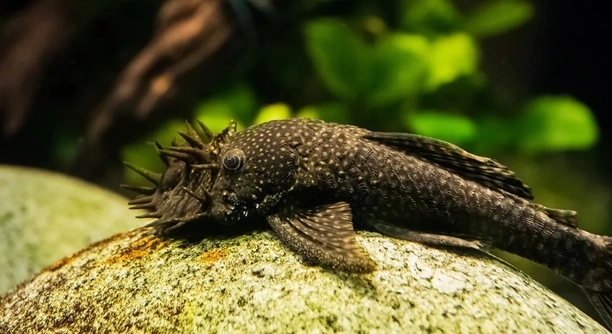
Plecos are often thought of as bottom dwellers in aquariums, mainly feeding on algae. But, there’s more to their diet than meets the eye. These fish are not just algae eaters, they enjoy a variety of foods.
Plecos are omnivorous and opportunistic feeders. They consume algae, plant matter, fruits, and some types of protein. Their diet can include vegetables, sinking pellets, and even shrimp, making them more versatile eaters than commonly believed.
This article will explore the surprising range of foods that plecos can enjoy. From unexpected treats to common aquarium staples, you might find that your pleco has a more diverse palate than you imagined.
Algae and Vegetation: The Pleco’s Favorite Snack
Plecos are well-known for their ability to graze on algae. This is one of the main food sources they rely on in aquariums. They spend a lot of time sucking algae from rocks, decorations, and the sides of tanks. However, algae isn’t the only green food they enjoy. They can also munch on various types of vegetation, such as spinach, zucchini, and lettuce. Some aquarists even offer peas, which plecos find quite tasty. These foods are not only safe but beneficial to their health, providing essential nutrients like fiber and vitamins.
Vegetables are a great addition to a pleco’s diet. They are rich in the nutrients that help maintain their overall health and keep their digestive system functioning smoothly. When feeding vegetables, it’s important to blanch them first to soften them, making them easier for your pleco to eat. You can also attach them to the tank using a clip, which makes it easier for your pleco to access the food.
By providing a mix of algae and vegetables, you help replicate a more natural diet for your pleco, supporting their long-term health and well-being.
Protein Sources: Plecos Aren’t Just Herbivores
Although plecos are primarily known for eating plants, they do benefit from protein. Protein can be found in various sources such as shrimp, bloodworms, or even some small fish. While they may not actively hunt, they do enjoy eating protein-rich foods when offered. Adding these types of foods to their diet ensures they receive a balanced meal that covers both plant and animal nutrients.
For plecos, protein supports muscle growth and repair. Some commercial fish foods even include a mix of protein and plant matter to cater to their omnivorous diet. While you should not feed them protein-rich foods too often, offering them once a week is a good way to provide additional nutrition. This will keep your pleco healthy and give them the variety they crave.
Adding protein sources to a pleco’s diet may seem surprising, but it’s a great way to make sure your fish stays strong and healthy.
Fruits: A Sweet Treat for Plecos
Fruits are an excellent addition to your pleco’s diet. They enjoy fruits like watermelon, apple slices, and grapes. These foods add variety to their meals while providing important vitamins and antioxidants. However, fruits should be offered in moderation as they are high in sugars.
When feeding fruit to plecos, it’s important to slice them into small, manageable pieces. Some plecos may take time to warm up to new foods, so don’t be discouraged if they ignore the fruit at first. You can try different types of fruit to see which ones they prefer. Remember to remove any uneaten fruit after a few hours to avoid water quality issues.
Offering a mix of fruit will help ensure your pleco gets a variety of nutrients while enjoying something different from the usual veggies or algae. Keep an eye on their consumption to make sure they aren’t overeating the sweeter fruits.
Sinking Pellets: A Convenient Feeding Option
Sinking pellets are a common choice for feeding plecos. They are designed to sink to the bottom of the tank, where plecos naturally feed. These pellets are packed with nutrients and offer a convenient way to ensure your pleco gets a balanced diet.
Choosing a good quality sinking pellet is key. Look for pellets that contain a good mix of plant-based ingredients and some animal protein. While they shouldn’t be the sole food source, sinking pellets make for an easy and reliable option when you’re not offering fresh foods. They are especially useful for plecos who need a consistent, well-rounded meal.
Feeding sinking pellets is also a time-saver. They don’t require preparation like vegetables or fruits and will stay in the tank for a while, giving plecos plenty of time to feed.
Shrimp: A Pleco’s Protein Boost
Shrimp are another protein-rich food plecos enjoy. Whether they are live, frozen, or freeze-dried, shrimp provide valuable nutrients that support your pleco’s health. It’s an excellent way to add some variety to their diet. Plecos tend to go crazy for shrimp.
You can offer shrimp as an occasional treat or as part of a regular feeding routine. It’s important to vary their diet to avoid overfeeding any one type of food. Shrimp can be an excellent source of protein and fats when given in moderation, helping your pleco grow strong.
Algae Wafers: Convenient and Nutritious
Algae wafers are a convenient option for feeding plecos. These wafers sink to the bottom of the tank, allowing your pleco to feed naturally. They are packed with plant matter and essential nutrients, making them a great supplement to other foods.
Algae wafers are particularly useful for plecos who prefer algae but need variety. They’re easy to store and feed, providing an efficient way to ensure your pleco is getting a good balance of nutrients. Just be sure not to overfeed, as the leftovers can affect water quality.
Leafy Greens: More Than Just Lettuce
Leafy greens, like kale and romaine lettuce, are fantastic for plecos. They provide plenty of fiber and nutrients. These greens are easy to prepare and can be added to your pleco’s diet regularly. They will graze on them for hours, which mimics their natural eating habits.
FAQ
Can plecos eat cucumbers?
Yes, plecos can eat cucumbers. They enjoy this vegetable, and it’s a great way to add variety to their diet. To feed cucumbers to your pleco, peel and slice them into thin pieces. You can blanch them slightly to soften them, making them easier for your fish to consume. Make sure to remove any uneaten cucumber from the tank after a few hours to prevent water contamination.
Are plecos herbivores or omnivores?
Plecos are omnivores, meaning they eat both plant and animal matter. Their diet in the wild consists of algae, plants, small invertebrates, and even some detritus. In an aquarium setting, plecos can enjoy a combination of algae, vegetables, fruits, sinking pellets, and occasional protein sources like shrimp or bloodworms. Offering a balanced diet helps keep them healthy.
How often should I feed my pleco?
Plecos should generally be fed once or twice a day. They are bottom feeders, so they don’t need as much food as other types of fish. Offering too much food can lead to uneaten leftovers, which may negatively affect water quality. Keep feeding sessions short, and make sure to remove any food your pleco doesn’t finish within a few hours.
Can plecos eat fruit every day?
Fruit can be fed to plecos, but it should be given in moderation. Fruits, especially sweeter ones like grapes or watermelon, are high in sugar. Feeding fruit every day is not recommended, as it may lead to an imbalance in their diet. Offering fruit once or twice a week is sufficient, and it should be balanced with other foods like vegetables and protein sources.
What type of pellets are best for plecos?
Look for sinking pellets that are specifically formulated for plecos. These pellets should contain a blend of plant matter and some protein. Avoid pellets that are primarily made from fillers like corn, as they don’t provide much nutritional value. High-quality pleco pellets will include ingredients like spirulina, algae, and fish meal, supporting a balanced diet.
Can plecos eat bread?
No, bread should not be fed to plecos. Bread contains yeast and other ingredients that may not be healthy for your pleco. It can also break down quickly in the water, leading to poor water quality. Stick to foods that are natural and appropriate for their digestive system, such as vegetables, fruits, and algae-based foods.
How can I make sure my pleco is getting enough algae?
To ensure your pleco has enough algae, you can provide algae wafers or encourage natural algae growth in the tank. Plecos love grazing on algae-covered surfaces like tank walls, decorations, and plants. If there isn’t enough natural algae in the tank, supplementing with algae wafers or feeding vegetables that contain small amounts of algae can help.
Can plecos eat carrots?
Carrots are safe for plecos in moderation. They are rich in vitamins and fiber but should be offered in small pieces. Make sure to blanch the carrot before feeding it to your pleco, as this makes it easier to eat. Carrots should not be a primary food source but can be a healthy treat every now and then.
What protein sources can I feed my pleco?
Plecos benefit from a variety of protein sources, such as shrimp, bloodworms, and occasionally small fish. Freeze-dried or frozen shrimp and bloodworms are excellent options for adding protein to their diet. Feeding them protein once a week is enough to keep them strong and healthy, without overloading their digestive system with too much animal-based food.
Can plecos eat avocado?
No, avocados are not safe for plecos. They contain fats and other compounds that are harmful to many animals, including fish. Even though humans enjoy avocados, they should never be offered to plecos or other aquatic creatures. Stick to vegetables and fruits that are known to be safe for fish.
Are plecos picky eaters?
Plecos are not typically picky eaters. They will usually eat most types of vegetables, algae, and sinking pellets. However, it may take some time for them to adjust to new foods, especially if they are unfamiliar with certain items. Offering a variety of foods can help ensure they get the nutrients they need.
Can I feed my pleco algae from outside?
It is not recommended to feed your pleco algae collected from outside. Algae from ponds or streams may contain pollutants, parasites, or harmful bacteria that can affect the health of your fish. Stick to aquarium-safe algae, whether it’s natural growth in the tank or store-bought algae wafers and pellets.
Is it okay to feed plecos only algae wafers?
Feeding only algae wafers is not a balanced diet for plecos. While algae wafers provide important nutrients, they lack some of the essential vitamins, minerals, and protein that plecos need. A diverse diet that includes vegetables, fruits, and protein sources like shrimp or bloodworms will ensure your pleco stays healthy and strong.
Do plecos need supplements?
Most plecos do not require additional supplements if they are provided with a well-rounded diet that includes a mix of vegetables, algae, and protein. However, if your pleco is not eating enough algae or vegetables, you may consider supplementing with a liquid vitamin or mineral supplement designed for aquarium fish. Always consult an expert before adding supplements to your pleco’s diet.
Can plecos eat grapes?
Yes, plecos can eat grapes in moderation. Grapes are high in sugar, so they should only be offered as an occasional treat. You can slice the grapes into small pieces to make it easier for your pleco to consume. Remove any leftover grapes from the tank to avoid water contamination.
Final Thoughts
Plecos are resilient and adaptable fish, capable of thriving on a varied diet. While they are best known for consuming algae, their diet can be much more diverse. Offering plecos a mix of vegetables, fruits, sinking pellets, and occasional protein-rich foods helps ensure they receive the necessary nutrients to stay healthy. Just like any pet, their dietary needs should be met with variety, and that will keep them happy and active in their aquarium environment.
It’s important to remember that, like all fish, plecos can overeat if not fed the right amount. Overfeeding can lead to water quality problems, which can harm both your pleco and other fish in the tank. Monitoring how much food is consumed and removing uneaten food after a few hours is key to maintaining good water quality. Make sure to feed your pleco the right amount based on its size and activity level. With proper care, your pleco will thrive for years to come.
Finally, it’s crucial to offer food that is safe for plecos. Not all foods are suitable for them, and some, like bread or avocado, should be avoided entirely. Stick to foods that are specifically designed for plecos or other aquatic herbivores and omnivores. By doing so, you’ll help your pleco maintain a balanced diet and a healthy life in your aquarium.

Hello,
If you enjoy the content that we create, please consider saying a "Thank You!" by leaving a tip.
Every little bit helps us continue crafting quality advice that supports the health, happiness, and well-being of pets around the world, for pets of all shapes, sizes, and species.
We really appreciate the kindness and support that you show us!