
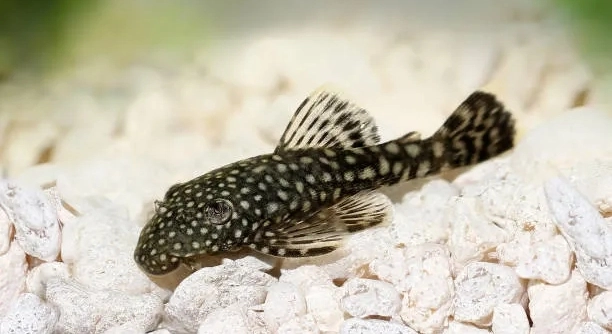
Is your normally calm pleco starting to act a bit too aggressive in your aquarium lately, leaving you feeling unsure or concerned?
The most common reason plecos act aggressively is due to territorial behavior. As they grow, they may become more protective of their space, especially in crowded tanks or during feeding times, leading to conflict with other fish.
Learning more about their behavior, tank setup, and environmental needs can help you reduce aggression and create a more peaceful tank environment.
Common Reasons Your Pleco May Be Acting Aggressive
Plecos are generally peaceful, but they can become territorial, especially as they age or grow larger. In smaller tanks, they may not have enough space to claim as their own, causing them to become defensive. This behavior is most noticeable during feeding times or when other bottom-dwelling fish get too close. Certain pleco species, like the Common Pleco, are known to be more aggressive than others, particularly when mature. Changes in the tank setup, water quality, or lighting can also cause stress, which may lead to increased aggression. Sometimes, male plecos show this behavior when competing for territory or dominance, especially in shared spaces with limited hiding spots. It’s important to know the specific type of pleco you have, as their needs and behaviors can vary quite a bit. Tank size, diet, and tank mates all play a role in how a pleco behaves daily.
Aggression often begins subtly—chasing other fish, guarding specific areas, or staying hidden for long periods before lashing out.
Giving your pleco enough space and hiding spots is one of the easiest ways to lower stress and reduce aggressive behavior. A 75-gallon tank or larger is often best for larger plecos. You can also rearrange the tank slightly to break up territories. Introducing smooth driftwood or caves provides shelter and makes your pleco feel more secure. It helps to feed them separately if food competition is an issue. Keeping the water clean and stable with regular testing can prevent stress-related behavior. Also, watch how your pleco acts when the lights go off, as many are more active at night and may display aggression only during these hours. If other fish are getting hurt, it might be time to rehome either the pleco or the tank mates. Observing your pleco and making small changes can bring a calmer balance to the aquarium.
Signs Your Pleco Is Becoming Too Aggressive
You may notice your pleco chasing other fish, guarding a specific spot, or staying near one area of the tank all day.
A pleco becoming more aggressive will often show changes in behavior before it starts causing real harm. They may flare their fins, chase tank mates, or suck onto other fish, causing stress or even injury. If your pleco has become more reclusive, hiding most of the day and only coming out to defend an area, this can also be a sign. Watch for missing scales or damaged fins on your other fish. It’s important not to ignore these signs. Early action can help you avoid more serious problems. If aggression is affecting the peace of your tank, try increasing hiding spaces and improving the layout. Always check water quality first, then assess if your pleco has outgrown the current space. Keeping a close eye on your pleco’s habits will help prevent larger issues down the road.
How Tank Conditions Affect Behavior
Poor tank conditions can lead to stress, which often causes aggressive behavior in plecos. Dirty water, unstable temperatures, or improper lighting can all contribute to a negative environment that affects how your pleco reacts to its surroundings.
A pleco needs stable and clean water to stay calm. Sudden changes in pH, ammonia spikes, or even a lack of oxygen can make them feel threatened. They may lash out or become territorial if they’re uncomfortable. Make sure the tank has strong filtration and consistent water changes. The temperature should stay between 74–80°F, and the tank should have some shaded areas using plants or decorations. Bright lights can stress some plecos, especially nocturnal species. Keep a regular schedule for feeding and maintenance to build a predictable, stress-free environment. A balanced tank helps reduce aggressive habits and makes your pleco feel secure in its space.
Overcrowding the tank can also cause your pleco to act out. When too many fish share a small space, plecos have fewer places to claim as their own. They’ll start defending whatever they can, even if it means bullying other fish. The stress from constant movement and competition can make the tank uncomfortable. Always check the size and compatibility of any fish before adding them. For larger plecos, a tank of 75 gallons or more is ideal. Adding too many fish, or the wrong types of fish, increases the risk of conflict. Giving your pleco a calm, open environment goes a long way in helping it feel less defensive.
Choosing Compatible Tank Mates
Tank mates matter when keeping a peaceful pleco. Not every fish is suitable, especially those that are territorial or overly active. Avoid fin nippers, other bottom dwellers, or fish that may compete for the same hiding spots.
Plecos do best with fish that stay in the upper or middle levels of the tank. Tetras, rasboras, and angelfish are often good options, depending on the pleco’s size. Avoid pairing them with cichlids, other plecos, or fish that are known to be aggressive or territorial. Even peaceful plecos can become combative if challenged for space. It’s also a good idea to avoid fast, nippy fish that may harass your pleco while it rests. When adding new tank mates, watch closely for signs of stress or chasing. Giving each fish enough space and a few hiding areas will help everyone feel more relaxed. Compatibility isn’t just about temperament—it’s also about space, habits, and feeding needs.
Feeding Habits That Can Trigger Aggression
Feeding time can cause plecos to become pushy, especially if there isn’t enough food or if it’s placed in just one area. They may fight other fish for access and guard the spot aggressively.
Some plecos need more plant-based foods while others prefer protein-rich options. If their diet isn’t right, they may show stress or aggressive behavior while eating.
When to Consider Separating Your Pleco
If your pleco continues to act aggressively despite changes, separating it may be the best option. A second tank or rehoming can prevent injury to other fish and lower stress levels. Sometimes, even with ideal conditions, the behavior doesn’t improve and space is the only real solution.
Monitor Behavior After Changes
After making adjustments, keep an eye on how your pleco acts for a few days. Changes in aggression may take time, and consistent observation will help you see what’s working and what still needs improvement.
FAQ
Can plecos live with other bottom dwellers like corydoras or loaches?
Plecos can live with corydoras and loaches in some cases, but it depends on the pleco species and tank setup. In a tank that’s too small or lacking hiding spaces, plecos may become territorial. Corydoras and loaches also like to stay near the bottom, which means they might wander into the pleco’s space. This can lead to chasing or nipping. If you want to keep them together, make sure the tank is large, with plenty of caves, driftwood, and plants to separate territories. Also, feed in multiple spots so they don’t compete for food.
Do all plecos become aggressive as they grow?
Not all plecos become aggressive, but many show more dominant behavior as they get bigger. Some species are naturally more territorial than others, especially as adults. Common plecos and sailfin plecos are known to become more aggressive over time, especially in tanks that are too small. On the other hand, smaller species like bristlenose plecos usually stay peaceful if kept in the right conditions. Giving them proper space, hiding spots, and compatible tank mates plays a big role in preventing aggression as they mature.
How can I tell if aggression is caused by stress or territory?
Stress-related aggression often comes with other signs, like hiding more than usual, losing color, or refusing food. If water conditions are off, or if the lighting and temperature change suddenly, your pleco might act out. Territorial aggression is different. It usually happens when another fish gets too close to a specific area your pleco has claimed. Watch how your pleco reacts when another fish swims by. If it flares its fins, chases, or guards a cave or corner, it’s probably territorial behavior.
Can lighting affect my pleco’s mood or behavior?
Yes, lighting can affect how your pleco behaves. Many plecos are nocturnal and prefer dim lighting. Bright lights can stress them out, making them more skittish or aggressive. If your aquarium lighting is strong, try using floating plants or decorations to block some of the light and create shaded areas. A day-night cycle with dim lighting in the evening can also help them stay calm. Letting them feel secure in their environment reduces stress and helps prevent defensive behavior.
Is it normal for plecos to fight with each other?
Plecos fighting with each other is not uncommon, especially if they are the same species or similar in size. They may fight over territory, hiding spots, or food. Some signs include tail slapping, chasing, and biting. It’s more common in smaller tanks or tanks that don’t have enough caves or driftwood. If you want to keep more than one pleco, choose species that stay small and don’t mind sharing space. Give them plenty of room and monitor their behavior closely.
Should I be concerned if my pleco is chasing fish but not hurting them?
Chasing without injury might seem harmless at first, but it’s still a sign of discomfort or territorial behavior. Even if your pleco doesn’t hurt the other fish, constant chasing causes stress for the entire tank. Stressed fish may stop eating, hide more, or get sick. Try rearranging the tank, adding more hiding spots, or adjusting feeding routines to reduce this behavior. If it continues, consider whether your pleco has enough space or if the tank mates are compatible.
What’s the best tank setup to reduce aggression in plecos?
A good setup includes plenty of space, clean water, hiding spots, and low lighting. Start with a tank size that suits the pleco’s adult length—most need at least 75 gallons. Add caves, driftwood, and plants to create separate spaces and visual breaks. Stable water parameters are key, so test regularly for pH, ammonia, nitrites, and nitrates. A calm, stable environment with the right tank mates helps reduce territorial behavior. Avoid overstocking and always feed a balanced diet that meets your pleco’s specific needs.
How do I know if my pleco is just being playful or actually aggressive?
Plecos aren’t usually playful in the way some other fish are. If they’re chasing, flaring fins, or pushing other fish away from food or hiding spots, it’s more likely aggression. Playful behavior in plecos usually looks like exploring or gently brushing against objects—not chasing fish. Watch for repeated patterns and signs of stress in other fish. If you see fin damage, hiding, or erratic swimming in your other fish, your pleco’s behavior is likely causing tension.
Final Thoughts
Plecos are interesting and helpful fish to have in a freshwater tank, but like any fish, they come with their own set of needs and behaviors. Aggression is not always a sign of a bad or dangerous fish—it is often a sign that something in the tank is not working well for them. Whether it’s space, food, or water quality, small things can cause big changes in their behavior. Watching how your pleco acts and responds to other fish can give you clues about what might be bothering it. Learning what your pleco needs is the first step to making sure it feels calm and safe in its environment.
Tank size plays a big role in how your pleco behaves. Many people don’t realize how large some species can get, and they outgrow small tanks quickly. When this happens, the fish may start defending space, chasing others, or showing signs of stress. Giving your pleco a bigger tank, more hiding spots, and its own space can go a long way toward calming aggressive behavior. Feeding is also important. Make sure your pleco is getting the right type of food, whether it’s algae wafers, veggies, or protein-based options. A hungry or underfed pleco may act out during feeding times or become more protective of food.
Each pleco is different, and what works for one might not work for another. Some may always prefer to be alone, while others can live peacefully with tank mates if the space is right. The key is to keep things balanced. Monitor the water, watch your fish’s behavior, and don’t be afraid to make changes if something feels off. It’s also okay to rehome your pleco if it’s not a good fit for your current tank. What matters most is creating a healthy, stress-free home—for the pleco and for the other fish in your care. A peaceful tank is possible, and with a little effort and observation, you can help your pleco settle into a calm, balanced life.

Hello,
If you enjoy the content that we create, please consider saying a "Thank You!" by leaving a tip.
Every little bit helps us continue crafting quality advice that supports the health, happiness, and well-being of pets around the world, for pets of all shapes, sizes, and species.
We really appreciate the kindness and support that you show us!