
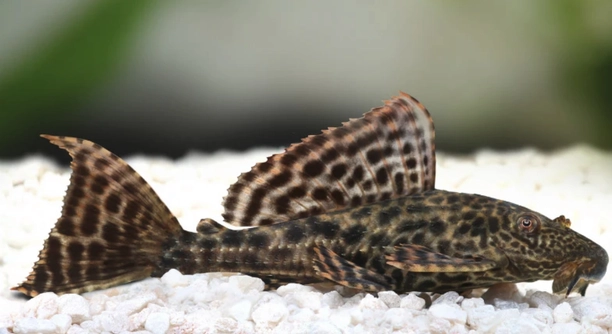
Plecos are often admired for their peaceful nature and ability to clean aquarium tanks. But, when it comes to their care, there is a question many aquarists ask: Do they really need a filter?
The simple answer is yes. While plecos can survive without a filter, they still benefit from clean water, which a filter helps maintain. A filter also ensures proper oxygenation, which is important for their overall health and well-being.
Ensuring a healthy environment for plecos is crucial to their long-term survival. Understanding the role of a filter in your aquarium is essential to maintaining a thriving habitat for these peaceful creatures.
Why Plecos Benefit from a Filter
Plecos are bottom dwellers that help keep your tank clean by eating algae and debris. However, they still rely on a stable environment to stay healthy. A filter plays a vital role in maintaining the quality of the water. Filters remove waste, excess food, and other harmful particles that accumulate over time. Without a filter, these elements can build up, leading to poor water quality and stressing your pleco. The filter also helps circulate the water, which keeps the oxygen levels balanced. This circulation is crucial for plecos as they need well-oxygenated water to thrive. Simply put, a filter is not just a luxury; it’s a necessity for a healthy pleco habitat.
A filter ensures a cleaner environment and contributes to your pleco’s overall well-being. It’s an easy way to maintain proper water conditions.
While plecos are often seen as low-maintenance fish, their health depends on the quality of the water they live in. Filters help to maintain clear and clean water by circulating it and removing harmful substances. This reduces the risk of diseases and stress, allowing your pleco to live a longer, healthier life. Moreover, plecos tend to produce a fair amount of waste, which can lead to poor water quality if not filtered regularly. So, even if your pleco seems fine without a filter, the water can still contain harmful levels of toxins that aren’t visible to the naked eye.
Alternative Solutions to a Filter
If a filter isn’t an option for your tank, it’s important to maintain clean water by doing regular water changes.
Frequent water changes ensure the removal of waste and help to keep the tank’s water oxygenated. However, this method requires more effort and attention than simply using a filter. You should aim for at least a 25% water change every week, ensuring the tank remains clear. Without a filter, you also need to be mindful of overfeeding, as leftover food can quickly degrade the water quality. Additionally, some aquarium plants can help by absorbing toxins and providing oxygen, but they still won’t fully replace the benefits of a filter. While this method is possible, it’s more labor-intensive and may not be as effective in the long run.
Water Quality and Pleco Health
Water quality directly impacts the health of your pleco. If the water is dirty or has high levels of ammonia, nitrites, or nitrates, it can lead to stress and disease. A filter removes toxins and prevents these harmful substances from building up, which ultimately improves your pleco’s well-being. When water quality is stable, your pleco will be more active, eat regularly, and show fewer signs of illness.
Without a filter, maintaining optimal water quality requires more attention. You’ll need to test the water regularly and perform water changes more often to keep toxins under control. Even with routine water changes, it’s harder to maintain consistent water conditions without a filter. Filters, on the other hand, provide continuous water circulation and filtration, reducing the need for manual adjustments.
While a filter helps in balancing the water, it’s not a set-it-and-forget-it solution. Regularly checking water parameters and ensuring your pleco has a suitable environment is still essential. Keep the tank clean by removing any uneaten food or waste. A filter will do the heavy lifting, but active maintenance is key.
Choosing the Right Filter for Your Tank
Choosing the right filter depends on the size of your tank and the needs of your pleco. A filter with the appropriate flow rate is necessary to provide enough circulation while not being too strong for your pleco. Plecos prefer slow-moving water, so avoid filters that create strong currents. A sponge filter is often ideal for plecos, as it provides gentle filtration while still keeping the water clean.
Consider a filter with multiple stages of filtration. A three-stage filter is often the best option because it removes large debris, breaks down waste into less harmful substances, and keeps the water clean. Ensure that the filter is capable of handling the size of your tank. A filter too small will struggle to keep up with the demands of larger tanks, while one that’s too large may create excessive currents, which can stress your pleco.
Common Filter Problems
Filters can become clogged over time, reducing their effectiveness. When a filter is clogged, it struggles to clean the water, which leads to poor water quality. You may notice the water becoming cloudy or murky as a result. Cleaning or replacing filter media regularly will prevent this issue.
Additionally, some filters can become noisy when they’re not properly maintained. A noisy filter may be a sign of a clogged impeller or an issue with the motor. Regular maintenance, such as cleaning the filter and checking its components, will help keep it running smoothly.
Filter Maintenance Tips
To ensure your filter continues working efficiently, clean it every 4-6 weeks. Start by rinsing the filter media in aquarium water to preserve beneficial bacteria. Replace any worn-out parts, such as sponges or carbon cartridges. Also, check for any signs of wear in the motor or impeller.
Regular cleaning and maintenance can prevent many common filter issues and keep your tank’s water quality high.
FAQ
Do plecos need a filter in a small tank?
Even in a small tank, a filter is essential. Plecos produce waste that can quickly affect water quality, and a filter helps remove excess food, debris, and toxins. Small tanks often have less water volume, meaning the buildup of waste can occur faster. A filter ensures the water remains oxygenated and free from harmful substances, providing a healthier environment for your pleco. Without a filter, regular water changes become even more crucial in maintaining the tank’s cleanliness.
Can plecos live without a filter?
While plecos can technically survive without a filter, it is not recommended. Without a filter, the tank’s water quality deteriorates quickly, leading to an increase in toxins like ammonia and nitrites. This can cause stress, illness, or even death for your pleco. It is important to monitor water parameters closely and do regular water changes if you choose not to use a filter, but this is not a long-term solution.
What type of filter is best for plecos?
The best filter for a pleco is one that provides gentle water flow. Plecos prefer slow-moving water, so filters with adjustable flow rates or sponge filters are ideal. Sponge filters offer low flow and provide both mechanical and biological filtration, which helps to maintain water quality. Additionally, make sure the filter is appropriately sized for your tank. A filter that’s too strong can create a current that may stress the pleco.
How often should I change the water if I don’t have a filter?
If you don’t have a filter, you’ll need to change the water more frequently. Aim for at least a 25% water change every week to keep the water clean and safe. In a tank without a filter, waste and toxins can build up quickly, making regular water changes essential to maintaining good water quality and preventing stress or illness for your pleco.
Can plecos live in a tank without a filter and heater?
Plecos require both clean water and stable temperature conditions to thrive. A filter ensures clean water by removing waste and harmful chemicals, while a heater maintains a consistent water temperature. Without a filter, you risk poor water quality. Without a heater, your pleco may experience stress due to fluctuating water temperatures. It’s best to provide both for optimal pleco health.
What happens if the filter is too strong for a pleco?
If the filter’s current is too strong, it can cause stress for your pleco. Plecos prefer calm waters and may struggle with the flow, potentially becoming exhausted or avoiding certain areas of the tank. To prevent this, choose a filter with adjustable flow or a sponge filter that provides gentle circulation.
How can I tell if my pleco is stressed?
Stressed plecos may exhibit several signs, including reduced activity, hiding more than usual, or abnormal swimming behavior. They might also lose their appetite or develop physical symptoms like faded coloration or damaged fins. Monitoring water quality and maintaining a stable environment can help reduce stress.
Do plecos need a filter if I have live plants?
While live plants help improve water quality by absorbing some waste products, they are not a substitute for a filter. Plants alone cannot filter out harmful toxins like ammonia and nitrites. A filter still plays a crucial role in keeping the water clean and well-oxygenated, even in a planted tank.
How can I clean my filter properly?
To clean your filter, first unplug it and remove the filter media. Rinse the media in aquarium water (not tap water, as chlorine can harm beneficial bacteria). Use a sponge or brush to clean the filter housing and impeller. Reassemble the filter and ensure everything is working properly before plugging it back in.
What size filter do I need for a pleco tank?
The size of the filter you need depends on the size of your tank. As a general rule, the filter should be able to process the entire tank volume at least 3-5 times per hour. For example, if you have a 50-gallon tank, choose a filter rated for at least 150-250 gallons per hour (GPH). This ensures the filter can handle the pleco’s waste and maintain clean water.
Final Thoughts
When it comes to keeping plecos, ensuring their health and comfort is essential. A filter plays a key role in maintaining clean water and promoting overall well-being. While plecos are hardy fish, they still require an environment that supports their needs, especially when it comes to water quality. Filters not only keep the water free from toxins but also provide gentle circulation, which plecos prefer. Without a filter, it becomes much more difficult to maintain proper water conditions, requiring more frequent water changes and monitoring of water parameters.
If you choose not to use a filter, be prepared for the extra work involved. Regular water changes are critical to keeping the tank clean, but it’s also important to monitor ammonia, nitrite, and nitrate levels to avoid toxicity. Though plecos are known for being bottom dwellers that help clean the tank by eating algae and detritus, they still need a stable and clean environment. Without a filter, you’ll need to be vigilant to ensure that their water doesn’t become harmful to their health.
In conclusion, while plecos can survive without a filter, it is far from ideal. A filter makes maintaining a healthy tank much easier, allowing for better water quality and a more stable environment. Choosing the right filter that suits both the tank size and your pleco’s preferences will go a long way in keeping them healthy. Whether you choose a sponge filter for gentle water flow or a more powerful filter for larger tanks, the right filtration system is a vital part of their care.

Hello,
If you enjoy the content that we create, please consider saying a "Thank You!" by leaving a tip.
Every little bit helps us continue crafting quality advice that supports the health, happiness, and well-being of pets around the world, for pets of all shapes, sizes, and species.
We really appreciate the kindness and support that you show us!