
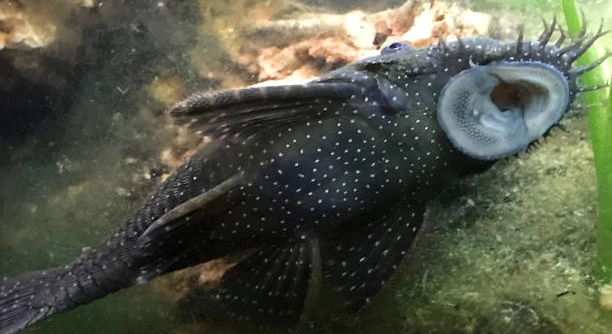
Keeping multiple plecos together in a tank can be a challenge, especially considering their unique behaviors and space needs. Understanding how these fish interact with each other is key to ensuring a peaceful and healthy environment for them.
The success of housing multiple plecos together largely depends on the species, tank size, and individual temperament of each fish. Ensuring ample hiding spots and providing plenty of space can reduce territorial behavior and minimize aggression among plecos.
Managing the balance of different plecos in your aquarium requires attention to their specific needs and careful planning. This guide will cover essential steps to keep your plecos happy and healthy in a shared space.
Why Some Plecos Might Not Get Along
When keeping multiple plecos together, one of the biggest concerns is their potential to become territorial. Some species, like the common pleco, are known for being aggressive when competing for space. They tend to claim certain areas of the tank as their own, which can lead to fights, especially if the tank is too small or lacks enough hiding places. These territorial issues are even more pronounced in male plecos, who can get competitive with each other.
Territorial aggression is often minimized when plecos are housed with plenty of hiding spots. Ensuring that your tank includes caves, driftwood, and plants will allow each pleco to claim their space without constantly bumping into each other.
While these steps reduce the chances of fighting, it’s still important to monitor their interactions. It’s common to see plecos marking their territory, but if this behavior escalates, it may be necessary to separate them. The key is to observe their behavior and act if necessary.
Tank Size: A Key Factor in Success
Tank size plays a major role in keeping multiple plecos together. A small tank can easily become overcrowded, leading to competition for resources like food and space. This often causes stress among the fish, which may trigger aggression. On the other hand, a larger tank provides enough room for each pleco to establish its own territory without constantly challenging others.
In a 55-gallon tank or larger, you have more flexibility to house multiple plecos. This size allows you to create distinct zones for each fish, which reduces the likelihood of conflict. It’s also a good idea to provide a variety of substrates, such as sand and gravel, to give the plecos options for where they feel comfortable.
The overall goal is to avoid overcrowding while making sure that each pleco has enough space to thrive. The larger the tank, the better the chance of peaceful coexistence.
Social Behavior: Plecos and Their Personalities
Just like any other fish, plecos have unique personalities. While some are more social, others are naturally shy or reclusive. This is why it’s important to consider the specific species you are keeping and how they typically interact with each other. Some plecos, like the bristlenose pleco, tend to be more peaceful and can coexist with others. However, species like the common pleco might be more aggressive, particularly as they mature.
Understanding each pleco’s behavior is crucial for creating a balanced tank. Plecos that are kept in isolation for long periods may struggle when placed with others. They can display stress signs like hiding or excessive aggression as a response to a new environment. Introducing plecos gradually can help ease these changes, allowing the fish to adjust to their new surroundings.
Even with peaceful species, interactions can vary based on factors such as food availability and the number of hiding spots in the tank. Some plecos may get along fine in a well-planned tank, while others may need more time to adjust.
Feeding and Compatibility: What You Need to Know
Feeding habits are also essential in keeping multiple plecos together. Plecos are typically bottom feeders, but some may become more territorial around food. If food is limited, it can spark competition among them. To prevent this, make sure to feed your plecos a variety of foods and ensure there is enough for everyone. It’s a good idea to scatter food throughout the tank to reduce the chances of one pleco dominating the meal.
Different species of plecos have different dietary needs. Some may prefer algae, while others require a more balanced diet with vegetables and protein. Ensuring that each pleco receives the proper nutrition is key to preventing fights. When plecos are well-fed and have plenty of space to feed, they are less likely to become aggressive.
Pleco Species Compatibility
Not all plecos are suited for sharing a tank. Some species are more territorial and aggressive than others. For example, the common pleco may not do well with other large plecos. It is best to house peaceful species together, like the bristlenose pleco or the rubber lip pleco.
When selecting plecos, consider the size and behavior of the species. Plecos like the clown pleco and the sailfin pleco are typically more aggressive and may need to be housed alone or with very specific tank mates. It’s important to research each species’ temperament before placing them in the same tank. Even with peaceful species, the size of the tank can affect how well they get along.
It’s also essential to take into account how each species interacts with its environment. Some plecos are more active, while others prefer a quiet, hidden space. Ensuring that the tank setup meets the needs of each species will reduce stress and the chances of aggression.
Proper Tank Setup for Multiple Plecos
A well-planned tank setup can make all the difference when housing multiple plecos. Ample hiding spots, such as caves, driftwood, and plants, are essential to reduce territorial disputes. The more secluded areas you provide, the less likely plecos will fight for space.
In addition to hiding spots, ensure the tank is large enough to accommodate all plecos comfortably. A 55-gallon tank or larger is ideal for housing multiple plecos. This provides enough room for each fish to establish its own territory. Proper filtration and aeration are also crucial in keeping water quality high. Stressed fish are more likely to act aggressively, so maintaining clean, oxygen-rich water helps ensure peaceful coexistence.
When setting up a tank for multiple plecos, make sure to arrange decorations in a way that gives each fish ample room. This can involve creating distinct areas within the tank, such as a corner with plants and a section with rocks. A balanced setup will support the well-being of each pleco.
Water Quality and Pleco Health
Water quality plays a significant role in keeping plecos healthy and preventing aggression. Poor water conditions can stress plecos, making them more prone to territorial behavior. Regular water changes and monitoring parameters like pH, ammonia, and nitrate levels will help ensure a stable environment.
Plecos thrive in well-maintained water, which supports their immune system and reduces stress. Be sure to use a good filtration system to keep the water clean. If plecos are exposed to poor water conditions, they may become more irritable, affecting their behavior toward tank mates.
A stable and clean tank environment reduces the chance of territorial aggression, helping your plecos coexist peacefully.
Pleco Tankmates
Choosing the right tankmates for plecos is important for avoiding conflict. Smaller, non-aggressive fish like tetras, guppies, and mollies typically make good companions for plecos. Larger or more aggressive fish, however, might stress the plecos, leading to problems.
Fish with similar water parameter needs are ideal companions. Plecos should not be housed with fin-nipping species or overly aggressive fish. Peaceful community fish work well, allowing plecos to share the tank without issue.
Plecos and other bottom-dwelling fish can often coexist without problems as long as there is enough space and hiding spots available.
Feeding Practices
Feeding multiple plecos together requires attention to avoid conflicts over food. Offering a variety of foods, such as algae wafers, vegetables, and protein-rich treats, will reduce competition for resources. It’s also helpful to spread the food around the tank.
By providing enough food for all plecos, you lower the chance of one fish becoming overly dominant during feeding time. Plecos are naturally nocturnal, so feeding in the evening ensures all fish have access to food without disruption.
FAQ
Can plecos live with other plecos?
Yes, plecos can live with other plecos, but their compatibility depends on the species. Peaceful species like the bristlenose pleco generally do well in groups, while larger or more territorial species, such as the common pleco, may require more space and fewer tank mates. It’s important to consider their individual temperaments and the size of your tank to avoid aggression.
What size tank is needed for multiple plecos?
For multiple plecos, a minimum tank size of 55 gallons is recommended. This allows enough space for each pleco to establish its territory and reduces the chance of territorial disputes. Larger tanks, such as 75 gallons or more, provide even better conditions for keeping multiple plecos. The more room they have, the less likely they are to fight over space.
Do plecos get along with other fish?
Plecos typically get along well with other peaceful fish, such as tetras, mollies, and guppies. They are bottom dwellers and don’t usually interact with top-dwelling fish, making them ideal for community tanks. However, aggressive or fin-nipping fish should be avoided, as they can cause stress and trigger defensive behavior in plecos.
What should I do if my plecos are fighting?
If your plecos are fighting, the first step is to check the tank size. If the tank is too small, upgrading to a larger one may help. Adding more hiding spots and decorations can also reduce territorial disputes. If the aggression persists, consider separating the plecos temporarily or moving the more aggressive fish to a different tank.
Can plecos live with other bottom-dwelling fish?
Plecos can coexist with other bottom-dwelling fish, such as catfish, provided there is enough space and hiding spots. Overcrowding can lead to competition for food and territory, which increases the risk of aggression. Offering plenty of food and hiding areas will help ensure peaceful interactions between bottom dwellers.
Are plecos aggressive toward each other?
Plecos can be aggressive toward each other, especially if they are of the same species or are housed in cramped conditions. Males of some species, such as the common pleco, are known for being territorial and may chase or fight with other plecos. Providing ample hiding spots and tank space can help reduce aggression.
How do I prevent plecos from becoming territorial?
To prevent plecos from becoming territorial, ensure your tank is large enough to accommodate them and provide plenty of hiding spots. Adding driftwood, caves, and plants will give them areas to retreat to when feeling stressed. Maintaining good water quality and a regular feeding schedule can also help minimize territorial behavior.
Can plecos share a tank with shrimp or snails?
Yes, plecos can live with shrimp and snails, as long as the tank is set up properly. Plecos are not known for bothering these creatures, but some species may consume smaller shrimp or snails if they are too small. Choose larger, more robust shrimp and snails to avoid predation. Ensure the tank provides enough space for everyone to thrive.
What are the best pleco species for community tanks?
The best pleco species for community tanks are those that are more peaceful and don’t require a lot of space. Bristlenose plecos, rubber lip plecos, and clown plecos are excellent choices for a peaceful aquarium. These species are smaller in size and less likely to cause aggression with other fish.
Can plecos live with goldfish?
Plecos can live with goldfish in some cases, but it’s important to consider their different care needs. Goldfish prefer cooler water, while plecos need warmer temperatures. If you decide to keep them together, make sure the water conditions are suitable for both species. Additionally, goldfish may nibble on plecos’ fins, so monitor their interactions closely.
How often should I feed plecos?
Plecos should be fed once or twice a day, depending on the size of the tank and the number of fish. It’s important to provide a balanced diet that includes algae wafers, vegetables like zucchini or spinach, and occasional protein-rich foods such as shrimp or bloodworms. Be sure to remove any uneaten food to prevent water quality issues.
Do plecos need to be alone in the tank?
Plecos do not need to be alone in the tank, but they do require space and suitable tank mates. Peaceful species, like the bristlenose pleco, can live with other fish as long as the tank is large enough and provides plenty of hiding spots. More aggressive species may need to be kept alone or with compatible tank mates only.
Can plecos live with bettas?
Plecos can generally live with bettas as long as both fish have enough space. Bettas are territorial and may become aggressive toward plecos if they feel threatened. It’s essential to avoid keeping them together in a small tank, and make sure there are enough hiding places to prevent any stress. Watch for any signs of aggression and separate them if necessary.
How do I introduce a new pleco to my tank?
To introduce a new pleco to your tank, start by floating the pleco’s bag in the tank to acclimate it to the water temperature. Slowly add small amounts of tank water to the bag every 10-15 minutes. After about 30 minutes, gently release the pleco into the tank. Keep an eye on its behavior for any signs of stress or aggression.
What can I do if my pleco is stressed?
If your pleco is stressed, check the water quality, as poor conditions are a common cause of stress. Make sure the tank is not overcrowded and that there are enough hiding spots. Adding stress-relief products like aquarium salt or ensuring the pleco has a more stable environment can help reduce anxiety.
Final Thoughts
Keeping multiple plecos together can be a rewarding experience if you provide the right conditions. Plecos are generally peaceful but can become territorial, especially in small spaces. Understanding their behavior and needs is essential to ensuring that they live harmoniously. A large tank with enough hiding spots is crucial to reducing aggression and promoting healthy relationships among plecos and other tank mates. The key to keeping multiple plecos together is to avoid overcrowding, which leads to competition for space and food. When managed properly, plecos can coexist peacefully, and you will enjoy watching them thrive in a well-maintained tank.
Feeding and water quality are also important factors to consider. Plecos are bottom dwellers, so they might not compete much with surface-dwelling fish, but they still need ample food to avoid conflicts. Providing a balanced diet and spreading the food around the tank ensures that all plecos get their share. In addition, maintaining good water quality is critical. Plecos are sensitive to changes in their environment, and poor water conditions can lead to stress, which can cause territorial aggression. Regular water changes and a proper filtration system will help ensure that plecos stay healthy and avoid unnecessary stress.
In conclusion, while plecos can live together, it requires careful planning and attention to their needs. By offering enough space, ensuring food is distributed fairly, and keeping the water clean, you will create a peaceful environment for your plecos to thrive. It’s important to monitor their interactions, especially when introducing new plecos to the tank. If issues arise, providing more hiding spots and increasing the tank size may be the solution. With the right care, your plecos can live together peacefully and enjoy a long, healthy life.

Hello,
If you enjoy the content that we create, please consider saying a "Thank You!" by leaving a tip.
Every little bit helps us continue crafting quality advice that supports the health, happiness, and well-being of pets around the world, for pets of all shapes, sizes, and species.
We really appreciate the kindness and support that you show us!