
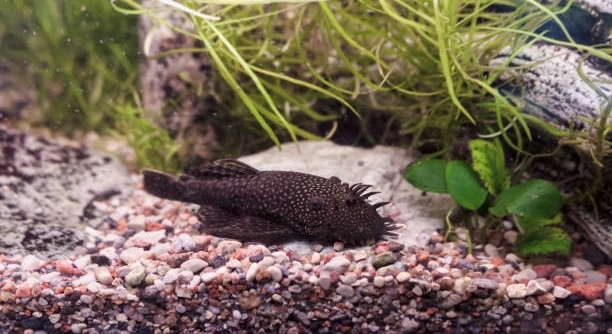
Plecos are fascinating fish, known for their unique behaviors in aquariums. One behavior that often catches the eye of owners is when they remain completely still. This might seem strange but has different explanations.
Plecos may act completely still for various reasons, such as during feeding times, when they are sleeping, or when they feel stressed. They also use stillness to blend in with their surroundings and avoid predators in the wild.
Understanding why your pleco stays motionless can help you better care for them in your aquarium. These reasons are important to know for a happy, healthy fish.
Reasons for Plecos Staying Still
Plecos can remain still for a variety of reasons, many of which are completely normal. When they are stationary, it might be because they are conserving energy. Plecos are nocturnal, meaning they often rest during the day. This stillness could also be linked to their natural instinct to blend in with their environment. By staying still, they mimic rocks or other tank decor, making them less noticeable to predators. Additionally, stress can cause plecos to freeze in place, especially if their environment has changed abruptly. Factors such as water quality, tank mates, and sudden movements can cause them to react this way. Lastly, when they are feeding, they may freeze to scan their surroundings, ensuring they are safe before they continue eating.
Plecos also use stillness as a defense mechanism. They often freeze to avoid being noticed by potential threats, which is an instinct carried over from their natural habitat.
If your pleco suddenly becomes still or seems inactive, check the water quality and make sure their environment is comfortable. A stressed pleco may remain motionless until it feels safe again. Regular water changes and keeping an eye on their tank mates can help reduce stress and encourage more active behavior.
Plecos and Sleeping Patterns
Plecos are nocturnal, meaning they are more active at night. During the day, they often sleep or rest. The fish may hide in caves, under plants, or near decorations, remaining still for hours. This behavior is natural and part of their sleep cycle.
In the wild, plecos tend to be more active during the night, which is when they seek food and explore their surroundings. Their behavior is a survival tactic, as it helps them avoid predators that are active during daylight hours. Even in aquariums, plecos tend to stick to this schedule, hiding away during the day and becoming active as soon as the lights dim.
If you notice your pleco staying still during daylight, there’s no need to be concerned. As long as the water conditions are appropriate and the tank is properly maintained, it’s simply a sign that your pleco is adhering to its natural rest pattern. If you’re worried about their sleep habits, try adjusting the lighting cycle in your tank to mimic day and night.
Plecos and Their Feeding Habits
Plecos are bottom feeders, which means they often stay still while grazing on algae or leftover food in the tank. Their feeding habits can lead them to remain motionless for long periods as they search for the best spots to feed.
They might stay still when they spot food or are waiting for it to settle in a specific area. Plecos are not fast eaters; they take their time to nibble on algae, detritus, and any other food debris that falls to the bottom of the tank. This slow feeding process can sometimes be mistaken for a lack of activity, but it’s simply part of their eating routine.
Since plecos can also feed during the night, they may appear still or inactive during the day. As nocturnal fish, they are more likely to be active and feed once the aquarium lights are off. If you notice your pleco not moving much, it could simply be waiting for the right moment to eat.
Plecos and Tank Mates
Tank mates play a significant role in how active your pleco will be. A peaceful environment allows them to move around and behave normally, while aggression from other fish can lead them to freeze in place.
Plecos are peaceful and non-aggressive creatures, but they can feel threatened by more active or territorial tank mates. When they sense aggression, they may freeze, hiding in a corner or behind decorations. This behavior helps them avoid confrontation and minimizes the risk of stress. Over time, they may adjust to their tank mates, becoming more comfortable as they get used to their presence.
If your pleco stays still frequently, it could be a sign of tension in the tank. Watch for signs of bullying or fin nipping, as these can be indicators that your pleco feels unsafe. Adding more hiding spots and ensuring that other fish are not overly aggressive can help restore balance to the tank and encourage your pleco to move more freely.
Water Quality and Temperature
Poor water quality can stress a pleco, causing it to remain still or hide for long periods. A sudden change in water parameters can make them feel unsafe.
A stable, clean environment is essential for plecos to stay active and healthy. Regular water changes, proper filtration, and maintaining correct water parameters are key to keeping plecos comfortable. When the water is not ideal, plecos may freeze, trying to conserve energy or avoid moving too much.
Maintaining a consistent temperature between 75°F and 80°F also helps plecos feel more at ease, as temperature fluctuations can lead to stress and inactivity. Be sure to test water regularly for ammonia, nitrites, and pH levels.
Pleco Health Issues
Health problems can cause plecos to become lethargic and remain motionless. Illnesses such as internal parasites, swim bladder disorder, or fungal infections are common causes.
When a pleco is sick, it may lack the energy to swim around and can appear very still or even hide. Recognizing the signs of illness early, such as loss of appetite or abnormal swimming patterns, is important for prompt treatment. Keep an eye on your pleco’s behavior and monitor their eating habits closely.
Healthy plecos are active and spend time exploring their tank. If a pleco is consistently still or showing other signs of illness, seeking veterinary advice is important for their recovery.
The Pleco’s Natural Behavior
Plecos are naturally solitary and prefer hiding when they feel vulnerable. They tend to stay still as part of their instinct to avoid detection by predators.
This natural behavior is typical of plecos in both wild and captive environments. In aquariums, plecos may freeze or hide when the lights are on, only becoming active during the night when they feel safer. Adding hiding spots and providing a quiet, secure space can encourage them to behave more naturally and reduce their need to stay still.
FAQ
Why is my pleco staying still for so long?
Plecos may remain still due to several reasons such as sleep, stress, or simply feeding. As nocturnal fish, they tend to rest during the day, often hiding in caves or behind decorations. They may also freeze when they feel threatened or uncomfortable in their environment. If the water quality or tank mates are causing stress, plecos might choose to stay still to avoid any potential danger. Ensuring a calm environment and regular water changes can help prevent this behavior.
Is it normal for a pleco to stay still during the day?
Yes, it is normal. Plecos are primarily active during the night. They are nocturnal creatures, so they usually rest or hide during the day. This behavior is perfectly natural, and as long as the water conditions are right and the pleco is otherwise healthy, you don’t need to worry.
How can I tell if my pleco is stressed?
A stressed pleco may stay still for extended periods, hide more than usual, or avoid interacting with other fish. They might also stop eating or show signs of abnormal behavior, such as erratic swimming. If you notice these signs, it’s important to check water quality and ensure there are no aggressive tank mates or sudden changes in the environment.
Can a pleco’s stillness be a sign of illness?
Yes, it could be. If your pleco stays still for long periods and shows other signs such as not eating, difficulty swimming, or unusual body coloration, it could indicate illness. Common pleco health problems include swim bladder disorder, parasites, or fungal infections. If you notice these symptoms, it’s important to monitor your pleco closely and, if necessary, consult a veterinarian for treatment.
What should I do if my pleco is not moving at all?
First, check the water quality. Poor water conditions, such as high ammonia or low oxygen levels, can make plecos lethargic. Also, make sure the tank temperature is stable and within the ideal range (75°F to 80°F). If everything seems fine but the pleco still isn’t moving, it may be stressed or ill, and you should observe for other signs of health issues.
Why is my pleco hiding so much?
Plecos often hide when they feel vulnerable or stressed. This can happen if they are adjusting to new tank mates, if the tank is too bright, or if the water conditions are not optimal. They may also hide simply because they are following their natural behavior, as plecos prefer solitude and tend to stay out of sight during the day. Adding more hiding places in the tank and reducing tank stress can help them feel more comfortable.
How can I encourage my pleco to be more active?
Ensure the tank environment is stable, with clean water and a temperature between 75°F and 80°F. Make sure there are enough hiding spots and that your pleco has access to plenty of food. A variety of algae-based foods, vegetables like zucchini or cucumber, and occasional protein sources will keep your pleco nourished and more likely to be active. Additionally, consider reducing stress factors such as aggressive tank mates or sudden changes in the tank setup.
Should I be concerned if my pleco only moves at night?
Not at all. Plecos are nocturnal, so it is completely normal for them to be active during the night. If your pleco is not moving during the day but becomes active at night, it is simply following its natural behavior. As long as they are healthy, eating, and exhibiting normal behavior at night, there’s no need for concern.
How can I tell if my pleco is eating enough?
Plecos typically graze on algae and detritus, but they will also eat other food sources provided in the tank. If your pleco is not eating, it may appear thinner or less energetic. Offering a variety of foods such as sinking pellets, blanched vegetables, and algae wafers will help ensure they are properly fed. If your pleco continues to avoid food, it could be a sign of stress, illness, or an inappropriate tank environment.
Can I add more plecos to my tank?
Adding more plecos depends on the size of your tank. Plecos need a lot of space, and having too many in a small tank can lead to stress, which may cause them to freeze or hide more often. If you have a large tank, adding another pleco can work, but be mindful of their territorial nature. Plecos tend to be solitary fish, so having multiple plecos in a tank should be done carefully to avoid aggression or competition for space.
Is it normal for plecos to become still when they’re full?
Yes, this can happen. After eating, plecos might stay still to digest their food. Just like other animals, they may rest for a while to allow their bodies to process the food they’ve consumed. If you notice your pleco being motionless after eating, it’s likely just a sign of digestion. However, if this behavior lasts too long or is accompanied by other symptoms, you should check the water conditions and overall health.
How can I prevent my pleco from getting too stressed?
To prevent stress, ensure your pleco has a stable and quiet environment. Keep tank conditions ideal by maintaining good water quality, stable temperature, and appropriate lighting. Avoid adding overly aggressive tank mates and ensure there are plenty of hiding spots to allow your pleco to feel secure. Regular water changes and keeping the tank clean will also help keep stress levels low.
Why do plecos freeze when I approach the tank?
Plecos may freeze when they sense a large presence near the tank, such as when a person approaches. This is a natural response to feeling threatened. The sudden movement or change in the environment can cause them to remain still, as they may be attempting to blend in with their surroundings to avoid detection. They usually resume their normal activities once they feel safe again.
Final Thoughts
Plecos are fascinating creatures with unique behaviors that can sometimes be misunderstood. Their tendency to stay still or hide is often due to their natural instincts, environment, or health. Understanding these behaviors can help you care for them better and ensure their well-being. As nocturnal fish, it is normal for plecos to be less active during the day. However, if they remain motionless for extended periods, it may signal an underlying issue that needs attention. By observing their behavior closely, you can identify whether it’s due to environmental stress, illness, or just their natural resting patterns.
Maintaining a stable environment is key to keeping plecos healthy. Water quality, temperature, and tank setup all play a significant role in their activity levels. Regular water changes and monitoring water parameters like ammonia, nitrites, and pH levels can prevent stress-related behavior. Temperature should also be kept consistent, ideally between 75°F and 80°F, as fluctuations can make plecos feel unsafe. Providing hiding spots and a peaceful tank environment is also essential to ensure they don’t feel threatened or stressed by other tank mates. When these conditions are met, your pleco will feel more comfortable and active.
Lastly, it’s important to monitor their health. If a pleco stays still for an extended time, shows no interest in food, or displays other signs of illness, it could indicate a health issue that needs to be addressed. Regularly checking for signs of parasites, swim bladder disorder, or other common fish illnesses is crucial for early detection and treatment. Keeping track of your pleco’s eating habits, behavior, and overall appearance will help you catch problems before they worsen. With the right care, plecos can thrive in your tank, offering enjoyment for years to come.

Hello,
If you enjoy the content that we create, please consider saying a "Thank You!" by leaving a tip.
Every little bit helps us continue crafting quality advice that supports the health, happiness, and well-being of pets around the world, for pets of all shapes, sizes, and species.
We really appreciate the kindness and support that you show us!