
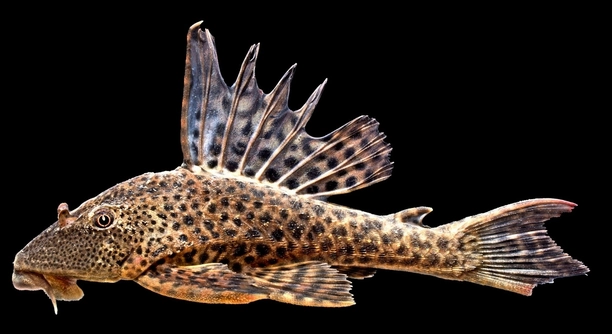
Sometimes, your pleco may seem uninterested in the algae in your tank, leaving you wondering why it’s not feeding as expected. Understanding the reasons behind this behavior can help ensure your pleco stays healthy and happy.
The most common reason your pleco ignores the algae is due to its diet preferences or environmental factors. Plecos may prefer other food sources, such as sinking pellets or vegetables, rather than algae, especially if they are well-fed.
Identifying the cause behind your pleco’s behavior can lead to a healthier tank and a more content fish.
Why Do Plecos Ignore Algae?
Plecos are often seen as natural algae eaters, but not every pleco will consistently graze on it. They have specific dietary needs and can develop preferences for other foods. If your pleco is ignoring the algae in your tank, it might be due to its environment or diet. Algae alone may not meet its nutritional needs, especially if there are other food sources available. Plecos also have different eating habits depending on their species. For instance, some prefer vegetables, while others may go for protein-based foods. It’s important to provide a balanced diet, offering a variety of options to keep your pleco healthy.
To help ensure your pleco gets the right nutrition, you may need to provide alternatives like sinking pellets or blanched vegetables, such as zucchini or cucumber. These foods can serve as a substitute or supplement for the algae. This way, your pleco won’t go hungry and will still get the nutrients it needs.
It’s also important to check your tank setup. If your tank is overrun with algae, your pleco may not be motivated to eat it because there is simply too much of it, or it’s too difficult to reach. Ensuring a clean tank with proper filtration can create a healthier environment for both your pleco and the algae.
How to Encourage Algae Grazing
One way to encourage your pleco to eat more algae is by providing less food. If your pleco is offered too much variety, it may ignore the algae in favor of the tastier alternatives.
In addition to adjusting the amount of food offered, consider creating an environment where algae growth is consistent but not overwhelming. Keep your tank clean, but allow algae to grow naturally on surfaces where your pleco can reach it. Ensure that your pleco has enough space to graze and swim freely.
Adjusting your pleco’s diet and tank environment can help bring out its natural algae-eating behavior. By understanding its needs, you can create the best setting for your fish to thrive and maintain a clean, healthy tank.
Diet and Feeding Habits
The diet of your pleco plays a significant role in whether it will eat algae. Plecos are omnivores and may prefer a more diverse menu, which can lead them to ignore algae.
If your pleco is consistently fed sinking pellets, vegetables, or meat-based food, it may simply not feel the need to eat algae. Offering too much food could make your pleco full enough to skip algae altogether. To encourage algae consumption, reduce the variety of food and only feed it a small amount of other options. This will help your pleco turn to the algae for more nourishment.
Make sure you are not overfeeding your pleco, as this can lead to unhealthy eating habits. When your pleco is hungry enough, it may start grazing on the algae. It’s also helpful to try offering algae wafers, which can make algae consumption more appealing.
Water Quality and Tank Conditions
Water quality is a major factor in your pleco’s behavior. Poor water conditions can stress your pleco and affect its eating habits. If the water is too polluted or the temperature is unstable, your pleco may lose its appetite or avoid algae altogether.
Plecos need stable water conditions, including proper filtration and temperature, to thrive. When the water quality is high, your pleco will be healthier and more likely to eat algae. Regular water changes and maintaining a clean tank environment can ensure that your pleco remains in good health. This, in turn, will encourage it to seek out algae as part of its natural diet.
Another important factor is water pH. If the pH is too high or too low, it can cause discomfort for your pleco and discourage feeding. Regularly monitoring and adjusting water parameters can make a significant difference in your pleco’s willingness to consume algae.
Tank Size and Space
A cramped tank can cause stress for your pleco, making it less likely to engage with algae. Adequate swimming space is essential for its well-being.
If your pleco feels confined, it may avoid algae, as it has limited room to move around comfortably. Providing more space can encourage healthier feeding behavior.
A larger tank gives your pleco more freedom to explore, leading to better foraging for algae. If the tank is overcrowded, the pleco may prioritize finding other food sources instead of grazing on algae.
Algae Variety
The type of algae in your tank might influence whether your pleco eats it. Plecos prefer certain algae types, and if the tank has a single kind, they might not show interest.
Offering a variety of algae types will keep your pleco engaged and more likely to graze. Try introducing different algae-rich surfaces or algae wafers to attract your pleco.
Pleco Species Differences
Different pleco species have different dietary habits. Some are strict algae eaters, while others are more opportunistic and may ignore algae for other foods. Understanding your pleco’s species can help you cater to its specific needs.
Some species prefer vegetables or detritus over algae, so they may not focus on it as much. Identifying the needs of your pleco species can lead to better feeding habits and healthier behavior.
FAQ
Why is my pleco not eating algae in my tank?
Your pleco might not be eating algae because it prefers other food sources. Plecos are omnivores and will often eat a variety of things, such as sinking pellets, vegetables, or even detritus. If you’re feeding your pleco too much of these alternatives, it may ignore the algae. Additionally, the algae may not be the type or amount your pleco prefers. If your tank has too much algae, your pleco may not feel the need to eat it. Adjusting the amount and type of food you provide can help encourage algae consumption.
Can plecos survive without algae?
Yes, plecos can survive without algae, but it’s not ideal for their health. While algae is a natural food source, plecos need a varied diet to stay healthy. In the wild, they eat algae, plants, and small invertebrates. If algae isn’t available, you’ll need to offer sinking pellets, vegetables, or other appropriate food to meet their nutritional needs. Be sure to provide a balanced diet to ensure your pleco doesn’t suffer from malnutrition.
How often should I feed my pleco?
Feeding your pleco once or twice a day is usually sufficient. Plecos have slow metabolisms and often prefer to eat smaller amounts over a longer period. Overfeeding can lead to unhealthy habits and poor water quality. Try to feed your pleco enough so it can finish the food in 2 to 3 hours. This prevents leftover food from polluting the water.
Should I provide algae wafers for my pleco?
Yes, algae wafers can be a good supplement for your pleco, especially if natural algae is lacking or if your pleco doesn’t seem interested in eating it. Algae wafers contain a mixture of algae and other nutrients that plecos need. It’s best to offer algae wafers in moderation, as part of a varied diet. Too many can lead to overfeeding, which can affect both your pleco’s health and the water quality in your tank.
What other foods can I give my pleco besides algae?
In addition to algae, plecos enjoy vegetables like zucchini, cucumber, and spinach. They can also eat sinking pellets, which are specifically designed to meet their dietary needs. Blanched vegetables are easier for plecos to digest, so make sure you provide them as part of a well-rounded diet. Protein-based foods, like bloodworms, can be offered occasionally to supplement their nutrition. Avoid feeding your pleco fatty or processed foods.
How can I improve my pleco’s algae consumption?
To improve your pleco’s algae consumption, make sure it’s not being overfed with other foods. If your pleco is well-fed, it may ignore the algae altogether. Try to reduce the amount of supplemental food and only feed it a small portion. You can also improve algae growth in your tank by providing adequate lighting and limiting the use of algae inhibitors. Ensuring that your tank has plenty of algae will make it more likely your pleco will eat it.
Is it okay for my pleco to eat all the algae in my tank?
It’s generally okay for your pleco to eat algae in the tank, but moderation is key. Plecos are great at cleaning up algae, but if there’s too much algae in the tank, it could cause an imbalance in the ecosystem. Overalgae growth can also lead to poor water quality, which will negatively affect your pleco’s health. Keep your tank clean and ensure that algae doesn’t completely overrun your setup. Regular water changes and proper filtration are essential for maintaining a healthy environment.
Can my pleco eat other types of algae?
Yes, plecos can eat a variety of algae, such as green algae, brown algae, and even some types of red algae. However, the type of algae your pleco prefers can depend on its species. Some plecos are more likely to eat certain algae types, while others may ignore them. It’s important to provide a variety of surfaces for algae to grow, so your pleco has multiple places to graze. If your pleco isn’t eating the algae you have, consider adding more or introducing different types of algae.
Why does my pleco avoid algae wafers?
If your pleco is avoiding algae wafers, it could be because it prefers other types of food. Plecos have different tastes depending on their species, and some might not find the wafers appealing. If your pleco is well-fed with sinking pellets or other food, it might not feel the need to eat the wafers. Make sure your pleco is hungry enough before offering the wafers, and try offering them at different times of the day. If your pleco still ignores the wafers, it might be time to try a different brand or type of wafer.
Can algae grow back after being eaten by my pleco?
Yes, algae can grow back after being eaten by your pleco, as long as conditions in the tank allow it. Algae requires light, nutrients, and stable water conditions to grow. If your pleco consumes all the algae, more should eventually appear, especially if you provide optimal conditions for growth. To encourage algae growth, make sure your tank has proper lighting and water conditions. If you notice a lack of algae, check the water parameters and adjust the lighting, as well as avoiding overcleaning the tank.
How can I prevent my pleco from ignoring algae in my tank?
To prevent your pleco from ignoring algae, make sure it’s not being overfed with other food sources. Plecos are more likely to eat algae if they are hungry. Providing a variety of algae types and offering algae wafers can also help. If the algae in your tank is overgrown or hard to reach, try cleaning the tank in a way that allows your pleco to access more of it. Additionally, check the water quality and ensure it’s optimal for your pleco’s health.
Are plecos good at controlling algae in tanks?
Plecos can be very effective at controlling algae in tanks, but it depends on their species. Some plecos are particularly good at eating algae, while others may prefer other food sources. A healthy pleco, with a well-rounded diet and good water quality, can help manage algae growth by consuming it. However, they should not be relied upon as the sole method of controlling algae, as other factors like lighting, water quality, and tank maintenance also play a role.
Final Thoughts
Understanding why your pleco might ignore algae requires looking at several factors, from tank conditions to their feeding habits. Plecos are natural algae eaters, but they’re also opportunistic feeders, meaning they’ll take other food sources if available. The types of food you offer, along with the amount of algae present in the tank, can influence whether or not your pleco will focus on algae. It’s essential to ensure that you’re not overfeeding your pleco and that it has enough room to explore and forage naturally. A healthy pleco should still graze on algae as part of its diet, even if it enjoys other foods too.
Environmental conditions also play a crucial role in how well your pleco interacts with algae. Factors like tank size, water quality, and the amount of algae available can all affect your pleco’s behavior. A smaller tank, for example, may stress your pleco and make it less likely to seek out algae. Similarly, algae that’s difficult to reach or not growing in sufficient amounts may not attract your pleco. Regular tank maintenance, like ensuring proper filtration and water changes, will not only benefit your pleco’s health but can also help maintain a thriving algae environment for them to feed on.
Lastly, consider that not all plecos are the same. Different species have varying diets and feeding preferences. Some might prefer detritus or vegetables over algae. Knowing your pleco’s specific needs and behavior can help you adjust their diet and tank environment to ensure they’re getting the nutrition they need. If your pleco isn’t eating algae, it’s likely a combination of tank conditions, food options, and species-specific preferences. By providing a balanced and varied diet, maintaining a clean tank, and adjusting conditions, you can encourage your pleco to enjoy all the benefits of a healthy, algae-rich environment.

Hello,
If you enjoy the content that we create, please consider saying a "Thank You!" by leaving a tip.
Every little bit helps us continue crafting quality advice that supports the health, happiness, and well-being of pets around the world, for pets of all shapes, sizes, and species.
We really appreciate the kindness and support that you show us!