
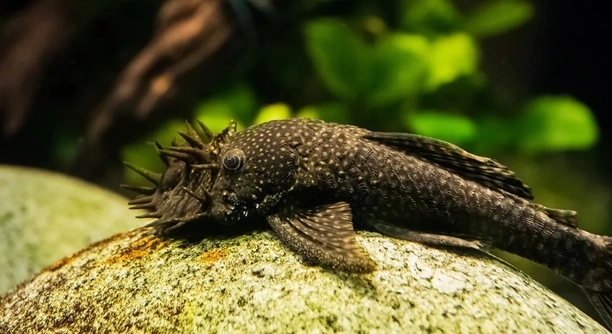
A bored pleco can be a bit of a challenge for aquarium owners. These fish can become inactive or even unhealthy without proper enrichment. It’s important to provide them with the right environment to thrive.
Plecos require a stimulating environment with ample hiding spots, diverse foods, and activities to stay engaged. Adding driftwood, live plants, and other aquarium decorations can encourage natural behaviors like grazing and exploring. Regular tank changes also help maintain interest.
Keeping your pleco active is simple with the right approach. These strategies will help ensure your pleco stays engaged and happy.
Provide Hiding Spots and Shelter
Plecos are naturally shy fish that enjoy having places to hide. Creating an environment with plenty of caves, driftwood, and plants can help make them feel secure. These spots not only reduce stress but also encourage natural behaviors. When they have areas to retreat to, they are more likely to feel comfortable exploring the rest of their tank.
Hiding spots also help mimic their natural habitat, where they would typically seek shelter in crevices and under rocks. A well-decorated tank can make them feel safe, encouraging them to be more active during the day.
Adding different textures, such as moss or ceramic caves, can provide extra stimulation. These elements help your pleco explore, graze, and exhibit healthier behavior. The more varied the hiding spots, the more likely they are to remain mentally engaged and active throughout the day.
Try Live Plants
Live plants can transform your pleco’s tank into a more dynamic environment. Plants provide opportunities for grazing and hiding, which are essential for their enrichment. Plecos tend to nibble on algae and other plant matter, helping maintain their health.
Incorporating a variety of plants also gives your pleco different textures to explore, enhancing its overall well-being. Some species of plecos even prefer to hide within the plants, using them as a natural barrier against tankmates. When planted correctly, live plants can even help improve the water quality by absorbing excess nutrients.
Plants that grow thick and lush can offer additional coverage, making it easier for plecos to move freely. As these plants mature, they also encourage the pleco to engage more in their surroundings. Overall, live plants provide a natural and interactive experience that enriches your pleco’s tank.
Add Driftwood
Driftwood is another essential element for creating an enriched environment for your pleco. These fish love to graze on the algae that naturally grows on driftwood surfaces. Not only does it give them something to nibble on, but driftwood also encourages natural behaviors, such as hiding and resting.
The texture of driftwood mimics the logs and branches found in the pleco’s native habitats, offering them a more natural environment. Driftwood provides opportunities for plecos to interact with their surroundings, making them feel more at home. It’s important to choose driftwood that’s aquarium-safe to avoid potential harm to your fish.
Adding driftwood also improves the aesthetic of the tank, creating an appealing environment for both you and your pleco. The more varied and natural the habitat, the more your pleco will explore and thrive.
Vary Their Diet
Plecos are known for eating algae, but providing a variety of foods is essential for their enrichment. By offering different types of food, you can stimulate their natural foraging behavior and keep them interested in their diet. Supplement their meals with algae wafers, fresh vegetables, and occasional protein to ensure they receive balanced nutrition.
A varied diet encourages your pleco to interact with their environment in different ways. Offering new foods will challenge them to explore, ensuring they remain mentally and physically active. Plecos may also enjoy eating food that sinks to the bottom of the tank, encouraging them to stay active while searching for it.
Different food textures can also add to the overall enrichment. Offering foods with varying levels of firmness or crispness encourages the pleco to use their natural feeding behaviors. A rich diet can have a significant impact on your pleco’s health, vitality, and overall happiness.
Keep Their Tank Clean
Maintaining a clean tank is an often overlooked but vital part of keeping your pleco healthy and engaged. Plecos are sensitive to poor water quality, which can lead to stress and inactivity. Regular water changes and tank maintenance will help create a more comfortable environment, preventing the buildup of toxins that could harm your fish.
A clean tank also helps to preserve the enrichment elements like plants, driftwood, and hiding spots. When the water is clear and clean, your pleco will be more likely to explore its surroundings and show interest in its environment. Be sure to monitor the water parameters, including pH levels, ammonia, and nitrate levels, to ensure a healthy habitat.
Keeping the tank clean helps reduce stress and promotes overall well-being, allowing your pleco to remain active and mentally engaged. The effort you put into maintaining a clean environment will pay off in the form of a healthier, happier pleco.
Provide A Varied Tank Layout
A varied tank layout can make a huge difference in how your pleco interacts with its environment. Using rocks, caves, and plants in different arrangements encourages your pleco to explore. The more complex the layout, the more opportunities for stimulation and comfort.
Make sure there are several different layers of decoration, such as taller plants for hiding and open spaces for swimming. This variety mimics natural environments, providing your pleco with a space to move, graze, and rest. Plecos prefer areas with plenty of hiding places and spots for shelter.
This diversity in the tank layout will keep your pleco engaged, offering new sights and experiences daily. Over time, this also promotes their physical and mental health, encouraging them to behave naturally.
Use Tank Mates Wisely
Tank mates can either help or hinder your pleco’s well-being. Some species of fish can coexist with plecos, giving them the opportunity for social interaction. However, it’s important to choose peaceful tank mates, as aggressive fish can stress your pleco out.
Choose fish that are not overly aggressive and provide enough space for your pleco to swim freely. If tank mates are too aggressive, your pleco may hide more often, leading to a decrease in overall activity. It’s best to have a mix of species that complement the pleco’s calm nature.
Adding compatible tank mates can enrich your pleco’s environment. The right companions can encourage social behaviors and help your pleco feel more secure. When choosing tank mates, focus on peaceful species that won’t disturb your pleco’s natural behavior.
Provide Regular Tank Changes
Regular water changes are essential for maintaining a healthy and stimulating environment for your pleco. Stale or dirty water can cause stress, leading to a decline in activity. Aim for weekly changes to keep the water fresh and encourage exploration.
Changing water also prevents harmful toxins from accumulating, which can affect your pleco’s health. Keeping the water clean will ensure a healthier environment for your fish, allowing them to thrive. A stable and clean tank is key for your pleco’s overall well-being.
Offer Hiding Places With Different Sizes
Varying the sizes of hiding places in the tank can help create a more enriching environment. Plecos appreciate having different options, from small caves to larger spaces where they can feel secure.
Providing multiple hiding spots allows your pleco to choose based on its mood or needs. Small hiding places help them feel protected, while larger ones give more freedom. The variety encourages them to explore different spots regularly, preventing boredom.
Introduce New Objects Occasionally
Introducing new items, like rocks, plants, or aquarium decorations, helps keep things fresh for your pleco. The change encourages curiosity and active exploration, preventing them from becoming too accustomed to their surroundings.
New objects also provide different textures, which can keep your pleco’s environment engaging. Plecos love to explore and interact with new additions, which can be rewarding both for their physical and mental well-being. Rotate decorations occasionally to prevent stagnation and keep the tank interesting for your pleco.
FAQ
What type of tank is best for a pleco?
A pleco thrives in a tank with ample space to swim and hide. A 30-gallon or larger tank is ideal, especially if you have a larger species. It’s also important to include hiding spots like caves, driftwood, and plants. The tank should have proper filtration to keep the water clean and stable.
How often should I feed my pleco?
Plecos should be fed once or twice a day, depending on their size and activity. A mix of algae wafers, fresh vegetables like zucchini, and occasional protein-based food such as shrimp can ensure a balanced diet. Make sure to remove any uneaten food after a few hours to maintain water quality.
Can plecos live with other fish?
Yes, plecos can live with peaceful fish that won’t disturb them. Avoid aggressive species, as they can stress your pleco and cause it to hide. Good tank mates include tetras, guppies, and other peaceful bottom dwellers. Make sure there is enough space for everyone to share.
What is the ideal water temperature for plecos?
Plecos generally prefer water temperatures between 75°F and 80°F (24°C to 27°C). Make sure your aquarium heater maintains a consistent temperature within this range, as temperature fluctuations can cause stress and affect their health.
Do plecos need a lot of light?
Plecos don’t need bright lighting, as they are naturally nocturnal. A dim light is ideal for them, as it mimics their natural environment. Ensure the light cycle is around 10-12 hours a day, which also helps regulate the growth of algae for them to feed on.
How can I make my pleco more active?
To make your pleco more active, provide a varied tank environment with plenty of hiding spots, driftwood, and live plants. Regular water changes, a varied diet, and compatible tank mates can also encourage activity. Ensuring the tank is clean and stress-free will help your pleco stay engaged.
How do I prevent my pleco from becoming too inactive?
A pleco may become inactive if its environment lacks stimulation. Offer plenty of hiding places, live plants to graze on, and a variety of food. Avoid overcrowding the tank and ensure it’s clean to prevent stress, which can lead to lethargy. Regular tank decorations changes can also keep things interesting.
Are plecos good for beginners?
Plecos can be a good choice for beginners, but it depends on the species. While smaller plecos are easier to care for, larger species require more space and a carefully maintained tank. Understanding their dietary and environmental needs is important for keeping them healthy.
Can plecos live without algae?
Plecos can survive without algae, but they still need a balanced diet. While algae are a natural food source for them, supplement their diet with algae wafers, fresh vegetables, and occasional protein. Without enough food, they may become stressed or unhealthy.
Why is my pleco not eating?
There can be several reasons your pleco is not eating. Stress, poor water quality, or incompatible tank mates could be factors. Ensure the water parameters are correct and check if your pleco has enough food options. If the issue persists, it’s best to consult an aquarium specialist.
Do plecos need oxygen in the tank?
Yes, plecos need oxygen, just like any other fish. Make sure your tank has proper filtration and water movement to provide sufficient oxygen. A surface agitation, such as from a filter or air stone, will help keep oxygen levels high.
How big can a pleco grow?
The size of a pleco depends on the species. Some species grow up to 6 inches, while others, like the common pleco, can reach over 24 inches in length. It’s important to research the specific species you have to ensure you provide enough space for them to grow properly.
Can plecos live in a tank with low light?
Yes, plecos can live in low-light environments, as they are nocturnal fish. They prefer dim lighting to mimic their natural habitat. Avoid bright lights, which may stress them, and provide a consistent day-night cycle for their well-being.
How can I encourage my pleco to breed?
Breeding plecos in captivity can be challenging. Ensure that the water temperature is around 78°F (25-26°C), and provide plenty of hiding spots, like caves, for the pleco to lay eggs. A balanced diet with protein-rich food can also encourage breeding behaviors.
What should I do if my pleco is hiding all the time?
If your pleco is hiding frequently, check the water quality first. Stress, poor water conditions, or aggressive tank mates can cause them to retreat. Make sure the environment is comfortable with plenty of hiding spots, and ensure the tank is free of sharp or disturbing elements.
How long do plecos live?
Most plecos can live anywhere from 10 to 15 years in a well-maintained tank. Larger species tend to live longer, while smaller species may have a shorter lifespan. Regular tank care and a proper diet will help extend their life.
Why is my pleco turning black?
Plecos can change color due to stress or environmental factors, such as sudden changes in temperature, poor water quality, or overcrowding. If your pleco is turning black or changing color in other ways, it could be a sign of illness or discomfort. Check the tank conditions and monitor their health.
Can plecos eat wood?
Plecos enjoy grazing on driftwood, which provides them with nutrients in the form of algae and biofilm. While they can’t digest wood itself, they benefit from the microorganisms that grow on it. Make sure to provide safe, aquarium-approved driftwood for your pleco to interact with.
How often should I clean my pleco’s tank?
Regular tank cleaning is important for maintaining a healthy environment for your pleco. Perform partial water changes once a week and clean the substrate every month. You should also clean the filter as needed, typically every 4-6 weeks, to keep the tank in optimal condition.
Why does my pleco have white spots?
White spots on a pleco can indicate a parasitic infection, like ich. This condition is common and can be treated with medications specifically designed for aquarium fish. Ensure the water temperature is stable and that your pleco isn’t stressed to help prevent future outbreaks.
Final Thoughts
Caring for a pleco can be a rewarding experience, but it requires attention to detail. These fish are known for their unique appearance and behavior, which can add a lot of character to any aquarium. However, to ensure they stay healthy and active, it’s important to maintain a clean tank, provide a varied diet, and create an environment that mimics their natural habitat. Regular water changes, proper filtration, and careful selection of tank mates will go a long way in keeping your pleco content.
Plecos are relatively low-maintenance fish, but they do require a specific environment to thrive. While some species are more adaptable than others, they all need space to grow, appropriate hiding spots, and a balanced diet. Avoid overfeeding and ensure there are plenty of food options to meet their nutritional needs. With the right setup, a pleco can live a long and healthy life, often exceeding 10 years in a well-maintained aquarium.
In the end, enriching a pleco’s life is about providing variety and ensuring their needs are met. By keeping their tank interesting with different decorations and introducing new items regularly, you can prevent boredom. Regular monitoring of water quality and making necessary adjustments will also keep your pleco active and healthy. With the right care, your pleco will not only survive but thrive in its environment.

Hello,
If you enjoy the content that we create, please consider saying a "Thank You!" by leaving a tip.
Every little bit helps us continue crafting quality advice that supports the health, happiness, and well-being of pets around the world, for pets of all shapes, sizes, and species.
We really appreciate the kindness and support that you show us!