
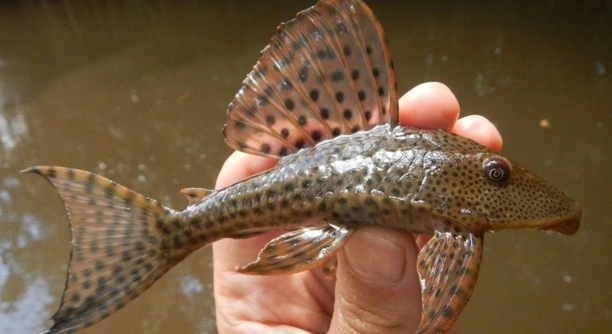
Moving a large plecostomus can be tricky and stressful, especially when considering their size and sensitive nature. Understanding how to safely handle them is essential for their well-being and your peace of mind.
When moving a large plecostomus, ensure you have a suitable transport container, maintain water temperature, and avoid sudden movements to reduce stress. Prepare for a slow, steady transfer, keeping water conditions stable and the fish calm throughout the process.
By following these tips, you will be able to handle the move smoothly and with minimal discomfort for your pleco. Keep reading for more detailed steps to ensure a safe and successful relocation.
Choosing the Right Transport Container
When preparing to move a large plecostomus, the first step is selecting the appropriate transport container. The container should be large enough to comfortably fit your fish while also allowing for some movement. A container that is too small can stress out the pleco, potentially harming it during the move. A good option is a sturdy plastic bin or a fish-specific transport bag that has enough space for the plecostomus to turn around and lie flat.
It’s also important that the container is secure and leak-proof. You don’t want any water to escape during the trip, as even slight water level changes can stress your fish. Make sure to seal the container tightly, ensuring no gaps for water leakage or air entry.
The container should also be clear, allowing you to monitor the plecostomus throughout the move. Keeping an eye on the fish is important in case of any sudden stress signs or health issues. Make sure the container is well-ventilated to keep the air fresh for the pleco during the move.
Maintaining Water Temperature
Water temperature plays a big role in the safety of your plecostomus during the move. Sudden temperature changes can cause stress or even shock. Ideally, you want to maintain the same water temperature the pleco is used to, which is generally between 75-80°F (24-27°C).
To keep the water warm, use a small portable aquarium heater if necessary, or wrap the container in a towel to help insulate it. If you are moving the pleco in colder conditions, you may want to use a heat pack to ensure the water doesn’t drop too low. Keep checking the water temperature regularly to prevent any drastic changes that might cause harm.
Keeping the water temperature stable and within the ideal range will prevent unnecessary stress and help the pleco stay comfortable. It’s better to over-prepare for temperature control than risk exposing the fish to sudden shifts.
Handling the Fish Gently
How you handle the plecostomus during the move can make a big difference in how well it adjusts afterward. Large plecos are delicate creatures, and sudden movements or handling can cause unnecessary stress or physical harm. Always ensure that the fish is supported gently and securely.
To move the pleco, use a soft net with wide mesh to avoid damaging the fins or scales. If the pleco is too large to net safely, you can use a plastic container or bucket to scoop it up. Be sure to keep the fish in an upright position to prevent injury. Handle it as little as possible, and always move slowly.
The key is to avoid sudden movements that might startle the fish. It’s also helpful to have a helper if the pleco is particularly large, as they can assist with positioning the container or holding the pleco steady while you secure it in its transport container.
Reducing Stress During the Move
Reducing stress is one of the most important steps when moving a large plecostomus. Stress can harm the fish and affect its overall health, so minimizing stress during transport is essential. Keep the pleco in a calm, dark environment and handle it gently.
Transporting your plecostomus in a dark, quiet area will help keep it calm. Light and noise can stress the fish out, so make sure to avoid sudden loud sounds or bright lights during the move. Cover the transport container with a towel to reduce visual stimuli. Keeping the container as stable as possible will also minimize the risk of injury.
The less you disturb the pleco, the better it will handle the move. Always keep the transport area quiet and make sure the container is stable. The calmer the environment, the less your plecostomus will experience unnecessary stress, which can help it adjust once it’s relocated.
Checking Water Conditions
Water conditions should be monitored throughout the move to ensure the plecostomus stays healthy. Test the water for pH, ammonia, and nitrate levels to ensure they are within safe ranges. The pleco should not be exposed to unsafe water during transport.
Bring along a water testing kit to monitor these factors. Ammonia levels, in particular, can rise in the container if the pleco is in there for an extended period. High levels of ammonia can be toxic to the fish, so check it periodically. If needed, change out some of the water during transport to keep it safe.
You can also use water conditioners to help neutralize harmful substances. This will help keep the water safe and reduce the chance of any negative effects from poor water quality. Keep the water fresh for the plecostomus to ensure a healthy move.
Preparing the New Tank
Before moving the plecostomus, ensure the new tank is ready. The water conditions in the new tank should closely match the conditions in the transport container to avoid shocking the fish. Pre-fill the tank with dechlorinated water and check its temperature.
Test the new tank’s filtration system to ensure it’s working properly. A well-functioning filter will help keep the water clean and provide a stable environment for the pleco once it’s introduced. Keep the water conditions stable, including temperature, pH, and hardness, to make the transition smoother for the pleco.
Allow the new tank to stabilize for a few hours before moving the plecostomus. This will give you time to check all the settings and ensure everything is functioning as expected.
Avoiding Sudden Movements
Once you are ready to transfer the pleco, avoid any sudden or jerky movements. The fish is already under stress, and rapid movements can cause injury or panic. Gently lower it into the new tank, making sure it lands safely.
Ensure that the plecostomus settles slowly into the tank. Let it acclimate to its new surroundings without forcing it to swim immediately. It’s helpful to keep the lights dim and avoid disturbing the fish for the first few hours. The less disruption, the better it will adjust.
Observing the Fish After the Move
Once the pleco is in its new home, keep a close eye on it for the first few days. Watch for signs of stress, such as abnormal swimming or lack of appetite. It may take a little while for the plecostomus to settle in.
During this period, avoid feeding too much, as the fish might not eat immediately. Monitor the water quality daily to ensure it remains stable. Make sure the tank has enough hiding spots, as plecos enjoy secure places to retreat.
FAQ
How long can a plecostomus survive out of water?
A plecostomus can survive for a short period out of water, typically around 30 minutes to an hour, but this can vary depending on environmental conditions. It’s best not to allow your pleco to be out of water for more than 20 minutes, as it can quickly become stressed or dehydrated. Always aim to minimize the amount of time the fish is out of water during the move, and use a container that prevents excessive exposure.
Should I feed my plecostomus before moving it?
It’s generally not recommended to feed a plecostomus right before moving it. Feeding before transport can lead to excess waste, which can quickly degrade water quality in the transport container. Additionally, it can cause more stress as the fish will be dealing with digestion while also adjusting to the move. It’s best to avoid feeding for 24 hours before the move and then resume feeding once the pleco is safely settled in its new tank.
How can I safely net a large plecostomus?
When netting a large plecostomus, always use a soft, wide-mesh net to avoid damaging its delicate fins and skin. Slowly and gently guide the pleco into the net. Avoid sudden movements, as this could stress or harm the fish. If the pleco is too large to net safely, try using a plastic container or bucket to lift it. Always handle it as gently as possible and avoid squeezing or forcing the fish into a confined space.
Can I move a plecostomus with other fish?
It’s not recommended to move a plecostomus with other fish, especially if the tank mates are smaller or more delicate. The pleco is large and may inadvertently harm smaller fish during the transport process. Additionally, moving multiple fish together can increase stress levels, making it harder to monitor each one individually. If you need to move other fish, it’s best to transport them separately.
What should I do if my plecostomus shows signs of stress after the move?
If your plecostomus shows signs of stress after the move, such as erratic swimming, loss of appetite, or hiding, it’s important to ensure the water conditions are stable. Test the water temperature, pH, and ammonia levels to make sure they are within the safe range. Provide plenty of hiding spots in the tank, as plecos prefer secluded areas where they feel secure. You can also lower the lighting for the first few days to help reduce stress and allow the fish to acclimate at its own pace.
How long does it take for a plecostomus to adjust to a new tank?
The adjustment period for a plecostomus can vary, but most plecos will take a few days to a week to fully settle into a new tank. During this time, the pleco may seem more reclusive, hiding or staying in one spot. This is normal, as plecos are shy and need time to adjust to their new environment. Ensure that the tank is properly set up with stable water conditions, adequate hiding places, and minimal disturbances to help speed up the process.
Can I use a heater during transport?
Yes, using a heater during transport can help maintain a stable water temperature for your plecostomus. However, make sure to use a small, portable aquarium heater designed for travel, or a heat pack, to avoid overheating the water. Ensure that the heater does not come into direct contact with the pleco to prevent burns. Keep the water temperature stable and avoid sudden fluctuations during the move, as this can stress the fish.
What water conditions are ideal for a plecostomus during transport?
The water conditions during transport should closely match those of the plecostomus’s current tank. Aim for a water temperature of around 75-80°F (24-27°C), and make sure the pH and hardness levels are consistent with the pleco’s usual habitat. Use dechlorinated water, as chlorine can harm the fish. Regularly test the water for ammonia and nitrate levels to ensure they remain at safe levels during the transport. Stable, clean water is essential to ensure the pleco’s health throughout the move.
How do I know if my plecostomus is stressed during the move?
Signs of stress in a plecostomus include erratic swimming, rapid gill movement, hiding more than usual, and loss of appetite. If your pleco is breathing heavily or showing unsteady swimming patterns, this could indicate that it is stressed. Avoid making sudden movements or loud noises around the fish during the move, as this can increase stress. If your pleco is showing signs of stress, make sure the water conditions are optimal, and give the fish time to adjust in a quiet, calm environment.
Is it safe to move a plecostomus in a plastic bag?
While it is possible to move a plecostomus in a plastic bag, it’s not the best option for larger plecos. A plastic bag can restrict movement and may not provide enough space for the pleco to stay comfortable. It also increases the risk of water spilling or contaminating the bag. For larger plecos, it’s better to use a secure, sturdy container with a lid. If you do use a bag, make sure it’s large enough and that there’s sufficient water for the pleco to move around without being cramped.
How do I transport a plecostomus long distances?
For long-distance transport, it’s important to keep the plecostomus in a container that allows for adequate water flow and oxygen exchange. Consider using a well-ventilated, water-tight container to avoid any spillage or leaks. If the journey will take several hours, you may need to stop and check on the pleco, making sure the water remains stable. Use a portable aquarium heater or heat pack if necessary to maintain the water temperature. Plan your transport carefully to minimize stress and allow the plecostomus to adjust slowly to its new surroundings.
Final Thoughts
Moving a large plecostomus requires careful planning and attention to detail to ensure the fish remains safe and healthy during the process. The right transport container, stable water conditions, and gentle handling are essential to reduce stress. By preparing the new tank ahead of time and monitoring the water quality throughout the move, you can help your pleco adjust more easily to its new environment. It’s important to avoid rushing the process and allow the plecostomus time to settle in after the move.
While the process may seem overwhelming, it’s important to focus on minimizing stress for the pleco. A calm, quiet environment during transport will help the fish feel more secure and less likely to experience shock. Checking the water temperature, keeping it stable, and using appropriate equipment, like a portable heater or water conditioner, will prevent any drastic changes that could harm your pleco. Additionally, maintaining stable water conditions in both the transport container and the new tank is critical to ensure the fish’s well-being throughout the process.
Patience is key when moving a plecostomus. Give the fish time to adjust to its new tank, and closely monitor its behavior for any signs of stress. It may take a few days or even a week for your pleco to feel comfortable and start eating again. With the right preparation and care, you can ensure a smooth move for your plecostomus, helping it thrive in its new home. Just remember, the calmer and more stable the environment, the easier the transition will be for your fish.

Hello,
If you enjoy the content that we create, please consider saying a "Thank You!" by leaving a tip.
Every little bit helps us continue crafting quality advice that supports the health, happiness, and well-being of pets around the world, for pets of all shapes, sizes, and species.
We really appreciate the kindness and support that you show us!