
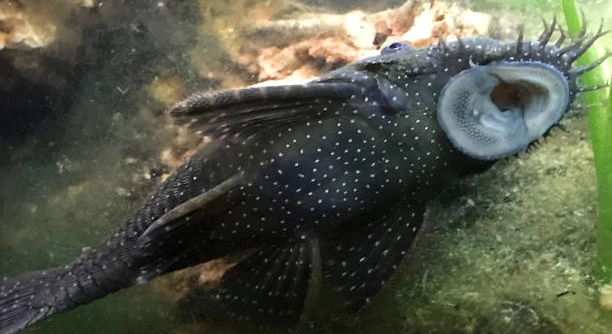
Do you have a plecostomus in your tank and want to know how to tell if it feels secure in its environment?
A plecostomus, when feeling secure, will display behaviors such as resting on surfaces, actively exploring, and maintaining a steady posture in the water. These signs indicate that the fish feels comfortable and safe in its environment.
Recognizing these behaviors can make it easier to spot when your plecostomus is thriving and at ease in its space.
Active Exploration and Movement
When your plecostomus feels secure, you will notice it moving around the tank regularly. This behavior is typical when the fish is at ease in its environment. It might swim along the tank’s bottom, brush against rocks, or explore its surroundings with curiosity. An active plecostomus isn’t shy about showing its interest in the environment around it. It will also venture into places where it can find food and shelter, indicating a sense of comfort in its territory. Active exploration helps your fish develop a connection with its tank, signaling that it’s not stressed.
Fish that stay in one corner or hide for extended periods might be feeling insecure. But when your plecostomus moves freely, it’s a good sign that it’s adapting well.
This active movement is crucial for its health, as it helps prevent stress-related health issues. A plecostomus that feels secure will continue to swim and interact with its tank, enjoying its environment instead of hiding from it. A comfortable pleco is a happy pleco that will thrive in the tank.
Relaxed Resting Posture
A relaxed plecostomus is often seen resting on the substrate or tank decorations. This behavior is an indicator of confidence. When the fish is secure, it won’t feel the need to constantly hide or seek shelter.
This type of resting suggests your pleco is relaxed and comfortable in its surroundings.
Regular Feeding Habits
When a plecostomus feels secure, it will show consistent feeding behavior. It’s not afraid to come out and look for food, whether it’s algae, vegetables, or other tank offerings. If your pleco eats at regular intervals, it’s a clear sign that it feels safe enough to approach the feeding area without fear.
In contrast, a plecostomus that’s stressed might avoid food or only eat during nighttime hours. These changes in feeding habits could indicate that it doesn’t feel entirely secure. A healthy, secure pleco is more confident about its surroundings and will actively search for food throughout the day.
Pay attention to how your plecostomus behaves during feeding times. A fish that feels secure will show eagerness when food is introduced. Its consistent eating pattern ensures it’s staying healthy and maintaining a proper diet, reflecting a relaxed state.
Interaction with Tankmates
A plecostomus that feels secure will interact peacefully with other tankmates. It will avoid aggression and stick to its routine. If your pleco is interacting calmly with other fish, it’s likely that it’s comfortable in the tank. It won’t hide from tankmates or show signs of excessive stress.
It’s important to watch for any signs of territorial behavior or aggression, as a stressed pleco might try to dominate its space or shy away from others. However, when your plecostomus is feeling secure, it will coexist peacefully, contributing to a balanced tank ecosystem. This will prevent it from feeling threatened by others.
A pleco’s interactions with tankmates tell a lot about its comfort level. If it is calm and not exhibiting signs of stress, such as hiding or chasing others away, it is a good sign that the environment feels secure.
Vibrant Coloration
A plecostomus that feels secure will show vibrant, healthy colors. When the fish is stressed or unwell, its colors may appear dull or faded. A pleco that’s secure in its environment will exhibit its full, natural hues. It’s a clear indicator of good health and comfort.
When your plecostomus is relaxed and comfortable, its coloration should be rich and bright. This is a sign that it’s thriving in its habitat. A loss of color often signals stress or illness, so a secure pleco will consistently show off its true colors.
Consistent Hiding Patterns
Although plecos enjoy hiding, a secure fish will have predictable and consistent hiding spots. It won’t feel the need to constantly change locations. When the pleco does retreat, it will do so to rest, not out of fear. A steady hiding routine indicates comfort.
Plecos that are anxious may hide more frequently or move around to different spots constantly. However, when a pleco feels safe, it will establish a comfortable area to rest, signaling that it’s secure.
FAQ
How can I tell if my plecostomus is stressed?
Signs of stress in a plecostomus include hiding more than usual, reduced eating habits, or dulling of its natural colors. It may also become more aggressive or display abnormal behavior, such as staying at the surface for long periods. If your pleco shows these signs, check water parameters, ensure it’s not being bullied by tankmates, and evaluate its environment for any changes. Stress can sometimes also be linked to poor water quality, so testing your tank water is a good first step.
Why is my plecostomus hiding all the time?
Hiding frequently could indicate stress, illness, or discomfort. However, it’s normal for plecos to hide during the day, as they are nocturnal creatures. If it’s only hiding during the daytime and comes out to feed at night, it’s likely just following its natural behavior. If it’s hiding more than usual and also avoiding food, that could be a sign of stress or an underlying health issue. Check tank conditions and water quality to rule out external factors.
How often should I feed my plecostomus?
Plecos generally eat once a day, but their diet can vary depending on the species and the type of tank you have. Most plecostomus species are herbivores, so they thrive on algae, sinking pellets, and vegetables like zucchini or cucumber. You can feed your pleco at night when it’s most active, offering small portions to avoid overfeeding. Make sure to remove uneaten food to maintain water quality. Feeding frequency may vary depending on the size and age of your pleco, so adjust accordingly.
Can plecostomus live with other fish?
Yes, plecostomus are generally peaceful and can live with other fish. However, they are bottom dwellers, and some species of plecos might become territorial, especially if there are not enough hiding spots or if other tankmates invade their space. In community tanks, choose peaceful fish that don’t compete for the same resources or space. Avoid keeping plecos with very small fish that might be stressed by the pleco’s large size or feeding habits. As long as there is enough room for all tank inhabitants, plecos can thrive with others.
What water conditions do plecostomus prefer?
Plecos prefer water that is slightly acidic to neutral, with a pH range of 6.5 to 7.5. The temperature should be between 72°F and 82°F (22°C to 28°C), as they thrive in warm water. Ensure good water quality with proper filtration and regular water changes. High levels of ammonia, nitrites, and nitrates can stress plecos and lead to health problems. Regularly test your water and adjust conditions as needed to maintain optimal health for your pleco. Clean water is essential for its well-being.
Why is my plecostomus not eating?
There can be several reasons why your pleco is not eating. Stress, poor water quality, illness, or a change in diet could be contributing factors. If your pleco is still not eating after 2-3 days, consider checking the tank conditions, adjusting the water parameters, and ensuring your pleco’s food is fresh and appropriate for its species. Plecos also may stop eating if they are stressed, so consider factors like tankmates and hiding spots. If the problem persists, it may be time to consult a vet or an aquarium professional.
Can a plecostomus live without a filter?
While it’s technically possible for a pleco to live without a filter, it’s not advisable. Filters help maintain water quality, which is crucial for the pleco’s health. Plecos produce a lot of waste, and without a filter, toxins like ammonia can build up quickly in the tank, causing stress and health issues. A filter ensures proper water circulation and filtration, removing waste and maintaining clean conditions for your fish. Even if you’re doing regular water changes, a filter is essential to keep your pleco happy and healthy.
How long do plecostomus live?
Plecostomus can live a long time when properly cared for. The average lifespan of a pleco is 10 to 15 years, but some species can live even longer, especially in well-maintained aquariums. Regular water changes, the right diet, and appropriate tank conditions can all contribute to a long, healthy life. Some plecos have been known to live up to 20 years, making them a long-term investment in your tank.
Do plecostomus need to be kept in groups?
No, plecostomus do not need to be kept in groups, and some species prefer to live alone. In fact, certain species, such as the common pleco, may become territorial, especially as they grow larger. While plecos are generally peaceful, overcrowding can lead to aggression and stress. Keeping one pleco in a tank is usually sufficient, as long as there are enough hiding spots and space for the fish to feel secure. If you keep more than one pleco, ensure there is ample space to avoid territorial disputes.
Is my plecostomus overgrowing its tank?
As plecos grow, they can quickly outgrow smaller tanks. Many plecos, especially the common pleco, can grow up to 12-18 inches long. If you notice your pleco is getting too large for your tank, it might be time to consider upgrading to a larger aquarium. Overcrowding can cause stress and health issues. Ensure your pleco has plenty of space to swim and access hiding places. If you can’t upgrade your tank, you may need to consider rehoming the fish to a more suitable environment.
Final Thoughts
Understanding your plecostomus’s behavior and signs of security can make a big difference in its well-being. When your pleco feels comfortable and secure, it will show healthy behaviors like active exploration, vibrant colors, and a relaxed posture. Observing these behaviors helps you know that your pleco is adapting well to its environment. If you notice signs of stress or discomfort, it’s important to act quickly to make changes to the tank or water conditions. Stress can affect your pleco’s health over time, so creating a stable, comfortable environment is key for long-term success.
Plecostomus are generally low-maintenance fish, but they do have specific needs that require attention. Regular feeding, maintaining proper water conditions, and offering hiding spaces will keep your pleco happy. They thrive in clean water with proper filtration, and having plenty of algae or vegetables for food can help ensure they’re getting the right nutrition. Tankmates should also be considered, as some fish may cause stress if they are too aggressive or territorial. A balanced environment leads to a balanced pleco, so it’s essential to monitor all factors closely.
Overall, keeping a plecostomus happy involves understanding its natural instincts and needs. By observing its behavior, feeding habits, and interaction with its surroundings, you can tell when it feels secure and when it might need adjustments. Remember, a healthy pleco will actively explore its tank, maintain vibrant colors, and show predictable behaviors. If you take care of its needs and environment, your pleco will thrive for many years to come. By offering a safe, stable space, you’ll ensure your plecostomus is both happy and healthy.

Hello,
If you enjoy the content that we create, please consider saying a "Thank You!" by leaving a tip.
Every little bit helps us continue crafting quality advice that supports the health, happiness, and well-being of pets around the world, for pets of all shapes, sizes, and species.
We really appreciate the kindness and support that you show us!