
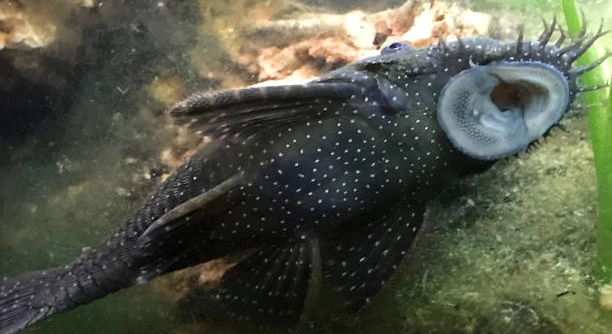
Does your pleco seem to have a strong preference for one specific type of food? It’s a common issue many fish owners face, and understanding the reasons behind it can help you provide a better diet for your aquatic friend.
The most common reason why your pleco eats only one type of food is its natural dietary preferences and nutritional needs. Some plecos are more attracted to certain food types, and over time, they may form a habit of only eating those foods.
Understanding why your pleco behaves this way is important for ensuring its health. This article will explore the factors that influence your pleco’s eating habits and how to introduce variety in its diet.
Why Do Plecos Develop Food Preferences?
Plecos, like many other fish, have specific tastes when it comes to food. They are naturally inclined to eat particular types of food, often based on what their bodies need. Some plecos prefer algae, while others may lean toward protein-rich options or even sinking pellets. These preferences are influenced by their natural diet in the wild, which can include algae, decaying plant matter, and small invertebrates. In captivity, plecos may start to focus on one food type because it mimics what they would consume in their natural habitat.
When you see your pleco consistently eating only one type of food, it’s likely due to this natural instinct. Fish are creatures of habit, and once they find something they enjoy and that meets their needs, they tend to stick with it. Over time, they may develop a preference that’s hard to break.
Providing a variety of foods might help, but it’s also important to pay attention to whether the food is truly beneficial for their overall health. You’ll want to introduce different options carefully to avoid upsetting their digestive system.
Nutritional Needs and Preferences
Plecos have specific nutritional needs that can sometimes drive them to prefer one type of food. Algae-based foods, for example, may be high in fiber and beneficial for digestion, while protein-rich foods can help with growth and energy.
Understanding their diet is key. A pleco’s natural diet typically includes algae, biofilm, and small invertebrates. In an aquarium setting, it’s important to mimic this as much as possible by offering foods that replicate their wild diet. If your pleco is eating only one food, it could be that this food offers the nutrients it craves. For example, sinking algae wafers are a common choice for plecos, as they provide a good balance of nutrients. However, if you feed them only one food source, they may miss out on other important vitamins or minerals.
This is why offering a range of foods is essential for your pleco’s health. It allows them to benefit from a more balanced diet, preventing any nutrient imbalances. You can try adding vegetable matter like zucchini, cucumbers, or spinach to their meals to keep them interested and healthy.
How to Encourage Your Pleco to Eat Different Foods
Introducing new food to your pleco can be tricky, but it’s not impossible. Start by offering a variety of foods in small amounts to avoid overwhelming your pleco. You can try introducing different algae wafers, vegetables, or even protein-rich options like bloodworms or shrimp.
You may find that your pleco takes a while to warm up to new foods, but persistence is key. Start by placing the new food next to the food they prefer. This helps them associate the new food with something familiar. If your pleco still refuses to try it, you can try cutting it into smaller pieces or even soaking it in water to make it more appealing.
It’s also important not to introduce too many new foods at once. This can cause your pleco to become stressed or picky. Instead, gradually increase the variety in their diet and monitor their eating habits. If your pleco begins to accept different types of food, it will help them become more balanced and healthy.
How to Tell if Your Pleco is Eating Enough
If your pleco is eating only one type of food, it’s important to ensure that it’s still getting enough nutrition. Watch for signs of underfeeding, like weight loss or a decrease in activity. Healthy plecos should have a steady, round body and display regular movement in the tank.
A well-fed pleco will usually spend time grazing on the substrate or hiding in caves, nibbling on algae or leftover food. If it’s only eating one food type, monitor whether it’s getting all the necessary nutrients. For instance, algae wafers provide fiber, but may lack protein and other vitamins. To address this, you can supplement their diet with occasional protein-rich foods like shrimp or worms.
Also, keep an eye out for any abnormal behavior. If your pleco isn’t showing interest in food or is eating less than usual, there might be something wrong. Poor water quality or illness can also cause loss of appetite, so be sure to check water parameters. If everything seems fine but the pleco refuses to diversify its food, consider offering a variety of options in small amounts.
The Importance of Water Quality
Water quality plays a significant role in your pleco’s eating habits. Bad water conditions can lead to stress, which in turn affects feeding behavior. Ammonia, nitrites, and nitrates should be kept at safe levels. Regular water changes are essential to keep these parameters in check.
If your pleco isn’t eating or is avoiding certain foods, check your water. Even slight imbalances can cause stress, which can reduce its appetite. Keep an eye on the water temperature as well, as extreme changes in temperature can make your pleco less active and less inclined to eat. Ensure that the pH is stable and within the range that is ideal for plecos, typically between 6.5 and 7.5.
Maintaining optimal water conditions not only keeps your pleco healthy but also helps it maintain a good appetite. Good water quality supports their overall well-being, so even if you’ve been offering the right foods, your pleco might not eat if the tank environment isn’t up to standard. Keep the tank clean, filter working, and monitor the water to encourage healthy eating habits.
Common Foods Plecos Eat
Plecos usually eat a variety of foods, such as algae wafers, sinking pellets, and vegetables like zucchini or cucumbers. Algae naturally makes up a large part of their diet. Introducing these foods helps keep them healthy and prevents them from becoming too reliant on one food.
Many plecos also enjoy protein-rich options like bloodworms or shrimp. These foods help with growth and provide essential nutrients. A mix of plant and animal-based foods is ideal for a balanced diet. Offering these alternatives keeps your pleco from becoming too fixated on one food, maintaining a well-rounded nutrition profile.
Overfeeding or Underfeeding Concerns
Overfeeding your pleco can lead to excess waste in the tank and health problems like obesity. Stick to small amounts of food, ensuring it eats the food within a few hours. Remove any uneaten food to avoid water quality issues. Underfeeding, on the other hand, leads to malnutrition and low energy levels.
How Often to Feed Your Pleco
Plecos are generally nocturnal, so it’s best to feed them once a day, preferably in the evening. Offer a small portion, and if they don’t finish it, remove the leftovers after a few hours. Over time, you’ll learn the right amount that works for your pleco’s eating habits.
FAQ
Why does my pleco only eat one type of food?
Your pleco’s preference for a single food can be attributed to its natural instincts and dietary needs. Plecos tend to develop habits, especially when they find a food source that meets their nutritional requirements. Over time, they may become fixated on that one food, as it offers familiar tastes or essential nutrients. If you’ve been feeding them the same type of food for a while, they may simply prefer it. However, it’s important to introduce variety to ensure they’re getting a balanced diet. Offering different foods like vegetables, sinking pellets, or protein sources can encourage them to diversify their meals.
Can I feed my pleco only algae wafers?
Algae wafers can be a good source of fiber for your pleco, but they don’t provide all the necessary nutrients. Relying solely on algae wafers can lead to nutrient imbalances, as they are low in protein and other essential vitamins. While plecos love algae-based foods, they also need other sources of nutrition like vegetables and protein-rich foods. Offering a mix of different foods will help ensure your pleco stays healthy and active. Consider adding sinking pellets, zucchini, or bloodworms to your pleco’s diet.
How do I get my pleco to eat more variety?
To encourage your pleco to eat a variety of foods, start by offering different food options one at a time. Place them near the food they already enjoy, so they can smell it and become more curious. You might want to start with vegetables like zucchini or spinach, as these are often well accepted by plecos. Protein-rich foods like bloodworms or shrimp are also a good choice for variety. It may take some time for your pleco to get used to new foods, but with patience, they’ll eventually explore different options. Avoid offering too many new foods at once to prevent overwhelming your pleco.
Can plecos eat vegetables?
Yes, plecos can eat a variety of vegetables, and these should be an essential part of their diet. Vegetables like zucchini, cucumbers, spinach, and peas are great for plecos. They provide essential fiber, vitamins, and minerals. You can blanch the vegetables slightly to make them easier for your pleco to digest. Just be sure to remove any uneaten vegetables after a few hours to prevent them from decomposing in the tank. Offering vegetables alongside algae-based foods ensures your pleco receives a balanced diet with both plant and protein sources.
How often should I feed my pleco?
Plecos are nocturnal creatures, so feeding them once a day in the evening is usually the best approach. Overfeeding can cause water quality problems and obesity, so it’s important to offer only as much food as they can consume within a few hours. If there’s leftover food, remove it to maintain a clean tank. A small portion daily is sufficient to keep your pleco healthy. Adjust the amount based on your pleco’s size and activity level. If it’s actively growing or especially hungry, you might need to feed it more often, but stick to smaller portions.
Can plecos eat protein-rich foods?
Yes, plecos can eat protein-rich foods, and these are a valuable addition to their diet. Protein helps plecos grow, stay active, and maintain overall health. Offer protein-rich foods like bloodworms, shrimp, and even small pieces of fish or frozen foods. However, it’s important not to overfeed protein, as this can lead to imbalances and digestive issues. Protein should be offered in moderation, and a mix of plant-based foods (like algae and vegetables) should still make up the majority of their diet.
What should I do if my pleco isn’t eating?
If your pleco stops eating or is eating very little, first check the water conditions. Poor water quality, improper temperature, or high levels of toxins like ammonia can stress out your pleco and affect its appetite. Ensure the water is clean, with safe levels of pH, ammonia, nitrites, and nitrates. If the water quality is fine and your pleco still isn’t eating, it might be sick or stressed. Observe its behavior for signs of illness like sluggishness, bloating, or abnormal swimming patterns. In such cases, consulting a veterinarian or aquatic expert may be necessary.
How long can a pleco go without food?
Plecos can typically go without food for up to a week, but it’s not ideal to leave them without food for that long. If you need to go on vacation, you can arrange automatic feeders or ask a friend to feed your pleco while you’re away. While plecos have a slower metabolism and can survive without food for a period, they will begin to lose weight and become stressed if deprived for too long. It’s best to provide food consistently, especially if your pleco is still growing.
Should I remove uneaten food from the tank?
Yes, you should remove any uneaten food after a few hours. Leftover food can decompose in the tank, affecting water quality and potentially leading to harmful spikes in ammonia and nitrates. If your pleco doesn’t eat all the food, take it out to prevent waste buildup. A good rule of thumb is to feed only what your pleco can consume within a few hours. This helps keep the water clean and ensures that your pleco’s food doesn’t rot in the tank. Regular maintenance is key to maintaining both your pleco’s health and a clean aquarium.
Can plecos eat fruit?
Fruit can be a fun treat for your pleco but should only be offered occasionally and in moderation. Certain fruits like apple slices or berries are okay, but they are high in sugar and should not make up a large part of their diet. Plecos can digest fruits, but they don’t provide the necessary fiber and nutrients they need. It’s better to focus on vegetables and algae, with fruit as an occasional treat. If you do feed fruit, ensure it’s cut into small, manageable pieces and remove any uneaten portions promptly to prevent water contamination.
Final Thoughts
Understanding your pleco’s eating habits is important to ensure they stay healthy and happy in your aquarium. Plecos are naturally inclined to stick to one type of food, especially if it meets their nutritional needs. However, it’s essential to provide a variety of foods to prevent them from becoming overly dependent on one option. A balanced diet that includes algae wafers, vegetables, and occasional protein sources will help your pleco maintain a healthy weight and get all the nutrients they need.
If your pleco is only eating one type of food, don’t worry too much—it’s a common issue. Start by gradually introducing new foods into their diet. Give them small portions of different options, such as vegetables, sinking pellets, or protein-rich foods. Keep offering their favorite food as a backup to ensure they feel comfortable. It may take some time, but with patience and consistency, your pleco will begin to explore a wider variety of foods. Make sure not to overwhelm them by introducing too many new foods at once.
Lastly, remember that water quality plays a big role in your pleco’s appetite and overall health. Regular water changes, monitoring ammonia, nitrites, and nitrates, and maintaining proper temperature and pH are essential steps to ensure your pleco stays healthy. If you notice your pleco is not eating, check the water conditions first, as poor water quality can cause stress and reduce their appetite. With the right care and attention to both their diet and the tank environment, your pleco should thrive and live a long, healthy life in your aquarium.

Hello,
If you enjoy the content that we create, please consider saying a "Thank You!" by leaving a tip.
Every little bit helps us continue crafting quality advice that supports the health, happiness, and well-being of pets around the world, for pets of all shapes, sizes, and species.
We really appreciate the kindness and support that you show us!