
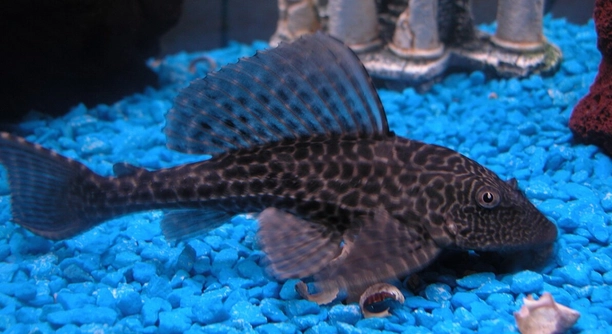
Do your plecos display odd behaviors that leave you scratching your head? Many of these actions are completely normal and are part of their natural instincts. Understanding these quirky behaviors can help you care for your fish better.
Plecos often exhibit unusual behaviors that are normal for their species. Some of these include suctioning to surfaces, displaying territoriality, and even resting upside down. These actions are instinctual and part of their unique adaptations for survival in the wild.
Knowing what’s normal can help you manage your pleco’s environment better. Understanding their natural instincts allows you to provide a healthier tank and a more comfortable space for them to thrive.
Suctioning to Surfaces
One of the most common behaviors seen in plecos is their tendency to suction themselves to various surfaces in the tank, such as glass or rocks. This behavior is totally normal and is linked to their natural feeding habits. Plecos use their mouths like suction cups to cling onto surfaces, especially when feeding on algae. The structure of their mouths allows them to stick to surfaces with ease, helping them scrape algae off rocks and other hard surfaces.
This behavior is a survival trait that ensures they can find food easily and avoid predators. It’s their way of staying in one place while they munch on the algae that grows on aquarium surfaces. They may stay attached to these spots for long periods, especially during the day when they are most active.
If your pleco is spending a lot of time suctioned to the tank, don’t worry. They are simply doing what they do best—eating and cleaning your tank. However, it’s important to make sure there’s enough food for them, as relying only on algae can sometimes leave them hungry.
Sleeping Upside Down
It’s not uncommon for plecos to rest upside down. It might look strange, but this behavior is normal. Plecos are often bottom dwellers and can rest in various positions, including flipping over on their backs.
While it might look alarming, this is simply how plecos choose to rest. It’s not a sign of illness, but rather a natural part of their behavior. They may flip over to find a comfortable spot on the tank floor or a surface with enough space to spread out. It can also be an adaptation to avoid other fish in the tank or to hide from light.
This resting position might also be influenced by the tank environment. If your pleco is constantly upside down, it’s good to check water parameters and ensure there are no stressful factors like high water temperatures or poor water quality. In general, this odd behavior should not be a cause for concern, but it’s always worth monitoring.
Hiding in Caves or Under Decorations
Plecos love to find cozy hiding spots in their tanks. This behavior is completely normal and is rooted in their need for security. Hiding helps them feel safe and reduces stress, especially during the day when they’re not as active.
Their natural instinct is to seek shelter in caves, decorations, or any other dark, enclosed spaces. In the wild, plecos would often hide from predators in crevices, and this behavior continues in captivity. Providing these hiding spots is essential for their well-being. Without them, your pleco may feel exposed and stressed, which could impact its health.
Make sure to include caves or plants in your aquarium design to mimic their natural habitat. These hiding spots provide comfort and allow plecos to rest without feeling vulnerable. If you notice your pleco spending more time in these spots, it’s usually a sign that they feel at ease.
Swimming at Night
Plecos are mostly nocturnal and prefer to do their exploring at night. If you notice your pleco becoming active after the lights go out, this behavior is totally normal. They are more likely to swim around and search for food when it’s dark.
During the night, plecos feel more comfortable since it’s quieter and they can avoid daytime predators. In captivity, they follow the same patterns. Some plecos may even become more active after the aquarium light dims, looking for food or simply exploring their tank.
This nocturnal behavior means they might not be as visible during the day. If you’re concerned about their lack of daytime activity, it’s simply due to their preference for nighttime activity. As long as they are active at night, there’s no reason to worry. Just ensure they have a balanced diet available, as they may not always find enough food during the day.
Sucking on Tank Decorations
It’s common for plecos to suck on tank decorations like plants, rocks, or even the filter. This is totally normal behavior. They do this to find food or clean the surfaces they cling to.
Plecos have specialized mouths that allow them to attach themselves to these surfaces and scrape algae. Tank decorations often have a buildup of algae that plecos find appetizing. It’s their natural way of feeding and keeping their environment clean.
By doing this, they’re helping maintain a cleaner tank. If they suck on surfaces more than usual, it’s likely because they’re searching for food, so be sure to keep algae levels in check.
Flipping Over During Feeding
Plecos sometimes flip over when eating, which can seem strange but isn’t a problem. This behavior typically occurs when they are reaching for food near the tank’s surface or under objects.
Flipping allows plecos to access food that may be out of reach while staying safe. In the wild, they might flip to grab food from areas that are difficult to reach or move across uneven surfaces.
As long as this flipping doesn’t lead to distress or injury, it’s nothing to worry about. Plecos will often recover quickly and resume their feeding behavior without issue.
Aggression Toward Other Fish
Plecos can show aggression toward other fish, especially if they feel threatened or crowded. This is normal, as plecos are territorial creatures by nature. They may defend their space or preferred hiding spots, especially when they feel their resources are limited.
This behavior is more likely to happen when they are introduced to a new tank or when the tank has too many fish competing for space. Plecos tend to be less aggressive if they have enough room to roam and multiple hiding spots to claim as their own.
To minimize aggression, consider adding plants or rocks to provide natural boundaries. If the aggression is consistent, you might want to separate more territorial plecos to avoid stress or injury.
FAQ
Why does my pleco sit at the top of the tank?
Plecos usually prefer to stay near the bottom of the tank, but occasionally, they may sit at the top. This behavior could be a sign that they are looking for more oxygen or searching for food. If your pleco is often at the top, check your water quality and oxygen levels. Poor water quality or low oxygen can cause fish to swim near the surface. Make sure your filtration system is running well and that the water is properly aerated.
Is it normal for my pleco to chase other fish?
Yes, plecos can sometimes chase other fish, especially if they feel their territory is being invaded. This is more common when plecos are introduced to a new tank or if there are too many fish in the tank. Plecos are naturally territorial, and they may chase or display aggression to protect their space. Providing plenty of hiding spots, plants, or decorations can help ease this behavior by giving your pleco a space to call its own. If the aggression continues, consider separating particularly territorial plecos from other fish.
Why is my pleco swimming in circles?
If your pleco is swimming in circles, it could be a sign of stress, illness, or an overcrowded tank. Fish that swim in repetitive patterns, such as circles, may be feeling confined or anxious. It’s important to ensure your tank is large enough for your pleco’s needs and that water quality is optimal. Check for any signs of illness or injury and consider isolating your pleco to monitor it closely. If the behavior doesn’t stop, it may be a good idea to consult with an aquarium specialist.
Should I be concerned if my pleco stops eating?
If your pleco stops eating, it can be a cause for concern. The first thing to check is water quality. Poor water conditions can cause fish to lose their appetite. Make sure the water parameters are within the recommended range for plecos. Another reason could be stress or aggression from tankmates, especially if there is competition for food. If your pleco is still not eating after making these adjustments, consider changing the food you offer or consult a vet to rule out health issues.
How often should I feed my pleco?
Plecos are not heavy feeders compared to other fish, but they do need a balanced diet to stay healthy. You should feed your pleco about 2-3 times a week, depending on their size and age. They are primarily algae eaters, so providing them with algae wafers or vegetables like zucchini or cucumber can complement their diet. Don’t overfeed, as plecos can be prone to obesity. If your pleco is not cleaning your tank enough, you may need to supplement with additional food.
Why does my pleco have white spots on its body?
White spots on your pleco could be a sign of an illness such as “Ich,” a common parasitic infection. This condition shows up as small white cysts on the fish’s skin. If you notice white spots, you need to treat your pleco as soon as possible. Isolate the affected pleco and consider adding aquarium salt or using an Ich treatment to eliminate the parasite. Keep an eye on your other fish to ensure the infection doesn’t spread. Maintaining good water quality can also prevent future outbreaks.
What is the best tank size for a pleco?
Plecos require a tank that offers plenty of space to grow and thrive. The minimum recommended tank size for a pleco is around 75 gallons, but larger species may need a tank of 100 gallons or more. A larger tank not only allows your pleco to grow comfortably but also helps maintain better water quality. Plecos produce a significant amount of waste, so the bigger the tank, the easier it is to maintain a healthy environment. Additionally, larger tanks provide more space for hiding spots and territory, reducing stress and aggression.
Can I keep multiple plecos together in the same tank?
Keeping multiple plecos in the same tank is possible, but it depends on the species and tank size. Some plecos are more territorial than others, so overcrowding can lead to aggression. If you want to keep more than one pleco, it’s important to make sure the tank is large enough, with plenty of hiding spots and decorations to break up territories. Additionally, you should monitor their behavior closely to prevent fighting. In some cases, it’s best to keep only one pleco per tank, especially if it’s a larger species.
How do I know if my pleco is stressed?
Signs of stress in plecos can include erratic swimming, hiding more than usual, or sitting at the surface of the water. Stress can be caused by poor water quality, overcrowding, or aggressive tankmates. If your pleco is constantly hiding or swimming in abnormal patterns, check the water parameters immediately. Stress can lead to weakened immune systems, so it’s crucial to address the underlying cause. Making sure your pleco has plenty of hiding spaces and a stable environment can help reduce stress levels.
Why does my pleco have a bent or curved back?
A bent or curved back in a pleco could indicate a spinal deformity, which is sometimes genetic or caused by poor water conditions during development. In some cases, it could also be a sign of an infection or injury. If the bending is severe, it’s best to consult a veterinarian who specializes in fish health. Keeping water quality high and ensuring proper nutrition can prevent deformities from developing. If your pleco is otherwise healthy and active, a slight bend may not be a significant issue, but it’s always good to monitor their behavior closely.
Final Thoughts
Plecos are fascinating creatures with unique behaviors that are often misunderstood. Many of the actions they display, like suctioning to surfaces, flipping over while feeding, or hiding in caves, are completely natural. These behaviors help them thrive in their environment, whether in the wild or in your aquarium. Understanding these actions is key to providing a better home for your pleco and ensuring they remain healthy and happy.
However, it’s also important to stay aware of any unusual changes in behavior. While many odd actions are normal, sometimes they can signal an issue, such as poor water quality, stress, or illness. If your pleco’s behavior changes dramatically, it’s worth investigating the cause. For example, if your pleco suddenly stops eating, starts swimming erratically, or shows signs of injury, it could be an indication that something isn’t right. Always monitor your pleco closely and maintain the best possible living conditions for them.
In the end, knowing what’s typical for a pleco and what may require attention will make you a more confident and informed aquarium owner. Creating a comfortable and safe environment for your pleco to express its natural behaviors will help them lead a long, healthy life in your tank. By paying attention to their needs and behaviors, you’ll ensure that both you and your pleco enjoy a happy, stress-free experience together.

Hello,
If you enjoy the content that we create, please consider saying a "Thank You!" by leaving a tip.
Every little bit helps us continue crafting quality advice that supports the health, happiness, and well-being of pets around the world, for pets of all shapes, sizes, and species.
We really appreciate the kindness and support that you show us!