
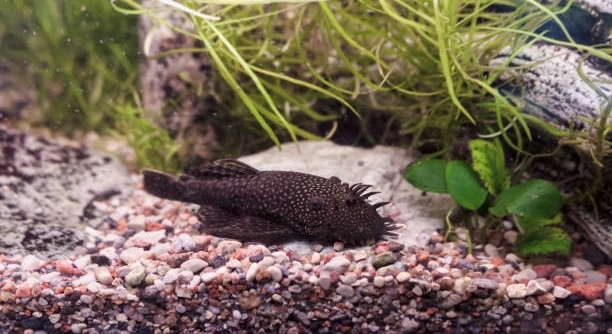
Sometimes, your pleco may not clean your tank as expected. It can be frustrating, especially since they’re known for their algae-eating abilities. Understanding why this happens can help ensure your fish stays healthy and your tank looks its best.
The main reason your pleco isn’t cleaning the tank could be due to its diet, environment, or behavior. Factors like insufficient algae, lack of hiding spots, or even tank mates can affect its willingness or ability to clean effectively.
There are a variety of reasons your pleco might not be cleaning the tank as expected. Identifying these factors will help you understand and resolve the issue.
Lack of Algae in the Tank
Plecos are primarily known for consuming algae in aquariums, but if there isn’t enough algae to eat, they may not perform their cleaning duties. If your tank is too clean or lacks natural algae growth, your pleco may not be motivated to clean.
In this case, adding algae wafers or specific plants can encourage your pleco to feed and clean more actively. Ensure the tank has natural elements that encourage algae growth.
However, it’s important not to overload your tank with food, as this can lead to other problems like water pollution. A balance of algae and supplemental feeding can keep your pleco healthy and active. Even if you’re regularly cleaning your tank, try giving your pleco a chance to do its job by providing a space to naturally pick at algae.
Water Quality Issues
Water quality plays a huge role in a pleco’s behavior and health. If your tank water is not optimal, your pleco may avoid its usual cleaning routine. Poor water conditions can make your pleco feel stressed or sick, which reduces its activity levels.
Regular water changes, proper filtration, and monitoring of pH levels are essential for maintaining a healthy tank. Clean water encourages your pleco to remain active, while stagnant, polluted water could result in your fish becoming lethargic. Make sure your pleco has good water to thrive in and do its job.
Inadequate Tank Size
If your tank is too small, your pleco might feel cramped and stressed. Stress can reduce its cleaning activity, as the fish becomes more focused on finding space to swim rather than eating algae.
Make sure your tank is large enough for your pleco’s size. As they grow, they need more space to move freely. A cramped tank can also cause water quality issues, which, as mentioned before, further discourages your pleco from cleaning. Keep in mind that a larger tank provides a healthier environment for your fish to thrive and carry out its natural cleaning duties.
Having a larger tank also means a more stable environment, which is important for the health of all your fish. If you notice that your pleco is less active or not cleaning the tank, consider upgrading to a bigger tank for better long-term results.
Wrong Tankmates
Some fish can be aggressive or overly competitive, which may cause your pleco to avoid its cleaning duties. Fish that harass or outcompete plecos for food or territory can stress them out and prevent them from doing their job.
It’s important to choose peaceful tankmates that won’t bother your pleco. If your pleco feels threatened, it will retreat to hiding spots, leaving the algae uncleaned. Keeping a calm environment helps reduce stress, and your pleco will feel more confident in cleaning the tank. Additionally, avoid keeping fish that have similar food habits, as this can lead to competition for the same resources.
Adding peaceful, compatible tankmates will encourage your pleco to remain active. Ensure the overall balance of your aquarium supports the health and behavior of all fish, including your pleco.
Overfeeding
Overfeeding your pleco can lead to a decrease in its cleaning behavior. If there’s too much food in the tank, your pleco may not feel the need to forage for algae.
Try feeding your pleco just the right amount to avoid excess. When there’s plenty of food available, it’s less likely to seek out algae, making it miss its cleaning duties.
Temperature Issues
Temperature plays a big role in your pleco’s activity level. If the water is too cold or too warm, it can affect your pleco’s appetite and energy, making it less likely to clean.
Maintaining the ideal water temperature for your pleco, typically between 75-80°F (24-27°C), ensures it stays active and healthy. Temperature fluctuations or extremes can stress your pleco, making it less inclined to clean the tank or feed properly.
FAQ
Why isn’t my pleco eating algae?
If your pleco isn’t eating algae, it could be due to several factors. First, there may not be enough algae in the tank. Plecos need a natural algae supply to feed on. You can add algae wafers or live plants to encourage them to eat. Alternatively, your pleco might not be eating algae because it’s well-fed with other foods. Overfeeding can cause your pleco to lose interest in cleaning. Additionally, if the water quality is poor or the temperature is wrong, your pleco may become less active, resulting in less algae consumption.
Can plecos clean a tank without eating algae?
No, plecos rely on algae and biofilm for cleaning the tank. If they’re not eating algae, they won’t clean effectively. They help maintain a clean environment by grazing on algae and other organic matter. Without access to these, they won’t perform their cleaning duties as expected. You should also avoid overfeeding, as it might prevent them from foraging. If your pleco isn’t cleaning the tank, consider adding more algae or supplemental foods to its diet.
How often should I feed my pleco?
Plecos typically need to be fed once a day, but be mindful of the amount. Overfeeding can lead to uneaten food polluting the tank. A small, balanced amount of food should suffice. Plecos are algae eaters, but supplementing their diet with sinking pellets or vegetables, like zucchini or cucumber, can provide additional nutrition. Be careful not to overload the tank with extra food, as this may discourage the pleco from cleaning the tank.
Can plecos live with other fish?
Yes, plecos can live with other fish, but it’s important to choose compatible tankmates. Avoid keeping them with overly aggressive fish that may harass or outcompete them for food. Peaceful, slow-moving species are best, as they will not stress your pleco or interfere with its cleaning habits. Make sure the tank size is adequate for all the fish, as overcrowding can lead to stress and hinder the pleco’s cleaning abilities.
What is the best tank size for a pleco?
Plecos grow quite large and need plenty of space to swim and explore. A minimum tank size of 75 gallons is recommended for adult plecos, although larger species may need even more room. A cramped tank can lead to stress and reduced activity levels, meaning your pleco may not clean effectively. Having a bigger tank ensures your pleco can move freely, and it helps maintain a more stable water environment.
Why is my pleco staying in one spot?
If your pleco is staying in one spot, it may be stressed, sick, or uncomfortable with its environment. This could be due to poor water quality, incorrect temperature, or a lack of hiding spots. Plecos need plenty of space to hide and feel secure, so provide hiding places like caves or plants. Stress from aggressive tankmates or being overcrowded can also cause them to become less active. Check water parameters and make sure the pleco has access to food and a comfortable environment.
What other foods can I feed my pleco besides algae?
Besides algae, plecos enjoy vegetables like zucchini, cucumber, and spinach. You can also offer sinking pellets and wafers specifically designed for bottom feeders. Occasionally, you can provide small amounts of protein, like bloodworms or brine shrimp, but this should be done sparingly. Offering a variety of foods helps keep your pleco healthy and satisfied. However, make sure to remove any uneaten food to maintain water quality.
How can I improve my pleco’s cleaning behavior?
Improving your pleco’s cleaning behavior involves addressing several factors. First, ensure that the water quality is optimal by performing regular water changes and using a good filter. Provide a variety of food sources, including algae wafers, vegetables, and sinking pellets. Check the tank size to make sure it’s big enough for your pleco to feel comfortable. Also, keep peaceful tankmates to avoid stress. Lastly, monitor the water temperature and make sure it stays within the ideal range for your pleco.
Is it normal for plecos to stop cleaning sometimes?
Yes, it’s normal for plecos to have periods of inactivity, especially when they are not hungry or when water conditions aren’t ideal. However, if your pleco stops cleaning for an extended period, it might be a sign of stress, poor health, or environmental issues. Always check water parameters, food availability, and tank conditions. If necessary, try adding more algae or food options to encourage your pleco to resume cleaning.
How can I tell if my pleco is healthy?
A healthy pleco will be active, with clear eyes and a smooth, unblemished body. It should regularly graze on algae and be responsive to food. Poor appetite, abnormal swimming patterns, or visible sores or discoloration can indicate health issues. Make sure the water is clean and within the ideal temperature range. If you notice any changes in behavior or appearance, consider seeking advice from a vet or aquarium expert.
Final Thoughts
In conclusion, it’s important to remember that plecos play a vital role in keeping your tank clean, but there are several factors that could affect their ability to do so. From tank size to water quality, the environment in which your pleco lives is crucial to its health and behavior. Ensuring your pleco has enough space, proper food, and the right water conditions can encourage it to resume its cleaning duties. Overfeeding and a lack of algae are two of the most common reasons why plecos may not clean effectively, so it’s essential to keep a balance in the tank.
If you notice your pleco isn’t cleaning the tank as expected, first check its diet. Plecos are natural algae eaters, but they also need a balanced diet of sinking pellets, vegetables, and occasional protein. If your tank doesn’t have enough algae for your pleco to eat, adding algae wafers or live plants can provide the necessary resources. Additionally, make sure you’re not overfeeding, as this can reduce your pleco’s desire to forage for algae. Keeping an eye on the amount of food in the tank and adjusting accordingly can make a big difference in how active your pleco is.
Lastly, always monitor the water conditions in your tank. Poor water quality, incorrect temperature, and stressful tankmates can all cause your pleco to be less active and reduce its cleaning efforts. Regular water changes, proper filtration, and the right tankmates will keep your pleco happy and healthy. When your pleco is comfortable in its environment, it will be more likely to do its part in keeping the tank clean. Keep in mind that plecos are not the only solution for a clean tank, but with the right care, they can definitely help maintain a healthier and cleaner aquatic environment.

Hello,
If you enjoy the content that we create, please consider saying a "Thank You!" by leaving a tip.
Every little bit helps us continue crafting quality advice that supports the health, happiness, and well-being of pets around the world, for pets of all shapes, sizes, and species.
We really appreciate the kindness and support that you show us!