
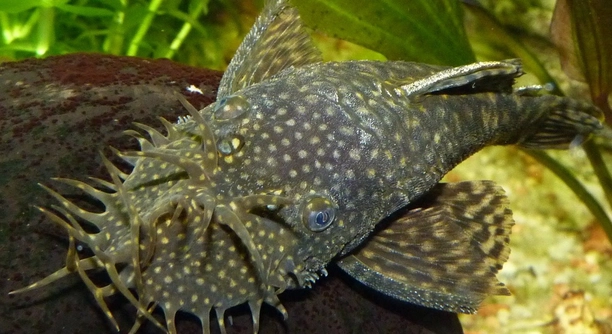
Giant plecos are a popular addition to many aquariums due to their impressive size and distinct appearance. However, keeping these fish in your tank can come with challenges. Understanding their needs is crucial for maintaining their health and well-being.
The main challenges with giant pleco species stem from their size, dietary requirements, and tank conditions. These fish require large tanks, a varied diet, and appropriate water parameters to thrive. Without proper care, they may struggle to adapt or survive.
Proper care and attention to their environment can make a significant difference.
Tank Size Requirements
Giant plecos grow to impressive sizes, often reaching over 2 feet in length. As they mature, they need more space to swim comfortably. Keeping them in a tank that is too small can cause stress, which leads to health issues. A tank with at least 100 gallons is ideal for a single adult pleco. If you keep more than one, a larger tank is necessary to prevent overcrowding. Without enough space, they may become aggressive or develop stunted growth. Their size also means they produce a significant amount of waste, so filtration systems need to be powerful to maintain water quality.
Inadequate tank space impacts their overall health and behavior. Ensuring they have enough room to move freely can prevent many common issues.
Having the right tank size ensures they have the space to grow properly and stay healthy. It also helps reduce stress, which can lead to better longevity and fewer health complications.
Diet and Feeding
Giant plecos are primarily herbivores, requiring a varied diet to meet their nutritional needs. They typically eat algae, plant matter, and wood, but will also benefit from additional vegetables and algae wafers. Feeding them a well-rounded diet is essential for their growth and health. Without enough nutrients, they may experience malnutrition and a weakened immune system. It’s crucial to provide fresh vegetables like zucchini, spinach, and cucumbers regularly to ensure they get the right balance. Wood, like driftwood, should also be provided to support their natural behavior.
A healthy diet is essential for keeping plecos in top condition. They need more than just algae to thrive.
Proper nutrition plays a critical role in preventing diseases. If they don’t get the right food, it can lead to a variety of issues, including weakened bones or digestion problems. Regularly offering fresh vegetables will ensure they stay strong and healthy for years to come.
Water Parameters
Maintaining stable water parameters is crucial for giant plecos. They prefer a pH level between 6.5 and 7.5 and water temperatures between 74°F and 80°F. Ammonia and nitrite levels should always be at zero, and nitrate levels must be kept low to prevent health problems.
These fish are sensitive to changes in water conditions, which can lead to stress and illness. Regular water changes, ideally 25% weekly, help maintain water quality. Testing water parameters frequently ensures the environment stays stable. A good filtration system is essential to keep the water clean and reduce the workload on the owner.
If water conditions aren’t kept stable, plecos are more likely to develop diseases. Water parameters also influence their appetite and activity levels, so the right balance is essential for their well-being. Keeping their tank clean with regular maintenance supports their long-term health.
Tankmates
Choosing appropriate tankmates for giant plecos is essential to prevent stress and aggression. They are generally peaceful but can become territorial as they grow. Avoid keeping them with smaller or more aggressive fish, as they may be harmed.
Plecos can coexist with other peaceful bottom dwellers, such as larger catfish and some cichlids. The key is to provide enough space and hiding spots for everyone. Plants and rocks are great additions to create territories and reduce conflict. It’s important to monitor interactions closely when introducing new tankmates to ensure there are no issues.
By selecting suitable tankmates, you can create a harmonious environment for your pleco. Ensuring that all fish have enough space and hiding spots will minimize territorial behavior. Careful planning and observation can help you avoid potential conflicts and provide a stress-free living environment for all species.
Filtration and Maintenance
Due to their large size and high waste production, giant plecos require a powerful filtration system. A filter with a high turnover rate is essential to keep the water clean. Poor filtration leads to toxic water, which negatively impacts their health.
Choosing the right filtration system is crucial for the well-being of plecos. A strong filter keeps the water clear, prevents ammonia buildup, and provides the necessary oxygen levels. Regular maintenance, such as cleaning the filter and checking for clogs, is needed to maintain its efficiency. This ensures the pleco’s environment stays healthy and stable.
Longevity
Giant plecos have long lifespans, often living 10-15 years in captivity when properly cared for. Their longevity depends on maintaining proper water conditions, diet, and tank size. Regular monitoring is key to their health.
When their needs are met, plecos grow into impressive, healthy fish that can live for many years. A proper setup ensures they thrive and live a long, comfortable life in your aquarium.
Tank Decorations
Decorations play a significant role in creating a natural and enriching environment for giant plecos. They enjoy hiding spots, caves, and driftwood, which provide security and comfort. Adding natural decorations mimics their natural habitat, which is important for their well-being.
These fish also appreciate surfaces to graze on, such as algae-covered rocks. The decorations should be safe, with no sharp edges that could injure them. Properly arranged decorations help create a balanced environment, making it easier for plecos to thrive.
FAQ
How big do giant plecos get?
Giant plecos can grow up to 24 inches or more in length. Their growth rate can be influenced by tank size, water quality, and diet. In larger tanks with proper care, they reach their full size, but in smaller tanks, their growth may be stunted.
What do giant plecos eat?
Giant plecos are primarily herbivores. They mainly consume algae, plant matter, and wood. A varied diet of fresh vegetables like zucchini, spinach, and cucumbers is essential. Algae wafers and driftwood also help maintain their digestive health.
How often should I feed my giant pleco?
You should feed your pleco once or twice a day. It’s best to provide small amounts of food that they can consume in a short period. Overfeeding can lead to water quality issues and health problems, so avoid excessive portions.
Do giant plecos need a heater?
Yes, giant plecos require a stable water temperature between 74°F and 80°F. A heater is essential to maintain consistent warmth, especially in cooler environments. Sudden changes in temperature can stress the fish and lead to health problems.
Can giant plecos live with other fish?
Giant plecos are generally peaceful but may become territorial as they mature. They can live with larger, peaceful tankmates such as other bottom dwellers or certain cichlids. Avoid keeping them with aggressive or much smaller fish, as they may be harmed.
Do giant plecos need a lot of oxygen?
Yes, giant plecos require well-oxygenated water to thrive. A powerful filtration system that circulates the water helps maintain oxygen levels. Plecos can also gulp air from the surface if needed, but it’s essential to keep the water clean and oxygen-rich for their health.
How often should I change the water in my pleco tank?
You should change 25% of the water in your pleco’s tank once a week. This regular water change ensures that toxins, such as ammonia and nitrates, don’t build up. Clean water is vital for maintaining a healthy environment and preventing stress or disease.
What kind of tank decorations do plecos like?
Giant plecos enjoy tanks with plenty of hiding spots, caves, and driftwood. Driftwood is essential for their diet and comfort, as they often graze on it. Rocks and plants also provide shelter and help mimic their natural habitat. Ensure that decorations are smooth to avoid injury.
How can I tell if my pleco is stressed?
Signs of stress in plecos include erratic swimming, rubbing against objects, loss of appetite, and abnormal behavior like hiding too much. Poor water quality, aggressive tankmates, or improper water parameters are common causes of stress. It’s important to address the issue immediately.
Do giant plecos need a specific type of substrate?
While plecos are not particularly picky about substrate, a soft, fine-gravel or sandy bottom is recommended. This type of substrate is gentler on their delicate undersides. Plecos often forage along the tank floor, so it’s best to avoid sharp-edged materials that could cause injury.
Can giant plecos live in a community tank?
Yes, giant plecos can live in a community tank with peaceful, larger fish. However, they need plenty of space and hiding spots. Overcrowding or aggressive tankmates can cause stress. Plecos thrive in tanks where they have enough room to swim and access food.
Why is my pleco not eating?
If your pleco isn’t eating, check the water quality, as poor conditions can cause a lack of appetite. Stress from aggressive tankmates or insufficient food variety might also be factors. Make sure your pleco has access to the right food, including algae wafers, fresh vegetables, and driftwood.
Do plecos need light?
While plecos do not require direct light, they benefit from low to moderate lighting. It helps stimulate algae growth, which plecos naturally graze on. However, too much light can encourage excessive algae growth, which could harm water quality. Lighting should be balanced for the tank’s overall health.
How long do giant plecos live?
Giant plecos typically live for 10-15 years in captivity when provided with proper care. Their lifespan can be influenced by factors such as tank size, diet, and water conditions. Consistent maintenance and attention to their needs contribute to their longevity.
Can plecos live without driftwood?
While plecos can live without driftwood, it is highly recommended to include it in their tank. Driftwood provides them with a natural source of food and helps with their digestion. It also gives them a sense of security, as plecos like to hide in or under wood.
Are giant plecos hard to care for?
Giant plecos are not particularly difficult to care for, but they do require specific conditions. They need a large tank, a strong filtration system, and stable water parameters. Providing a balanced diet and suitable tankmates is also essential for their well-being.
How do I prevent plecos from getting sick?
Maintaining clean water, providing a proper diet, and ensuring the right tank conditions are crucial to preventing illness. Regular water changes, proper filtration, and monitoring for signs of stress or disease can help keep your pleco healthy. Quick action is necessary if problems arise.
Can plecos live in a tank with a high flow rate?
Giant plecos can tolerate a high flow rate, especially if they have access to areas with slower water movement for rest. However, too strong of a current may stress them. It’s essential to balance the flow rate to ensure they can find calm areas in the tank.
Do plecos need a lot of maintenance?
Giant plecos require regular tank maintenance, such as water changes and filter cleaning, to keep their environment stable. Though they are relatively low-maintenance in terms of daily care, the tank setup needs attention to prevent issues with water quality or stress.
Can plecos live in cold water?
Giant plecos are tropical fish and should not be kept in cold water. They thrive in water temperatures between 74°F and 80°F. Cold water can cause stress and make them more susceptible to disease. It’s essential to maintain a stable warm environment for their health.
Final Thoughts
Caring for a giant pleco requires commitment and attention to detail. These fish can live for many years if their needs are met. A proper tank setup, strong filtration system, and balanced diet are essential for keeping them healthy. While giant plecos are relatively easy to care for, they do require specific conditions, including a large tank and stable water parameters. Without the right care, they can suffer from stress or health issues that can shorten their lifespan.
One of the most important aspects of keeping a giant pleco is understanding its behavior and needs. These fish are peaceful but can become territorial as they grow. Providing enough space and hiding spots can help reduce stress and prevent aggression from other tankmates. It’s crucial to feed them a varied diet, including fresh vegetables, algae wafers, and driftwood, to ensure they remain healthy. Regular water changes and monitoring of water quality will prevent the buildup of harmful toxins.
Overall, giant plecos can make a wonderful addition to a well-maintained aquarium. They are not the best choice for beginners, but with the right knowledge and setup, they thrive in a suitable environment. By investing time and effort into maintaining their habitat, you can enjoy watching these impressive fish grow and flourish for many years.

Hello,
If you enjoy the content that we create, please consider saying a "Thank You!" by leaving a tip.
Every little bit helps us continue crafting quality advice that supports the health, happiness, and well-being of pets around the world, for pets of all shapes, sizes, and species.
We really appreciate the kindness and support that you show us!