
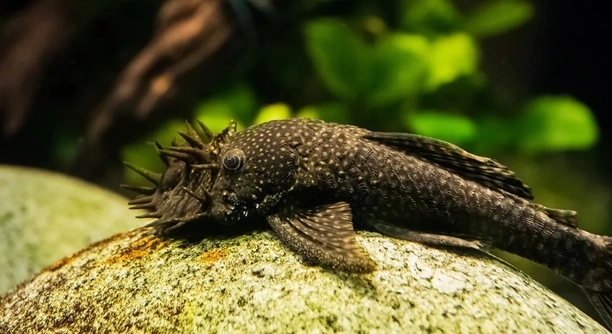
If you’re a fish enthusiast with a pleco in your tank, you may wonder when it’s getting ready to lay eggs. Plecos are known for their fascinating breeding behavior, and spotting the signs can be exciting for any aquarium keeper. Knowing these clues can help you prepare for the process.
The most common signs that a pleco is about to lay eggs include increased activity, nesting behavior, and noticeable changes in appearance. These signs indicate that the pleco is preparing to spawn, which can happen under the right environmental conditions.
As you observe your pleco, you’ll be able to spot these behaviors and better understand the timing of the egg-laying process. These clues can help you make sure your aquarium is ready for the event.
Increased Activity and Restlessness
When a pleco is about to lay eggs, one of the first things you’ll notice is an increase in activity. They may swim around the tank more frequently and seem restless, especially during the evening. This behavior is their way of preparing for spawning. They may also start to explore different hiding spots in the tank, checking for suitable places to lay their eggs. Plecos usually prefer to lay their eggs in caves or on flat surfaces, and they often move in search of the perfect spot. During this time, they might swim vigorously, even bumping into objects or other fish.
The increased activity is a natural part of their breeding ritual. As the pleco searches for an ideal location, it’s important to observe these changes closely.
This restlessness is a clear indication that your pleco is getting ready to spawn. If you have multiple plecos in the tank, you may also see some territorial behavior. The pleco will become more focused on finding the perfect spot for egg-laying, so keep an eye on their movements.
Nesting Behavior and Preparation
As the pleco prepares to lay eggs, you’ll begin to notice some nesting behavior. The pleco will actively clean the chosen surface, whether it’s a rock, glass, or cave entrance. They might scrape away any debris or algae to create a suitable surface for their eggs. During this process, the pleco uses its specialized mouth to clear the area, ensuring it’s free from any unwanted particles.
Cleaning and clearing the nesting area is an essential part of their egg-laying process. It ensures that the eggs will be secure and free from any contaminants that might interfere with their development. Observing your pleco’s careful preparation helps you understand when the egg-laying process is about to start.
Once the pleco has found the perfect spot and cleaned it thoroughly, they will usually settle in and begin to show signs of readiness. You might even see the pleco hovering near the nesting area, waiting for the right moment to lay eggs. It’s an exciting sign that the process is getting closer.
Physical Changes in the Pleco
As a pleco nears egg-laying, you might notice physical changes. The female pleco, in particular, may become noticeably rounder as she fills with eggs. This is often accompanied by a slight swelling around her abdomen. These physical signs are a clear indication that the pleco is preparing for spawning.
The roundness of the female pleco’s belly is one of the most obvious signs that she’s ready to lay eggs. It may become more pronounced as she approaches the egg-laying process. If the pleco is gravid, or carrying eggs, her body will look noticeably fuller.
This change is particularly noticeable in mature female plecos. Their bodies will appear plumper and smoother, with the belly becoming more rounded. These physical signs are an important clue in identifying when a pleco is about to spawn. It’s best to keep an eye on these changes, as they occur just before the eggs are released.
Changes in Behavior Toward Tankmates
You may also notice that the pleco’s behavior toward other fish in the tank shifts. If there are other plecos or tankmates present, the female might become more territorial or aggressive. She’ll focus on protecting her chosen nesting area. This behavior is a direct result of her preparing to lay eggs.
In some cases, the pleco may even chase away other fish or show signs of dominance in the tank. She could act more defensive around her territory to keep it safe for the egg-laying process. This territorial behavior is a protective instinct. It ensures that no other fish will disturb the area where the eggs will be laid.
Keeping a close eye on these shifts in behavior will help you better understand when the pleco is ready to lay eggs. These territorial displays are often a clear warning that the pleco is preparing to start the spawning process soon.
Increased Feeding and Aggressive Behavior
As the pleco gets closer to laying eggs, you may notice an increase in her feeding activity. She may eat more frequently and aggressively, trying to gather as much energy as possible before spawning. This increase in appetite is a natural part of the process.
The pleco’s feeding behavior is linked to her need for energy to lay eggs. During this time, she may consume more food than usual, sometimes becoming more assertive in claiming food. Make sure to provide enough variety and nutrients to support this increased appetite.
Male Pleco’s Increased Courtship Behavior
Male plecos are known to show increased courtship behaviors when they are trying to attract a mate. This can include chasing the female around, nudging her, or even displaying territorial actions to win her attention. These behaviors are more noticeable as the pleco pair prepares for spawning.
The male pleco’s role is to court the female, ensuring she is ready to lay eggs. This courtship behavior often includes subtle signs of aggression, along with attempts to guide the female toward the nesting area. It’s important to monitor this interaction, as it can indicate the imminent egg-laying process.
Environmental Changes
The pleco’s environment plays a large role in the breeding process. Temperature fluctuations, water quality, and light exposure can all impact the timing of egg-laying. If you notice changes in the environment, this can signal that the pleco is preparing for spawning.
Pay attention to the tank’s conditions, especially temperature and water quality. Plecos are sensitive to changes, and their breeding behavior often coincides with optimal conditions in their habitat. Ensuring the environment is stable will encourage the pleco to begin the egg-laying process soon.
FAQ
How do I know if my pleco is ready to lay eggs?
You can tell that your pleco is ready to lay eggs by observing her physical and behavioral changes. The female’s belly will appear rounder as she fills with eggs. She may also become more territorial and start to clean a specific area in the tank. Increased activity and more frequent feeding are other signs. Male plecos may also display courtship behavior, like nudging or chasing the female. These changes typically happen as she prepares to spawn.
Can plecos lay eggs without a mate?
No, plecos cannot lay eggs without a mate. In order for a female pleco to produce eggs, she must be fertilized by a male. However, it is possible for a female pleco to produce eggs that will never hatch if no male is present. These unfertilized eggs will eventually be discarded or eaten by the pleco.
Do plecos always lay eggs in caves?
While plecos often prefer caves as a nesting site, they can also lay eggs on other flat surfaces such as rocks or glass. The female pleco will clean the area thoroughly before laying eggs to ensure the surface is free of debris. If no suitable cave is available, she may choose another area that provides shelter and protection.
How long does it take for pleco eggs to hatch?
Pleco eggs typically take between 3 to 7 days to hatch, depending on water temperature. Warmer water speeds up the process, while cooler water can slow it down. During this time, the eggs will be protected by the male, who guards them until they hatch. It’s important to keep the water quality stable during this period to ensure the eggs develop properly.
How can I tell if pleco eggs are fertilized?
Fertilized pleco eggs are usually clear or slightly opaque, and they will develop small eyes within a couple of days. If the eggs are unfertilized, they may appear white or cloudy and will eventually be eaten or removed by the pleco. It’s important to observe the eggs closely after they are laid to ensure that they are developing.
What should I do if my pleco is not laying eggs?
If your pleco is not laying eggs, it could be due to several factors, such as improper water conditions, lack of a mate, or the wrong tank setup. Ensure that your pleco has an optimal environment with clean water, proper temperature, and hiding spots for nesting. It may also help to introduce a compatible mate if one is not already present.
Can I breed plecos in a community tank?
Breeding plecos in a community tank can be challenging. While plecos are generally peaceful, they can become territorial during the breeding process. If you have multiple fish in the tank, the female pleco may feel stressed or threatened, which could prevent her from spawning. If you want to encourage breeding, it’s often better to provide a separate breeding tank for the plecos.
How many eggs does a pleco lay at once?
A female pleco can lay anywhere from 20 to 100 eggs at once, depending on her size and age. Larger, mature plecos tend to lay more eggs compared to younger ones. The eggs will typically be guarded by the male, who remains near the nesting site to protect them until they hatch.
Will pleco eggs hatch without the male?
No, pleco eggs will not hatch without the male. The male’s presence is essential for fertilization. After fertilizing the eggs, the male pleco will guard the eggs and help ensure they hatch by fanning them with his fins to keep them oxygenated. Without the male’s care, the eggs will likely not survive.
How can I help pleco eggs hatch successfully?
To help pleco eggs hatch successfully, maintain stable water conditions. Ensure the water temperature is between 75-80°F (24-27°C), and keep the water clean with proper filtration. Avoid disturbing the tank during this period, and ensure that the male pleco has adequate space to guard the eggs. Keep other fish away from the nesting area to avoid stress.
What happens after the eggs hatch?
Once the eggs hatch, the pleco fry will be free-swimming. The male pleco will continue to care for them for a few more days, guiding them to food and keeping them safe. At this point, you can start offering finely crushed food or special fry food to help them grow. The fry will gradually become more independent, but they will need a stable and quiet environment to thrive.
Can plecos breed in freshwater?
Yes, plecos can breed in freshwater. In fact, they prefer freshwater environments to spawn. While they are native to rivers and streams in South America, they will breed successfully in a well-maintained freshwater tank with the right conditions. Make sure to provide proper filtration, clean water, and a suitable temperature range for breeding.
Final Thoughts
Watching your pleco prepare to lay eggs can be an exciting and rewarding experience. It’s fascinating to see how they behave differently when they’re getting ready to spawn. From increased activity and changes in appearance to the cleaning of nesting areas, these signs can help you understand what’s going on in your tank. By keeping an eye on these behaviors, you can be better prepared for when your pleco lays eggs, ensuring the process goes smoothly.
While the process of egg-laying can be very natural, it’s important to remember that plecos require certain conditions to breed successfully. Water quality, temperature, and the right environment all play a role in whether your pleco will spawn. Ensuring your tank has a proper setup with suitable hiding spots for your pleco to nest will help create the best conditions for breeding. Additionally, making sure your pleco has a mate and isn’t stressed will improve the chances of successful egg-laying and hatching.
Finally, it’s essential to remain patient and observant. Plecos may take time to breed, and not every attempt will result in eggs or successful hatching. By maintaining a stable environment and observing the clues, you can support your pleco throughout this process. If you’re prepared and attentive, you may be rewarded with new pleco fry to care for and watch grow.

Hello,
If you enjoy the content that we create, please consider saying a "Thank You!" by leaving a tip.
Every little bit helps us continue crafting quality advice that supports the health, happiness, and well-being of pets around the world, for pets of all shapes, sizes, and species.
We really appreciate the kindness and support that you show us!