
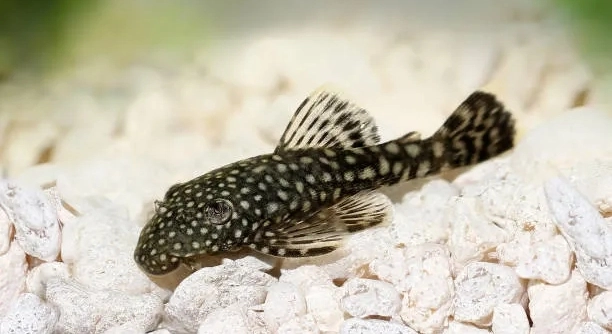
Driftwood is an essential element in a pleco’s environment, offering both dietary benefits and a sense of security. Understanding how much driftwood your pleco needs will ensure a healthy and happy fish in your aquarium.
Plecos require a variety of driftwood, with the ideal amount depending on the size of the tank. A general guideline is to provide at least one large piece for every pleco, but more may be needed in larger aquariums.
Knowing how much driftwood your pleco requires can help you create a more natural and enriching habitat for your fish. Understanding this will also enhance their well-being and behavior.
The Role of Driftwood in a Pleco’s Habitat
Driftwood plays a key role in the well-being of a pleco. In the wild, plecos often find shelter and food in natural wood, making it an important addition to their aquarium environment. Driftwood provides plecos with a surface to graze on, as they feed on the algae and microorganisms that grow on it. Additionally, it helps replicate their natural environment, reducing stress and promoting overall health. Over time, the wood also helps maintain water quality by stabilizing pH levels, which plecos prefer to be on the slightly acidic side.
Plecos need a certain amount of driftwood to mimic their natural habitat. A large piece of driftwood can also offer places for hiding, which is essential for plecos as they are shy creatures. The texture of the wood is particularly important since plecos like to scrape and rasp on surfaces to feed.
Providing enough driftwood is essential for their comfort. The wood also becomes a place for them to rest, especially for plecos that are nocturnal. The right amount of wood ensures they feel secure, reducing stress and helping with their diet.
Benefits of Driftwood for Plecos
Driftwood provides many benefits to plecos. It aids in digestion and gives them a place to hide when they feel threatened. Plecos will also breed more easily when their habitat is comfortable, and driftwood contributes to this comfort.
The benefits of driftwood go beyond just being a place for your pleco to hide. It also serves as an essential part of their diet, as plecos will chew on the wood itself. This can help them wear down their teeth, which is important because plecos continuously grow their teeth throughout their lives. Additionally, driftwood releases tannins into the water, which help lower pH levels, creating a more natural environment for your pleco.
Plecos prefer wood that is softer and will decompose over time. Be sure to choose wood that is safe for aquarium use, such as driftwood from reputable sources. Some woods, like oak, may take longer to break down, but they are still suitable for plecos. The longer the wood stays in the tank, the more beneficial it becomes.
Types of Driftwood Suitable for Plecos
When selecting driftwood for your pleco, it’s important to choose the right type. Softwoods like Malaysian and Mopani wood are popular options. These types decompose slowly, providing a long-lasting food source. Make sure the wood is aquarium-safe to avoid harming your fish.
Malaysian driftwood is widely recommended for plecos because it offers plenty of grazing surface for algae growth. It is dense and sinks naturally, making it a great choice for aquariums. Mopani wood, another good option, provides both hiding spots and surfaces for algae to grow. This type of wood can be used to create natural, darkened water conditions.
It’s also crucial to soak the driftwood before placing it in the tank. This helps remove excess tannins that can discolor the water initially. While some plecos appreciate the darker water, soaking the wood beforehand minimizes the effect of water discoloration.
How Much Driftwood Should You Have?
The amount of driftwood depends on the size of your aquarium and how many plecos you have. Generally, having at least one large piece per pleco is recommended. Larger tanks may require more wood to ensure ample grazing space and hiding areas.
In a 20-gallon tank, one or two pieces of driftwood are sufficient for a single pleco. In larger aquariums, the number of pieces should be increased. If you have multiple plecos, make sure there’s enough space for each to find food and shelter. Plecos are territorial, and having enough driftwood can help prevent aggressive behavior.
Consider the size of the driftwood pieces as well. They should be large enough for your pleco to feel secure but small enough to fit comfortably in your tank without overcrowding it. The goal is to provide a natural environment where your pleco can thrive.
Driftwood Maintenance for Plecos
Driftwood requires minimal maintenance, but it’s important to monitor it regularly. Keep an eye on its condition and look for any signs of excessive decay. If you notice the wood is deteriorating too quickly, remove it from the tank to prevent water quality issues.
Occasionally, clean the driftwood by scrubbing it with a soft brush to remove algae buildup. This ensures the surface remains suitable for plecos to graze on. It’s also essential to replace or add new driftwood if the existing pieces have decomposed too much. Be mindful of the wood’s overall integrity.
Changing or removing old driftwood also helps maintain water clarity and keeps the tank clean. When you replace driftwood, consider introducing new pieces to prevent a sudden shift in the environment for your pleco.
The Impact of Driftwood on Water Parameters
Driftwood has a significant impact on water parameters, especially pH levels. As it breaks down, it releases tannins that lower the pH, making the water slightly more acidic. This is beneficial for plecos, as they thrive in slightly acidic conditions.
If your pleco’s tank water is too alkaline, the driftwood can help create a more suitable environment. However, if you don’t want the water to become too acidic, you should monitor the pH regularly. If needed, use a pH stabilizer to ensure the water remains within a safe range for your pleco.
Though tannins can darken the water, they can also have positive effects by mimicking a pleco’s natural habitat. The darker water reduces stress, as plecos feel more secure in their surroundings.
When to Replace Driftwood
Driftwood should be replaced when it becomes overly soft or begins to break apart. If your pleco has nibbled away most of the surface, it might be time to add fresh wood. This ensures your fish continue to have access to a healthy, natural environment.
FAQ
How long does driftwood last in an aquarium?
Driftwood can last anywhere from a few months to several years, depending on the type and how well it is maintained. Softer woods like Mopani tend to break down more quickly, while harder types, such as Malaysian driftwood, last longer. Over time, the wood will decompose and become softer, which is why regular monitoring is essential. If the driftwood starts deteriorating too much, it can release excess tannins, which might affect water quality.
Can plecos eat the driftwood?
Yes, plecos do eat driftwood. They don’t consume the wood itself, but they graze on the algae and microorganisms that grow on its surface. The action of rasping the wood helps to wear down their teeth, as plecos have continuously growing dental structures. It’s important to have driftwood that is suitable for grazing, like Mopani or Malaysian, to ensure your pleco has a healthy and natural diet.
Does driftwood affect water chemistry?
Yes, driftwood affects water chemistry by releasing tannins into the water. Tannins can lower the pH, making the water more acidic. Plecos thrive in slightly acidic water, so the addition of driftwood can be beneficial for them. However, it’s important to monitor the water’s pH regularly, as too many tannins can cause the pH to drop too low, which can stress your fish. Always check your water parameters and adjust if necessary.
Should I soak driftwood before placing it in my tank?
Yes, soaking driftwood before adding it to your tank is a good idea. Soaking helps to remove excess tannins, which can discolor the water. Additionally, soaking allows the wood to sink, making it more stable in the tank. The process can take anywhere from a few hours to several days, depending on the size and type of the wood. This step also helps reduce the risk of introducing unwanted chemicals or contaminants into your aquarium.
How much driftwood do I need for my pleco?
The amount of driftwood needed depends on the size of your aquarium and the number of plecos. As a general guideline, at least one large piece of driftwood is recommended per pleco. For larger tanks, adding more pieces can help create a natural and comfortable environment. Plecos like to have places to hide and graze, so having enough driftwood will reduce territorial disputes and ensure they have plenty of space to thrive.
Is driftwood necessary for plecos?
While not strictly necessary, driftwood is highly beneficial for plecos. It provides a natural environment, offers places for hiding, and helps maintain the right water conditions. Plecos use driftwood to graze, keeping their teeth healthy and their digestive system in good shape. Without driftwood, your pleco might not feel as secure or comfortable in its tank.
Can I use any type of wood in my aquarium?
Not all types of wood are safe for aquariums. Woods like pine, cedar, or any treated wood should be avoided, as they can release harmful chemicals into the water. Always choose aquarium-safe driftwood, such as Malaysian, Mopani, or bogwood. These types of wood are durable, sink naturally, and provide the right conditions for your pleco to graze and hide.
Do plecos prefer certain types of driftwood?
Yes, plecos often prefer certain types of driftwood, especially those with rough surfaces that allow algae to grow. Malaysian driftwood is particularly popular because it’s dense and sinks easily. Mopani wood is another favorite, as it provides both surfaces to graze and hiding spots. Plecos are more likely to enjoy and feel comfortable with driftwood that mimics their natural habitat.
How do I prevent driftwood from floating?
Driftwood can float initially due to trapped air, but soaking it for several days before adding it to your tank will help it sink. You can also weigh it down with rocks or anchor it in place using aquarium-safe materials. If the driftwood continues to float, consider soaking it for a longer period or choosing a denser wood that sinks more easily.
Can driftwood harm my pleco?
Driftwood itself is generally safe for plecos as long as it is aquarium-safe and not rotting. However, if the wood is too sharp or has rough edges, it could potentially injure your pleco. Additionally, if the wood decomposes too much, it can cause water quality issues, leading to poor water parameters that may harm your pleco. Regularly checking the condition of the driftwood and ensuring it doesn’t become too sharp or deteriorated is key to keeping your pleco safe.
How do I clean driftwood in my aquarium?
Cleaning driftwood is simple. If it’s covered with algae, you can scrub it with a soft brush to remove the buildup. Avoid using harsh chemicals or soap, as these can harm your pleco and other tank inhabitants. If the wood is very dirty or has excessive tannins, you can remove it from the tank, rinse it in warm water, and then soak it again before returning it to the aquarium. Regular cleaning helps maintain a healthy tank environment.
Does driftwood need to be replaced regularly?
While driftwood doesn’t need to be replaced frequently, it’s important to monitor its condition. Over time, it will break down and decompose, releasing tannins into the water. If the wood starts to disintegrate too much or becomes overly soft, it’s time to replace it. You should also add new pieces if the existing driftwood no longer provides adequate grazing surfaces for your pleco. Regular checks ensure your pleco’s environment remains suitable for its needs.
Can driftwood cause cloudy water?
Driftwood can cause cloudy water initially due to the release of tannins and other natural substances as it breaks down. This is common when first adding driftwood to an aquarium. While tannins might discolor the water, they typically don’t cause harm to your pleco. If the water becomes excessively cloudy, you can perform water changes or use activated carbon in your filter to help clear it. Over time, the water should stabilize.
Why is my pleco not eating the driftwood?
If your pleco is not eating the driftwood, there may be a few reasons. It might be that the wood doesn’t have enough algae or microorganisms growing on it, which are the primary food sources for plecos. Additionally, if your pleco is still adjusting to its new environment, it might take some time for it to feel comfortable enough to start grazing. Make sure the driftwood is suitable for plecos and provides the right type of surface for feeding.
Final Thoughts
Driftwood plays a significant role in maintaining a healthy and natural environment for your pleco. It not only serves as a food source, providing algae and microorganisms for grazing, but it also helps replicate their natural habitat. By choosing the right type of driftwood and ensuring there’s enough for your pleco, you can create a comfortable and secure space for them to thrive. The right amount of driftwood also promotes their well-being by allowing them to rest and hide, reducing stress and making them feel more at home.
While driftwood is important, it’s equally essential to monitor its condition over time. As driftwood breaks down, it releases tannins into the water, which can lower the pH and darken the water. Although this can mimic the pleco’s natural environment, too many tannins can cause water quality issues. Regularly checking the driftwood’s condition, along with maintaining your aquarium’s water parameters, ensures that your pleco’s environment stays healthy. If the wood begins to decay or become too soft, it’s time to replace it to avoid any negative impact on the tank.
Remember, the health of your pleco depends on creating a balanced and stable environment. Driftwood is an essential part of this, but it should be part of a larger care routine that includes proper filtration, water changes, and regular monitoring of your pleco’s behavior and diet. By understanding how much driftwood your pleco needs and how to care for it, you’ll be able to provide a habitat that supports both their physical and emotional health. In turn, this will help your pleco live a long and healthy life in your aquarium.

Hello,
If you enjoy the content that we create, please consider saying a "Thank You!" by leaving a tip.
Every little bit helps us continue crafting quality advice that supports the health, happiness, and well-being of pets around the world, for pets of all shapes, sizes, and species.
We really appreciate the kindness and support that you show us!