
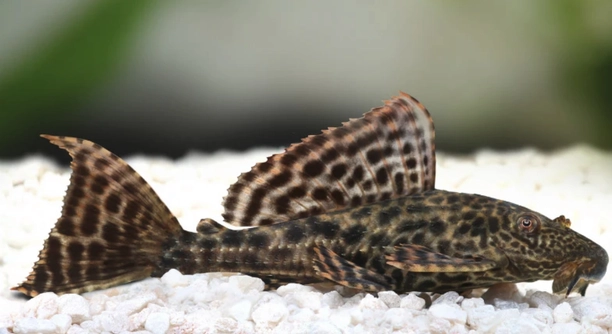
Do you notice your pleco clinging to the glass of your aquarium? This unusual behavior can raise some questions for fish owners, especially when you’re trying to figure out why it happens.
Plecos may cling to the glass due to factors like seeking algae, feeling stressed, or trying to find a better spot to rest. They may also cling because of water quality issues, territorial instincts, or their natural suction abilities.
Understanding why your pleco clings to the glass will help you identify any issues and ensure they are happy and healthy in their environment. Keep reading to find out the potential reasons behind this behavior.
Plecos Are Looking for Algae
Plecos are known for their love of algae. If you see your pleco clinging to the glass, it might be searching for something to munch on. Algae often grows along the tank surfaces, and plecos use their strong suction cups to scrape it off. They typically prefer to feed in areas with a lot of algae buildup, which is why they might stay near the glass or other parts of the tank. If the tank doesn’t have enough algae, they may resort to clinging to the glass to get some nourishment.
Algae growth isn’t just food for plecos; it’s also a part of their natural behavior. A healthy algae presence helps them maintain their instincts and physical health, encouraging natural foraging.
If your pleco clings to the glass often, it could be that the algae available is not sufficient. It may help to provide some algae wafers or place a few rocks with algae on them to give your pleco more of what it needs. Keeping algae growth steady can help your pleco feel more comfortable and keep it from clinging to surfaces in search of food.
Stress from Tank Conditions
Plecos are sensitive to their environment. If the water conditions aren’t ideal, they may exhibit behaviors like clinging to the glass. Changes in water temperature, pH levels, or oxygen content can stress out your pleco. These fish thrive in stable conditions, and anything that disrupts their habitat can make them uncomfortable. When plecos feel stressed, they often seek out a place where they feel secure, and the glass might provide that sense of stability.
When your pleco is stressed, you might also notice it clinging to other surfaces or even hiding in certain areas of the tank. It’s essential to regularly monitor water parameters to ensure your pleco stays in a healthy environment. Adding more plants or hiding spots can help alleviate stress by giving them more choices for comfortable places to rest.
One common issue is fluctuating water temperatures. If the water gets too warm or too cold, your pleco will likely show signs of distress. Testing the water regularly can help prevent such problems. It’s important to create a comfortable and consistent environment to help your pleco feel more at ease and reduce glass-clinging behavior.
Natural Behavior and Territory
Plecos, like many fish, can be territorial. While they are usually peaceful, they may still exhibit behavior like clinging to the glass as they establish their space within the tank. This territorial instinct can become more noticeable if you have multiple plecos or other fish in the same tank. When feeling the need to stake out a territory, they may latch onto the glass for protection or to keep watch over a specific area.
This behavior can be more pronounced during breeding seasons, as plecos may become more protective of their space. If there are plenty of hiding spots or other structures in the tank, this territorial behavior may be minimized. However, if the tank is overcrowded or lacks sufficient hiding places, it can lead to more noticeable clinging behavior.
It’s crucial to consider the tank setup when observing your pleco’s behavior. You can reduce stress and minimize territorial disputes by providing more space and hiding spots. This allows your pleco to feel safer, reducing the need to cling to the glass or other surfaces.
Water Quality Issues
Water quality is one of the biggest factors influencing pleco behavior. If the water is too dirty, polluted, or high in ammonia, your pleco may react by staying close to the glass. A dirty environment can make your pleco feel uneasy and cause it to seek out areas where it might feel safer. In some cases, plecos may even cling to the glass to get closer to the water’s surface, where there’s more oxygen.
Inadequate filtration, overfeeding, or irregular water changes can lead to poor water quality. High nitrate and ammonia levels can harm your pleco, making it feel stressed or uncomfortable. This discomfort can cause the fish to search for cleaner areas, such as the glass, where they may feel the water is fresher or have better oxygen exchange.
To help your pleco, ensure regular water changes, monitor ammonia and nitrate levels, and maintain a strong filtration system. If you notice your pleco clinging to the glass more frequently, it could be a sign of poor water quality. Taking action quickly will help restore a healthy environment for your fish.
Resting Behavior
Plecos are bottom-dwellers by nature, but they also need rest. If your pleco is clinging to the glass, it could simply be resting or seeking a comfortable place to sleep. Unlike other fish that may stay on the tank floor or in caves, plecos sometimes prefer resting on vertical surfaces. The smooth glass provides a secure place to settle for the night or even during the day if they feel comfortable there.
This behavior isn’t usually a sign of stress or discomfort. Instead, it’s just part of their natural rest cycle. If the pleco is healthy and the water conditions are right, it might just prefer hanging on the glass for a little while. It’s important to remember that plecos need to rest, just like other fish, and will often find unique places to do so.
While you might notice this resting behavior at various times, it doesn’t mean there’s something wrong with your pleco. Keeping the tank clean and offering ample hiding spots can help ensure your pleco has enough options for where to rest.
Suction Ability
Plecos are equipped with a strong suction cup-like mouth, which allows them to attach to various surfaces. This natural ability is helpful when they need to cling to glass or rocks. The suction helps them feed on algae and other materials while preventing them from being easily swept away by tank currents.
Their strong suction abilities also allow them to remain in place even when water movement is significant. The glass surface provides a stable area where they can rest, feed, or simply hold on without being disturbed. This behavior is completely natural and necessary for their survival.
It’s not uncommon for plecos to use their suction ability on glass or other surfaces in the tank. If the tank is well-maintained, you’ll notice your pleco using this method to clean surfaces. It’s a sign of healthy foraging behavior, so don’t be alarmed if they spend extended periods clinging to the glass.
Tank Size and Space
Plecos need plenty of space to move around. If they are kept in a tank that’s too small, they may start to feel confined. When feeling cramped, plecos may resort to clinging to the glass as a way to find more room or as a response to stress. Overcrowding can amplify this behavior, as plecos often need a larger area to thrive.
A properly sized tank ensures your pleco has enough space to swim and find hiding places. If the tank is too small, plecos may not have enough places to settle, leading them to cling to surfaces like the glass to feel more secure. Giving them room to roam reduces their need to stay in one spot.
It’s important to research the specific needs of the pleco species you have. Some plecos can grow quite large and need a tank that can accommodate their size and behavior. A tank that meets the size requirements will make your pleco more comfortable and reduce its need to cling to glass surfaces.
Overfeeding
Overfeeding can cause imbalances in the tank, affecting your pleco’s behavior. If there’s too much leftover food in the tank, it can lead to poor water quality, which in turn stresses your pleco. When the tank isn’t clean, your pleco may cling to surfaces in search of cleaner water or algae.
Feeding your pleco in moderation is key. Too much food not only harms water quality but can also prevent your pleco from naturally foraging. To avoid overfeeding, offer small portions and remove uneaten food promptly to ensure the tank stays clean and your pleco remains healthy.
Temperature Fluctuations
Temperature changes in the tank can cause stress, which may lead to clinging behavior. Plecos are sensitive to temperature and prefer stable conditions. If the water is too warm or too cold, they may seek out a spot on the glass to try to find better water flow or temperature.
Providing a consistent water temperature helps reduce stress and promotes a healthy environment for your pleco. Adding a reliable heater and thermometer to monitor water temperature will ensure your pleco stays comfortable. Stability is essential to keep them from resorting to glass-clinging behavior due to environmental changes.
Improper Lighting
Improper lighting can also contribute to a pleco’s behavior. If your pleco is kept in a tank with bright lights, it may become stressed or disoriented, causing it to cling to the glass for refuge. Plecos are more active at night, and bright tank lighting can disrupt their natural cycle.
To provide your pleco with the best environment, consider adjusting the lighting schedule to match their natural preferences. A low-light or dim tank setup can help reduce stress and allow your pleco to feel more at ease, encouraging natural behavior instead of glass-clinging.
FAQ
Why does my pleco stay stuck to the glass all the time?
Plecos often cling to the glass because they’re searching for food, like algae. Their strong suction ability makes it easy for them to stay attached to vertical surfaces. If there is enough algae on the glass, this could be their way of getting a meal. If they’re constantly stuck to the glass, it might also be a sign that the water conditions aren’t ideal, or they’re feeling stressed and looking for a safe, stable spot.
Can I stop my pleco from clinging to the glass?
If you want to reduce your pleco’s glass-clinging behavior, the best approach is to provide a stable, well-maintained environment. Ensure that the water quality is high, the temperature is stable, and the tank is appropriately sized. Offering a variety of hiding spots or decorations like rocks or plants can give your pleco alternatives to cling to. Also, providing algae wafers and other food will keep your pleco from depending on the glass for food.
How can I tell if my pleco is stressed or just resting on the glass?
Stressed plecos may stay clinging to the glass for extended periods, but they may also exhibit other signs of stress. These signs can include rapid breathing, lack of appetite, unusual hiding, or aggression toward tank mates. If your pleco is simply resting, it may be attached to the glass for a few hours or overnight but will appear relaxed and calm. Monitor your pleco’s behavior to see if other stress signals show up.
Is it normal for a pleco to cling to the glass during the day?
Yes, it’s normal for plecos to cling to the glass during the day, especially if they are feeding or resting. Plecos are more active at night, but they sometimes remain attached to surfaces during the day for security. However, if it’s excessive and accompanied by other signs of distress, it’s worth checking your tank conditions.
How do I know if my pleco needs more algae?
If your pleco spends a lot of time clinging to the glass, it could be trying to find algae. If there is insufficient algae in your tank, consider adding algae wafers or creating more algae-covered surfaces in the tank. You can also add plants that encourage algae growth naturally. If your pleco seems to eat the algae quickly, it’s a good sign that they need more food.
Could my pleco be sick if it’s always stuck to the glass?
While it’s possible for a pleco to stay on the glass due to illness, it’s not always the case. If your pleco is healthy but simply resting or feeding, there’s likely nothing to worry about. However, if the pleco’s behavior changes suddenly, such as staying stuck to the glass for days and showing little to no interest in food, you may need to examine other symptoms, such as pale coloration, lesions, or abnormal swimming behavior. In such cases, it’s a good idea to consult a veterinarian or aquatic specialist.
How often should I clean the glass to prevent pleco clinging?
While cleaning the glass is important, over-cleaning can sometimes disrupt your pleco’s natural feeding behavior. Clean the glass regularly to prevent excessive algae buildup but don’t scrub away all algae completely. If your pleco depends on the algae for food, ensure there’s still some left for them to forage. Cleaning the glass once a week or as needed should keep things balanced.
What water conditions can cause my pleco to cling to the glass?
Plecos can react negatively to poor water conditions, such as high ammonia levels, low oxygen, or fluctuating temperatures. When these factors aren’t in balance, your pleco may cling to the glass, trying to find better conditions or a place to feel safe. It’s important to regularly test the water to ensure pH, ammonia, and nitrate levels are within acceptable ranges. A consistent temperature and proper filtration will help keep your pleco healthy and comfortable.
Can overfeeding cause plecos to cling to the glass?
Yes, overfeeding can contribute to plecos clinging to the glass. Excess food left in the tank can lead to poor water quality, which can cause stress. If the water is contaminated, plecos might cling to the glass in search of cleaner areas to breathe. Make sure to feed your pleco only as much as it can consume in a few minutes, and remove any uneaten food to maintain water quality.
Do plecos need a lot of oxygen to stay off the glass?
Plecos are generally fine with moderate oxygen levels, but poor oxygenation can stress them. If the oxygen level in the tank is low, plecos may cling to the glass near the water surface where there is better oxygen exchange. Using a high-quality filter or air stone can help maintain proper oxygen levels in the tank, reducing the need for plecos to seek oxygen-rich areas on the glass.
Final Thoughts
Plecos are fascinating fish with unique behaviors, and clinging to the glass is one of the more noticeable traits. While it might seem odd at first, it’s often a natural behavior tied to their instincts, feeding habits, and environmental needs. Understanding why your pleco clings to the glass can help you provide the best possible care for them. Whether it’s due to seeking algae, resting, or adjusting to water conditions, observing your pleco’s behavior closely will give you insight into what might be going on.
The key to reducing excessive glass-clinging behavior lies in maintaining a balanced tank environment. Keep the water clean, monitor temperature and pH levels, and ensure there is enough space and hiding places. If you notice your pleco clinging to the glass often, it could be an indication of stress or discomfort, so taking care of the tank’s water quality and overall setup can help your pleco feel more comfortable. Providing a healthy, stable environment encourages natural foraging and reduces unnecessary stress, giving your pleco a better chance at thriving.
In the end, while occasional glass-clinging is normal, it’s important to remember that plecos are sensitive creatures. By ensuring that their environment meets their needs, you can minimize any negative behaviors and help your pleco lead a healthier, happier life. Keeping their tank clean, offering them the right foods, and providing ample space will help them feel secure and comfortable. Always pay attention to your pleco’s behavior and adjust accordingly to create the best home for them.

Hello,
If you enjoy the content that we create, please consider saying a "Thank You!" by leaving a tip.
Every little bit helps us continue crafting quality advice that supports the health, happiness, and well-being of pets around the world, for pets of all shapes, sizes, and species.
We really appreciate the kindness and support that you show us!