
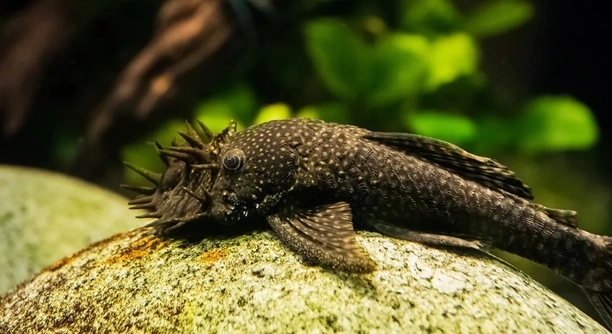
Plecos are popular aquarium fish known for their algae-eating habits and peaceful nature. While they thrive in many environments, keeping them without a filter presents a unique challenge. Here’s how you can care for them in a filter-free tank.
Managing a pleco tank without a filter requires careful attention to water quality, tank size, and maintenance. Regular water changes, proper tank setup, and natural filtration methods like live plants are essential for keeping the environment healthy and the pleco happy.
Maintaining a filter-free pleco tank is entirely possible with the right steps. From tank size to water care, we’ll guide you through easy yet effective tips to help keep your pleco thriving in a natural, filterless environment.
Choosing the Right Tank Size
When setting up a pleco tank without a filter, it’s important to start with the right tank size. Plecos can grow quite large, so they need ample space to swim and thrive. A minimum of 75 gallons is recommended for one adult pleco. This space will help reduce waste buildup and provide enough oxygen for your fish. Larger tanks give you more room to use natural filtration methods, like plants and proper substrate, which help keep water clean. Additionally, the more water volume, the easier it is to maintain a stable environment.
A small tank is more likely to develop water quality issues quickly. If you’re planning to keep plecos without a filter, a bigger tank will make a big difference in maintaining balance.
Larger tanks allow you to manage water quality more effectively by spreading out waste. More surface area also means better gas exchange, which helps oxygen levels. You can also add live plants and a proper substrate to help absorb excess nutrients. However, regular maintenance is still required to keep the water clean and clear. Test your water frequently for ammonia, nitrite, and nitrate levels, and perform regular water changes to maintain a healthy environment for your pleco. Over time, you’ll find the balance that works best for your setup.
Water Quality and Regular Maintenance
Water quality is crucial for plecos, especially in a filterless tank. Without a filter to keep things clean, the responsibility of maintaining good water falls entirely on you. Regular water changes, at least 25% weekly, will keep the water free from harmful toxins and waste buildup. Using a water conditioner can also help remove chlorine or chloramine, which can harm your pleco.
The key to keeping your pleco healthy is consistency. Make sure to monitor the water parameters regularly and stay on top of maintenance. Clean the tank with a siphon to remove debris from the substrate. By maintaining the water quality, you’ll create a safe environment for your pleco to thrive in, without the need for a filter.
Use Live Plants for Natural Filtration
Live plants help keep your tank’s water clean by absorbing excess nutrients, which can otherwise lead to algae growth and poor water quality. Plants like Java fern, Anubias, or Amazon swords are ideal for pleco tanks, as they can thrive in low-light conditions. The roots will also help break down organic waste naturally.
Adding plants does more than just keep the tank beautiful. They provide hiding spots for plecos, offering them a sense of security. The plants also help oxygenate the water, which is especially important in a tank without a filter. Over time, these plants will grow and create a balanced, more natural environment for your pleco.
To get the most from live plants, it’s important to choose the right species and provide the proper care. Some plants may need additional nutrients or lighting to thrive. Be sure to research the plants you choose and maintain them properly. Regular pruning will also help prevent the plants from taking over the tank or creating an overgrowth of debris.
Maintain a Healthy Substrate
A clean substrate is essential for keeping water quality high in a filterless tank. A fine gravel or sand substrate works best because it allows waste to settle at the bottom, making it easier to siphon out during water changes. Make sure the substrate is deep enough to help with biological filtration but not too deep to trap waste.
Avoid using large rocks or coarse gravel that can create spaces for debris to build up. The right substrate helps promote the growth of beneficial bacteria, which naturally break down waste and toxins in the water. This reduces the need for a filter, allowing your tank to function more naturally.
Be mindful of how often you clean the substrate. Using a gravel vacuum during water changes can help remove detritus and keep the tank from becoming too polluted. Keeping the substrate in good condition is an important part of managing a pleco tank without a filter, allowing for healthy growth of both plants and your pleco.
Monitor Feeding Habits
Overfeeding is one of the easiest ways to pollute your pleco tank. Leftover food decays, releasing toxins into the water. Feed your pleco only what they can consume in a few hours, and remove any uneaten food after that time. This keeps the water cleaner and reduces the need for frequent water changes.
Pay attention to the amount of food you give your pleco. They are bottom feeders, and they may leave uneaten food at the bottom of the tank. A good rule is to feed small amounts of food multiple times a day, instead of one large feeding. This prevents food from accumulating and keeps the tank healthier for longer.
Add an Air Pump for Oxygenation
Even without a filter, you can still keep oxygen levels high in the tank by using an air pump. Air pumps help promote water movement, ensuring that oxygen reaches all parts of the tank, especially for the pleco. They also prevent stagnant areas where waste can build up.
An air pump is a simple, cost-effective way to increase oxygen levels, especially in a large tank. The added movement also prevents the growth of harmful bacteria. If your tank has a lot of live plants, an air pump will improve gas exchange, benefiting both the plants and the fish.
Keep the Water Temperature Stable
Plecos prefer stable water temperatures between 75°F and 80°F. Fluctuations in temperature can cause stress and make them more susceptible to disease. Use a reliable heater to maintain a consistent temperature, especially during colder months. Regularly check the temperature with a thermometer to ensure it stays within the ideal range.
FAQ
How often should I change the water in a pleco tank without a filter?
In a tank without a filter, water changes should be done at least once a week, with about 25-30% of the water replaced. The absence of a filter means waste and toxins will accumulate faster, so regular changes are necessary to maintain water quality. Make sure to use a water conditioner to remove chlorine or chloramine and prevent harm to your pleco. If your tank is heavily stocked or your pleco is particularly large, you may need to increase the frequency of water changes.
What type of tank mates can plecos have without a filter?
Plecos are peaceful and do well with other non-aggressive fish, as long as they have enough space. Good tank mates include tetras, guppies, and other peaceful bottom dwellers. However, it’s important to avoid overstocking the tank, as this can increase waste production and stress the water quality. Some fish can produce a lot of waste, so make sure to choose tank mates that won’t overcrowd your filterless setup. Keep an eye on your pleco’s behavior and the overall health of your tank to ensure a balanced ecosystem.
Can I use a sponge filter instead of a traditional filter?
Yes, a sponge filter can be a great alternative in a filterless tank. While it still provides filtration, it is much gentler and doesn’t cause strong water currents that might stress plecos. Sponge filters also provide both mechanical and biological filtration, helping to remove waste and promote the growth of beneficial bacteria. If you are trying to maintain a low-tech, filterless setup, a sponge filter can give you an extra layer of security, especially for water quality. Just make sure to clean it regularly so it doesn’t become clogged with debris.
Do plecos need light in their tank?
Plecos do not need constant light, but they do benefit from a regular light cycle to simulate day and night. A low-level aquarium light is usually sufficient, especially if you are keeping live plants. However, plecos are nocturnal and prefer dimmer conditions during the day. Too much light can stress them out or encourage algae growth. You can provide a natural light cycle by turning the aquarium light on for about 8-12 hours a day. At night, they will be more active when the lights are off.
What plants are best for a pleco tank without a filter?
Plants like Java fern, Anubias, and Amazon swords work well in a pleco tank without a filter. These plants are hardy, low-maintenance, and can survive in low light, making them perfect for a filterless setup. Live plants help with water quality by absorbing excess nutrients and providing oxygen. They also give plecos a natural environment to explore, creating hiding spots and offering security. Ensure your plants are well-maintained by trimming dead leaves and checking for any overgrowth that could clog the tank.
How do I prevent algae growth in a filterless pleco tank?
Algae growth is common in tanks without a filter, especially if there’s excess light or nutrients. To manage algae, try reducing the amount of light your tank receives, limiting it to about 8 hours per day. You can also manually remove visible algae from the tank walls and decorations. Adding algae-eating plants like Java moss or having additional algae-eating fish, such as snails or certain types of shrimp, can help control algae. Just remember to balance the plant and algae population to ensure the tank remains healthy.
Can I use a gravel vacuum in a pleco tank without a filter?
Yes, using a gravel vacuum is a great tool for maintaining a clean substrate, especially in a filterless tank. The vacuum helps remove waste, uneaten food, and debris that accumulate at the bottom of the tank. Be sure to perform regular siphoning during water changes to keep the substrate clean and prevent any buildup that could affect water quality. The vacuum can also help ensure that the beneficial bacteria in the substrate aren’t disturbed, as long as you avoid disturbing the top layer too much.
How can I ensure my pleco’s health without a filter?
The key to maintaining your pleco’s health in a filterless tank is regular maintenance and attention to water quality. Frequent water changes, maintaining stable water temperature, and monitoring feeding habits are crucial. Test the water for ammonia, nitrite, and nitrate levels regularly. If any of these levels get too high, it can cause harm to your pleco. Additionally, ensuring that your pleco has access to hiding spots and a clean environment will keep them healthy and happy. Live plants can help improve water quality and provide shelter, contributing to your pleco’s overall well-being.
How do I control waste levels in a pleco tank without a filter?
Controlling waste levels in a filterless pleco tank comes down to regular water changes, careful feeding, and using natural filtration methods like live plants. Make sure not to overfeed your pleco and remove any uneaten food within a few hours. A well-maintained substrate with a gravel vacuum will also help reduce waste accumulation. Live plants absorb excess nutrients and help break down organic waste. Additionally, monitor the tank’s ammonia, nitrite, and nitrate levels frequently to ensure that waste doesn’t build up to dangerous levels.
Is it okay to keep a pleco in a tank with no filter at all?
Yes, it’s possible to keep a pleco in a tank without a filter, but it requires more attention and care. You’ll need to make sure the tank is large enough, around 75 gallons or more, to handle waste and maintain water quality. Regular water changes, careful feeding, and using natural filtration methods like live plants will be necessary. While plecos can survive without a filter, their well-being depends on your ability to maintain a balanced environment. If you’re not able to keep up with maintenance, adding a filter might be a better option for your pleco’s health.
Final Thoughts
Caring for plecos in a tank without a filter is completely doable, but it requires careful attention to detail. The most important factors to keep in mind are water quality, tank size, and maintenance. Without a filter to help manage waste, you’ll need to take on the responsibility of keeping the water clean and stable. Regular water changes are essential to remove excess nutrients and waste that can build up. Additionally, keeping the tank well-maintained with things like live plants and a clean substrate will help create a natural balance.
One of the best ways to keep a filterless pleco tank healthy is by using live plants. Plants help absorb excess nutrients, keeping the water cleaner and preventing algae from taking over. They also provide much-needed hiding spots for your pleco, which is especially important as they are often shy and nocturnal. Adding plants like Java fern or Anubias can make your tank look beautiful while benefiting both the fish and the overall water quality. Don’t forget about substrate care—keeping the gravel or sand clean will help prevent waste from building up and harming your pleco.
Ultimately, the success of a filterless pleco tank depends on consistency. You’ll need to stay on top of the water changes, check the water parameters regularly, and ensure that the tank isn’t overcrowded with fish. Overfeeding can also quickly lead to water quality issues, so be mindful of how much food you’re giving your pleco. With the right setup and care, a pleco tank without a filter can thrive, providing a healthy environment for your fish while keeping maintenance manageable.

Hello,
If you enjoy the content that we create, please consider saying a "Thank You!" by leaving a tip.
Every little bit helps us continue crafting quality advice that supports the health, happiness, and well-being of pets around the world, for pets of all shapes, sizes, and species.
We really appreciate the kindness and support that you show us!