
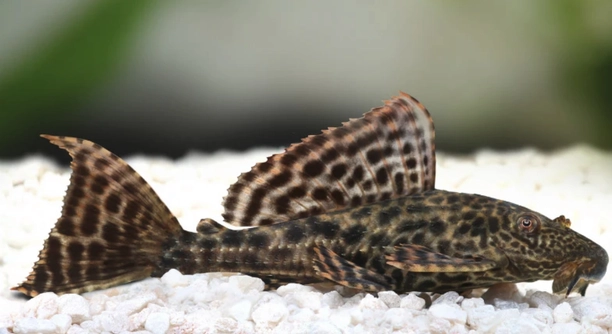
Plecos are popular aquarium fish known for their algae-eating habits, but sometimes they stop eating. This change in behavior can be concerning for their owners. Understanding why plecos may stop eating can help address the issue and ensure their well-being.
If a pleco stops eating, it may indicate stress, poor water quality, or health issues. Without proper nutrition, plecos can become weak and may eventually die. Ensuring optimal conditions is crucial for their survival.
Identifying the root cause of your pleco’s loss of appetite is essential to finding a solution. Proper water conditions, diet, and routine care can help keep your fish healthy and happy.
Why Would a Pleco Stop Eating?
Plecos are generally known to be hardy fish, often seen munching on algae or leftovers in an aquarium. If a pleco stops eating, it’s usually a sign that something is wrong. Stress, poor water quality, and illness are some of the common reasons for this behavior. For instance, if the water parameters such as pH, temperature, or ammonia levels are not within the ideal range, a pleco may become stressed and lose its appetite. Similarly, any sudden changes in the environment, like tank mate introductions or noisy surroundings, can also cause stress. Illnesses like parasites or internal issues can affect their ability or desire to eat, leaving them lethargic and uninterested in food.
It’s also important to note that plecos are nocturnal creatures, so they may not always eat when you expect them to. They could be eating at night when the aquarium lights are off. However, a long period of no eating, especially during the day, can indicate that something isn’t quite right.
The Impact of Poor Water Quality
Water quality plays a big role in a pleco’s appetite. If the water contains high levels of toxins or fluctuates in temperature, it can cause stress and reduce feeding. Keeping the tank clean with regular water changes, proper filtration, and monitoring of water parameters is essential for keeping your pleco healthy.
Plecos are sensitive to poor water conditions, and even slight changes in their environment can affect their behavior. High levels of ammonia, nitrites, or nitrates can make the fish feel unsafe. When they feel unsafe, they often stop eating or become lethargic. Regular testing of your water can help catch problems early before they affect your pleco’s health.
Identifying Illness in Plecos
If water quality isn’t the problem, then your pleco might be ill. Fish illnesses can often go unnoticed because plecos tend to hide their symptoms. However, signs of disease can include faded coloration, unusual swimming patterns, or visible spots on the body. If your pleco shows any of these signs, it’s important to take action. Parasitic infections, internal worms, and bacterial infections can all cause loss of appetite.
Treating these issues early on can prevent further complications. If the pleco’s behavior changes dramatically, a visit to an aquarium veterinarian or an experienced fish keeper can help identify and treat the problem. In the meantime, ensure that the tank remains clean and water parameters stay within the optimal range to reduce stress.
What Can You Do to Help Your Pleco?
If your pleco isn’t eating, the first step is to ensure the water quality is up to par. Test the water regularly for ammonia, nitrites, and nitrates, and make necessary adjustments if levels are off. Adjusting the water temperature and making sure it’s within the optimal range can also help. Keep your pleco’s tank peaceful, with minimal disruptions, to prevent stress.
It’s also important to offer a variety of foods. While plecos typically graze on algae, they also enjoy sinking pellets, fresh vegetables, and blanched foods like zucchini or cucumber. If the pleco is ill, a special medicated food or treatment might be needed. As a last resort, you might want to quarantine the fish in a separate tank to help it recover without the stress of competition from other fish.
Stress Factors Affecting Plecos
Stress is one of the main reasons a pleco might stop eating. Changes in the aquarium, such as new tank mates or loud noises, can make them feel unsafe. It’s important to maintain a stable environment, as plecos are sensitive to disturbances.
Adding new fish or decorations too quickly can cause your pleco to hide and lose its appetite. These changes alter the pleco’s comfort zone, and it may not eat until it feels more secure. Consistently monitoring water parameters, along with minimal disruptions, will help the pleco stay calm and comfortable in its home.
Plecos are also sensitive to overcrowding. If there are too many fish in the tank, it can cause aggression or territorial behavior that will stress your pleco. Stress is a silent issue, and when plecos feel it, they can become reluctant to eat. Providing enough space for each fish can make a significant difference in their overall well-being.
How Diet Affects Plecos’ Appetite
The type of food you provide plays a key role in your pleco’s health. Offering a varied diet can encourage a pleco to eat and stay active. Besides algae, they enjoy vegetables like zucchini, spinach, and cucumber.
If your pleco refuses food, try introducing different options like sinking pellets or wafers. These foods are designed specifically for bottom-dwelling fish and can appeal to their natural feeding habits. You can also try feeding them live or frozen foods, such as brine shrimp or bloodworms, to see if they respond better to these protein-rich meals.
It’s essential to avoid overfeeding, as uneaten food can affect the water quality and lead to other health problems. Monitor how much food is consumed, and remove excess to prevent water pollution. A balanced, varied diet ensures your pleco gets the nutrients it needs, helping it feel healthy and hungry.
The Role of Water Temperature and pH
Water temperature and pH levels directly influence a pleco’s ability to eat. If the water is too cold or too warm, your pleco may become sluggish and lose interest in food. Maintaining a consistent temperature between 75-80°F (24-27°C) is ideal for most plecos.
The pH level should be between 6.5 and 7.5, depending on the species. Extreme fluctuations in pH can stress the pleco and hinder its digestion. If you notice that your pleco isn’t eating, check both temperature and pH to ensure they’re in the proper range. If necessary, make adjustments slowly to avoid shocking the fish.
Small changes in water temperature or pH are enough to make a pleco feel unwell. By keeping the water within the ideal parameters, you can create a stable environment where your pleco feels comfortable eating and staying healthy.
Illnesses That Affect Plecos’ Eating Habits
If a pleco stops eating despite optimal water conditions, illness could be the underlying issue. Common problems include parasites, bacterial infections, and internal worms. These can cause lethargy, discolored skin, or bloating.
If your pleco is visibly sick, you might notice it swimming erratically or hiding more than usual. It may also have a dull appearance, indicating a lack of appetite due to illness. When these symptoms appear, it’s time to act quickly. Medications for specific illnesses are available, and a quarantine tank may be necessary to treat the infected fish away from others.
In some cases, plecos may refuse food due to internal parasites or worms that affect digestion. These infections can be treated with medicated food or by using tank treatments. Early detection is key to preventing further complications that could worsen your pleco’s health.
Tank Size and Space Requirements
Tank size is crucial for the well-being of plecos. A cramped tank can increase stress, making your pleco less likely to eat. Ensure the tank is large enough for them to move around comfortably, especially as plecos can grow quite large.
Plecos need plenty of space to swim and find food. If they’re confined in a small tank with little room to roam, it can cause them stress, leading to a loss of appetite. A tank size of at least 30 gallons is recommended for most species, with larger plecos needing even more space.
Overcrowding and Tank Mates
Overcrowding can stress plecos, causing them to stop eating. When there are too many fish in the tank, it leads to competition for space and food. This can make your pleco feel threatened and less likely to eat.
Ensure your pleco has enough space and isn’t being harassed by other fish. Some species may be more aggressive, especially during feeding times. Having peaceful tank mates will reduce stress and encourage your pleco to eat and thrive. Make sure the community is well-balanced.
Feeding Schedule and Habits
Plecos are nocturnal, so they may not eat during the day when you are watching. They tend to feed at night when the tank lights are off. If you’re unsure whether your pleco is eating, try observing it during the evening hours.
FAQ
Why isn’t my pleco eating?
There could be several reasons why your pleco isn’t eating. Stress, poor water quality, or illness are the most common causes. If the water parameters are off, such as high ammonia or fluctuating temperature, your pleco might feel unsafe or uncomfortable. It’s important to check water conditions regularly and make sure they are within the ideal range for your pleco’s species. If everything seems fine with the water, then illness might be the issue. Look for other symptoms, like unusual swimming behavior or visible spots, which could indicate a disease.
How can I encourage my pleco to eat?
First, check your water quality. If it’s not ideal, your pleco may not feel like eating. After that, try offering different types of food, such as sinking pellets, blanched vegetables like zucchini, or even frozen foods like brine shrimp. Plecos are bottom feeders and prefer food that sinks to the bottom. If your pleco still isn’t eating, try feeding at night when they are most active. Be patient and give them time to adjust to different foods.
Can my pleco stop eating because of tank mates?
Yes, tank mates can influence your pleco’s eating habits. If there are aggressive or overly dominant fish in the tank, it could be intimidating your pleco, causing stress and a loss of appetite. Plecos may also stop eating if they’re being outcompeted for food. It’s important to choose peaceful tank mates that won’t stress your pleco. If your pleco seems to be bullied, consider moving it to a separate tank or rearranging the aquarium to give your pleco more hiding spots and space.
What should I do if my pleco stops eating for a long time?
If your pleco hasn’t eaten for a prolonged period (several days to a week), it’s time to take action. Check the water quality first. Poor water conditions are often the root cause of stress and loss of appetite. If the water is fine, consider whether your pleco could be sick. Look for other signs of illness, such as abnormal swimming, bloating, or discolored skin. If the problem persists, it’s a good idea to consult an aquarium vet for a proper diagnosis and treatment.
Do plecos need special food to eat?
While plecos are known for grazing on algae, they require a varied diet to stay healthy. Algae alone isn’t enough to meet all their nutritional needs. Supplementing their diet with sinking pellets or wafers that contain fiber, vitamins, and minerals is important. Plecos also enjoy fresh vegetables like zucchini, cucumber, and spinach. Some species may also benefit from occasional protein-rich foods such as brine shrimp or bloodworms. A balanced diet will keep your pleco active and healthy.
Is it normal for plecos to eat at night?
Yes, plecos are nocturnal creatures, so they are most active and eat primarily at night. It’s completely normal for them to eat when the lights are off and the aquarium is quieter. If you’re worried that your pleco isn’t eating during the day, try feeding them in the evening when they are more likely to come out to search for food. It’s best to feed plecos after the lights go out to match their natural behavior.
What is the best temperature for plecos?
Most plecos thrive in a temperature range of 75-80°F (24-27°C). If the water is too cold, your pleco may become lethargic and stop eating. On the other hand, water that is too hot can lead to stress, which can also affect their appetite. Regularly monitor the water temperature with a reliable thermometer to ensure it remains stable. If your tank’s temperature fluctuates too much, it could be causing your pleco unnecessary stress. A heater with a thermostat can help maintain a steady temperature.
Can plecos get stressed from too much light?
Yes, excessive light can stress plecos, especially because they are nocturnal. Bright lights can disrupt their natural behavior and feeding schedule. It’s a good idea to keep the lights dim or turn them off completely at night. If you need to keep the tank illuminated during the day, try to provide areas of the tank where your pleco can hide in the shade. This will help your pleco feel more secure and may encourage it to eat.
How often should I feed my pleco?
Plecos should be fed once a day, but you can offer food every other day if the tank is large enough and has plenty of natural food sources like algae. Be careful not to overfeed, as excess food can pollute the water and lead to poor water quality. Monitor how much your pleco eats in one sitting and remove any uneaten food after a few hours. If your pleco is not eating, try adjusting the type of food you offer or the feeding time to match its natural feeding habits.
Can water changes make my pleco stop eating?
Water changes themselves won’t directly cause a pleco to stop eating, but if the water change is sudden or the parameters fluctuate drastically, it can cause stress. Plecos are sensitive to rapid changes in their environment, including temperature, pH, and salinity. To avoid stressing your pleco, make sure any water changes are gradual. Perform smaller, more frequent water changes rather than large, sudden ones. This will help maintain a stable environment and prevent your pleco from feeling stressed.
Are plecos hard to care for?
Plecos are generally hardy fish, but they do require proper care to thrive. Regular maintenance, such as water changes, monitoring water quality, and feeding a varied diet, is essential. They can be sensitive to water quality and stress, so it’s important to keep their environment stable. As long as you meet their needs, plecos can be relatively easy to care for. However, their size and feeding habits can make them more demanding in larger tanks, so it’s crucial to plan accordingly.
Final Thoughts
Plecos are generally hardy and easy to care for, but they can be sensitive to changes in their environment. When a pleco stops eating, it can be a sign of stress, illness, or poor water quality. It’s important to carefully monitor water conditions, including temperature, pH, and ammonia levels, to ensure they’re within the optimal range. A stable and clean environment is crucial for keeping your pleco healthy and active. By making small adjustments to water parameters and the overall tank setup, you can often help your pleco feel more comfortable and encourage it to eat again.
Diet is another key factor when it comes to getting your pleco to eat. While they can thrive on algae, it’s essential to provide a varied diet to meet their nutritional needs. Offering sinking pellets, fresh vegetables, or even live foods can help stimulate their appetite. Plecos are nocturnal, so if you’re not seeing them eat during the day, try feeding them at night when they are naturally more active. Being patient and giving them time to adjust to different food types can often help resolve the issue.
Lastly, always be mindful of your pleco’s tank mates and overall tank conditions. Overcrowding, aggressive fish, or constant disturbances can cause stress, making your pleco less likely to eat. It’s essential to ensure your pleco has enough space and a peaceful environment to thrive. If your pleco continues to refuse food despite taking the right steps, illness could be the cause, and seeking professional advice or treatment may be necessary. Proper care and attention to these factors will help ensure your pleco remains healthy, happy, and well-fed.

Hello,
If you enjoy the content that we create, please consider saying a "Thank You!" by leaving a tip.
Every little bit helps us continue crafting quality advice that supports the health, happiness, and well-being of pets around the world, for pets of all shapes, sizes, and species.
We really appreciate the kindness and support that you show us!