
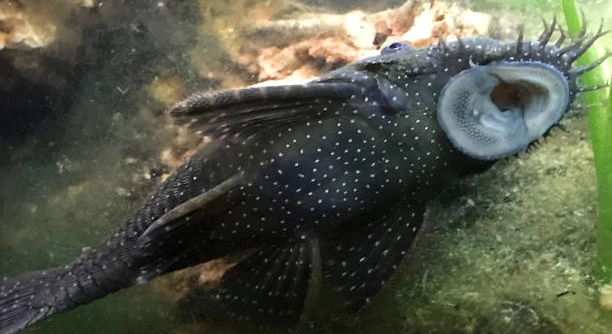
Sometimes, it can be concerning when your pleco is laying upside down. Observing unusual behavior in your fish can be worrying, but understanding the reasons behind it can help ensure your pleco’s well-being.
The primary reason a pleco may lay upside down is due to swim bladder issues, which affect their buoyancy. This can occur from overfeeding, stress, or even a bacterial infection. In some cases, it might indicate a more severe health problem.
Knowing what’s causing your pleco’s behavior can help you decide the best course of action. Whether it’s adjusting their environment or seeking medical advice, there are ways to improve their condition.
Understanding Swim Bladder Disorder
Swim bladder disorder is one of the most common causes of a pleco laying upside down. The swim bladder is an internal organ that helps fish maintain their buoyancy. When it’s not functioning properly, it can cause them to float on their backs or struggle to stay upright. Several factors can contribute to this issue, such as overfeeding, rapid temperature changes, or bacterial infections. It’s important to observe your pleco’s behavior carefully. If they seem lethargic or have trouble swimming, it may indicate a problem with their swim bladder. In mild cases, adjusting their diet or water conditions can help. However, in severe cases, medical treatment may be needed.
You can try feeding your pleco smaller portions and adjusting the water temperature to stabilize their condition. It’s essential to monitor their activity closely to see if the situation improves.
If your pleco doesn’t show signs of improvement after a few days, it’s a good idea to consult with an aquarium specialist or vet to get further advice.
Overfeeding and Poor Diet
Overfeeding can cause digestive issues that lead to swim bladder problems.
Feeding your pleco too much or providing the wrong type of food may affect its digestion, leading to constipation. This can cause bloating, making it difficult for the fish to maintain its balance. Be sure to feed your pleco only what it can eat in a few minutes and avoid overfeeding. Overfeeding not only affects their buoyancy but can also lead to poor water quality. The uneaten food decomposes in the tank, which can create ammonia spikes, further stressing the fish. To avoid this, remove any uneaten food after a few minutes and keep your tank’s water clean.
Feeding your pleco a balanced diet of algae, sinking pellets, and occasional vegetables will help prevent issues. Stick to recommended feeding schedules and be mindful of portion sizes.
Stress and Environmental Factors
Stress can play a major role in your pleco’s behavior, especially when it leads to them laying upside down. Changes in the tank, such as new tank mates, excessive noise, or sudden movements, can cause anxiety in fish.
A stressed pleco may exhibit unusual behaviors like laying on its back or hiding. Stress can weaken the immune system, making it more vulnerable to infections, including swim bladder issues. To minimize stress, make sure the environment is stable and peaceful. Keep the water parameters in check, like pH, temperature, and hardness. Consistent lighting and avoiding sudden changes will also help.
You should also avoid overcrowding the tank. A cramped environment can increase stress and reduce oxygen levels, which directly impacts your pleco’s health. Take steps to create a calming and balanced environment for your pleco to thrive.
Bacterial Infections and Health Issues
Bacterial infections are another possible cause of a pleco lying upside down. These infections can affect internal organs, including the swim bladder.
If your pleco’s condition worsens or includes swelling, loss of appetite, or abnormal coloration, it may be suffering from a bacterial infection. In this case, isolating the infected fish in a quarantine tank can help prevent the spread to other fish. Antibiotics may be necessary for treatment. You can find medicated food or water treatments that target specific bacterial infections. Be sure to follow the instructions carefully to avoid complications.
Early treatment is key to preventing long-term damage, so keep an eye out for any signs of illness. Regular water changes, good tank hygiene, and proper diet are essential to keeping bacteria at bay. If the condition persists, seeking advice from a veterinarian who specializes in fish is recommended.
Poor Water Quality
Poor water quality is a common issue that can affect your pleco’s health and behavior. High levels of ammonia, nitrites, or nitrates can cause stress and discomfort for your fish, leading to abnormal behavior like laying upside down.
Regular water testing and maintenance are key. Ensure the water parameters are within the recommended range for plecos. Perform routine water changes and use a good filtration system to keep the tank clean. A water conditioner can also help to neutralize harmful chemicals. Keeping the water oxygenated and clean will promote a healthier environment.
Tank Size and Overcrowding
A pleco requires ample space to swim and thrive.
If your tank is too small or overcrowded, your pleco may struggle to stay upright. Smaller tanks often lead to poor water circulation, reducing oxygen levels and increasing stress. Make sure your tank is large enough to accommodate your pleco comfortably, giving them room to move around. Overcrowding can also lead to aggressive interactions, which further contributes to stress. A larger tank provides better water quality and more opportunities for your pleco to feel secure.
Underlying Health Conditions
Some plecos may be laying upside down due to underlying health issues.
These health conditions could include internal parasites, viral infections, or other diseases affecting their buoyancy. Symptoms like loss of appetite, lethargy, or unusual swimming patterns can point to a more serious problem. If your pleco is showing these signs, consulting with an aquatic vet is crucial for an accurate diagnosis and treatment plan. Identifying the root cause can lead to better treatment and help your pleco recover.
FAQ
Why is my pleco upside down and swimming in circles?
A pleco that’s swimming in circles or upside down may have a swim bladder issue. This organ controls their buoyancy, and when it’s affected, it can lead to disorientation or difficulty swimming. It could also be a sign of a bacterial infection or stress. Check the water quality, feed them properly, and if the behavior persists, consider consulting a vet who specializes in fish health.
How do I fix my pleco’s swim bladder disorder?
To treat swim bladder disorder, start by adjusting your pleco’s diet. Overfeeding or feeding too much high-protein food can contribute to constipation, which affects the swim bladder. Offer a more balanced diet, including vegetables or sinking pellets, and avoid overfeeding. Make sure the water temperature and conditions are ideal for your pleco. If the problem doesn’t resolve within a few days, consider a medicated treatment or seek professional advice from a vet.
Can stress cause a pleco to lay upside down?
Yes, stress can cause your pleco to lay upside down. Stress factors like poor water quality, overcrowded tanks, or sudden changes in the environment can weaken the pleco’s immune system and disrupt its buoyancy. Creating a peaceful tank environment with stable water parameters is essential. Ensuring your pleco has enough space to swim comfortably and isn’t dealing with aggressive tank mates will help alleviate stress.
How can I tell if my pleco has a bacterial infection?
Signs of a bacterial infection in plecos include changes in behavior, like laying upside down, lethargy, or loss of appetite. You may also notice external symptoms like swelling, red patches, or sores on their body. If you observe any of these signs, isolate your pleco in a quarantine tank and treat it with an appropriate antibiotic. Always consult an aquatic vet if you’re unsure about the diagnosis.
Is it normal for a pleco to be upside down occasionally?
No, it’s not normal for a pleco to be upside down regularly. If your pleco occasionally flips onto its back but quickly rights itself, it might just be a brief moment of disorientation or curiosity. However, if it stays upside down for an extended period or shows other signs of distress, it could indicate an underlying health issue like swim bladder disorder or stress. Regular monitoring and proper care will help you address any problems early.
How can I prevent swim bladder problems in my pleco?
To prevent swim bladder problems, feed your pleco a balanced diet and avoid overfeeding. Overeating can cause constipation, leading to issues with buoyancy. Make sure the water quality is consistently good by performing regular water changes and monitoring ammonia, nitrites, and nitrates. Ensure that the water temperature is stable and appropriate for your pleco. Keeping your tank clean and providing a stress-free environment will also help prevent these issues.
What should I do if my pleco is acting lethargic?
If your pleco is acting lethargic, first check the water conditions. Poor water quality or fluctuations in temperature can make fish feel sluggish. Perform a water test to ensure that the pH, ammonia, nitrites, and nitrates are all within safe levels. Also, make sure your pleco is eating properly. If the lethargy persists, it could indicate an underlying health issue such as a bacterial infection or internal parasites. Consider consulting a vet if the condition doesn’t improve after a water change and diet adjustment.
Can a pleco recover from swim bladder disorder?
Yes, in many cases, plecos can recover from swim bladder disorder, especially if it’s caused by constipation or mild dietary imbalances. Adjusting the diet and water conditions can help. For more severe cases, such as those caused by infections, medications may be necessary. It’s important to act quickly, as delayed treatment can lead to more complications. If your pleco doesn’t show improvement after a few days of care, consulting a vet is the next best step.
How can I help my pleco regain its buoyancy?
To help your pleco regain its buoyancy, ensure that the water conditions are optimal and that it is not overfed. Switching to a diet that includes more fiber, like vegetables or algae, can help with digestion and prevent constipation. If your pleco has trouble swimming, you can also try placing it in a smaller, shallow tank with better water circulation. This environment can make it easier for the pleco to float and swim normally while it recovers.
How often should I check the water quality in my pleco tank?
It’s a good idea to check the water quality in your pleco’s tank at least once a week. Testing for ammonia, nitrites, and nitrates is crucial to ensure the tank is safe. If you notice any signs of distress in your pleco, like upside-down behavior or lethargy, check the water parameters immediately to rule out poor water quality as a cause. Maintaining clean water will reduce the risk of diseases and keep your pleco healthy.
Final Thoughts
When you notice your pleco laying upside down, it’s important to remain calm and take a closer look at the situation. This behavior is usually a sign of an underlying issue, such as swim bladder disorder, poor water quality, or stress. While it may seem alarming, understanding the potential causes can help you address the problem effectively. Whether it’s adjusting the diet, improving tank conditions, or treating for possible infections, taking prompt action can improve your pleco’s health and comfort.
Ensuring your pleco’s environment is stable is key to preventing future health issues. Maintaining clean water, proper temperature, and appropriate tank mates can make a big difference. Overcrowding or sudden changes in the tank can stress your pleco, leading to behavior like laying upside down. If you provide a peaceful, consistent environment, your pleco will be more likely to thrive. Regular water testing and keeping an eye on your fish’s behavior will help you catch any issues early and make the necessary adjustments.
In some cases, if your pleco doesn’t improve despite your efforts, it’s best to consult with an aquarium expert or aquatic veterinarian. They can help you determine whether there’s a more serious health issue at play, like a bacterial infection or parasite. With the right care, your pleco can return to normal health, but it’s important to be patient and thorough in addressing the problem. Monitoring their progress and being proactive about treatment will ensure your pleco remains happy and healthy in the long run.

Hello,
If you enjoy the content that we create, please consider saying a "Thank You!" by leaving a tip.
Every little bit helps us continue crafting quality advice that supports the health, happiness, and well-being of pets around the world, for pets of all shapes, sizes, and species.
We really appreciate the kindness and support that you show us!